The Worst Tyre Shops of 2026
The worst tyre shops of 2026 are not the ones that charge a fair price for a straightforward job. They are the ones that turn a simple tyre change into a safety risk: the wrong size fitted to your car, a wheel damaged by careless tools, balancing skipped to save time, old stock sold as new, and a wheel that is not properly secured. This guide ranks the worst types of tyre shop by the patterns that cost drivers most, so you can spot them before your car goes on the ramp.
Key takeaways
- Always check the tyre size, speed rating and load rating against your car handbook before the fitting starts.
- Balancing is part of a tyre fitting, not an optional extra, and a shop that skips it is cutting a corner that matters.
- Check the four-digit date code on every new tyre: anything more than a few years old is old stock, not a bargain.
- Ask for the wheel nuts to be torqued by hand, and check them again after fifty miles.
- Walk around the car and inspect every wheel before you drive away, and never accept damage you did not cause.
How the worst tyre shops of 2026 were chosen
Every type below was scored on five measures. Correct fitting comes first: the right size, rating and direction for your car, fitted without damage to the wheel or the tyre. Honesty of pricing is second, judged on whether the quoted price survives to the bill, or grows with surprise extras. Quality of work is third: balancing, alignment checks and proper torque on the wheel nuts. Stock honesty is fourth, because selling old or used tyres as new is a quiet deception. Aftercare is fifth, covering whether the shop puts right a vibration, a leak or a damaged wheel that its own work caused.
Two notes before the list. First, no single shop or person is named as the worst, because the same bad patterns appear in many places, and what matters is learning to recognise them wherever you go. Second, a tyre shop is not the same as a general mechanic: this guide is about tyres, fitting, balancing and alignment, the work that keeps your car in contact with the road. Drivers who want the wider picture of car care will find the same logic in our guide to the best tyre repair kits, where knowing what a proper repair looks like matters just as much as knowing who to avoid.
Comparison table: the worst tyre shops of 2026
| Rank | Tyre shop type | Main fault | What it costs you |
|---|---|---|---|
| 1 | The wrong-size fitter | Fits whatever size is in stock | Unsafe handling and a failed inspection |
| 2 | The wheel wrecker | Careless tools damage alloy wheels | Scuffed or cracked wheels, denied blame |
| 3 | The balancing skipper | Skips balancing to save time | Vibration, wear and a second visit |
| 4 | The old-stock seller | Sells aged tyres as brand new | Tyres that age out far too soon |
| 5 | The price that grows | Low quote, then valves and extras | A bill far above the agreed price |
| 6 | The torque guesser | Wheel nuts overtightened or loose | Damaged studs and a dangerous wheel |
| 7 | The alignment dodger | Never checks alignment after fitting | New tyres worn out in months |
The worst tyre shops of 2026
1. The wrong-size fitter: whatever is in stock will do
The worst tyre shop of 2026 is the one that fits whatever it happens to have on the shelf. Your car needs a particular size, load rating and speed rating, and those numbers exist because the car was designed around them. The wrong size changes the handling and braking, and the car can fail its inspection. The fitter will claim the difference does not matter, because the priority is clearing the shelf. Check the numbers on the sidewall of every tyre before the car leaves the ramp, and compare them with your handbook. If they do not match, the fitting is wrong, however confident the fitter sounds.
2. The wheel wrecker: your alloys come back scuffed
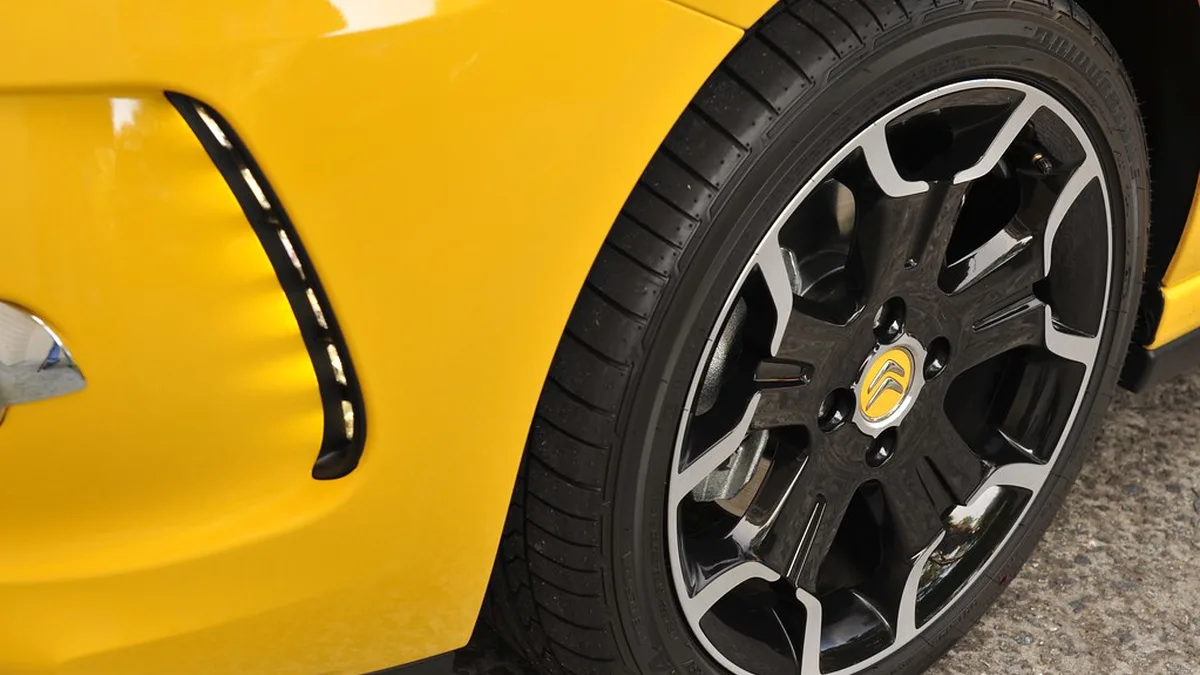
Alloy wheels are easy to damage and expensive to repair, and a careless fitter can ruin one in minutes with the wrong tools or no rim protection at all. The pattern is familiar: you collect the car, the wheels that were clean and unmarked now carry fresh scuffs around the rim, and the shop insists the damage was already there. Photograph every wheel before the car goes in, so there is no argument about what was already there. A good shop protects the rim as routine.
3. The balancing skipper: vibration is not a feature
Balancing is not an optional extra on a tyre fitting; it is part of the job. A new tyre that is not balanced will vibrate at speed, wear unevenly, and put extra strain on the suspension. The balancing skipper either charges for balancing and does not do it, or tells you it is not needed on a new tyre, and sends you out with a steering wheel that shakes above fifty miles an hour. Ask to see the balance reading before the wheel goes back on the car, and take the car back immediately if it shakes. A shop that balances properly has nothing to hide.
4. The old-stock seller: new price, old rubber
Tyres age even when they are never used, and a tyre that has sat in a warehouse for five years is not the same as a fresh one. The old-stock seller buys aged stock cheaply and sells it at the full new price, relying on the fact that few drivers check the date code on the sidewall. That code is four digits: week and year, so a code ending in 21 means 2021. Anything more than a few years old should be questioned, and anything older than six should be refused. Ask the age of the tyres before they are fitted, and check the code yourself once they are on the car. A shop selling fresh stock will answer plainly.
5. The price that grows: cheap quote, dear bill
The quote sounds like a bargain until the bill arrives with valves, disposal, balancing and fitting added on top, each one presented as something you surely agreed to. Some charges are legitimate, but they should be in the quote, not sprung on you at the till. The bad version of this shop quotes the tyre alone and treats everything else as a surprise. Get a written quote that lists every charge, including valves, balancing, fitting and disposal, before the work starts. If the final bill does not match the quote, raise it before you pay, not after you have driven away.
6. The torque guesser: nuts too tight, or too loose
Wheel nuts need to be tightened to a specific setting with a torque wrench, not blasted on with an air gun and left, and not left loose enough to work free. The torque guesser does one or the other, and both are dangerous: overtightened nuts can stretch or snap the studs and make the wheel impossible to remove at the roadside, while loose nuts can let a wheel work free while you are driving. Ask whether the nuts were torqued by hand to the handbook setting, and check them again after about fifty miles.
7. The alignment dodger: new tyres, same old wear
New tyres fitted onto a car with bad alignment will wear out in months, not years, and the shop that never checks alignment will happily sell you the next set just as quickly. Misalignment shows up as uneven tread wear, a car pulling to one side, or a crooked steering wheel. The alignment dodger never mentions it, because a check costs time and a correction costs even more, and because a customer who comes back for tyres every year is good business. Ask for an alignment check when new tyres go on, especially if the old ones wore unevenly, and keep the printout. It is the cheapest insurance a new set of tyres can have.
What to avoid when choosing a tyre shop
The most common mistake is choosing on the headline price of the tyre alone, because the cheapest tyre in the advert is rarely the cheapest job once valves, balancing, fitting and disposal are added. The second is letting the shop choose the tyre for you without checking the size and ratings against your handbook. The third is driving away without inspecting the wheels and checking the sidewalls, because damage and wrong sizes are far easier to dispute in the car park than a week later. Our guides to the worst hybrid bikes and the worst bicycles make the same point: what looks like a bargain usually is not.
Checklist: choosing a tyre shop you can trust
- Check the tyre size, speed rating and load rating against your handbook before the fitting starts.
- Get a written quote listing the tyre, valves, balancing, fitting and disposal, with no surprise extras.
- Photograph every wheel before the car goes in, and inspect them all again before you drive away.
- Check the four-digit date code on each new tyre and refuse stock that is years old.
- Ask for the wheel nuts to be torqued by hand, and check them again after fifty miles.
- Ask for a balancing reading and an alignment check, and keep the printouts with your invoice.
Frequently asked questions
How do I check the age of a new tyre?
Look for the four-digit date code on the sidewall, which gives the week and year of manufacture. Anything more than a few years old should be questioned, and anything older than six refused.
Do new tyres always need balancing?
Yes. Every new tyre should be balanced when it is fitted, because even a small imbalance causes vibration and uneven wear. A shop that skips balancing is cutting a corner, and a car that shakes at speed after a fitting should go straight back.
What does the load rating on a tyre mean?
It is the maximum weight each tyre is rated to carry, and it must match or exceed the rating your car handbook specifies.
How tight should wheel nuts be?
They should be tightened by hand with a torque wrench to the setting in your handbook, not blasted on with an air gun. Check them again after about fifty miles of driving, as the handbook recommends.
How often should wheel alignment be checked?
At least when new tyres are fitted, and whenever the old ones wore unevenly, the car pulls to one side, or the steering wheel sits crooked. A check is quick and cheap compared with a set of tyres worn out in months.
What should I do if the shop damages my wheel?
Raise it before you leave, and show the photographs you took before the fitting. Keep the invoice and the photographs as evidence, and get the repair quoted independently.
Bottom line
The worst tyre shops of 2026 share one habit: they treat your car as a quick sale rather than a safety-critical job, and they count on you not checking their work. A good tyre shop does the opposite, fitting the right size and rating, balancing every wheel, torquing the nuts by hand, checking the alignment, and selling stock that is fresh. Use the checklist, check the sidewalls and the date codes, and never drive away without inspecting your wheels.