The top tire repair kits in 2026 are the small boxes that turn a puncture from a ruined day into a twenty-minute delay. A good kit carries everything you need to plug a hole in the tread, reinflate the tire, and drive on to a garage, all from the side of the road, without waiting for a tow truck. A bad kit has flimsy tools that bend, plugs that will not seat, or missing pieces you only discover when you need them most. This guide compares the main types of tire repair kits on the things that matter when you are kneeling beside a flat tire: whether the tools work, whether the repair holds, and whether the kit is complete enough to trust.
A tire repair kit is a set of physical tools for fixing a puncture from the outside of the tire, and that distinction matters. It is not the same as a tyre sealant, which is a liquid you inject through the valve so it can seal a small hole from the inside; a sealant works from within, while a repair kit works from without, with a rubber plug pushed into the hole itself. It is also not a gauge, which only measures pressure, and not an inflator, which only adds air. A repair kit, a sealant, a gauge, and an inflator each do one job.
Key Takeaways
- A tire repair kit plugs holes in the tread from the outside, while a sealant seals them from the inside: different tools for the same problem.
- Only tread punctures up to about 6 millimetres can be repaired roadside; sidewall damage always means a replacement tire.
- A plug repair is temporary: drive gently to a garage and get the tire inspected or replaced as soon as you can.
- Steel tools that do not bend, and thick plug strips that seat firmly, are worth more than extra pieces in the box.
- Every kit needs an inflator or pump alongside it, because a repaired tire still has to be refilled before you drive.
What Is Inside a Tire Repair Kit
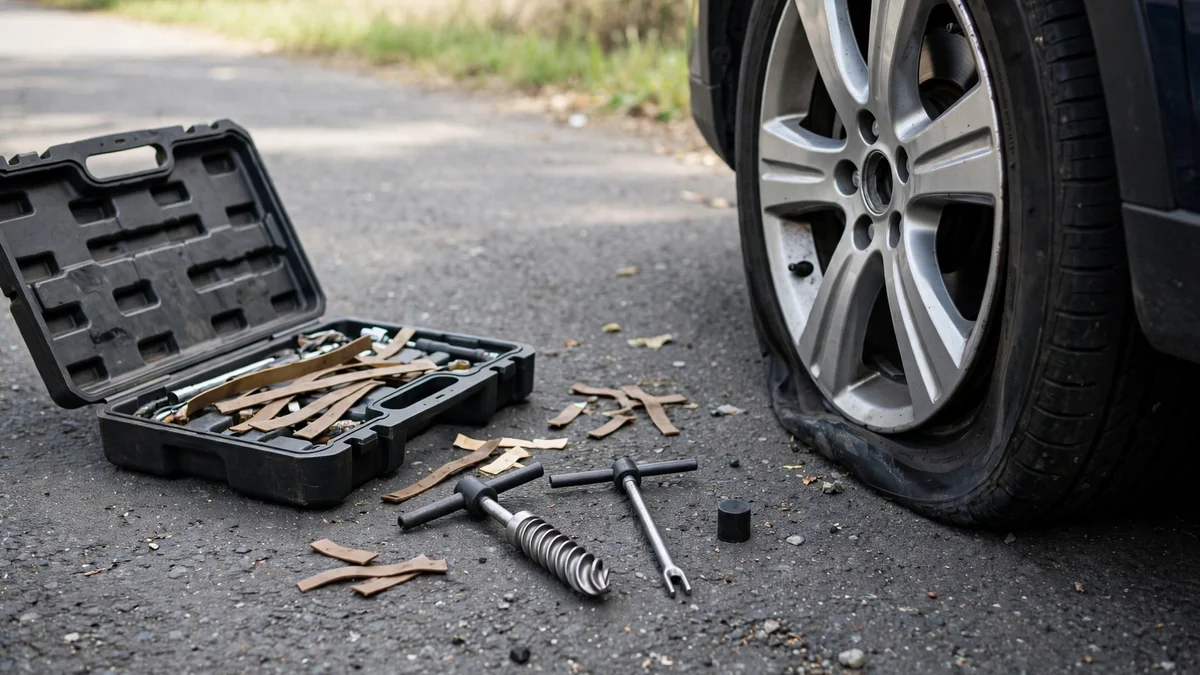
Most kits are built around the same core pieces. There is a reamer, a rough metal spike with a handle, used to clean and widen the puncture channel so a plug can enter it. There is an insertion tool, usually a needle with a split eye, which carries the plug strip into the hole. There are the plug strips themselves, sticky cords of rubber that fill the hole and seal against the tread. Many kits add a small tube of rubber cement to lubricate and seal the plug, a blade to trim the excess plug flush with the tread,.
The quality of the two metal tools decides whether a kit is usable or useless. A reamer made from soft metal will bend the first time it meets a tough tire, and an insertion needle with a weak eye will snap or drop the plug halfway in. Good tools are made from hardened steel, with handles large enough to grip firmly when your hands are cold or wet. The plug strips matter just as much: thick, tacky strips seal better and stay put, while thin, dry strips can pull out or leak slowly.

The Main Types of Tire Repair Kits Compared
Plug Kits
Plug kits are the standard roadside repair kit and the right choice for most car drivers. The plug is pushed into the puncture from the outside, seals the hole, and lets you reinflate and drive on. The repair is quick, usually under fifteen minutes, and it needs no wheel removal, which is what makes it practical at the roadside. The limitation is scope: plugs only work on small tread punctures, and the repair is temporary, so the tire must be inspected by a professional afterwards.
Patch Kits
Patch kits repair from the inside, with a rubber patch bonded to the inner surface of the tire, and they are the proper permanent repair a garage would make. The catch is that the tire has to come off the wheel to apply one, which needs tools, skill, and a clean workspace that you will not have at the roadside. Patch kits therefore suit home workshops and prepared owners rather than emergency use, and they are best thought of as a garage repair rather than a roadside rescue.
Combination Kits
Combination kits include both plug tools for the roadside and patches for a later, more thorough repair, sometimes with a small inflator included as well. They are the most complete option and the best choice for drivers who travel far from help, tow trailers, or drive cars without a spare wheel. The downside is bulk and cost: the case is bigger, and you pay for pieces you may never use.
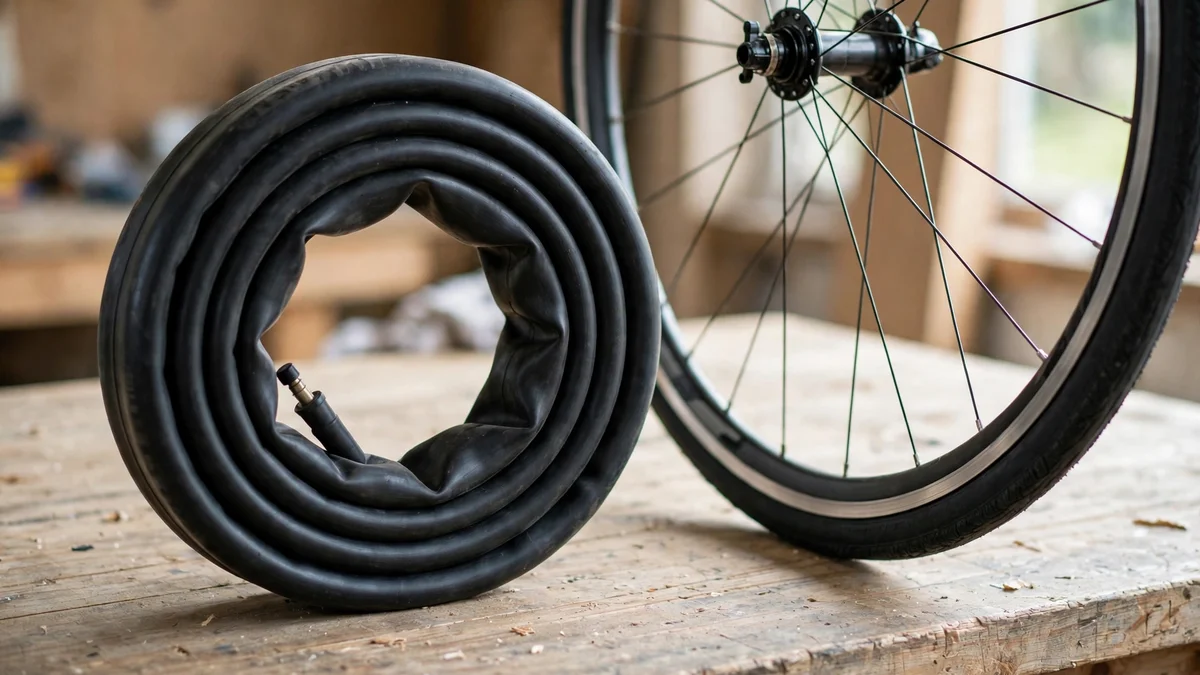
Motorcycle and Bicycle Kits
Smaller kits designed for motorcycles and bicycles use slimmer tools and thinner plugs to suit narrower tires, and they often include carbon dioxide cartridges for instant inflation instead of a pump. They are light enough to carry on the bike, which is the point, but they are not interchangeable with car kits: a bicycle plug is too small for a car tire, and a car reamer is too large for a bicycle tire.
| Type | Repair Method | Speed | Best For |
|---|---|---|---|
| Plug kit | Rubber plug from outside | 10–15 minutes | Roadside car punctures |
| Patch kit | Rubber patch from inside | 30–60 minutes | Permanent home repairs |
| Combination kit | Plug plus patch | 10–60 minutes | Cars with no spare wheel |
| Motorcycle kit | Slim plug, CO2 inflation | 10 minutes | Motorcycle roadside repairs |
| Bicycle kit | Thin plug or patch | 5–10 minutes | Cycling punctures |
| Kit with inflator | Plug plus built-in pump | 15–20 minutes | Complete roadside repair |
How to Use a Tire Repair Kit
First, get somewhere safe. Pull well off the road, switch on the hazard lights, and apply the parking brake before you touch the tire. Find the puncture by listening for escaping air or by looking for the nail or screw in the tread, If the object is still in the tire, pull it out with pliers, taking care not to enlarge the hole. Check the damage honestly: if the hole is in the sidewall, if the tire has a large cut, or if the tire has been driven flat, stop. No roadside kit can fix those, and the tire needs replacing.
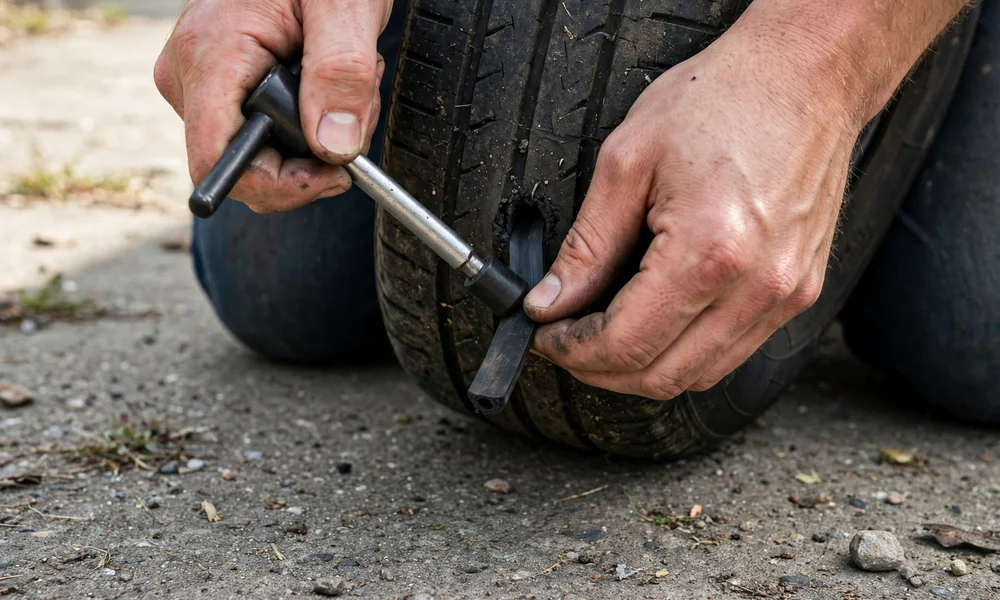
Push the reamer into the hole with a firm twisting motion, working it in and out a few times to clean the channel and roughen its sides so the plug can grip. Thread a plug strip through the eye of the insertion tool so equal lengths hang on each side, and coat it lightly with rubber cement if your kit includes it. Push the insertion tool and plug into the hole until only a short length of plug remains outside the tread, then pull the tool straight out with a sharp tug: the plug should stay in the tire, sealing the hole. Trim the excess plug flush with the tread.
Reinstate the pressure with your inflator or pump, checking the reading against the pressure listed on the door jamb or fuel flap, not the number on the tire sidewall. Drive gently and slowly at first, and recheck the pressure after a few miles. A plug repair is temporary by design: it gets you home or to a garage, and the tire should be inspected, properly repaired, or replaced as soon as you reasonably can.
Choosing the Right Kit
Start with your vehicle and your spare situation. A car with a full-size spare needs only a basic plug kit for the occasions when changing a wheel is impractical or unsafe, while a car with no spare needs a proper combination kit, because a sealant cannot fix every puncture. Check what your car actually carries: many modern cars have no spare wheel at all, and for those drivers a repair kit is not an optional extra but the only plan.
Judge a kit by its tools, not its piece count. A kit with forty pieces of thin metal is worse than a kit with eight pieces of hardened steel, and the extra pieces are usually filler: valve caps, stickers, and gadgets you will never use. Look for a reamer and insertion tool that feel solid in the hand, plug strips that are thick and tacky rather than thin and dry, and a case that closes securely so the pieces do not scatter around the boot.
Think about the rest of the roadside system as well. A repair kit without a way to reinflate the tire is incomplete, so pair it with an inflator or a pump, and keep a tyre pressure gauge in the car so you can check your work: a gauge that reads true tells you whether the repair is holding. A tyre sealant is a useful backup for the small, slow punctures a plug kit cannot easily reach, and a tire inflator is what turns a plugged tire back into a drivable one.

Tire Repair Kit Checklist
- Check your car has no spare, a space-saver, or a full spare, and buy a kit that fits that situation.
- Pick a plug kit for roadside use, and add a patch kit only if you repair tires at home.
- Test the reamer and insertion tool by hand: solid steel, firm handles, and no flex.
- Make sure the kit has at least ten thick, tacky plug strips, rubber cement, and a trimming blade.
- Keep an inflator or pump and a pressure gauge in the car alongside the kit.
- After any repair, drive gently to a garage and get the tire inspected or replaced promptly.
Frequently Asked Questions
Is a plug repair permanent?
No. A plug is a temporary roadside repair that lets you drive to a garage, not a permanent fix. It can hold well for a short journey, but the tire should be inspected by a professional and properly repaired or replaced as soon as you reasonably can.
Can I repair a puncture in the sidewall?
No. Sidewall damage cannot be repaired safely with any roadside kit, because the sidewall flexes constantly while driving and no plug or patch can hold there. A tire with sidewall damage, a large cut, or a damaged rim must be replaced.
What size puncture can a tire repair kit fix?
Most plug kits handle tread punctures up to about 6 millimetres across, which covers the nails and screws that cause most punctures. Larger holes, cuts, or multiple punctures close together are beyond a roadside repair.
Do I need to remove the wheel to use a repair kit?
Not for a plug kit, which is designed to be used with the wheel still on the car, and that is what makes it practical at the roadside. A patch kit is different: the tire must come off the wheel to apply a patch from the inside, so patch repairs belong in a garage.
Should I use a sealant or a repair kit?
They solve the same problem in different ways, and many drivers carry both. A sealant is quicker and cleaner for a small, slow puncture, sealing from the inside through the valve, while a repair kit gives a more positive, physical repair that you can see and check.
How long does a plugged tire last?
A plug can hold for days or weeks, but it should be treated as a short-term repair only. Heat, speed, and time all work against it, so keep your speed down, check the pressure regularly, and get the tire inspected or replaced as soon as you can.
The Bottom Line
The top tire repair kits in 2026 are the ones with solid steel tools, thick tacky plugs. A plug kit is the right roadside choice for most drivers, a combination kit is the right choice for cars with no spare, and every plug repair is temporary until a professional has looked at the tire.