Top Bike Tubes in 2026 That Hold Air When It Matters
The best bike tubes in 2026 are the ones you never have to think about. A good tube holds air for weeks, fits your tyre without a fight, and survives the small thorns and sharp stones that end rides early. A bad one goes soft overnight or pinches the first time you fit it. The difference between the two is rarely price. It is size, material, valve, and the few minutes you spend fitting it properly.
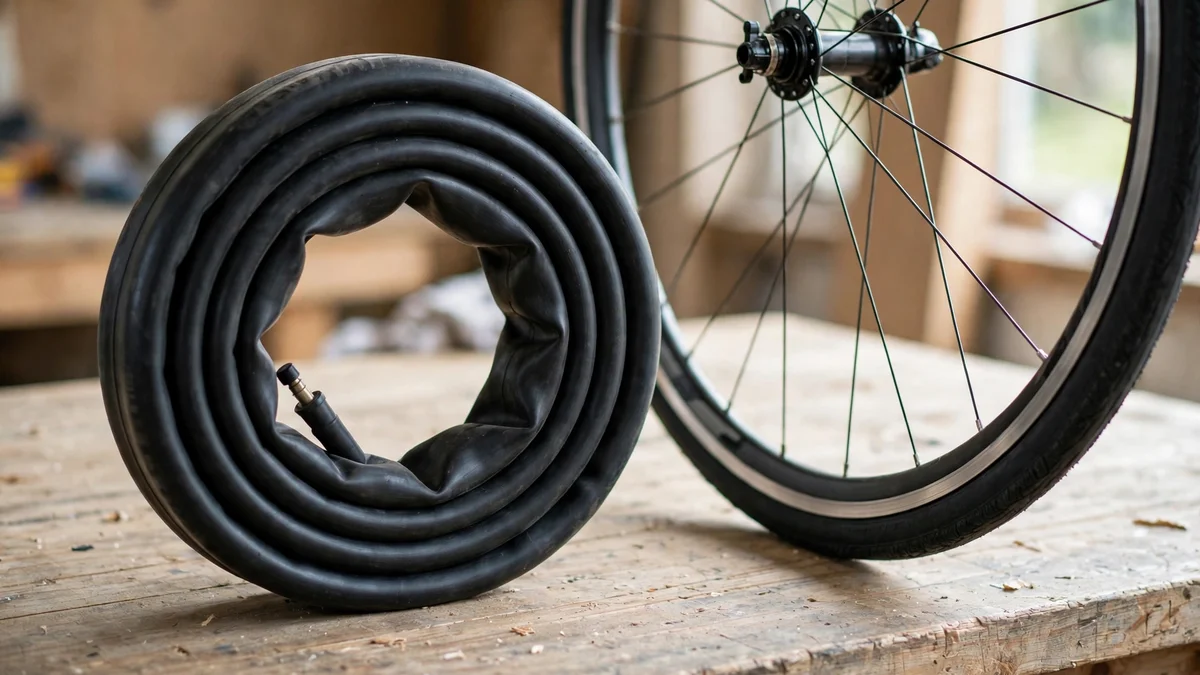
A bike tube is the replaceable inner air chamber inside the outer tyre. The tyre is the tough outer tread that grips the road and takes the wear; the tube is the soft rubber ring inside it that holds the air. When you get a puncture, the thorn pierces the tyre first, then the tube. That is why a flat usually means a damaged tube, not a damaged tyre, and why carrying a spare tube is the fastest roadside fix: swap the tube, pump it up, and you are riding again in ten minutes.
Key Takeaways
- A bike tube is the inner air chamber inside the tyre, not the tyre itself: it holds the air, the tyre provides the grip and protection.
- Match the tube to your tyre size exactly, using the numbers printed on the tyre sidewall.
- Butyl tubes are the reliable everyday choice, latex tubes feel faster but lose air daily, and TPU tubes are light and pack small.
- Presta valves suit narrow road rims, Schrader valves suit wider rims, and the wrong valve will not fit your rim at all.
- Most flats are preventable: check the tyre for the sharp object that caused the puncture before fitting a new tube.
What a Bike Tube Actually Does
Inside every tyre that uses a tube, the tube does one simple job: it holds pressurised air in the shape of the tyre. Pump air through the valve, and the tube swells until it presses evenly against the inside of the tyre and the rim. That even pressure keeps the tyre seated on the rim and lets the tyre absorb bumps instead of passing every jolt to your hands. Lose the air, and the tyre collapses onto the rim and riding further will damage the rim itself.
Tube Versus Tyre: The Distinction That Saves Rides
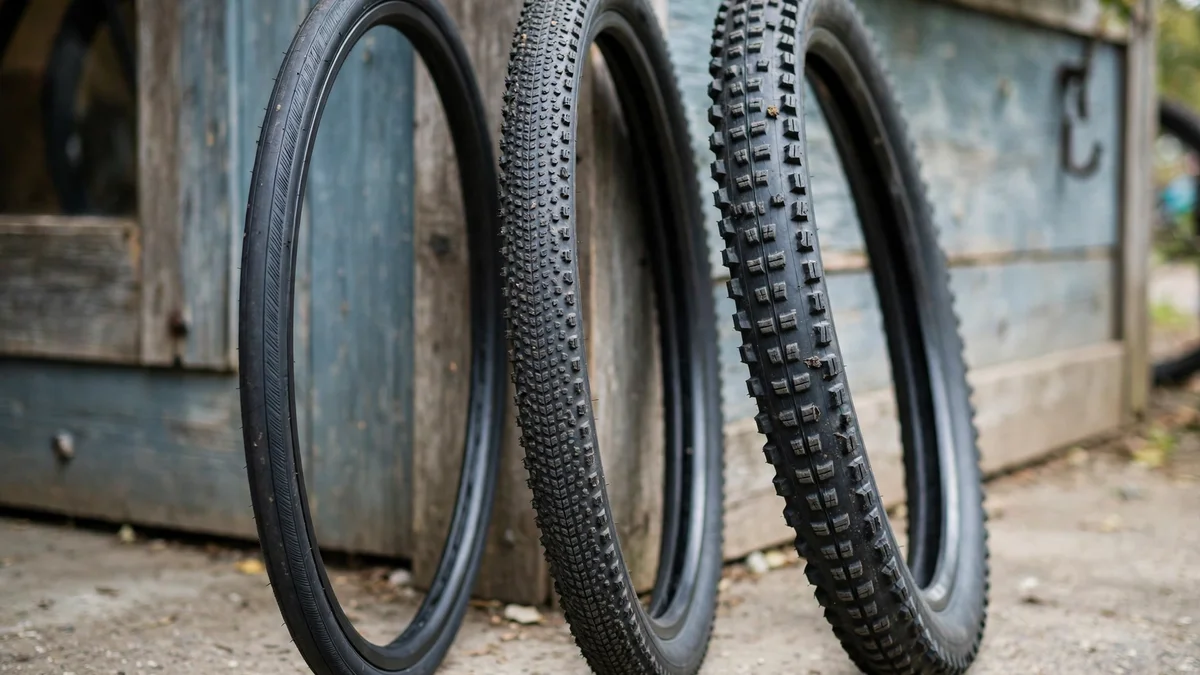
New riders often use the words tube and tyre as if they meant the same thing, and the confusion causes real mistakes. The tyre is the outer casing with the tread pattern you can see and touch. It protects the tube, grips the road, and wears down over thousands of miles. The tube is the smooth rubber ring hidden inside it. When someone says they have a flat, they almost always mean the tube has a hole. When someone says their tyre is worn out, they mean the tread is thin or the casing is cut, and a new tube will not fix that.
How to Read Tube Sizes Without Guessing
Every tyre has its size printed on the sidewall, usually in a format like 700 x 28c for a road bike or 29 x 2.25 for a mountain bike. The first number is the wheel diameter, and the second is the tyre width. Your tube must match the diameter exactly and cover the width. Tube boxes print a range for exactly this reason: one tube can cover several widths, because rubber stretches. A tube marked 700 x 25-32 fits any 700c tyre from 25 to 32 millimetres wide, which covers most road and gravel tyres.
The two sizing systems cause most of the confusion. Road and gravel bikes use the 700c system, where the diameter is given in millimetres. Mountain bikes use inches: 26, 27.5, and 29. Read the tyre sidewall, match the diameter number, then check that the width falls inside the tube’s range. If your tyre is 32 millimetres wide and the tube covers 28-32, it fits. A tube too narrow stretches thin and punctures easily; one too wide folds and eventually splits.
Butyl, Latex, and TPU: Which Material Suits You
Most tubes are made from butyl rubber, and for most riders that is the right call. Butyl holds air well, losing only a little pressure over a week or two, and it is cheap, tough, and easy to patch. It is heavier than the alternatives by a few dozen grams, which no commuter will feel. If you ride to work or on rough roads, a standard butyl tube is the sensible default.
Latex tubes are the racer’s choice. Natural latex is more supple than butyl, so the tube deforms more easily as the tyre rolls, which reduces rolling resistance and makes the ride feel smoother. The trade-off is that latex leaks air through its walls, so it needs topping up before every ride. Latex is also harder to patch and more sensitive to heat and oil. It suits riders who chase speed and do not mind the daily pumping routine.
TPU tubes are the newest option, made from thermoplastic polyurethane. They are much lighter than butyl, pack down to the size of a matchbox, and hold air better than latex. They cost several times more than a butyl tube, and they need a specific patch kit, because ordinary patches do not stick to TPU. They make the most sense as a spare in a saddlebag, where their tiny size matters most, with a butyl tube doing the everyday work.
| Tube material | Weight | Air retention | Best for |
|---|---|---|---|
| Butyl | Heaviest | Weeks between top-ups | Commuting, touring, everyday riding |
| Latex | Light | Needs air before every ride | Racing and fast road riding |
| TPU | Lightest | Days between top-ups | Spare tube in a saddlebag |
Presta Versus Schrader: Pick the Valve Your Rim Needs
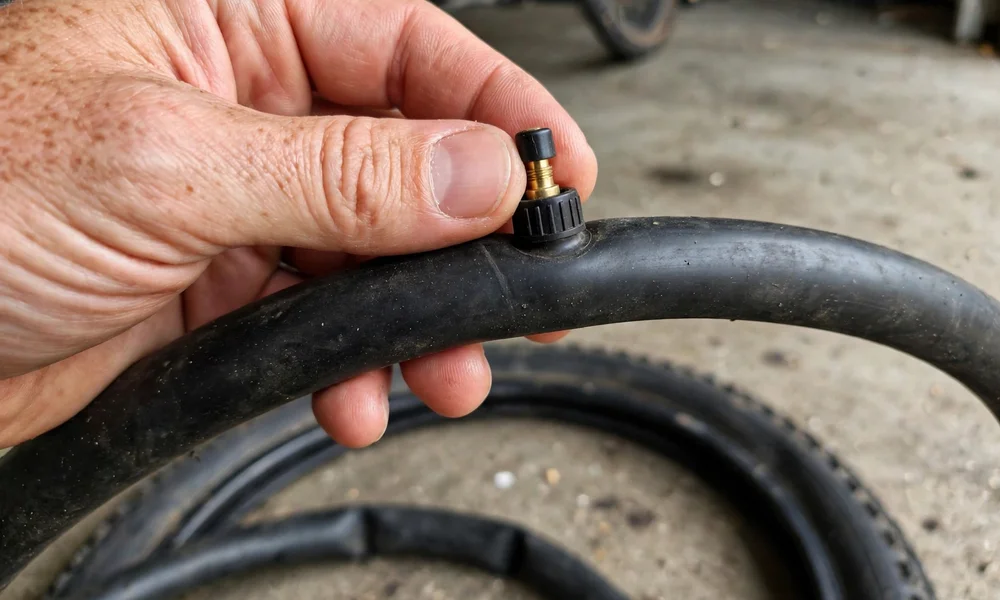
The valve is the small stem through which you pump air into the tube, and there are two kinds you will meet. Presta valves are long, thin, and threaded, with a small nut at the tip that you unscrew before pumping. They are standard on road, gravel, and most modern mountain bikes, because their slim shape fits narrow rims. Schrader valves are the short, fat valves you know from car tyres, with a spring-loaded pin in the middle. They are common on hybrid bikes, city bikes, and older mountain bikes.
The valve must match the hole in your rim. A Presta valve will rattle around in a Schrader-sized hole, and a Schrader valve will not fit through a Presta-sized hole at all. Check the valve on your current tube before you order. A small brass adapter lets any Schrader pump work with a Presta valve, and it costs almost nothing.

Fitting a New Tube Without Pinching It
Most tubes are damaged during fitting, not on the road, and the damage is almost always a pinch flat: the tube gets caught between the tyre lever and the rim, and the first pump splits it. The fix is patience. Take one side of the tyre off the rim, pull the old tube out, and run your fingers around the inside of the tyre to find the thorn or shard of glass that caused the flat. Skip this step, and the same sharp object will puncture the new tube within a mile.
Put a little air in the new tube first, just enough to give it shape. Tuck the valve through the rim hole, then work the tube evenly inside the tyre all the way around. Seat one side of the tyre bead on the rim, then work the second side on with your thumbs, saving the tyre levers for the last stubborn stretch. Before you pump, check all the way around that no tube is peeking out between the tyre and the rim. Pump slowly, check the bead is even, and only then bring it up to full pressure.
Why Tubes Go Flat, and What Stops It
Most flats come from three causes. Sharp objects are the first: thorns, glass, and flints pierce the tread and the tube together. A tyre with a puncture protection layer resists these better, and keeping your tyres properly inflated helps too. Rim problems are the second cause: a spoke poking through the rim tape will wear a hole in the tube from the inside. Pinch flats are the third: hitting a pothole with a soft tyre squeezes the tube between the rim and the obstacle, cutting two small parallel slits. Proper pressure is the cure.
Pressure is the single most effective flat prevention there is, and it costs nothing. A tyre at the pressure printed on its sidewall holds its shape, rolls over sharp objects instead of wrapping around them, and resists pinching. Check it weekly with a gauge, not by squeezing the tyre, because a tyre can feel firm at half its proper pressure. The right bike pump at home and a mini pump on the bike make this a two-minute habit.
When a flat does happen, a patch can save the tube. A proper vulcanising patch, applied to a clean and roughened area, can hold for the life of the tube. Carry a patch kit alongside your spare tube, and you have two chances to get home instead of one. For a deeper look at the liquid alternative, see our guide to tyre sealants, and keep a basic set of bike tools at home so every repair starts with the right equipment.
Before You Buy: A Quick Checklist
- Read the tyre sidewall and note the diameter and width before ordering.
- Check whether your rim needs a Presta or a Schrader valve.
- Choose butyl for everyday riding, latex for racing, TPU for a compact spare.
- Carry one spare tube, two tyre levers, and a pump on every ride.
- Inspect the inside of the tyre for the sharp object before fitting a new tube.
- Check your tyre pressure weekly, and top up before long rides.
Frequently Asked Questions
How often should I replace a bike tube?
There is no fixed schedule. A tube that holds air and has no damage can last as long as the tyre around it. Replace it when it has several patches or a leaking valve.
Can I use a tube that is slightly the wrong size?
A tube one width step out will work in an emergency, but it is not a good permanent fit. Too narrow and it stretches thin and punctures easily; too wide and it folds and chafes.
Do I need a different tube for the front and rear wheel?
Only if your front and rear tyres differ in size, which happens on some mountain bikes. Most road and hybrid bikes use the same tyre at both ends, so one tube size covers both wheels.
Why does my tube lose air overnight?
A little loss is normal, especially with latex tubes. With a butyl tube, a noticeable overnight loss usually means a slow puncture or a leaking valve.
Can a patched tube be trusted?
Yes, if the patch was applied to a clean, dry, roughened surface and given time to bond. A well-patched tube can last for years; a hurried roadside patch is a get-home fix.
Should I switch to tubeless instead of tubes?
Tubeless setups remove the tube entirely and seal small punctures with liquid. They cost more to set up and need more maintenance, so for most riders a good tube and a spare is the simpler answer.
The Bottom Line
The best bike tubes in 2026 are not exotic. They are the right size for your tyre, the right valve for your rim, and made from a material that suits how you ride. Butyl covers almost everyone, latex suits racers, TPU makes the ideal spare. Buy two: one on the bike and one in the bag. Fit it carefully, check your pressure weekly, and it will do its quiet job for thousands of miles.