Beware the Worst Taxi Firms of 2026
The worst taxi firms of 2026 rarely look bad from the kerb. The cars are clean enough, the light is on, and the driver waves you in with a friendly nod. The trouble starts after the door closes: the meter that was never switched on, the route that takes the long way round the ring road, the rank that has not moved for twenty minutes, or the firm that has no phone number worth calling when the ride goes wrong. This guide ranks the worst types of taxi firm in 2026, by the firm itself rather than by one bad ride, so you can spot a bad operator before you get in.
Key takeaways
- Judge a taxi firm by its system: the meter policy, the dispatch, the fleet and the complaints line.
- A taxi you hail or take from a rank runs on the meter, so a firm that quotes a made-up fixed fare is already breaking its own rules.
- The rank is the test: if the queue never moves, the dispatch has failed before you ride.
- Check the licence on the door, the meter before you move, and the receipt after you pay.
- A firm with no working complaints line has no reason to improve, and your fare is the last you will hear from it.
How the worst taxi firms of 2026 were chosen
Every type below was scored on five measures. Fare honesty comes first: does the firm run the meter from the moment you set off, or does the price depend on who is asking? Waiting is second, judged on the rank and the dispatch. Fleet condition is third, from worn seats and bald tyres to tired brakes. Driver vetting is fourth: licensed drivers who know the area. Complaints handling is fifth: a firm that answers, refunds and fixes the problem earns a second chance, while a firm that never picks up the phone does not.
Two notes before the list. First, no real firm is named as the worst. Second, this guide is about taxi firms: cars you hail in the street or take from a rank, running on a meter. A minicab is a different machine, a pre-booked car with a fixed quote that cannot legally be hailed, and it fails in different ways. This guide is about firms, not single rides: our guide to the worst sports taxis of 2026 ranks the rides themselves on match day.
Comparison table: the worst taxi firms of 2026
| Rank | Firm type | Main fault | Worst moment |
|---|---|---|---|
| 1 | The rank firm that never moves | Queue that never clears | Still standing there twenty minutes later |
| 2 | The meter-first firm | Fare that grows with the route | Numbers spinning at every light |
| 3 | The airport firm | Fixed prices invented at the kerb | Paying double before the bags are in |
| 4 | The app firm with no cars | Dispatch promises, no car arrives | The app still saying two minutes away |
| 5 | The late-night firm | Surge prices and refused short trips | Three empty cabs, no ride home |
| 6 | The tired-fleet firm | Old cars, worn seats, tired brakes | A seatbelt that will not click shut |
| 7 | The no-complaints firm | No licence shown, no receipt, no answer | A phone number that rings forever |
The worst taxi firms of 2026
1. The rank firm that never moves: the worst taxi firm of all
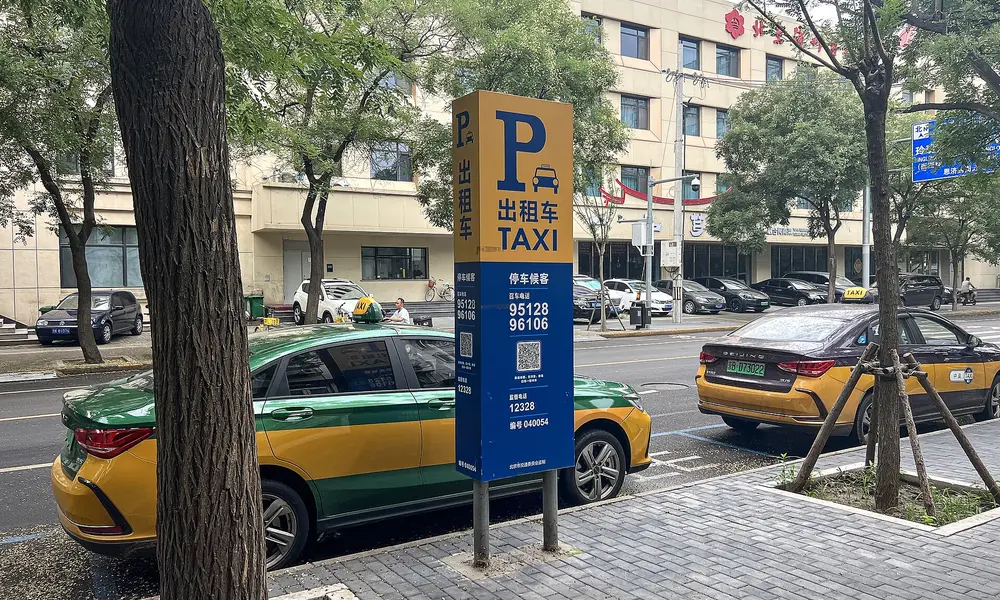
The rank firm that never moves is the worst taxi firm of 2026, because it fails at the one thing a rank exists to do. The cars are there, lined up in a neat row, and the queue of people is there too, but nothing happens. Drivers chat, engines stay off, and the people at the front stay exactly where they are. A rank that cannot clear itself is not a service, it is a car park with passengers in it. A well-run rank firm rotates its cars, sends the front car out first, and keeps someone watching the queue. The bad firm leaves the rank to sort itself out, which means it never does. Watch a rank for a minute before you join it: if no car has moved, walk to the next rank or book a car another way.
2. The meter-first firm: the fare that grows with the route
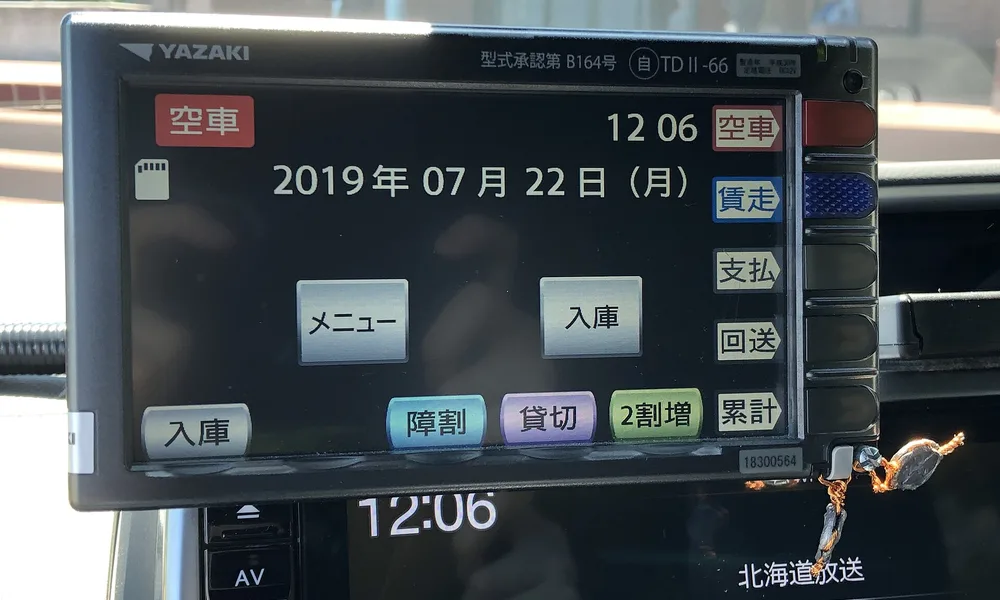
The meter-first firm treats the meter as a starting point for a negotiation, not as the price. The driver quotes a fixed fare before you get in, switches the meter on late, or takes a route no local would choose, and the numbers climb while the car crawls. Know the route and the rough fare before you ride: a phone map shows the direct route, so a driver who turns away from it has explaining to do. In a hailed taxi the meter is the price, and a firm that will not run it is a firm to leave at the kerb. If the numbers climb while the car stands still, ask to be let out.
3. The airport firm: fixed prices invented at the kerb
The airport firm waits where travellers are tired, loaded with bags, and least able to argue. Its drivers call out destinations, and the price is whatever the driver says it is: a flat rate to the city centre that changes with the size of your party and the number of your bags. The meter stays off and the receipt is never offered. Before you get in, ask whether the fare is on the meter and what it usually comes to. If the driver names a flat price for a hailed taxi, take the next car. If the firm has a posted tariff board at the rank, check the price against it first.
4. The app firm with no cars: dispatch promises, no car arrives
The app firm with no cars looks modern and works like a rumour. The app is smooth, the booking takes seconds, and the screen shows a car two minutes away. Ten minutes pass, the car is still two minutes away, and when you call the firm, nobody can tell you where it is, because it has more bookings than cars and no dispatcher willing to say so. A taxi firm lives or dies on its dispatch. Book with a firm that shows the car’s plate before you commit, and keep a second option ready for trains and flights. The same trap ruins whole journeys, as our guide to the worst trains of 2026 shows: a trip with no way there is no trip at all.
5. The late-night firm: surge prices and refused short trips
The late-night firm is the one that owns the streets after midnight and charges like it. Fares double when the bars close, short trips are refused at the window, and the only cars moving are the ones heading for the long fares out of town. You stand on the kerb while empty cabs pass, each driver shaking his head at your short trip. A licensed taxi is supposed to take the fare that comes, and a firm that lets its drivers pick and choose at night has stopped managing them. Check the fare home before the evening ends, and if a driver refuses a short trip, note the plate and the time and report it.
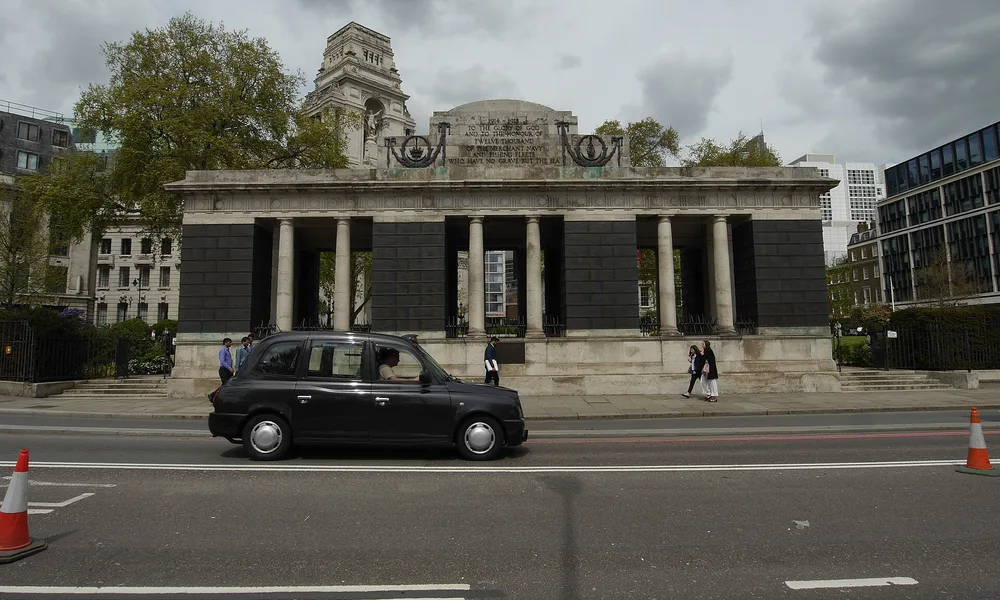
6. The tired-fleet firm: old cars, worn seats, tired brakes
The tired-fleet firm runs cars that should have retired years ago. The seats sag, the air conditioning gave up two summers back, and the car rattles over every bump in a way that makes you check the seatbelt twice. One belt will not click shut and the window will not wind down. Fleet condition is the clearest sign of how a firm treats its passengers, because it is the one thing the firm controls completely. A good firm retires cars on a schedule and checks the brakes, the tyres and the belts before the car goes out. Before you get in, look at the tyres and try the belt.
7. The no-complaints firm: no licence shown, no receipt, no answer
The no-complaints firm is the one you cannot find after the ride. There is no licence plate displayed on the door, no firm name on the receipt, because there is no receipt, and the phone number the driver hands you rings forever. The firm has made itself unfindable on purpose. Every licensed taxi firm must show its licence and give you a receipt. Before the ride starts, check the plate on the door and the licence inside the car, and take a photo of both. If the driver cannot give you a receipt, do not get in.
What to avoid when choosing a taxi firm
The most common taxi regret is not a bad ride but a bad choice made in a hurry: the first car at the rank or the first app that loads. Check three things before you ride: the meter, the licence, and the way out. The meter should be running before the car moves, the licence should be visible on the door and inside the car, and you should know the rough fare and the direct route before the driver chooses one for you. The same checks work on the water too: our guide to the worst water taxis of 2026 makes the same point about fares agreed before you board.
Checklist: choosing a taxi firm
- Check the licence on the door and inside the car before you get in, and photograph both.
- Make sure the meter is on before the car moves, and watch it as you go.
- Know the direct route and the rough fare from a map before the driver chooses a route for you.
- Watch the rank for a minute first: if no car has moved, walk to the next rank or book another way.
- Pay by card where you can and always ask for a receipt with the firm’s name on it.
- Note the plate, the time and the fare, and report refusals and overcharging.
Frequently asked questions
How do I know if a taxi firm is bad before I ride?
Watch the rank and the cars: a queue that never moves, worn tyres, broken belts, no tariff board and no licence on display all point to a firm that has stopped managing its service.
Should a hailed taxi use the meter or a fixed fare?
A hailed taxi should run on the meter; a fixed fare is for a pre-booked car. If a driver at a rank names a flat price, take the next car.
What should I do if the driver takes a long route?
Check the direct route on a phone map before you ride, and speak up as soon as the car turns away from it. Ask to be let out at the next safe place.
Can a taxi driver refuse my trip?
A licensed driver is supposed to take the fare that comes, and short trips are refused most. Note the plate and the time, and report the refusal.
Is it safe to pay a taxi by card?
Yes: it leaves a record of the firm, the time and the amount. A firm that insists on cash only and offers no receipt is worth avoiding.
What is the difference between a taxi and a minicab?
A taxi can be hailed in the street or taken from a rank and runs on a meter. A minicab must be pre-booked with a fixed quote and cannot legally be hailed.
Bottom line
The worst taxi firms of 2026 fail on the basics: a rank that never moves, a meter that never tells the truth, cars that should have retired, and no one to complain to when it all goes wrong. Check the licence, watch the meter, and know the route and the fare before you ride. The best taxi firm is the one whose system works when nobody is watching.