Wave Off the Worst Water Taxis of 2026: Small Boats That Stall, Overcharge and Leave You Stranded
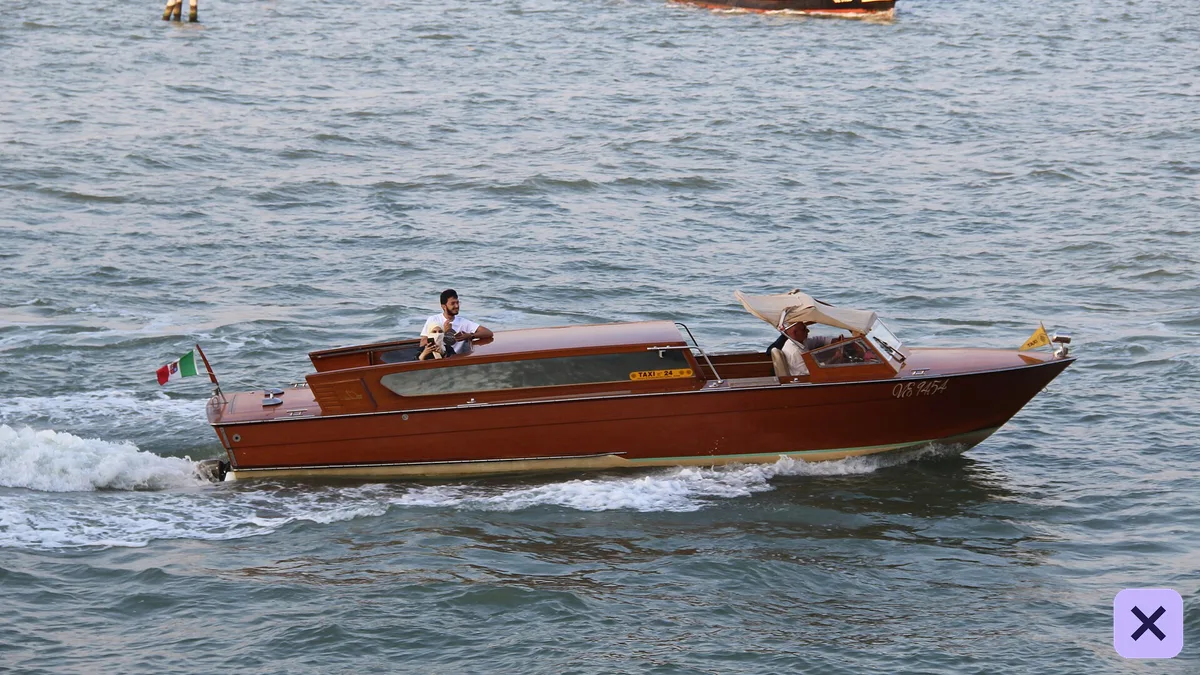
The worst water taxis of 2026 look like the smartest way across a harbour: a small boat waiting at the dock, a direct hop to your hotel or the airport, and a fare that beats a long drive around the bay. A bad water taxi rarely announces itself at the dock. This guide ranks the seven worst water taxis of 2026 by type and pattern, not by naming any operator, so you can spot the trap before you step aboard.
Key takeaways
- A water taxi is a small on-demand boat hired for one party, not a scheduled ferry: agree the fare and the destination before you board.
- The unmetered harbour taxi with a fare that grows mid-trip is the water taxi to avoid first: get a fixed price in writing before the ropes come off.
- A boat that waits to fill every seat is not a taxi at all: a real water taxi leaves when you are ready, not when the dock is full.
- Open boats with bench seats and no shelter are miserable in rain, wind and chop, and they soak every bag you bring aboard.
- Always check the fare, the backup boat, the landing point and the night service before you book, and keep a land route as your backup plan.
How the worst water taxis of 2026 were chosen
Every type below was scored on five measures. Fare honesty comes first: is the price fixed before departure, or does it grow with the trip? Reliability is second, judged on whether the boat turns up, starts, and reaches the landing it promised. Comfort is third, from shelter and seating to spray and space for luggage.
Two notes before the list. First, this guide is strictly about small on-demand water taxis: boats hired by one party for a point-to-point trip, with no fixed timetable and no published route. A ferry is a different machine: a larger boat running a scheduled crossing between two points, carrying many passengers and often cars, as our guide to the worst ferries of 2026 explains, and that guide ranks scheduled crossings, not hired boats. Once you are ashore, the onward journey matters too: a bad tour coach can spoil the rest of the day, as our guide to the worst tour buses of 2026 shows.
Comparison table: the worst water taxis of 2026
| Rank | Water taxi type | Main problem | Book instead |
|---|---|---|---|
| 1 | Unmetered harbour taxi | Fare grows mid-trip | Fixed-price booked taxi |
| 2 | Flat-rate airport taxi that waits | Leaves only when full | Private hire with a set departure |
| 3 | Open-deck taxi, no shelter | Rain, spray, soaked bags | Enclosed cabin taxi |
| 4 | Shared taxi, every dock stop | Direct hop becomes a tour | Private hire, one landing |
| 5 | Ageing single-engine taxi | Stalls in the chop | Twin-engine boat, serviced fleet |
| 6 | One-boat taxi, no backup | Breaks down, no replacement | Operator with several boats |
| 7 | Night taxi, no lights or radio | Hard to find, hard to trust | Licensed night service |
The worst water taxis of 2026
1. The unmetered harbour taxi: the fare that grows mid-trip
The unmetered harbour taxi is the water taxi to avoid first in 2026. It waits at the busiest dock, the driver waves you aboard with a friendly price, and the fare is never written down. Once the boat is under way, the price starts to grow: a charge for the bags, a charge for the second passenger, and a surcharge for the landing you actually want. Ask for the price before you sit down, and check it against the fare board at the dock. Agree a fixed price in writing before the ropes come off, and walk away from any driver who will only quote a price once you are aboard.
2. The flat-rate airport taxi that waits for a full boat: cheap until it costs you a flight
The flat-rate airport water taxi looks like the best deal in the harbour: one low price, no meter, no haggling, and a direct run to the airport dock. The catch is that the boat does not leave until it is full. You sit on a bench at the dock while the driver waits for four more passengers who may or may not be coming. Twenty minutes pass, then thirty, and the direct run that was meant to save time has eaten the buffer you built into your journey. Book a private hire with a set departure time, and treat any shared boat that waits for a full load as a ferry with a taxi sign.
3. The open-deck taxi with no shelter: a soaking in a bench seat
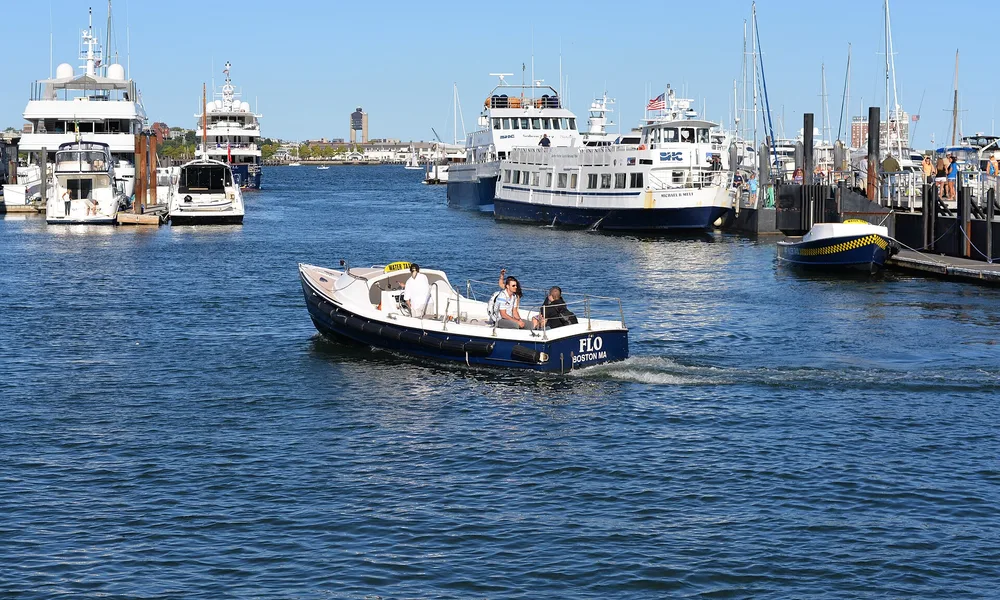
The open-deck water taxi is a fair-weather boat sold as an all-weather service. On a calm sunny morning it is charming: an open launch, a bench seat, the wind in your face and the harbour spread out around you. In rain, or in the chop that builds on a windy afternoon, it is miserable. There is no cabin, no canopy and no windscreen worth the name, so spray comes over the bow and rain comes straight down. Book an enclosed cabin taxi in any season when rain is possible, and check whether the boat has a canopy before you pay.
4. The shared taxi that stops at every dock: the direct hop that becomes a tour
The shared water taxi promises a direct hop and delivers a tour of the harbour. You board at the main dock, and instead of heading for your landing the boat turns for the next dock, then the next, collecting passengers at every stop. The worst version sells seats one by one at the dock, so the driver has every reason to keep stopping: each new passenger is another fare, and your time is not their problem. If the price is per seat rather than per boat, ask how many stops the trip makes before you board.
5. The ageing single-engine taxi: the boat that stalls in the chop
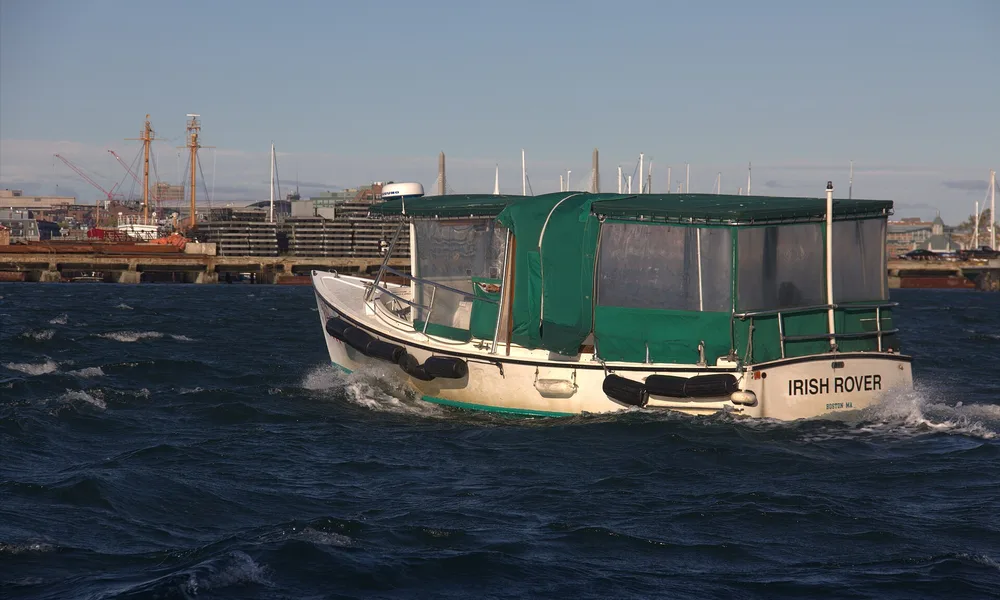
The ageing single-engine water taxi is the boat that looks charming and runs like a gamble. It is usually the oldest boat on the dock: a wooden launch or a tired fibreglass hull, a single outboard that has seen many seasons, and a driver who knows every rattle by name. In the chop, or against a tide, the engine coughs, the boat loses way, and the driver spends the crossing nursing the throttle instead of watching the traffic. The worst version stalls outright, and the boat drifts while the driver restarts the engine by hand. A well-kept boat starts first time, idles smoothly, and leaves no smoke on the water. Choose a twin-engine boat from a serviced fleet, and be wary of any taxi whose engine sounds rough at idle.
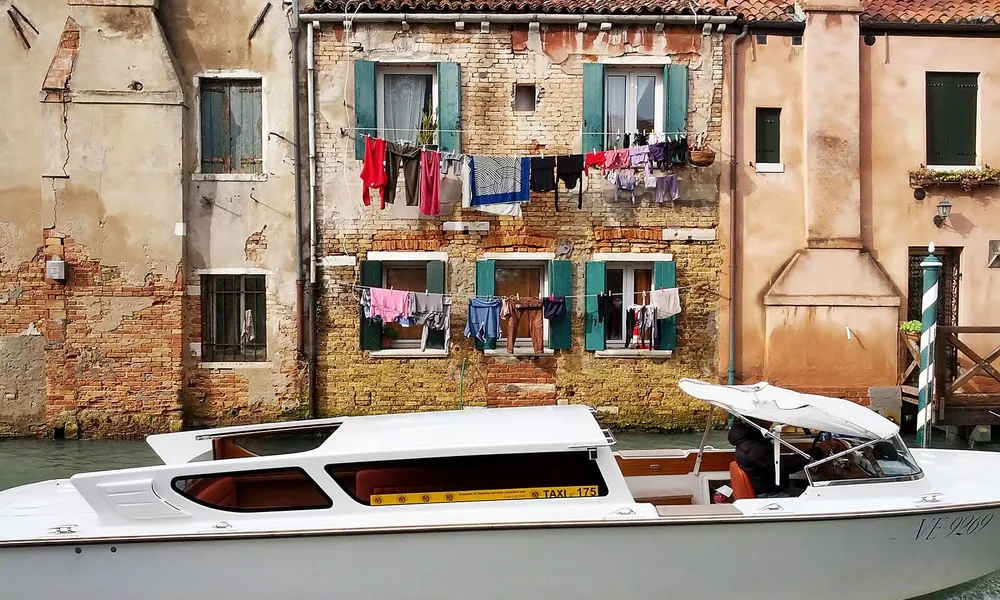
6. The one-boat taxi with no backup: the booking that vanishes
The one-boat water taxi is a one-person business with one hull, and when that hull has a problem, your booking vanishes with it. You book the evening before, you get a confirmation, and you arrive at the dock to find an empty berth and a phone that goes to voicemail. The boat has a flat battery, a fouled propeller or a driver who is ill, and there is no second boat, no partner operator and no one to call. Book with an operator that runs several boats, and always keep a land route in mind as your backup, especially for an airport or a ferry connection.
7. The night taxi with no lights and no radio: hard to find, hard to trust
The night water taxi is the riskiest boat on this list, because the things it lacks only matter when something goes wrong. It runs after dark with dim navigation lights or none at all, no radio to call the harbour office, and no working searchlight to find the landing. The worst version is unlicensed, with no insurance and no harbour permit. Use a licensed night service with proper lights and a radio, and never board a boat you cannot see clearly.
What to avoid when booking a water taxi
The most common water taxi regret is not a bad boat but a bad booking: a fare agreed by a nod instead of in writing, a shared boat mistaken for a private one, or a landing that turns out to be a twenty-minute walk from where you need to be. Avoid the trap by checking four things before you pay: the fixed fare in writing, the number of stops, the landing point on a map, and whether the operator has a second boat. The same checks work on land too, and a bad city bus can ruin the rest of the day just as surely as a bad boat, as our guide to the worst buses of 2026 shows.
Checklist: booking a water taxi
- Agree the fare in writing before you board, including bags, passengers and the exact landing.
- Ask whether the boat is private or shared, and how many stops it makes before your landing.
- Check the boat has an enclosed cabin or a canopy if rain or chop is possible.
- Look for life jackets, working lights and a radio before you step aboard, especially at night.
- Confirm the landing point on a map, and check how far it is from where you actually need to be.
- Keep a land route as your backup, and book with an operator that runs more than one boat.
Frequently asked questions
What is the difference between a water taxi and a ferry?
A water taxi is a small boat hired by one party for a point-to-point trip, with no fixed timetable and no published route. A ferry is a larger boat running a scheduled crossing between two points, carrying many passengers and often cars,.
Should I agree the fare before boarding a water taxi?
Yes, always. Agree a fixed price in writing before the ropes come off, including charges for bags and extra passengers. A driver who will only quote a price once you are aboard is the most common water taxi trap.
Are shared water taxis worth it?
Sometimes, if the price is low and you are not in a hurry. A shared boat stops at every dock, so a direct hop can take far longer than the road.
What should I check on the boat before I board?
Look for life jackets, an enclosed cabin or canopy, working lights and a radio. Check the engine sounds healthy at idle and the boat has a second engine or a tow on call if the crossing is long.
What if my water taxi does not turn up?
Call the operator on the number from your booking. If there is no answer, switch to your backup land route at once rather than waiting at the dock.
Are night water taxis safe?
A licensed night service with proper lights, a radio and a lit landing is safe. Avoid unlicensed night boats with dim or missing lights, no radio and no harbour permit, and never board a boat you cannot see clearly in the dark.
Bottom line
The worst water taxis of 2026 are not the slowest boats or the oldest hulls: they are the ones that charge more than they quoted, wait until they are full, soak you in the rain, or simply do not turn up. Agree the fare in writing and book a private enclosed boat with a set departure.