Give the Worst Canal Boats of 2026 a Wide Berth: Narrowboats That Leak, Stall and Strand You
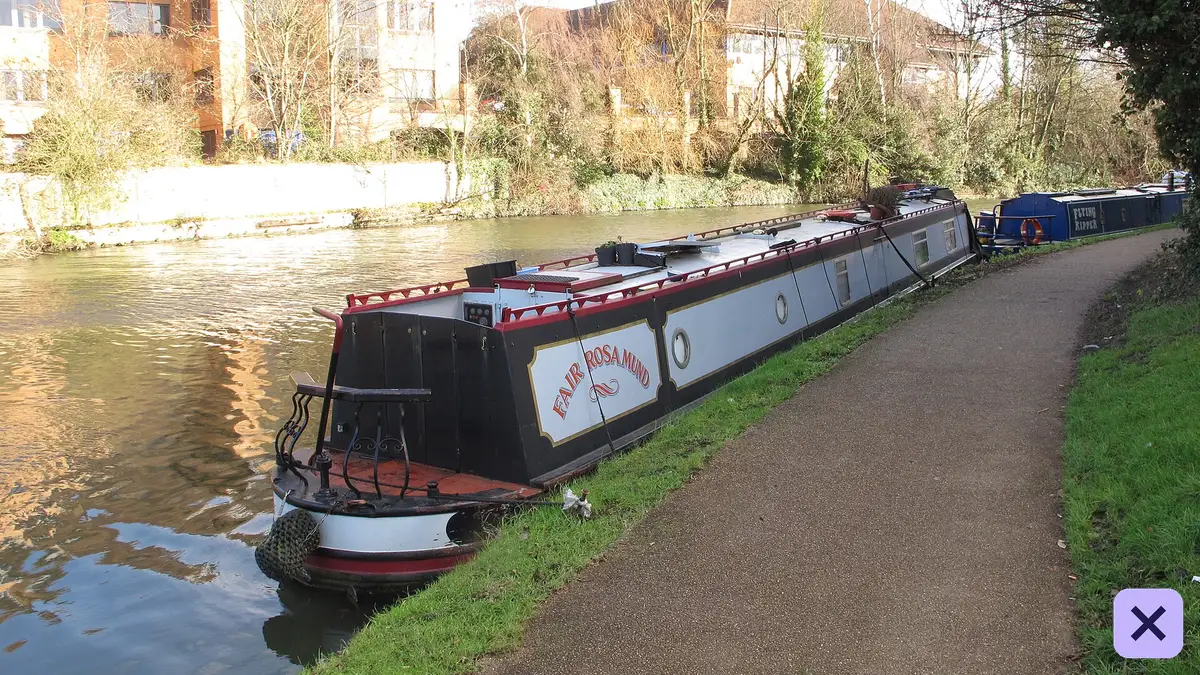
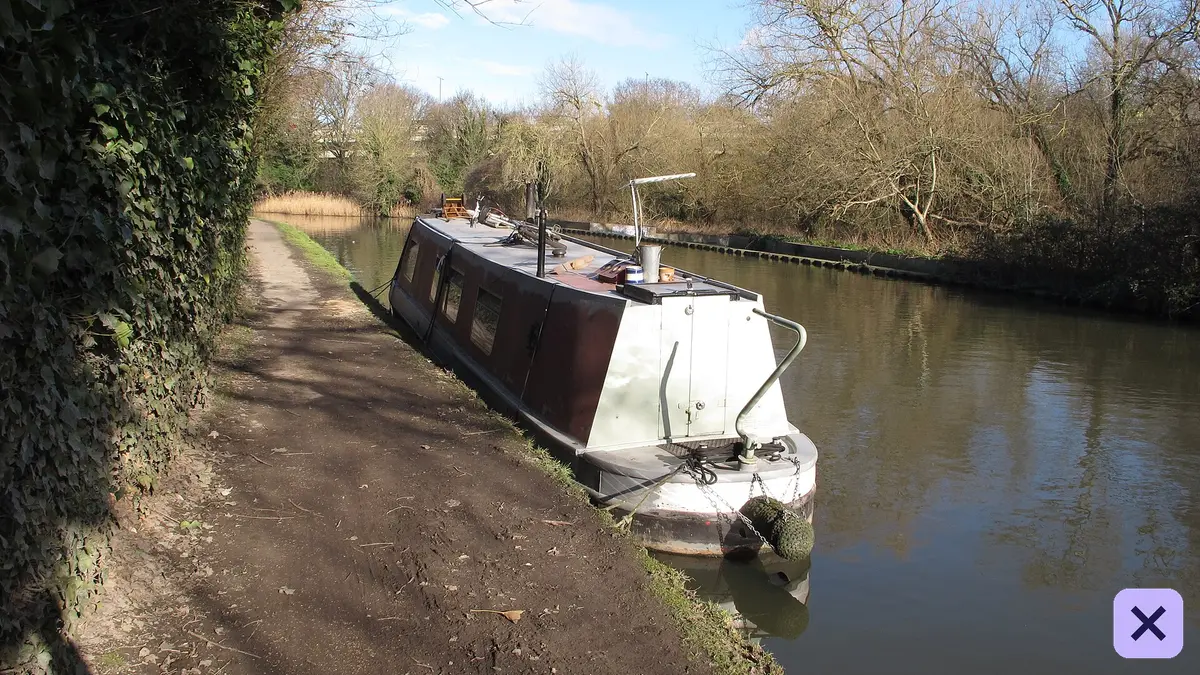
The worst canal boats of 2026 look like the slowest, gentlest holiday on the water: a narrowboat gliding past fields and villages at walking pace, with a kettle on the stove and the towpath beside you. Then the engine stalls at a lock, the roof leaks over the bed, the heating fails on a cold night, and the boat that was meant to be a floating home turns into a damp steel box you cannot move. This guide ranks the seven worst canal boats of 2026 by type and pattern, not by operator or builder, so you can spot the trap before you book or buy.
Key takeaways
- The leaking old steel narrowboat is the canal boat to avoid first: it looks charming, then the hull, roof and windows let water in faster than you can bail it out.
- A canal boat lives or dies on its engine, its hull and its heating: a boat that cannot move, stay dry or stay warm fails at its basic job.
- Slow is the point of a canal, but underpowered is not: a boat that cannot hold its course in a wind or climb a lock flight wastes the whole holiday.
- Space is measured in headroom and storage, not length: a long boat with a cramped cabin is worse than a shorter boat you can actually live in.
- Always check the hull survey, the engine hours, the heating and the real cruising speed before you book or buy, and walk away from any boat that hides them.
How the worst canal boats of 2026 were chosen
Every boat below was scored on five measures. Reliability comes first: does the engine start, does the boat move when it should, and does it keep moving through a lock flight? Dryness is second, judged on the hull, the roof, the windows and whether the cabin stays dry in rain. Comfort is third: headroom, beds, heating and space to live, not just to sleep.
Two notes before the list. First, no boat here is useless on paper: each one earns its place because the boat lets its crew down, not because a canal boat is a bad idea. Second, this guide ranks types and patterns, not named operators, builders or routes: no published reliability scores exist for individual hire fleets or second-hand boats, so naming companies would be guesswork, and a boat that is bad in one season may be fine in another. This guide is strictly about canal boats: narrow, slow boats built for canals, steered by their own crew on a self-guided cruise or lived aboard as a home. It does not cover ferries, which are scheduled passenger crossings between two points on a timetable. A ferry carries other people across the water for a fare, as our guide to the worst ferries shows, while a canal boat is yours to steer, moor and live on for days at a time. It does not cover water taxis either, which are small on-demand boats that take you from one place to another, as our guide to the worst water taxis explains. A canal boat is not a taxi and not a ferry: it is a slow, narrow, self-steered home on the water, and it is judged on whether it moves, stays dry and stays warm. Getting the boat to the water is a different job again, as our guide to the worst boat trailers shows, while this guide judges the boat itself once it is afloat.

Comparison table: the worst canal boats of 2026
| Rank | Boat type | Main problem | Book instead |
|---|---|---|---|
| 1 | Leaking old steel narrowboat | Hull, roof and windows let water in | Surveyed boat with a dry hull |
| 2 | Underpowered hire narrowboat | Cannot hold course or climb locks | Hire boat with a properly sized engine |
| 3 | Cramped short hire boat | No headroom, no storage, no sleep | Longer boat with a real cabin layout |
| 4 | Damp widebeam with failing heating | Cold, condensation and mould | Widebeam with a working stove and vents |
| 5 | Ex-hire boat sold as a liveaboard | Worn engine, tired fit-out, hidden bills | Private boat with a full service history |
| 6 | Shallow-draft boat that grounds easily | Stuck on the bottom at every shallow pound | Boat with a proper draught for the canal |
| 7 | Budget day-hire canal boat | No facilities, no shelter, no backup | Day boat with a cabin and a phone number |
The worst canal boats of 2026
1. Leaking old steel narrowboat: the boat to avoid first
The leaking old steel narrowboat is the bad canal boat to avoid first in 2026. The owner or hirer bails, mops and dries, and the water comes back with the next shower. Book a surveyed boat with a dry hull instead, and ask for the survey before you pay anything.
2. Underpowered hire narrowboat: slow, then stuck
The underpowered hire narrowboat looks fine on a calm stretch of canal and falls apart when the wind rises or the locks begin. The crew arrives at each lock tired and late, and the holiday becomes a timetable of waiting. Choose a hire boat with a properly sized engine instead, and ask what the engine is before you book.
3. Cramped short hire boat: a cabin you cannot stand in
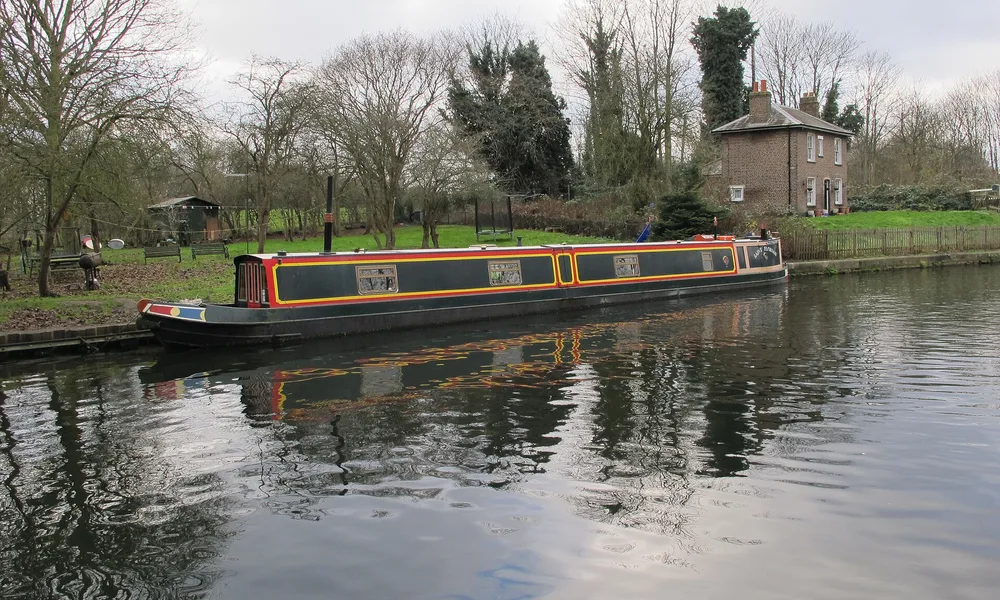
The cramped short hire boat is the trap for anyone who books by length alone. The galley is a hotplate and a sink with no worktop, the toilet is a cupboard with a door that does not shut, and the shower, if there is one, is a hose over a drain. Book a longer boat with a real cabin layout instead, and check the headroom and the bed lengths before you pay.
4. Damp widebeam with failing heating: cold, wet and mouldy
The damp widebeam with failing heating is the worst canal boat for anyone who plans to live aboard or cruise in cold weather. The boat is warm for an hour after the stove is lit, and cold again by midnight. Choose a widebeam with a working stove and proper vents instead, and test the heating on a cold evening before you commit.
5. Ex-hire boat sold as a liveaboard: tired, worn and full of bills
The ex-hire boat sold as a liveaboard looks like a bargain: a long narrowboat, a full fit-out, a price far below a private boat of the same length. The survey finds thin steel, a worn stern gland and a battery bank that no longer holds a charge, and the repair bill is larger than the saving on the price. Buy a private boat with a full service history instead, and budget for the survey before you fall in love with the listing.
6. Shallow-draft boat that grounds easily: stuck on the bottom
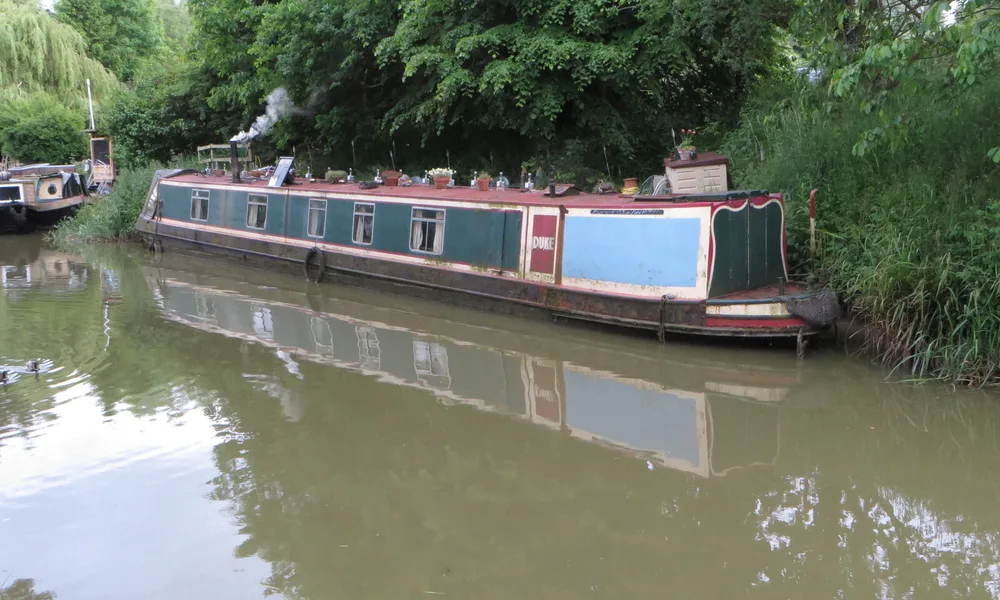
The shallow-draft boat that grounds easily is the trap for anyone who cruises the shallower canals. The boat cannot moor close to the bank, because the bottom shelves up, so the crew moors in the middle of the channel or walks a plank to the towpath. Choose a boat with a proper draught for the canal instead, and ask about the draught before you book a shallow route.
7. Budget day-hire canal boat: no shelter, no facilities, no backup
The budget day-hire canal boat is the worst canal boat for anyone who expects a day out rather than a test of endurance. The day is spent in the rain, the crew is cold and wet by lunchtime, and the return journey is a long cold crawl back to the base. Book a day boat with a cabin and a working phone number instead, and check what happens if the boat breaks down before you leave the yard.
What to avoid when booking or buying a canal boat
The most common canal-boat regret is not a bad boat but a wrong match: a short boat booked for four adults, a leaking boat bought without a survey, or a budget day boat hired for a family with small children. Avoid the trap by checking four things before you pay: the hull survey, which should be recent and out of the water; the engine hours and service history; the heating, which should be tested on a cold day; and the real cruising speed, including locks, not the speed on an open stretch. The same checks work for every boat, and the ferry guide makes the same point about timetables and capacity, because the faults are the same wherever a boat is involved.
Checklist: booking or buying a canal boat
- Ask for a recent out-of-water hull survey and read the thickness report before you pay.
- Start the engine cold, check the hours, and ask for the full service history.
- Test the heating, the stove and the hot water on a cold evening, not a sunny afternoon.
- Stand up in the cabin, lie on every bed, and check the storage holds every bag.
- Plan the route by locks, not miles: a lock flight takes far longer than the map suggests.
- Carry a charged phone, a torch and the hire base number, and know the nearest mooring.
Frequently asked questions
How fast does a canal boat actually go?
About walking pace, roughly three to four miles an hour on an open stretch, and far slower through locks. Plan the day by locks and moorings, not by miles, and allow extra time for the first lock flight.
Do I need a licence to steer a hire canal boat?
No licence is needed for a hire boat: the base gives a steering lesson before you leave, and the boat is built for beginners. You do need to listen to the lesson, take it slowly, and moor early rather than late.
What is the difference between a canal boat and a ferry?
A canal boat is a slow, narrow, self-steered boat you live on and cruise for days, while a ferry is a scheduled passenger crossing between two points on a timetable. A canal boat is yours to steer; a ferry carries you across.
Why is my canal boat so damp inside?
Condensation, leaks or poor ventilation are the usual causes. A working stove, open vents and dry bilges keep a cabin dry, while a leaking roof or window frame will undo all of it.
Can you live on a canal boat all year?
Yes, many people do, but only in a boat with a dry hull, a working stove, proper insulation and a mooring with water and power. A boat that leaks or cannot stay warm in winter is not a year-round home.
What should I check before buying a second-hand narrowboat?
A recent out-of-water survey, the hull thickness, the engine hours and service history, the condition of the stern gland and batteries, and a cold start of the engine. Never buy a boat without a survey, however good it looks in the photos.
Bottom line
The worst canal boats of 2026 fail at the same slow job in different ways: the leaking narrowboat cannot stay dry, the underpowered hire boat cannot hold its course, the cramped boat cannot be lived in, the damp widebeam cannot stay warm, the ex-hire boat hides a list of bills, the shallow-draft boat grounds at every pound, and the budget day boat offers no shelter at all. Choose a surveyed boat with a dry hull, a properly sized engine, standing headroom, working heating and a real cabin layout, and the canal will do what it does best: move slowly, quietly and gently past the fields.