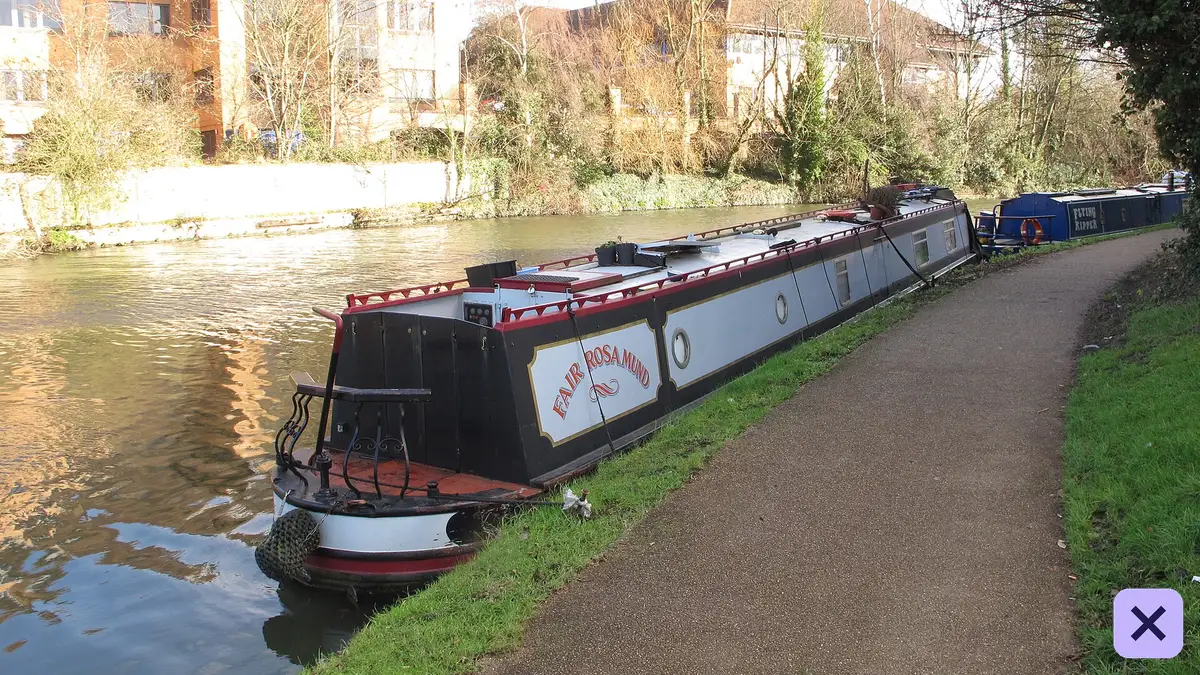
Pass Up the Worst Narrowboats of 2026: Stern Types That Flood, Cramp and Waste Space
The worst narrowboats of 2026 look like the slowest, gentlest holiday on the water: a slim steel boat gliding through a lock at walking pace, with the towpath beside you. Then the rain pools on the rear deck and runs under the doors, the helmsman stands in the wet steering a boat that will not reverse, and the cabin you paid for turns out to be a corridor with a bed at the end. This guide ranks the seven worst narrowboats of 2026 by stern and layout, not by builder or hire company, so you can spot the trap before you book or buy.
Key takeaways
- The traditional-stern narrowboat is the narrowboat to avoid first: a tiny counter, an engine room that eats the cabin, and a helmsman who steers standing in the rain.
- A narrowboat lives or dies on its stern and its layout: a boat that floods its rear deck, wastes its length, or cannot be steered in reverse fails at its basic job.
- Deck space is not living space: a big open cruiser stern looks generous, then fills with rain and steals the length a cabin needs.
- Length is measured in usable cabin, not in feet: a long boat with a tug bow and a well deck can have less room inside than a shorter boat with a plain layout.
- Always check the stern type, the deck drainage, the door seals and the reversing before you book or buy, and walk away from any boat that hides them.
How the worst narrowboats of 2026 were chosen
Every boat below was scored on five measures. Steering comes first: does the boat answer the tiller, reverse in a straight line, and hold its course in wind? Dryness is second, judged on the rear deck, the well deck, the side hatch and the stern doors, and whether rain stays outside the cabin. Usable space is third: headroom, beds and storage in the cabin itself, not the length on the brochure. Comfort is fourth: shelter for the helmsman, warmth, and a layout you can live with for a week. Value is fifth: what the stern and layout cost you in wasted length and wet feet.
Two notes before the list. First, no boat here is useless on paper: each one earns its place because the stern or the layout lets its crew down, not because a narrowboat is a bad idea. Second, this guide ranks stern and layout types only, and it ranks types and patterns, not named builders, hire fleets or boats: no published reliability scores exist for individual narrowboats, so naming companies would be guesswork. This guide is strictly about narrowboats, the slim seven-foot-wide boats built for narrow canals, judged here on how their sterns and layouts work. It does not re-rank hull condition, engine size, hire fleets or widebeams: a leaking hull, an underpowered engine, a tired ex-hire boat and a damp widebeam are all covered by our guide to the worst canal boats, which judges the boat as a whole, while this guide judges only the stern and the layout. Widebeams are excluded outright: at over seven feet wide they are a different boat on different moorings, not a narrowboat at all. It does not cover ferries either, which are scheduled passenger crossings between two points on a timetable, as our guide to the worst ferries shows, while a narrowboat is yours to steer, moor and live on for days at a time. Nor does it cover water taxis, which are small on-demand boats that take you from one place to another, as our guide to the worst water taxis explains. A narrowboat is not a taxi and not a ferry: it is a slim, self-steered home on the water, and here it is judged on its stern and its layout alone.

Comparison table: the worst narrowboats of 2026
| Rank | Narrowboat type | Main problem | Book instead |
|---|---|---|---|
| 1 | Traditional stern narrowboat | Tiny counter, engine room eats the cabin | Semi-trad with a proper cabin layout |
| 2 | Cruiser stern narrowboat | Big open deck fills with rain | Boat with a drained, covered stern |
| 3 | Semi-traditional stern narrowboat | Half deck that is neither open nor sheltered | Full trad or full cruiser, not half of each |
| 4 | Tug-style narrowboat | Long bow and swim waste cabin length | Plain narrowboat with a full-length cabin |
| 5 | Narrowboat with a boatman’s cabin | Tiny stern cabin, damp, no headroom | Boat with the cabin space in the main saloon |
| 6 | Narrowboat with a side-hatch layout | Side hatch leaks, draughts and weak security | Boat with solid sides and a proper door |
| 7 | Narrowboat with a front well deck | Well deck floods and bow doors leak | Boat with a drained well deck and sealed doors |
The worst narrowboats of 2026
1. Traditional stern narrowboat: the boat to avoid first
The traditional stern narrowboat is the bad narrowboat to avoid first in 2026. The helmsman stands on a counter barely wider than their boots, steering in the rain with nowhere to sit and nowhere to shelter, while the engine room below eats a full stretch of cabin that could have held a bed or a galley.
2. Cruiser stern narrowboat: a deck that fills with rain
The cruiser stern narrowboat looks generous on the brochure: a big open rear deck, room for two chairs, space to sit out on a summer evening. Then it rains, and the deck becomes a shallow pond with nowhere for the water to go except under the rear doors and into the cabin. The doors warp, the carpet by the stern stays damp for days, and the cold draught through the rear doors undoes the stove.

3. Semi-traditional stern narrowboat: half of each, best of neither
The semi-traditional stern narrowboat is the trap for anyone who wants both shelter and open deck. The half deck is too small to sit on and too open to shelter under, so the helmsman still stands in the rain and the guests still cannot sit out. Rain pools in the corners where the half walls meet the deck, and the step down into the cabin is an awkward drop in the dark.
4. Tug-style narrowboat: a long bow, a short cabin
The tug-style narrowboat looks the part: a long pointed bow, a sweeping swim, and the silhouette of a working tug. The price is paid inside, where the bow and the swim swallow feet of length that a plain narrowboat gives to the cabin. The bed is short, the galley is a hotplate and a sink, and the boat steers heavily and reverses badly.
5. Narrowboat with a boatman’s cabin: a museum piece you sleep in
The narrowboat with a boatman’s cabin is charming in photographs and miserable to live in. The tiny traditional cabin at the stern has no standing headroom, a bed you cannot sit up in, and paint and brass that look lovely and do nothing for the damp.
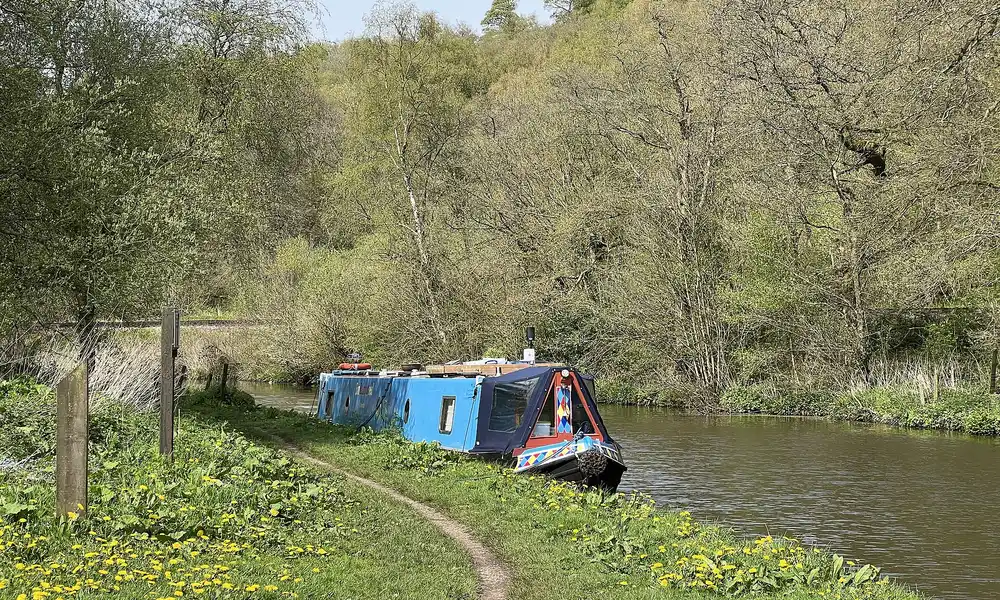
6. Narrowboat with a side-hatch layout: rain, draughts and weak locks
The narrowboat with a side-hatch layout promises light and air: a big hatch in the cabin side that opens onto the towpath on a summer day. In practice the hatch is the weakest point in the whole boat. Rain blows in when it is open and seeps past the seal when it is shut.
7. Narrowboat with a front well deck: a pond at the bow
The narrowboat with a front well deck is the worst narrowboat for anyone who cruises in rain. The well deck at the bow fills like a bath, the drain is a small hole that blocks with the first leaf, and the water finds its way past the bow doors into the locker and the cabin. The locker soaks everything stored in it, the doors swell and stick, and the length the well deck takes is length the cabin never gets.
What to avoid when booking or buying a narrowboat
The most common narrowboat regret is not a bad boat but a wrong stern: a traditional stern booked for a crew who wanted to sit out, a cruiser stern bought by someone who cruises in winter rain, or a tug-style bow chosen for looks and paid for in cabin space. Avoid the trap by checking four things before you pay: the stern type, and whether you have actually stood on it in the rain; the deck drainage, which should carry a jug of water away in seconds; the door and hatch seals, which should be dry to the touch after rain; and the reversing, which should hold a straight line in a winding hole.
Checklist: booking or buying a narrowboat
- Stand on the stern counter in the rain and check you can steer, sit and shelter there.
- Pour water on the rear deck and the well deck and watch it drain away, not pool.
- Check the stern gland, the rear doors and the side hatch for drips, draughts and weak locks.
- Reverse the boat in a winding hole and check it holds a straight line.
- Measure the cabin, the beds and the headroom, not the length on the brochure.
- Ask which stern type it is, and walk away if the seller cannot tell you.
Frequently asked questions
What is the difference between a narrowboat and a canal boat?
A canal boat is the umbrella term for any boat built for canals, while a narrowboat is the slim seven-foot-wide type built for narrow canals and narrow locks. Every narrowboat is a canal boat, but not every canal boat is a narrowboat.
What is a traditional stern on a narrowboat?
A traditional stern, or trad stern, is the old working-boat layout: a tiny counter at the back, the engine in a room below the helmsman, and a small cabin. The counter is cramped and the helmsman stands unsheltered.
Is a cruiser stern better than a traditional stern?
Neither is better in every case: a cruiser stern gives a big open deck for sitting out in summer, but it fills with rain and lets in cold draughts, while a traditional stern is cramped but keeps the cabin longer.
Why is my narrowboat’s rear deck always wet?
Poor drainage is the usual cause: the deck falls towards the doors instead of towards the drain, or the drain is blocked with leaves. A deck that ponds will push water under the rear doors and into the cabin,
Which stern type suits living aboard a narrowboat?
A stern that keeps you dry and leaves the cabin full length: a well-drained cruiser stern with a cover, or a traditional stern on a longer boat where the engine room does not steal the bedroom.
What should I check before buying a second-hand narrowboat?
Stand on the stern and steer it, reverse it in a winding hole, pour water on both decks and watch it drain, and check the stern gland, the door seals and the cabin measurements.
Bottom line
The worst narrowboats of 2026 fail at the same slim job in different ways: the traditional stern cramps the helmsman and eats the cabin, the cruiser stern fills with rain, the semi-traditional stern gives half of each, the tug-style bow wastes cabin length, the boatman’s cabin is a damp museum piece, the side hatch leaks and draughts, and the front well deck ponds at the bow. Choose a boat whose stern you have stood on in the rain, whose decks drain, whose doors seal, and whose cabin you have measured.


