The best espresso machines under $500 in 2026 prove that you do not need a cafe-sized budget to make cafe-quality coffee at home. A few years ago, a sub-$500 machine usually meant weak pressure, watery shots and a steam wand that barely warmed milk. That has changed. Today this price band includes compact machines with proper 15-bar pumps, fast heat-up systems, precise temperature control and steam wands that can genuinely texture milk for a flat white.
That shift matters because espresso is unforgiving. A drip coffee maker can hide a lot of sins, but espresso exposes them in seconds: too little pressure and the shot runs thin and sour, too much heat and it turns bitter, and a weak steam wand leaves you with warm milk instead of silk.
This guide compares nine machines across the styles that dominate the under-$500 market: compact semi-automatics for hands-on brewing, all-in-one models with built-in grinders, and a manual lever option for purists who want total control.
Key takeaways
- Spend your budget on pressure, temperature stability and a decent steam wand, not on a touchscreen or extra drink presets.
- A 15-bar pump with a proper portafilter is the baseline for rich, sweet espresso with real crema.
- Built-in grinders save counter space and money, but a separate grinder gives you more control over grind size.
- Compact machines suit small kitchens, while larger models with bigger boilers recover faster between shots.
- Clean the machine weekly and descale on schedule, because limescale is the fastest way to ruin a good espresso machine.
What $500 Actually Buys in 2026
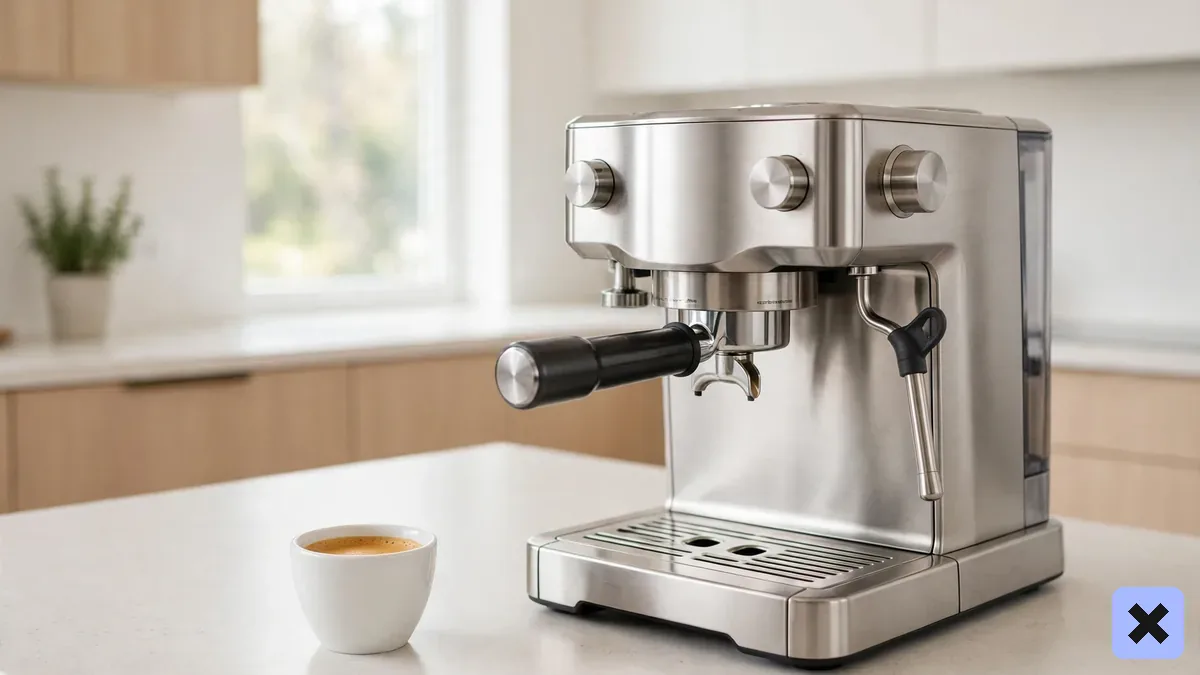
Five hundred dollars sits at a sweet spot in the espresso market. Below $200, machines often cut corners on the parts that matter most: the pump, the heating system and the portafilter. Above $500, you start paying for conveniences such as automatic milk frothing, larger boilers and app controls.
The most important upgrade in this price band is temperature stability. Espresso tastes best when water hits the coffee at roughly 93 to 96 degrees Celsius, and cheaper machines often swing well outside that range. Many of the best machines under $500 now use PID temperature control or fast thermoblock heating to hold the temperature steady from the first shot to the third. That consistency turns a lucky good cup into a reliably good cup every morning.
The 9 Best Espresso Machines Under $500 in 2026
1. Breville Bambino
The Breville Bambino remains the benchmark for compact espresso machines under $500, earning that position with speed and consistency rather than size. Its thermojet system reaches brewing temperature in about three seconds, and low-pressure pre-infusion soaks the puck before full pressure arrives, producing a balanced shot with sweet, golden crema. It has no built-in grinder, so pair it with a separate grinder or pre-ground coffee.
2. Gaggia Classic Pro
The Gaggia Classic Pro is the machine for people who want to learn espresso properly and keep their machine for years. It is built around commercial-style parts: a 58-millimetre portafilter, a three-way solenoid valve that dries the puck after brewing, and a solid steel body that feels made to last. If you enjoy the craft of coffee and want a machine you can maintain and upgrade over time, this is the best long-term buy under $500.
3. De’Longhi La Specialista Arte
The De’Longhi La Specialista Arte is built for people who want hands-on brewing without the guesswork. It pairs a built-in conical burr grinder with a smart tamping station, so the dose and tamp are consistent every time, and its active temperature control holds the water steady through the shot. The manual steam wand is powerful enough for proper lattes and cappuccinos, and though the machine is wider than a compact model, it replaces two appliances with one.
4. De’Longhi Dedica Maestro Plus
The De’Longhi Dedica Maestro Plus is the slimmest serious espresso machine in this guide, measuring just 15 centimetres wide, which makes it the natural choice for small kitchens and flats. Despite the narrow body, it carries a 15-bar pump, a thermoblock heating system and a manual steam wand, and it heats up in about 40 seconds. Shot quality is impressively good for the size, with a rich crema and a clean, sweet flavour when the grind is right.
5. Breville Bambino Plus
The Breville Bambino Plus takes everything good about the standard Bambino and adds automatic milk texturing, the single biggest quality-of-life upgrade in this price band. You choose the milk temperature and texture level, lower the steam wand into the jug, and the machine does the rest, producing smooth, glossy microfoam without the learning curve of a manual wand. That makes it ideal for households where more than one person makes coffee.
6. Casabrews 5700Pro
The Casabrews 5700Pro is the surprise value pick of this guide, offering features that usually cost far more. It combines a 20-bar pump with a built-in conical burr grinder, a clear pressure gauge and a powerful steam wand, all in a compact stainless steel body. The pressure gauge is genuinely useful for beginners, because it shows at a glance whether the grind is too fine, too coarse or just right.
7. Gevi 20 Bar Espresso Machine
The Gevi 20 Bar espresso machine is a strong choice for buyers who want a full setup at a modest price. It pairs a 20-bar pump with a built-in grinder, a milk frother and a clear pressure gauge, and it includes the accessories most machines sell separately, such as a tamper and a milk jug. That completeness makes it an easy first machine, because you can start brewing properly on day one without extra purchases.
8. De’Longhi Stilosa
The De’Longhi Stilosa is the best budget entry point in this guide for anyone who wants real espresso without spending the full $500. It uses a 15-bar pump and a stainless steel boiler, and it comes with a manual milk frother for cappuccinos and lattes. It makes a sweet, full-bodied shot with a good crema, and it is simple enough that a complete beginner can pull a decent espresso within the first few tries.
9. Flair 58
The Flair 58 is the odd one out in this guide, and deliberately so. It is a manual lever espresso maker with no pump, no boiler and no electricity, which means you control every variable: pre-infusion, pressure and temperature. An electric pre-heat system warms the brew head, you add hot water, and you pull the lever to build pressure by hand. The result can be extraordinary, because a skilled user can profile a shot in ways no automatic machine allows.
Best Espresso Machines Under $500: Comparison Table
| Machine | Pump | Built-in Grinder | Milk Steaming | Best For |
|---|---|---|---|---|
| Breville Bambino | 15 bar | No | Manual wand | Compact kitchens |
| Gaggia Classic Pro | 15 bar | No | Commercial wand | Learning the craft |
| De’Longhi La Specialista Arte | 15 bar | Yes | Manual wand | All-in-one brewing |
| De’Longhi Dedica Maestro Plus | 15 bar | No | Manual wand | Small spaces |
| Breville Bambino Plus | 15 bar | No | Automatic | Easy milk drinks |
| Casabrews 5700Pro | 20 bar | Yes | Manual wand | Best value |
| Gevi 20 Bar | 20 bar | Yes | Manual wand | First machine |
| De’Longhi Stilosa | 15 bar | No | Manual frother | Tight budgets |
| Flair 58 | Manual | No | None | Total control |
Use the table as a shortlist, not a verdict: temperature stability, grind quality and the portafilter matter just as much as pressure.
How to Choose the Right Machine
Pump Pressure and Temperature
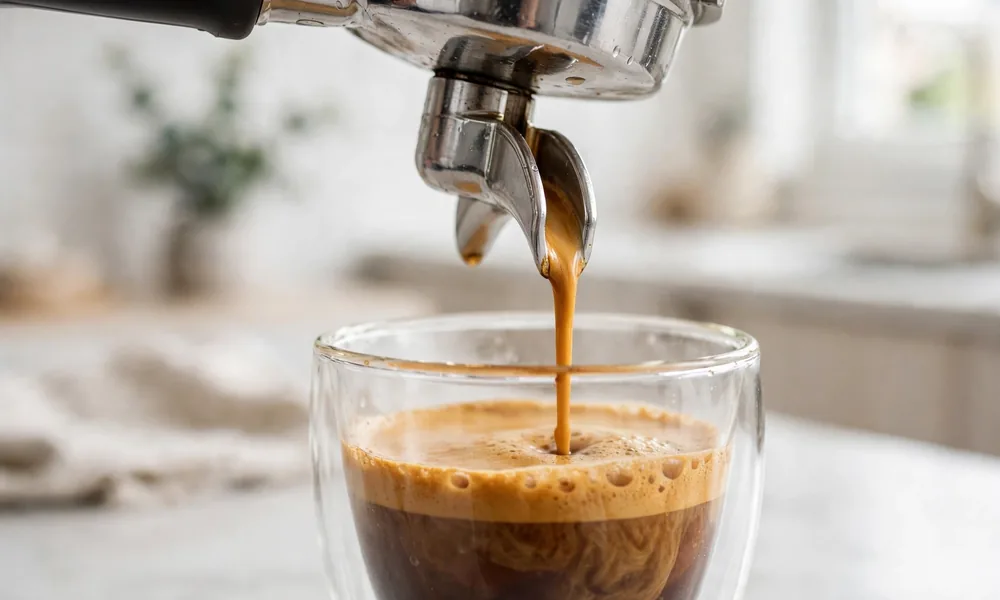
Espresso needs about nine bars of pressure at the coffee puck to extract properly, so a pump rated at 15 or 20 bars gives the machine comfortable headroom. More important than the headline number is whether the machine holds a steady temperature while brewing, because temperature swings make shots taste sour one day and bitter the next. Look for PID control or a thermoblock system, and give the machine a minute to warm up fully before your first shot. If you are comparing models across different budgets, our round-up of the best home espresso machines shows how these under-$500 picks stack up against machines at higher prices.
Built-in Grinder or Separate Grinder
Freshly ground beans make a bigger difference to espresso than almost any machine feature, because ground coffee stales within days. A built-in grinder is convenient and saves counter space, and the grinders in the La Specialista Arte, Casabrews and Gevi models are good enough for daily use. Whichever route you choose, pair the machine with fresh beans: our guide to the best espresso beans for home covers roast styles that suit different machines, from chocolatey dark roasts to brighter beans that reward careful dialling in.
Milk Steaming and Grinder Quality
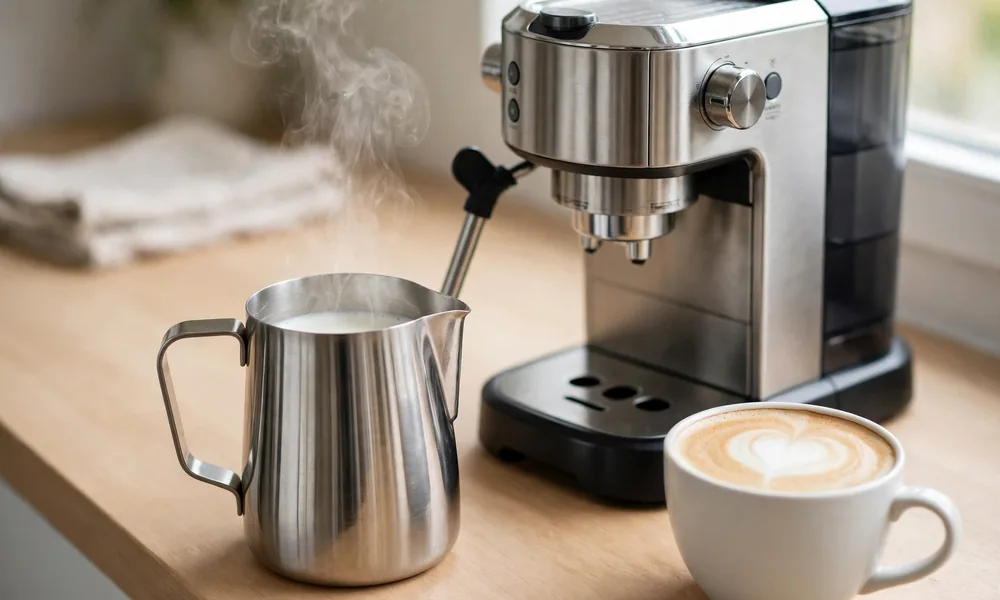
If you drink lattes, flat whites or cappuccinos, the steam wand deserves as much attention as the espresso itself. A manual wand gives you full control over texture and, with practice, produces the silky microfoam that makes latte art possible. An automatic wand, like the one on the Bambino Plus, removes the learning curve and gives consistent results, which is ideal when several people share the machine.
Many disappointing shots are blamed on the machine when the grinder is the real culprit. An uneven grind extracts unevenly, so some grounds over-extract and turn bitter while others under-extract and taste sour, all in the same cup. Our round-up of the best coffee grinders for home explains which grinders suit espresso and how much you need to spend for a consistent grind.
Size, Cleaning and Maintenance
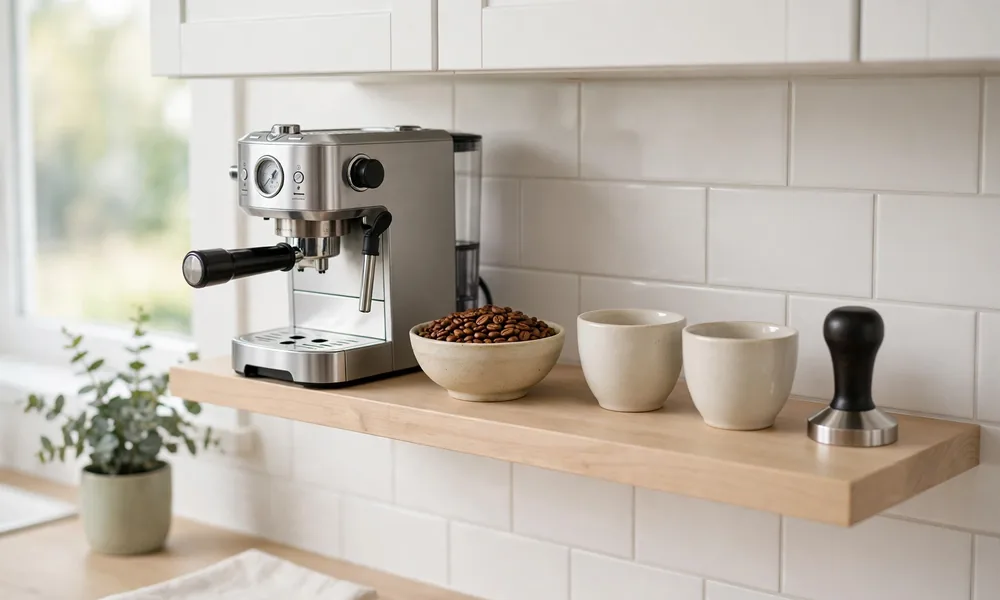
Measure your counter, including the height under your wall cabinets, before ordering. Cleaning is where good machines stay good: empty and rinse the drip tray daily, purge the steam wand after every use, and descale on the schedule in the manual, because limescale narrows the pipes, slows the flow and eventually damages the pump.
Espresso Machine Buying Checklist
- Confirm the machine fits your counter, with room to open the tank lid and remove the drip tray.
- Check for a 15-bar or higher pump, stable temperature control and a proper portafilter.
- Decide between a built-in grinder for convenience and a separate grinder for control.
- Test the steam wand if you drink milk coffee, and choose automatic texturing if you want it effortless.
- Budget for fresh beans, a tamper, a milk jug and a cleaning kit alongside the machine.
- Check the descaling schedule and warranty terms before you buy.
Frequently Asked Questions
Can a machine under $500 make real espresso?
Yes. A machine under $500 with a proper pump, stable temperature and a good portafilter can make genuine espresso with rich crema. The difference from a $1,000 machine is mostly consistency, build quality and convenience.
Do I need a grinder if the machine has one built in?
No, a built-in grinder is enough to start with, and it saves space and money. A separate grinder gives you finer control and an easier upgrade path later.
What is the best espresso machine under $500 for beginners?
The Breville Bambino Plus is the easiest starting point, because it heats up in seconds and textures milk automatically.
How important is pump pressure?
Espresso needs about nine bars at the puck, so a 15-bar pump is plenty. Temperature and grind matter more than the pump rating.
How often should I descale my espresso machine?
Follow the manual, but a common guide is every two to three months in hard-water areas and every three to six months in soft-water areas.
Is a manual lever machine worth it under $500?
For coffee enthusiasts who enjoy the ritual, yes. A manual lever machine like the Flair 58 gives you total control over pressure and can produce exceptional shots.
The Bottom Line
The best espresso machines under $500 in 2026 are genuinely good machines, not compromises. Choose the Breville Bambino Plus for effortless milk drinks, the Gaggia Classic Pro if you want to learn the craft and keep your machine for years, or the Casabrews 5700Pro if you want the most features for the least money. Spend what you save on fresh beans and a decent grinder, and keep the machine clean.