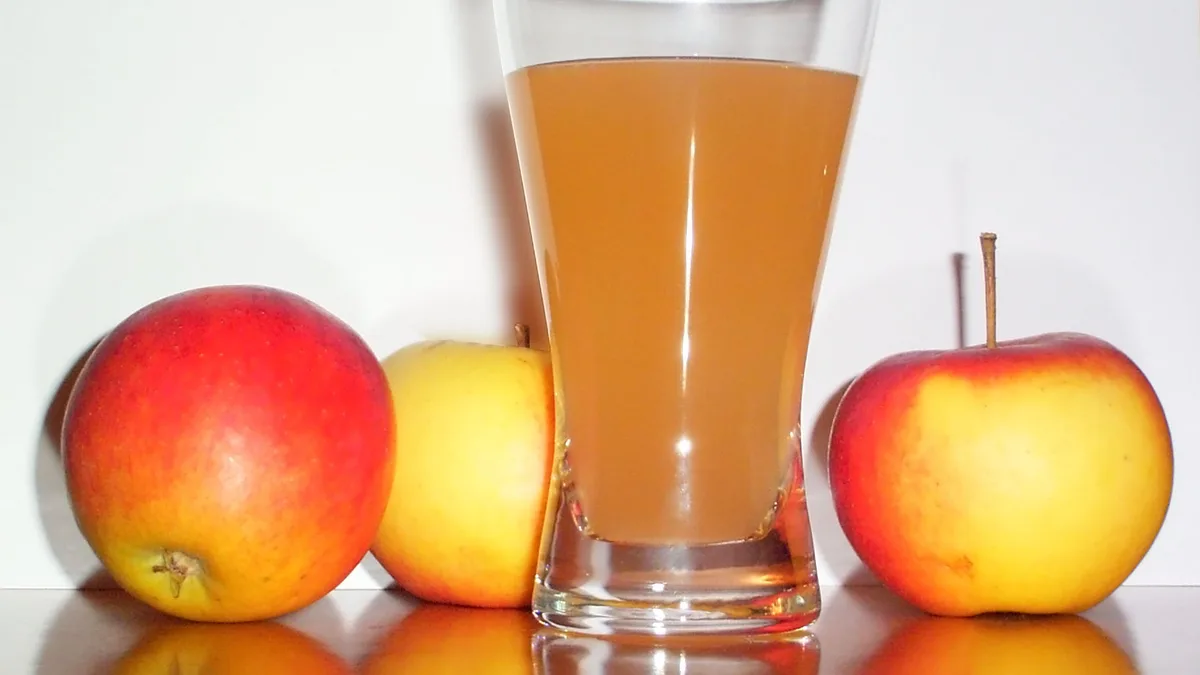
The best apple juice in 2026 is the one that still tastes like an apple. Not like sugar water with an apple on the label, not like a sweet drink that happens to be apple-flavoured, but like a crisp apple you have just bitten into: bright, a little tart, and clean on the finish.
That sounds simple, and it should be. Apple juice is one of the oldest bottled drinks in the supermarket, and the good versions have barely changed in decades. But the shelf is crowded with bottles that look alike and taste very different, from cloudy farm-pressed juice to crystal-clear cartons. This guide sorts them out: cloudy versus clear, not-from-concentrate versus from concentrate, how sweet is too sweet, which bottles belong in a lunchbox, and which ones are worth cooking with.
Key Takeaways
- Buy 100 percent apple juice: the ingredients list should say apple juice, and nothing else except perhaps a little vitamin C.
- Cloudy juice tastes fuller and keeps more of the apple’s natural compounds; clear juice is smoother, lighter and better for cooking.
- Not-from-concentrate usually tastes fresher, but a good from-concentrate juice is the better everyday value.
- A small glass of 150 millilitres is a sensible serving: apple juice is concentrated fruit sugar, however pure it is.
- For lunchboxes, pick small cartons of 100 percent juice with no added sugar, and keep them cool until lunchtime.
What Apple Juice Actually Is
Apple juice is the liquid pressed from apples, with the pulp removed. That is the whole definition, and the standard every bottle should be judged against. A good apple juice is pressed apples, pasteurised for safety, and bottled: nothing added, because apples are naturally sweet and naturally acidic, and that balance is what makes the juice taste alive.
The confusion starts with the bottles that are not quite apple juice. A juice drink might be mostly water and sugar with a splash of apple juice for flavour, and a nectar is apple puree diluted with water and sweetened. Both are sold next to the real juice, often in similar bottles, and both taste sweeter and flatter. The ingredients list tells you which one you are holding: if the first ingredient is water or sugar, you are not holding pure apple juice. Our guide to why fresh juice deserves a spot in your fridge sets out the same label rules for the whole juice shelf, and they apply doubly to apple juice, because it is the bottle most often imitated.
Cloudy vs Clear: The First Choice
Cloudy apple juice is pressed and bottled with the fine apple solids still in it, which is why it looks hazy and golden rather than transparent. It tastes fuller and rounder, and it keeps more of the apple’s natural compounds. It also separates as it sits, so shake the bottle before pouring: separation is a sign of real juice, not a fault.
Clear apple juice is filtered to remove the solids, which is why it pours bright and golden and stays that way in the glass. It tastes cleaner and lighter, and it is the better choice for cooking, because it will not cloud a sauce or a glaze. Neither style is better in the abstract: cloudy suits drinking on its own, clear suits cooking, and the best fridge has one of each.

The Best Apple Juices of 2026 at a Glance
| Apple Juice | Style | Sweetness | Concentrate | Best For |
|---|---|---|---|---|
| Martinelli’s Gold Medal | Clear | Balanced | Not from concentrate | Overall excellence |
| Simply Apple | Cloudy | Bright and sweet | Not from concentrate | Cloudy juice lovers |
| Tropicana Apple Juice | Clear | Sweet | From concentrate | Everyday drinking |
| Mott’s 100% Apple Juice | Clear | Moderate | From concentrate | Best value |
| Whole Foods 365 Organic | Cloudy | Gentle | Not from concentrate | Lunchboxes |
Best Apple Juice Overall: Martinelli’s Gold Medal
Martinelli’s is the bottle to buy if you only buy one. It is pressed from United States-grown apples, never from concentrate, and it has tasted the same for generations: clean, bright, and unmistakably apple, with a gentle sweetness and a crisp finish that never turns syrupy. The glass bottle keeps it cold and keeps the flavour honest, and the juice pours a clear, pale gold that looks as good as it tastes.
Best Cloudy Apple Juice: Simply Apple
Simply Apple is the cloudy juice for people who want their apple juice to taste like an orchard. It is not from concentrate, it is gently cloudy, and it has a fuller body than the clear bottles, with a soft sweetness and a faint tartness at the end that keeps it from feeling heavy. It is the closest thing on the supermarket shelf to juice pressed at home, and it is at its best on its own, served cold in a tall glass with nothing added.
Best Clear Apple Juice: Tropicana Apple Juice
Tropicana’s apple juice is the clear bottle done properly. It is bright, smooth and consistently sweet, with a clean apple flavour that never tastes artificial. It is from concentrate, which keeps the price down and the supply steady all year, and for everyday drinking that is a fair trade. It is also the most useful bottle in the kitchen, because clear juice blends invisibly into pancake batter, poaching liquid and salad dressings.
Best Value: Mott’s 100% Apple Juice
Mott’s is the best value on this list because it does the simple job well for the least money. It is 100 percent juice, from concentrate, with no added sugar, and it tastes like honest apple juice: sweet, mild and clean. It comes in large bottles and in small lunchbox cartons, which makes it the easiest bottle to buy in bulk for a family.
Best for Lunchboxes: Whole Foods 365 Organic Apple Juice
The 365 Organic apple juice is the bottle to put in a lunchbox. It is cloudy, organic, not from concentrate, and it comes in small cartons that fit a lunch bag and chill quickly. The sweetness is gentle rather than sharp, which suits children, and the juice is 100 percent apple with nothing added. It costs more per litre than the big family bottles, but the small carton is the right size for a child: about 200 millilitres, enough to enjoy with lunch.
Not-From-Concentrate vs From Concentrate
Not-from-concentrate juice is pressed, pasteurised and bottled, with the water never removed. It tastes fresher and brighter, because the juice has been handled less. The price is higher, the shelf life is shorter once opened, and it is usually sold chilled, which is a good sign: it has been kept cold from pressing to shelf.
From-concentrate juice is pressed, heated gently to evaporate most of the water, shipped as a concentrate, and mixed with water again at the bottling plant. The process dulls the flavour a little, but the sugar is the apple’s own and no sugar is added. It is the sensible everyday choice: cheaper, available all year, and perfectly good at breakfast.
How Sweet Is Too Sweet?
Apple juice is sweet because apples are sweet, and a glass of pure apple juice contains about 24 grams of natural sugar, roughly the same as a glass of a soft drink. The difference is that apple juice also brings vitamin C, potassium and plant compounds, while a soft drink brings nothing. That makes apple juice the better drink, but it does not make it a free one, and the sweetest bottles on the shelf can taste more like dessert than fruit.
The practical answer is portion size, not avoidance. A small glass of 150 millilitres gives you the flavour of two or three apples without the sugar load of a pint glass, and drinking it with food slows the sugar down further. If a bottle tastes too sweet, dilute it: half apple juice and half sparkling water makes a refreshing long drink with half the sugar. The same trick works with lemonade, and our guide to lemonade that actually tastes like lemons follows the same rule: the drink should taste of its fruit first.
Apple Juice for Kids’ Lunchboxes
Apple juice is the most lunchbox-friendly juice there is, because children like it, it does not stain clothes the way berry juice does, and it comes in small cartons that fit a school bag. The rules are simple. Pick 100 percent juice with no added sugar, in a carton of 200 millilitres or less, and keep it cool until lunchtime. A frozen carton doubles as an ice pack, and a small carton is the right size: a child who drinks a litre of juice at school has had too much sugar and too little water.
Cooking With Apple Juice
Apple juice is one of the most useful liquids in the kitchen, and the clear bottles are the ones to cook with. It sweetens a pork roast glaze without adding the graininess of sugar, it poaches pears and apples gently, and it deglazes a pan after frying pork chops. Use it anywhere you would use a splash of white wine or cider, and the dish will come out rounder and a little sweeter.
Storing Apple Juice Properly
Opened apple juice goes off faster than most people expect, because it is a perfect home for yeasts once air gets in. Keep every opened bottle in the fridge, with the cap on tight, and drink it within five to seven days for pasteurised juice, and within three to five days for fresh-pressed or not-from-concentrate juice. Shake a cloudy bottle before pouring, because the solids settle, and if the juice smells sour, tastes fizzy, or the bottle is swollen, throw it away.
Buying Checklist
- Check the label says 100 percent apple juice, with apple juice as the only ingredient except perhaps vitamin C.
- Choose cloudy for drinking on its own, clear for cooking, and keep one of each in the fridge.
- Pick not-from-concentrate when the juice is the star, from concentrate for everyday value.
- Buy the size you will finish within a week of opening, and check the use-by date.
- For lunchboxes, pick small cartons of 200 millilitres or less, with no added sugar.
- Taste before you stock up: sweetness varies more between brands than the labels suggest.
Frequently Asked Questions
Is apple juice healthy?
Apple juice is nutritious in small amounts: it provides vitamin C, potassium and plant compounds from real apples. But it is also concentrated fruit sugar with almost no fibre, so a small glass of 150 millilitres is a sensible serving.
What is the difference between cloudy and clear apple juice?
Cloudy juice keeps the apple solids, so it tastes fuller and looks hazy. Clear juice is filtered, so it tastes lighter.
Is apple juice from concentrate as good as not-from-concentrate?
It is still 100 percent juice with no added sugar, and a perfectly good everyday choice. Not-from-concentrate tastes brighter, but from-concentrate juice is cheaper and keeps longer.
Can children drink apple juice every day?
Yes, in a small carton of 100 to 200 millilitres with a meal. Water should still be their main drink, and juice should never be sipped slowly all day.
How long does opened apple juice last?
Pasteurised apple juice lasts five to seven days in the fridge once opened, and fresh-pressed or not-from-concentrate juice lasts three to five days.
Can I cook with apple juice?
Yes, and clear apple juice is best for cooking: it glazes pork, poaches fruit, deglazes pans and sweetens batters without clouding them.
Bottom Line
The best apple juice for most people in 2026 is Martinelli’s Gold Medal: clean, bright, not from concentrate, and unmistakably apple. If you love a fuller glass, Simply Apple is the cloudy bottle to buy, and if you want everyday value, Mott’s is the carton to keep in the fridge. Whichever bottle you choose, pick 100 percent juice, pour a small glass, and drink it with food. And if apple juice is the breakfast drink in your house, our guide to the best vs worst breakfasts of 2026 covers what to put on the plate next to the glass.