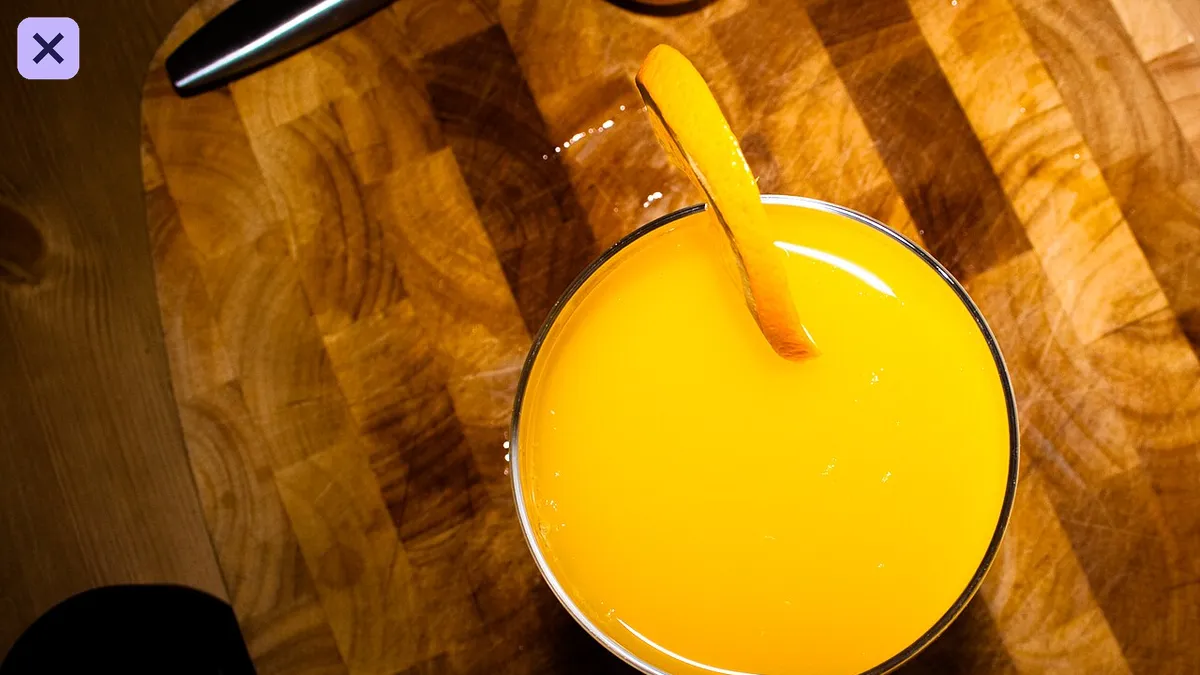
Why Fresh Juice Deserves a Spot in Your Fridge in 2026
Fresh juice deserves a spot in your fridge in 2026 because it is one of the simplest ways to get more fruit into an ordinary day. A glass of fresh juice is not a meal, it is not a detox, and it is not a replacement for eating whole fruit, but it is a genuinely useful habit: a small glass with breakfast, a bottle kept cold for the afternoon, a homemade blend that uses up fruit before it goes soft. The difference between a juice worth buying and one worth leaving on the shelf comes down to a few details on the label: what 100 percent juice really means, how nectar and concentrate differ, cold-pressed versus pasteurised, sugar, and serving sizes.
Juice is the liquid pressed or squeezed from fruit, and sometimes from vegetables, with the pulp and most of the fibre removed. That is the whole definition, and it is also where the confusion starts, because the bottle in your hand may contain pure pressed fruit, fruit mixed with water and sugar, or fruit that was concentrated, shipped, and watered down again. All three are sold as juice, and they are not the same drink.
Key Takeaways
- Buy juice labelled 100 percent juice: it contains only the juice of the named fruit, with no added sugar, water, or flavourings.
- Nectar and juice drinks are not the same as juice: they are diluted and sweetened, and can contain as little as 25 percent real juice.
- Cold-pressed juice tastes fresher, but it costs more and goes off faster than pasteurised juice.
- A sensible serving is a small glass of 150 millilitres: juice is concentrated fruit sugar, so a pint glass is too much even when the juice is pure.
- Keep opened juice in the fridge, drink it within three to five days, and always shake the bottle before pouring, because natural juice separates.
What Counts as Juice
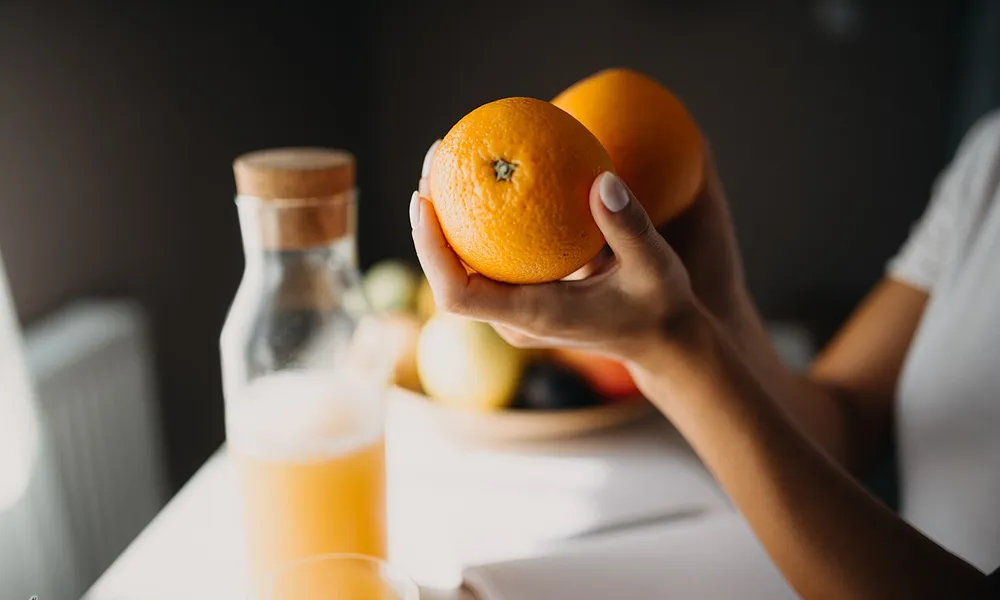
Real juice is fruit, pressed. An orange is squeezed, the liquid is collected, and what you drink is that liquid, with nothing added and nothing taken away except the pulp. The same applies to apple, grape, and pomegranate juice: press the fruit, collect the liquid, bottle it. That simplicity is the standard against which every other bottle should be judged.
The trouble is that the word juice appears on bottles that contain very little of it. A juice drink might be mostly water and sugar with a splash of fruit juice for flavour. A nectar is fruit pulp diluted with water and sweetened, which suits thick fruits like mango and apricot that cannot be pressed into a thin juice. The ingredients list tells you which one you are holding: if the first ingredient is water or sugar, you are not holding pure juice.
100 Percent Juice vs Nectar vs Concentrate
Three terms cover most of what you will find in the chilled aisle, and they describe three different drinks. The table below sets out the difference at a glance.
| Type | What is in the bottle | Sugar | Taste | Best for |
|---|---|---|---|---|
| 100 percent juice | Only the juice of the named fruit | Only the fruit’s own sugars | Bright, sharp, clearly fruity | Everyday drinking |
| Nectar | Fruit pulp or puree with water and sweetener | Added sugar or sweetener | Thick, smooth, sweet | Mango, apricot, peach |
| From concentrate | Juice concentrated by removing water, then reconstituted | Only the fruit’s own sugars | Slightly flatter, less bright | Everyday drinking and cooking |
| Juice drink | Some juice, mostly water, sugar, and flavourings | Added sugar | Sweet, faintly fruity | An occasional sweet drink |
Juice from concentrate is still 100 percent juice, and it deserves a fair hearing. To make it, the juice is heated gently to evaporate most of the water, which makes it cheap to ship and store, and then water is added back at the bottling plant. The process dulls the flavour a little, but the sugar and the nutrients are the fruit’s own, and no sugar is added. It is the sensible everyday choice: cheaper than fresh-pressed juice, available all year, and perfectly good at breakfast. Fresh-pressed juice tastes brighter, but for daily drinking, a good from-concentrate orange or apple juice is a reasonable compromise.
Nectar sits in the middle. A mango nectar is mostly mango puree, water, and a little sugar, and it tastes rich and thick in a way pure juice never could, because a mango cannot be squeezed into a thin liquid. The problem is when nectar is used for fruits that press perfectly well, like orange or apple, because then the water and sugar dilute something that did not need diluting. Check the juice content on the label: anything under 50 percent is more sweetened water than fruit.
Cold-Pressed vs Pasteurised
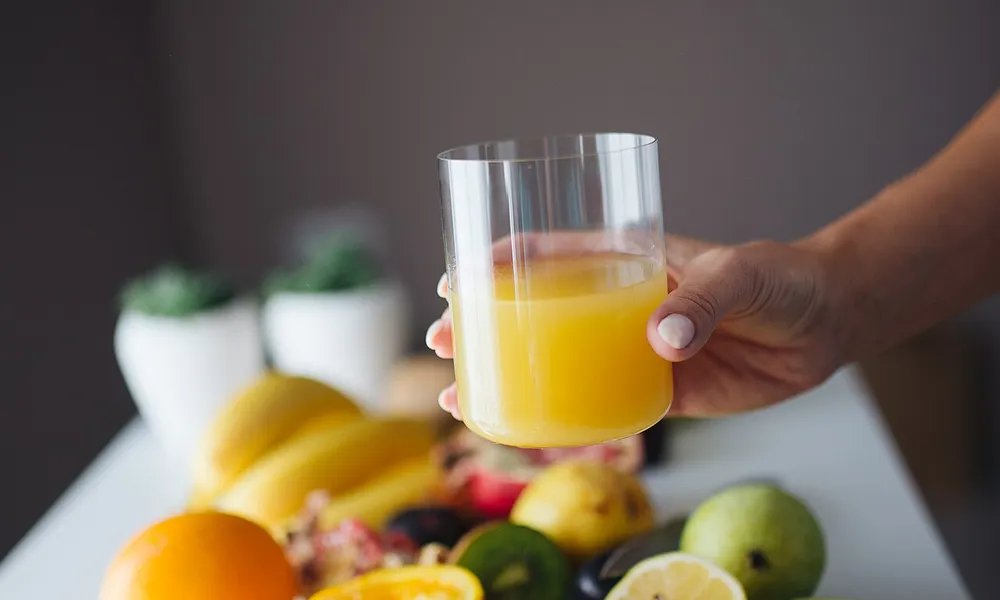
Cold-pressed juice is made by crushing fruit and pressing it slowly under high pressure, without heat. On flavour, the makers have a point: cold-pressed orange juice tastes noticeably closer to a freshly squeezed orange than any pasteurised carton does. The downside is price and shelf life: it costs two to three times as much as ordinary juice, must be kept refrigerated, and goes off within a few days.
Pasteurised juice is heated briefly to kill bacteria and yeasts, which makes it safe to keep for weeks or months unopened. The heating changes the flavour slightly and can reduce vitamin C, but the juice is still nutritious, still made from fruit, and far cheaper. For most households, pasteurised juice is the practical choice: it waits in the cupboard until you need it and costs a fraction of the cold-pressed price. Cold-pressed juice is a treat worth buying for a weekend brunch, but it is not a sensible daily buy for most people.
The Sugar Question
Juice is sweet because fruit is sweet, and that is the part most people get wrong about it. A glass of pure orange juice contains about 20 grams of natural sugar, roughly the same as a glass of a soft drink. The difference is that juice also brings vitamin C, potassium, and other plant compounds, while a soft drink brings nothing. That makes juice the better drink, but it does not make it a free one.
The practical answer is portion size, not avoidance. A small glass of 150 millilitres gives you the flavour and the vitamins of two or three oranges without the sugar load of a pint glass. Drink it with food rather than on an empty stomach, because the fibre and protein in a meal slow down how fast the sugar reaches your bloodstream. Dilute it if you like: half juice and half sparkling water makes a refreshing long drink with half the sugar. And remember that eating the whole fruit is always better than drinking its juice, because the whole fruit keeps its fibre. Juice is a supplement to fruit, not a substitute for it.
How Much Juice, and When
A small glass a day is a sensible habit for most adults: 150 millilitres with breakfast, or as part of a meal, is enough to enjoy the flavour and the vitamins without overdoing the sugar. Two small glasses are still reasonable, but a large glass or a litre bottle through the day is too much, however pure the juice is. For children, a small glass of 100 to 150 millilitres, diluted with water, is plenty, and juice should never replace water as the main drink of the day.
Timing matters a little. Juice with breakfast is the classic slot, and it works because the meal around it slows the sugar down. Juice late at night is the least good idea, because the sugar and the acidity can disturb sleep and sit on your teeth overnight. Drink juice with a meal, do not sip it slowly over hours, and rinse with water afterwards, because the acid in citrus juice softens tooth enamel.
Choosing a Bottle in the Shop
The chilled aisle is full of bottles that look alike, so use this checklist before you buy.
- Look for 100 percent juice on the front label, and check the ingredients list backs it up.
- Check the juice content on nectars and juice drinks: under 50 percent is mostly sweetened water.
- Prefer short ingredient lists: juice, and perhaps a little ascorbic acid, which is vitamin C added to protect the colour.
- Choose cloudy juice over clear for apple and orange, because it keeps more of the fruit’s natural compounds.
- Check the use-by date and pick the freshest bottle, especially for cold-pressed juice.
- Buy the size you will finish in a few days, as opened juice goes off quickly.
Storing Juice Properly
Opened juice goes off faster than most people expect, because it is a perfect home for yeasts and bacteria once air gets in. Keep every opened bottle in the fridge, with the cap on tight, and drink it within three to five days for fresh-pressed and cold-pressed juice, and within five to seven days for pasteurised juice. Unopened pasteurised juice keeps for months in a cupboard, so always check the date on the bottle rather than guessing.
Shake the bottle before pouring, because natural juice separates as it sits: the pulp sinks and the clear liquid rises. Separation is a sign of real juice, not a fault. If the juice smells sharp or sour, tastes fizzy when it should not, or the bottle is swollen, throw it away: those are signs of fermentation. For a lighter, fruit-free alternative in the same fridge, our guide to the best iced teas for summer sipping covers a drink that keeps longer and costs less per glass.
Frequently Asked Questions
Is fresh juice healthy?
Fresh juice is nutritious in small amounts: it provides vitamin C, potassium, and other plant compounds from real fruit. But it is also concentrated fruit sugar with almost no fibre, so a small glass of 150 millilitres is a sensible serving, and eating whole fruit is always better.
Is juice from concentrate as good as fresh-pressed juice?
It is still 100 percent juice with no added sugar, and a perfectly good everyday choice. Fresh-pressed juice tastes brighter, but from-concentrate juice is cheaper, keeps longer, and is available all year round.
What is the difference between juice and a smoothie?
Juice is the liquid pressed from fruit with the pulp and fibre removed. A smoothie blends the whole fruit, so it keeps all the fibre and is thicker and more filling. They are different drinks, and our guide to the best smoothies of 2026 covers the blended side in full.
How long does fresh juice last in the fridge?
Fresh-pressed and cold-pressed juice last three to five days once opened, and pasteurised juice lasts five to seven days. Keep the bottle sealed and refrigerated, and throw it away if it smells sour or tastes fizzy.
Is nectar a healthy drink?
Nectar is a legitimate drink for thick fruits like mango and apricot that cannot be pressed, but it is diluted and sweetened, so it contains more sugar and less fruit than pure juice. Treat it as a sweet drink rather than a daily habit.
Can I drink juice every day?
Yes, a small glass of 150 millilitres a day is reasonable for most adults, ideally with a meal. Diluting it with sparkling water lets you enjoy it more often with less sugar, and water should always be your main drink.
Bottom Line
Fresh juice deserves a spot in your fridge when it is 100 percent juice, poured in a small glass, and drunk with a meal. Choose not-from-concentrate juice for the best everyday flavour, cold-pressed when you want a treat, and from concentrate when you want value. Keep the bottle sealed in the fridge and finish it within a few days. And if you fancy something sharp and citrusy instead, our guide to the best lemonade of 2026 covers a drink that is just as refreshing and easier to make at home.


