
What Is the Best Remoulade for Po’ Boys and Seafood in 2026?
The best remoulade for po’ boys and seafood in 2026 does its job without stealing the show: creamy enough to hold a fried shrimp po’ boy together, tangy enough to cut through the fry, and seasoned enough that you taste herbs and heat rather than plain mayonnaise. Remoulade is the sauce that makes a po’ boy taste like New Orleans, and the difference between a great one and a forgettable one is balance.
Key takeaways
- The best remoulade balances a creamy base, tang, heat and herbs, with no single note shouting over the rest.
- Louisiana-style remoulade suits po’ boys and fried seafood, while French-style remoulade suits cold seafood and crab cakes.
- Read the label first: mayonnaise or oil, real mustard and lemon should come before sugar, water and a long list of thickeners.
- About two tablespoons per po’ boy half is enough; more sauce makes the bread soggy and drowns the filling.
- Keep an opened jar in the fridge and use it within two to four weeks; a homemade batch keeps for five to seven days.
How the best remoulades were chosen
Every style below was judged on five measures. Flavour balance comes first: creaminess, tang, heat and herbs in proportion, so the sauce tastes layered rather than one-note. Texture is second: thick enough to spread and cling to fried seafood, not runny and not stiff. Heat is third, since the right amount wakes the sauce up while too much buries it. The label is fourth: a short list beats a long one full of sugar and stabilisers. Versatility is fifth: the best remoulades work across po’ boys, fried shrimp, crab cakes and cold seafood.
One note before the list. The same good patterns appear in many jars and many home recipes, and what matters is learning to recognise them. Our guides to tartar sauce and mayonnaise cover the two sauces remoulade is most often confused with: tartar is milder and pickle-led, mayonnaise is the plain base, and remoulade is the seasoned, spiced version built on top of it.
Comparison table: the best remoulades for po’ boys and seafood 2026
| Rank | Remoulade style | Best for | Watch out for |
|---|---|---|---|
| 1 | Classic Louisiana remoulade | Po’ boys, fried shrimp | Heat varies a lot between makers |
| 2 | French-style remoulade | Cold seafood, crab cakes | Less heat, more mustard and herbs |
| 3 | Spicy remoulade | Fried oysters, bold eaters | Heat can hide a thin base |
| 4 | Low-fat remoulade | Everyday use, lighter meals | Thinner, often sweeter |
| 5 | Horseradish remoulade | Roast beef po’ boys | Sharp, use sparingly |
| 6 | Jarred remoulade | Convenience, first try | Check the sugar and the date |
| 7 | Homemade remoulade | Full control, fresh flavour | Keeps only five to seven days |
The best remoulades for po’ boys and seafood
1. Classic Louisiana remoulade: the best all-round sauce
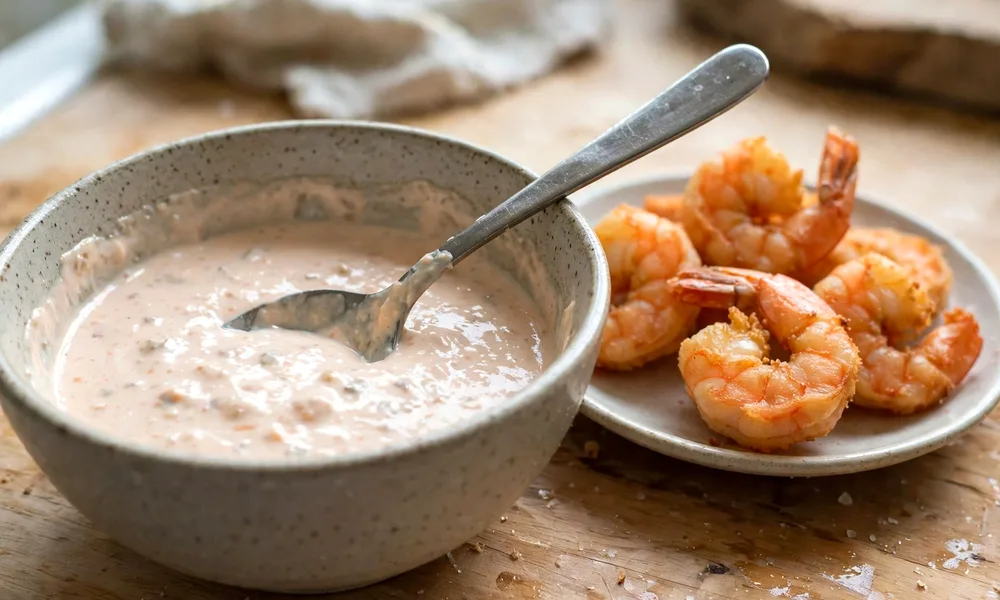
The classic Louisiana remoulade is the one to buy or make first, because it is the standard the rest are judged against. It starts with mayonnaise, adds Creole mustard, lemon juice, paprika, hot sauce, garlic and chopped green onion, and finishes with a little horseradish for depth. It is creamy, pinkish-orange, tangy and warm rather than hot, and it tastes like the sauce a New Orleans po’ boy shop would spread on the bread before the shrimp go in. The paprika gives it colour and gentle smokiness, the mustard gives it bite, and the lemon keeps it bright. On a fried shrimp po’ boy it moistens the bread, cools the fry, and adds flavour plain mayonnaise never could. Check the heat before you commit to a jar, because Louisiana remoulade varies more than any other style: one maker’s gentle warmth is another maker’s real burn.
2. French-style remoulade: the best for cold seafood
French-style remoulade is the older, quieter cousin of the Louisiana version, and it suits cold seafood best. It is built on mayonnaise too, but the seasoning is different: Dijon mustard instead of Creole, capers and chopped cornichons instead of hot sauce, and parsley, chervil and tarragon instead of paprika. The result is pale, herby and sharp, with a briny edge that suits chilled shrimp, crab cakes and a seafood platter far better than heat does. The trap is buying a French-style jar expecting Louisiana heat and finding it mild: that is not a fault, it is the style.
3. Spicy remoulade: the best for fried oysters
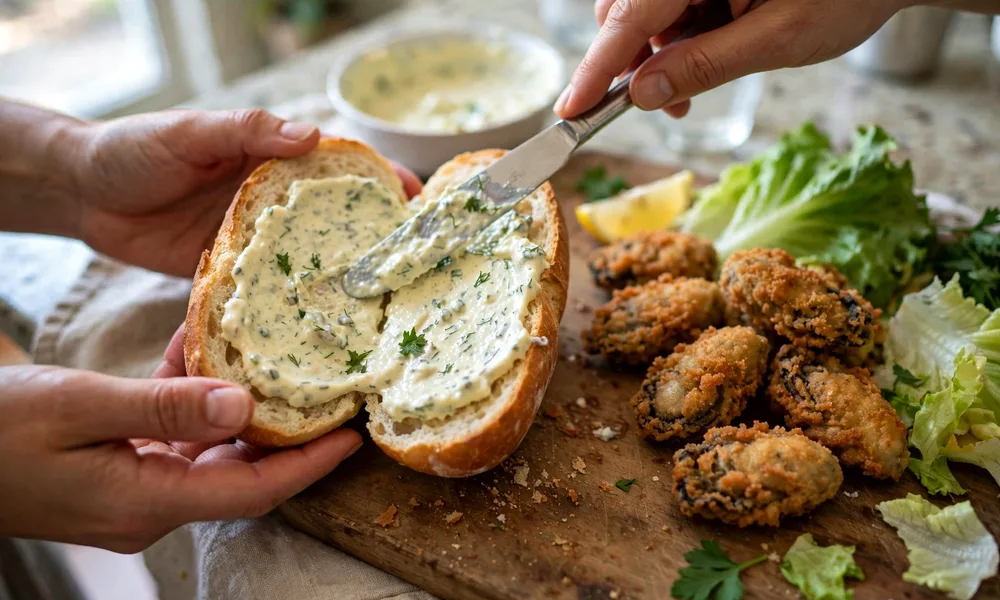
Spicy remoulade is the classic Louisiana style with the heat turned up, and it earns its place on fried oysters and rich po’ boys. The extra heat usually comes from cayenne, extra hot sauce or chipotle, and a good spicy remoulade keeps the balance: you feel the warmth after the creaminess, not instead of it. The warning is the same as with any hot sauce: a maker can hide a thin, bland mayonnaise base behind enough chilli that you never notice, so taste the sauce on its own before you buy a second jar. The best spicy remoulades start with a good classic base and add heat on top; the worst start with a cheap base and use heat as a disguise. If you like heat but your guests do not, serve the spicy version on the side.
4. Low-fat remoulade: the best for everyday use
Low-fat remoulade suits anyone who eats po’ boys or fried seafood often, and the best ones are genuinely good. They are usually built on light mayonnaise or a blend of mayonnaise and yoghurt, with the same mustard, lemon and paprika as the classic. The compromise is texture and sweetness: light versions are thinner, and some makers add sugar to make up for the missing richness, which makes the sauce taste sweet in a way remoulade should not. Check the label for sugar per serving and compare it with the classic version of the same brand. A good low-fat remoulade lists the same seasonings first and keeps the sugar low; a bad one reads like a sweet dressing. For a weeknight sandwich it is a sensible buy, but for a special po’ boy, the full-fat classic is worth it.
5. Horseradish remoulade: the best for roast beef po’ boys
Horseradish remoulade is the odd one out, and it exists above all for the roast beef po’ boy. Where the classic version leans on paprika and hot sauce, this one leans on prepared horseradish, which gives it a sharp, nose-clearing heat that cuts through rich roast beef and gravy in a way chilli heat does not. It is also good with cold roast beef, smoked fish and a fried fish sandwich, but a little goes a long way. Spread it thinner than you would the classic, because horseradish builds quickly and it is hard to take back. The trap is a jar that is mostly horseradish and little else: the best versions keep the mayonnaise, mustard and lemon underneath, so the sauce still tastes like remoulade. Buy a small jar first if you have never tried it.
6. Jarred remoulade: the best convenience buy
A jarred remoulade is the practical choice for most people, provided you choose the jar carefully. The best jars list mayonnaise or oil first, then mustard, lemon, paprika and herbs, with sugar near the end or absent, and keep for months unopened. Once opened, they belong in the fridge and should be used within two to four weeks. Check the date before you buy, because a jar that has sat on the shelf for a year will taste flat even before it is opened. Price is a poor guide: the dearest jar is not always the best, and a modest jar with a short, honest label often beats a premium one padded with stabilisers. Taste the jar on a cracker before you spread it on a po’ boy, so you know whether it needs lemon or hot sauce to wake it up.
7. Homemade remoulade: the best flavour, for a little effort
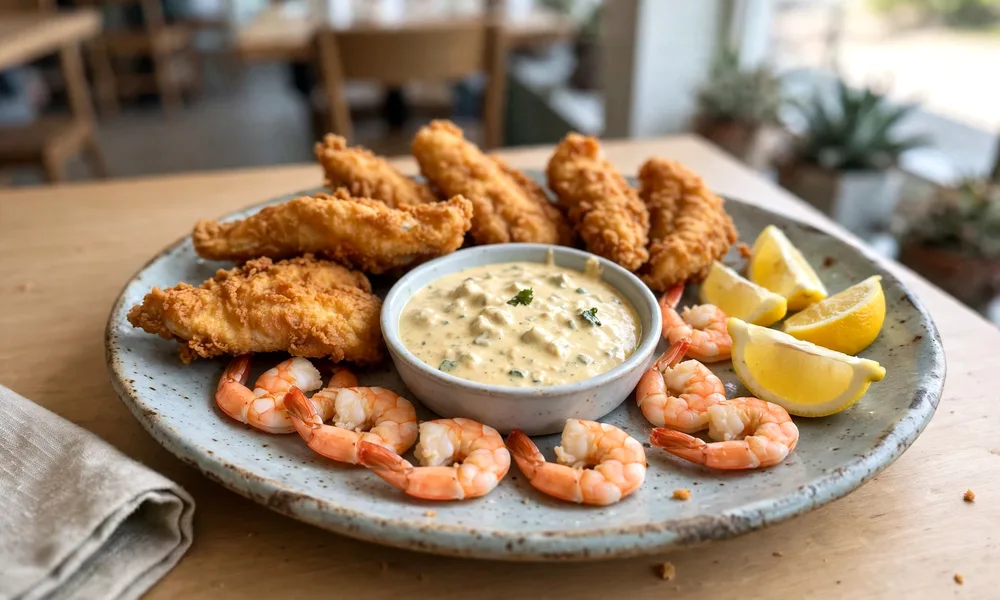
Homemade remoulade takes about ten minutes and a bowl, and it is the best version you will taste. Start with good mayonnaise, stir in Creole or Dijon mustard, lemon juice, paprika, hot sauce, minced garlic, chopped green onion and parsley, and a little horseradish if you like it. Taste, adjust, and let it sit in the fridge for an hour. You can make it exactly as hot, as tangy and as herby as you like, and leave out the sugar and stabilisers jars need. The downside is shelf life: a homemade batch keeps for five to seven days in a sealed jar in the fridge, and should be thrown away rather than stretched, because it contains fresh garlic and herbs and no preservatives. Make a small batch and use it within the week.
What to avoid when buying remoulade
The most common remoulade regret is not a bad sauce but a wrong match: a French-style jar on a po’ boy that needed Louisiana heat, a spicy jar served to guests who cannot take heat, or a sweet low-fat jar on fried oysters where it tastes like dressing. Avoid the trap by checking three things before you buy: the style on the label, not just the word remoulade; the sugar content, because a sweet remoulade suits almost nothing; and the date, because an old jar tastes flat. Our guide to salad dressings makes the same point about sugar and short labels, because the traps are the same everywhere. A second mistake is using too much. Remoulade is a spread, not a flood: two tablespoons per po’ boy half, a spoonful beside fried seafood, and the bread stays crisp and the filling stays the star.
Checklist: choosing a remoulade
- Pick Louisiana-style for po’ boys and fried seafood, French-style for cold seafood and crab cakes.
- Read the label: mayonnaise or oil first, real mustard and lemon before sugar and thickeners.
- Taste a spoonful on its own before spreading it, so you know the heat and the salt.
- Use about two tablespoons per po’ boy half, and serve extra on the side rather than in the sandwich.
- Keep an opened jar in the fridge and use it within two to four weeks; homemade keeps five to seven days.
- Make your own when you want full control of heat, tang and herbs, and keep a jar for busy nights.
Frequently asked questions
What is remoulade sauce made of?
Remoulade is a mayonnaise-based sauce seasoned with mustard, lemon juice, paprika, garlic, herbs and hot sauce in the Louisiana style, or with capers, cornichons and herbs in the French style.
Is remoulade the same as tartar sauce?
No. Tartar sauce is milder and pickle-led, built for fried fish, while remoulade is more seasoned, with mustard, paprika and heat. They can swap in a pinch, but a po’ boy with tartar sauce tastes noticeably plainer.
Which remoulade is best for a shrimp po’ boy?
Classic Louisiana remoulade. Its paprika, Creole mustard and gentle heat suit fried shrimp, and its creaminess holds the sandwich together.
Can I use remoulade as a dip?
Yes. It is excellent as a dip for fried shrimp, fried oysters, crab cakes and chicken tenders, served in a small bowl beside the plate so the fried food stays crisp until dipped.
How long does remoulade last once opened?
A jarred remoulade keeps for two to four weeks in the fridge once opened, and a homemade batch for five to seven days in a sealed jar. Throw either away if it smells sharp or tastes sour beyond its normal tang.
Is remoulade spicy?
Louisiana remoulade is warm rather than hot, French remoulade is barely spicy at all, and spicy remoulade is genuinely hot, so taste a spoonful first.
Bottom line
The best remoulade for po’ boys and seafood in 2026 is the one that matches the dish: classic Louisiana for a shrimp po’ boy, French-style for cold seafood, spicy for fried oysters, and homemade when you want it exactly your way. Read the label, taste before you spread, and use two tablespoons rather than a flood.


