How to Choose a Tartar Sauce for Fish and Seafood in 2026
Choosing a tartar sauce for fish and seafood in 2026 comes down to one question: does it lift the fish, or does it bury it? A good tartar sauce is a cool, tangy spoonful that cuts through fried batter, brightens plain grilled fish and gives a prawn sandwich something to lean on. A bad one is a thick, sweet paste that tastes of nothing but sugar and stale oil. The best tartar sauces balance mayonnaise, pickle, caper and lemon so that no single flavour shouts, and they keep a texture with visible pieces rather than a smooth cream. This guide compares the best tartar sauces of 2026 by type, so you can match the sauce to the fish you actually cook.
Key takeaways
- Balance matters most: a good tartar sauce tastes tangy and fresh, with pickle and lemon leading and mayonnaise in the background.
- Visible pieces of pickle and caper are a sign of a real sauce; a perfectly smooth tartar sauce is usually built on flavourings.
- Classic tartar sauce suits fried fish, while lighter dill versions suit grilled fish and cold seafood.
- Refrigerate after opening and use a clean spoon every time; an open jar stays at its best for about four weeks.
- Homemade tartar sauce takes five minutes and beats most jars, but a good jar is better than a rushed homemade one.
How the best tartar sauces were chosen
Every type below was scored on five measures. Flavour balance comes first: the sauce should taste tangy, salty and fresh, with the pickle and lemon doing the work and the mayonnaise holding it together. Texture is second, judged on visible pieces of pickle and caper and a body that sits on the fish instead of sliding off. Ingredients are third, because a short list of recognisable foods beats a long list of flavourings and sweeteners. Versatility is fourth: a good sauce should work with fried fish, grilled fish and cold seafood. Value is fifth: the real cost per serving once you count the jars that sit half-finished in the fridge.
Two notes before the list. First, no single brand is named as the best, because the same good patterns appear across many makers, and what matters is learning to recognise them on the label. Second, tartar sauce is a supporting player, so this guide weighs balance and restraint more heavily than boldness. The ingredients that make it work are worth knowing, and our guides to the best pickles for crunch and brine and the best capers for bright, salty cooking explain what to look for in the two ingredients that do most of the work.

Comparison table: the best tartar sauces of 2026
| Rank | Sauce type | Best for | Watch out for |
|---|---|---|---|
| 1 | Classic tartar sauce | Fried fish, fish and chips | Over-sweet jars, smooth texture |
| 2 | Dill tartar sauce | Grilled fish, salmon, prawns | Herb flavour fades fast once open |
| 3 | Homemade tartar sauce | Best flavour, full control | Needs good mayonnaise, short life |
| 4 | Lemon tartar sauce | White fish, scallops, light dishes | Too sharp if lemon dominates |
| 5 | Spicy tartar sauce | Fish tacos, fried prawns, calamari | Heat can bury the fish |
| 6 | Low-fat tartar sauce | Lighter meals, everyday fish | Thin texture, more sweeteners |
| 7 | Vegan tartar sauce | Plant-based fish, mixed tables | Odd aftertaste in cheap jars |
The best tartar sauces of 2026
1. Classic tartar sauce: the best all-round sauce
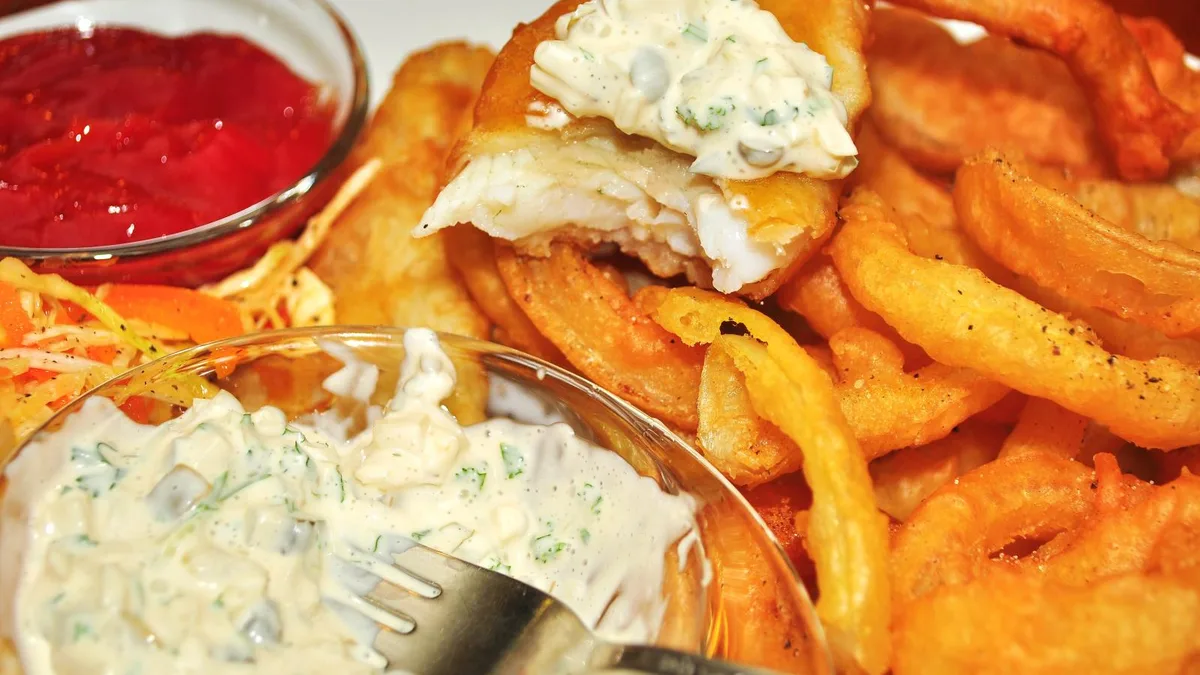
The classic tartar sauce is the one most people picture: mayonnaise mixed with chopped dill pickle, capers, a squeeze of lemon and a little onion, with the pieces still visible. It is the best all-round choice because it does the central job better than any other type. The pickle gives crunch and acidity, the capers give a salty, lemony lift, and the mayonnaise carries it all without turning the sauce into a bland cream. On fried fish it is at its best, cutting through the batter and the oil so the fish underneath still tastes of fish. Buy a jar with a short ingredient list, and check that pickle and caper appear before any flavouring. A classic sauce should taste tangy first and creamy second, never sweet.
2. Dill tartar sauce: the best for grilled fish
Dill tartar sauce adds fresh dill to the classic mix, and it is the best choice for grilled fish and cold seafood. The herb gives a clean, green note that suits salmon, sea bass and prawns, where a heavy classic sauce can feel too rich. It works especially well on a fish sandwich and on a platter of cold prawns, where a spoonful is all the seasoning the prawns need. The weakness is freshness: the dill flavour fades within a week or two of opening, even in the fridge, so buy small jars and finish them quickly. A good dill sauce smells of fresh herbs the moment the lid comes off.

3. Homemade tartar sauce: the best flavour
Homemade tartar sauce is the best-tasting you can eat, and it takes about five minutes to make. Start with a good mayonnaise, then stir in finely chopped dill pickle, a spoonful of capers, lemon juice, a little finely chopped shallot and a pinch of black pepper. Taste it, then adjust: more lemon if it tastes flat, more pickle if it tastes bland, a little more caper if it needs salt. The advantage is control: you decide how chunky it is and how sharp it is, and the result tastes fresh in a way no jar can match. The trade-off is the shelf life: homemade sauce keeps for three or four days in the fridge, and no longer.
4. Lemon tartar sauce: the best for light dishes
Lemon tartar sauce leans harder on lemon than the classic, with extra zest and juice, and it is the best choice for light dishes where the fish itself is delicate. White fish such as cod and haddock, scallops and sole all benefit from a sauce that brightens rather than coats. The zest matters as much as the juice: it gives a fragrant note that juice alone cannot provide. The risk is sharpness. A sauce with too much lemon and too little mayonnaise tastes sour and thin. The balance to look for is lemon you can taste clearly, sitting on top of a creamy base.
5. Spicy tartar sauce: the best for fish tacos
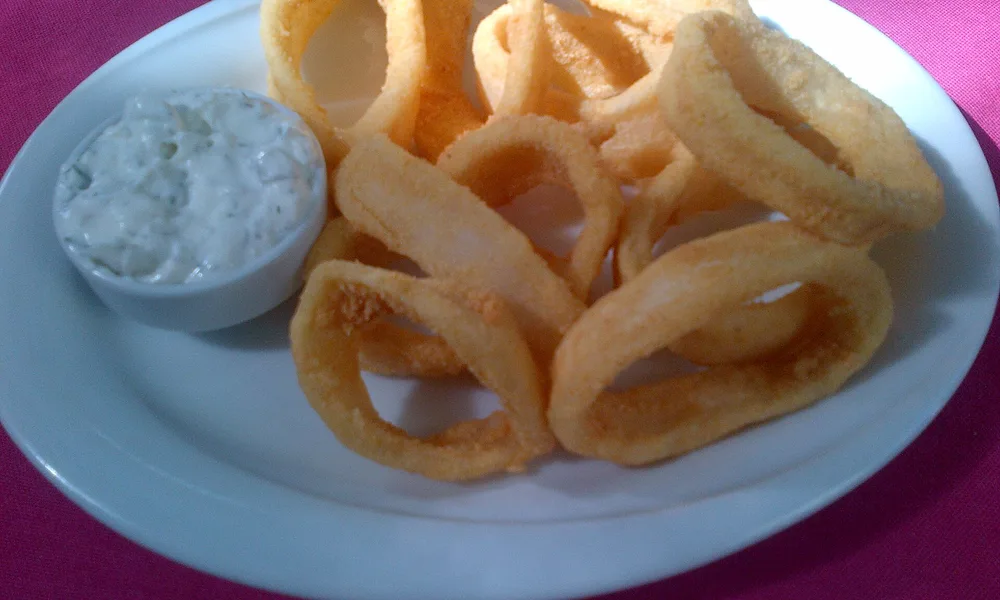
Spicy tartar sauce adds chilli, hot sauce or chopped jalapeño to the classic mix, and it is the best choice for fish tacos, fried prawns and calamari. The heat wakes up fried food in a way plain tartar sauce cannot, and it suits the bold flavours of a taco: lime, cabbage and a crisp batter. The risk is that the heat buries the fish. A spicy sauce should still taste of pickle and lemon underneath the chilli. Look for a jar where chilli appears near the end of the ingredient list, not at the start, and taste a little on its own before you serve it.
6. Low-fat tartar sauce: the best lighter option
Low-fat tartar sauce is made with a lighter mayonnaise base, and it is the best choice for everyday fish when you want the sauce without the richness. It works well on grilled fish and fish fingers, where a full-fat sauce can feel heavy. The compromise is texture and sweetness. Low-fat sauces are thinner, so they slide off the fish more easily, and makers often add sugar or sweeteners to make up for the missing fat. Read the label: if sugar appears in the first three ingredients, the jar will taste sweet. The best low-fat sauces keep the pickle and caper prominent, so the flavour carries the sauce even though the body is lighter.
7. Vegan tartar sauce: the best plant-based option
Vegan tartar sauce uses an egg-free mayonnaise base, and it is the best choice for plant-based fish and for mixed tables where some guests do not eat egg. The good ones taste almost identical to a classic sauce, because the pickle, caper and lemon do most of the flavouring and the base is only there to carry them. The risk is the aftertaste: cheap vegan bases can taste beany or oddly sweet, and a sauce built on one of them will taste wrong no matter how good the pickle is. Taste before you buy in bulk, and choose a jar whose list starts with recognisable foods rather than modified starches and flavourings.
What to avoid when choosing tartar sauce
The most common tartar sauce mistake is buying a jar that is mostly sweetened mayonnaise, and the signs are on the label. If sugar, glucose syrup or corn syrup appears in the first three ingredients, the sauce will taste sweet, and no amount of pickle will fix it. A good jar lists mayonnaise, pickle, caper and lemon first, with sugar far down the list or absent. The second mistake is buying a sauce that is perfectly smooth: real tartar sauce has visible pieces of pickle and caper, and a jar with no texture has been built on flavourings. The third mistake is keeping an open jar too long. Tartar sauce stays at its best for about four weeks after opening; after that the flavour flattens. Use a clean spoon every time, keep the jar sealed in the fridge, and throw it away when it smells flat. The base of every tartar sauce is mayonnaise, and our guide to the best mayonnaise jars of 2026 explains what separates a good mayonnaise from a bland one.
Checklist: choosing tartar sauce
- Read the label and check that pickle and caper appear before any sugar, flavouring or thickener.
- Look through the glass for visible pieces of pickle and caper; a perfectly smooth sauce is a warning sign.
- Match the sauce to the fish: classic for fried, dill for grilled, lemon for delicate white fish, spicy for tacos.
- Buy a small jar if you eat tartar sauce once a month, because an open jar fades within four weeks.
- Taste a spoonful on its own before serving: it should taste tangy and fresh, never sweet or flat.
- Keep the jar sealed in the fridge and use a clean spoon every time, so the sauce stays fresh to the last serving.
Frequently asked questions
How long does tartar sauce last after opening?
An opened jar lasts about four weeks in the fridge, sealed and kept cold. Homemade sauce lasts only three to four days. Throw either away if it smells flat, tastes dull or looks thin and separated.
What is the difference between tartar sauce and mayonnaise?
Tartar sauce is mayonnaise with chopped pickle, capers, lemon and onion stirred in. Mayonnaise on its own is a plain emulsion of oil and egg, with no crunch or acidity.
Can you freeze tartar sauce?
Do not freeze tartar sauce. Freezing breaks the mayonnaise emulsion, so the sauce splits into oil and water when it thaws and never comes back together.
What fish goes best with tartar sauce?
Fried white fish such as cod and haddock is the classic match, because the sauce cuts through the batter. It also suits grilled salmon, prawns, scallops and calamari. Oily fish such as mackerel are better with lemon alone, because they do not need a creamy sauce.
Is tartar sauce gluten free?
Most tartar sauce is naturally gluten free, because it is made from mayonnaise, pickle, caper and lemon. Check the label, though, because some jars use wheat-based thickeners.
Can I make tartar sauce without capers?
Yes. Leave the capers out and add a little extra pickle and a squeeze more lemon. The sauce will be less salty, but still good. Chopped green olives are the closest substitute for the salty note.
Bottom line
The best tartar sauce in 2026 is a classic one with visible pickle and caper, a clear lemon tang and no sweetness: a jar with a short label for everyday fish, and a five-minute homemade batch when the fish deserves it.