Best Pickles for Crunch, Brine and Bold Flavour in 2026
The best pickles in 2026 are the ones that still crunch when you bite them. A great pickle snaps cleanly, tastes of more than just vinegar, and leaves your mouth wanting another one instead of reaching for water. The difference is rarely the price on the jar. It is the cucumber, the brine and the time the maker was willing to give it.
Key takeaways
- Crunch comes first: a good pickle snaps cleanly and never bends, and softness is the clearest sign of a bad jar.
- Dill, sweet and bread-and-butter are three different foods, not three versions of the same pickle — buy for the job, not the label.
- Read the brine, not the marketing: short ingredient lists with real dill, garlic and spices beat long lists of flavourings and colourings.
- Refrigerated pickles are usually crisper than shelf-stable ones, because they were never cooked in the jar.
- Keep pickles submerged in their brine, use a clean fork, and refrigerate after opening — an uncovered pickle goes soft fast.
What makes a pickle good
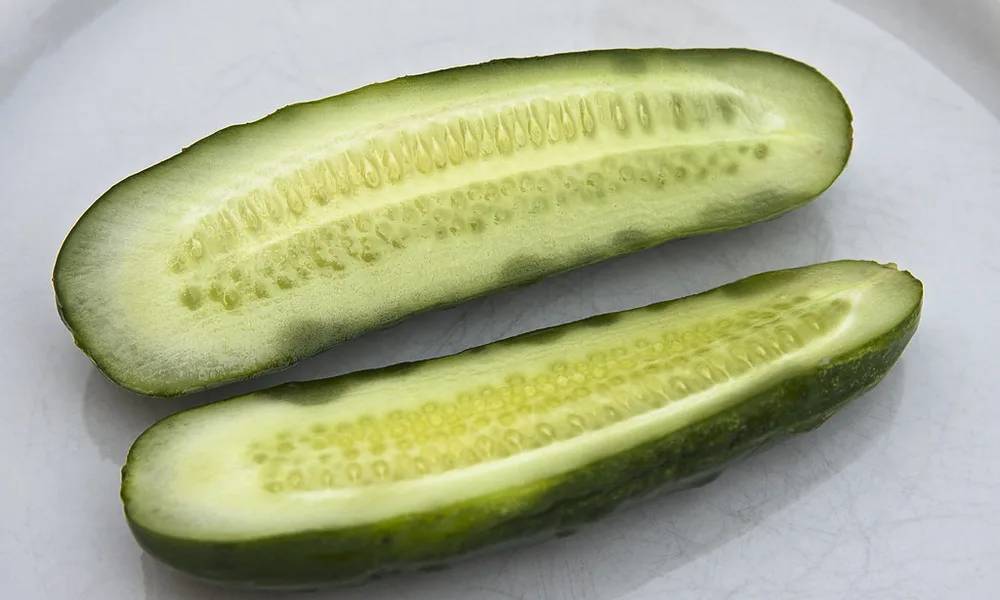
A good pickle starts with the right cucumber. Pickling cucumbers are short, firm and bumpy, with thick skins and small seed cavities, and they hold their shape in brine in a way that a salad cucumber never will. When a pickle is soft, the cucumber is almost always the reason, no matter how good the brine was. Look for jars where the spears look plump and tight rather than swollen and pale, and where the brine is clear enough to see through.
The brine is the second half of the story. A dill brine should taste of salt, vinegar and dill in that order, with garlic and spice in the background rather than shouting over everything. A sweet brine should taste sweet without tasting like syrup, and the sugar should sit alongside the vinegar instead of burying it. In both cases the vinegar matters: distilled vinegar gives a clean, sharp bite, while apple cider vinegar adds a rounder, fruitier note.
Dill, sweet and bread-and-butter compared
Dill pickles are the default for a reason. They are savoury, salty and herbal, with dill weed or dill seed doing most of the flavouring alongside garlic, mustard seed and peppercorns. A good dill spear is the most versatile pickle there is: it works in a sandwich, beside a burger, chopped into tartar sauce, or eaten straight from the jar while you are standing at the fridge.
Sweet pickles are a different food entirely, and judging them by dill standards is a mistake. They are made with sugar in the brine, sometimes with a little cinnamon or clove, and their job is to add a sweet-sour lift rather than a salty punch. Sweet gherkins are small, whole and firm, and they are at their best on a cheese board or chopped into a salad where their sweetness plays against something rich.
| Style | Flavour | Best for | Watch out for |
|---|---|---|---|
| Dill / kosher dill | Salty, herbal, garlicky | Sandwiches, burgers, eating straight | Over-salted jars; soft spears |
| Sweet gherkins | Sweet, mild, gently spiced | Cheese boards, salads, snacking | Syrupy brine; flabby texture |
| Bread-and-butter | Sweet-sour, oniony, warm | Sandwiches, burgers, barbecue | Too much sugar; turmeric staining |
Half-sours and fermented pickles
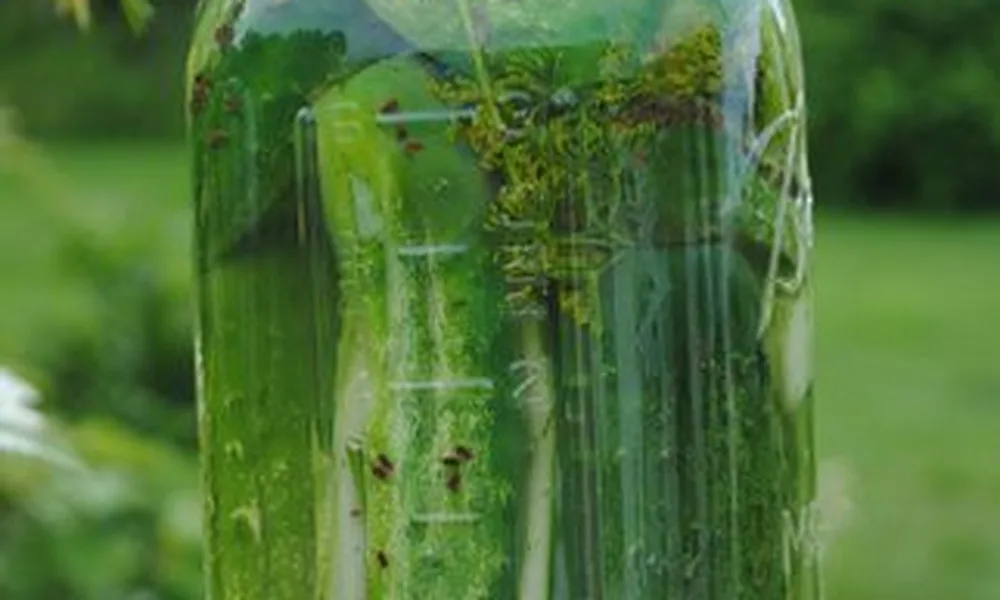
Half-sours are the freshest-tasting pickles you can buy, and also the most perishable. They spend only a few days in a salt brine, so they keep much of the cucumber’s fresh snap and green colour, with just enough tang to tell you they are pickled at all. They live in the refrigerated section for a reason: they were never heated, and they keep fermenting slowly in the jar, which means they are at their best in the first week or two after you buy them.
How to read the jar before you buy
The ingredient list on a pickle jar is one of the most honest labels in the shop, because there is so little to hide behind. A good jar lists cucumbers, water, vinegar, salt, dill, garlic and a few spices, and then stops. A jar that lists calcium chloride is not necessarily a bad jar: it is a firming agent that helps pickles stay crisp, and it is widely used even in good pickles. But a jar that lists artificial colours, polysorbate, sodium benzoate and a paragraph of flavourings is telling you that the maker did not trust the cucumbers to do the work.
Check the date, but do not be ruled by it. Shelf-stable pickles last a long time, and a jar that is a few months from its date is usually fine, but a refrigerated pickle that is close to its date deserves more caution, because its flavour changes as it keeps fermenting. If you buy from a deli counter, ask when the batch was made, and buy only as much as you will eat in a week or two. A deli pickle that has been sitting in an open barrel for a month is a worse bet than a sealed jar from the same maker.
Pickles at the table
Pickles also belong on a cheese board, where they do the same job as cornichons and pickled onions: a sharp, salty bite between mouthfuls of cheese. Small sweet gherkins and cornichons are the best choice here, because they are one-bite sized and their sweetness plays well against aged cheddar and soft brie. Sliced pickles work on a board too, fanned out beside cured meats, and a few spears alongside a ploughman’s lunch are as traditional as it gets. If you are building a snack plate and want more ideas for the dips and spreads that sit beside the pickles, the guide to best salsas for every chip covers the same kind of sharp, fresh accompaniment from the sauce side of the shelf.
Do not throw the brine away. Pickle brine is a ready-made marinade for chicken, a splash of acidity for salad dressings, and a secret ingredient in potato salad and coleslaw. A little brine in a bloody mary or a dirty martini is a classic, and a spoonful whisked into a vinaigrette gives it a sharpness that plain vinegar cannot match. If you want to learn how that dressing side works, the guide to best vinaigrettes explains how acidity, oil and seasoning balance each other, and pickle brine follows the same rules. Just remember that brine is salty, so cut back on the salt elsewhere in the dish.
Spicy pickles and pickled vegetables
Spicy pickles are for people who want heat with their crunch. The good ones use real chillies, chilli flakes or hot sauce in the brine, so the heat builds slowly and the pickle flavour still comes through. The bad ones use chilli extract or artificial heat, which burns without flavour and leaves nothing behind but regret. Taste before you commit to a whole jar: a spicy pickle should still taste like a pickle first, with the heat as a second act rather than the whole show. They are at their best with fried chicken, eggs, tacos and anything else that can take a little fire.
Kimchi and sauerkraut are the fermented cousins of the pickle, and they belong in the same conversation even though they are not pickles themselves. Both are made by fermenting vegetables in salt, both are tangy and alive, and both pair with rich food in the same way a dill pickle does. If you like fermented pickles, you will probably like both, and the same rule applies: buy them refrigerated, eat them fresh, and keep them submerged in their own liquid. For heat lovers, the guide to hot sauces that bring the heat covers the chilli side of the same flavour family, and a few drops of a good hot sauce in a pickle brine is a fair way to make your own spicy jar at home.
Storing pickles so they stay crisp
An opened jar of pickles belongs in the fridge, always, even if the jar was shelf-stable when you bought it. The cold slows down the softening, keeps the flavour steady, and stops the brine from turning cloudy too quickly. The most important rule is to keep the pickles submerged: a pickle poking out of the brine dries out, goes soft, and can pick up off flavours. If the brine level drops, top it up with a little vinegar and water mixed with a pinch of salt, or simply eat the top pickles first and press the rest down with a clean spoon.
Pickle buying checklist
- Pick a style for the job: dill for sandwiches and burgers, bread-and-butter for sweetness, sweet gherkins for boards.
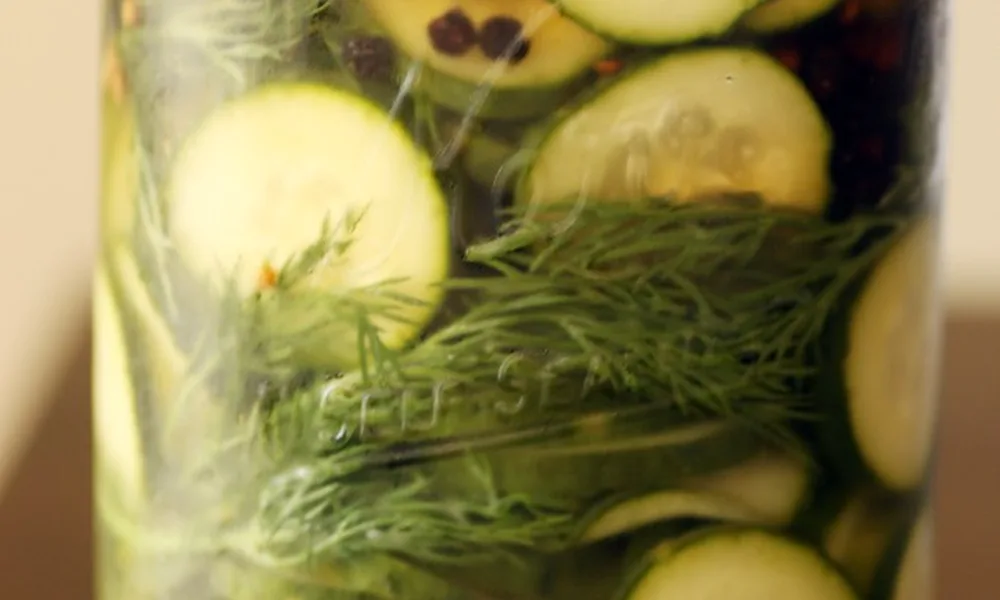
- Check the crunch through the glass: spears should look firm and full, not pale, grey or swollen.
- Read the ingredients: short lists with real dill, garlic and spices beat long lists of flavourings and colour.
- Prefer refrigerated jars for the crispest pickles, and eat half-sours within a week or two.
- Keep pickles submerged in brine after opening, use a clean fork, and refrigerate the jar.
- Finish opened refrigerated pickles within a few weeks, and throw out any jar that smells off or goes slimy.
Frequently asked questions
Are pickles healthy?
Pickles are low in calories and add flavour without fat, but they are high in salt, so they are best as a condiment rather than a main food. Fermented pickles also contain the same kind of live cultures found in other fermented foods. Eat them in modest amounts and they fit easily into a balanced diet.
Why are my pickles soft?
Soft pickles usually come from the wrong cucumber, overcooking, or a jar that has been open too long. Salad cucumbers go limp in brine, heat softens the flesh, and pickles left uncovered in the fridge dry out and lose their snap. Buy firm jars, keep them cold, and keep them submerged.
How long do pickles last after opening?
A shelf-stable jar lasts two to three months in the fridge once opened, while a refrigerated or fermented jar lasts a few weeks. The brine should stay clear and the pickles should smell sharp and clean. Throw the jar out if the brine goes slimy or the smell turns.
What is the difference between dill and kosher dill?
Kosher dill is a style of dill pickle made with plenty of garlic and no sweetening, traditionally in the style of Jewish delis in New York. Ordinary dill pickles may be milder and sometimes contain a little sugar. Both are savoury and herbal, but kosher dill is usually the more assertive of the two.
Can I drink pickle brine?
A small amount of pickle brine is safe for most people and is popular as a drink after exercise, because it contains salt and vinegar. It is very salty, though, so a few sips are enough, and people watching their salt intake should skip it. It is more useful as a marinade or a splash in dressings.
Are bread-and-butter pickles the same as sweet pickles?
They are related but not the same. Both are sweet, but bread-and-butter pickles are sliced cucumbers in a sweet-sour brine with onion, mustard seed and turmeric, while sweet pickles are usually whole small gherkins in a sweeter brine. Bread-and-butter pickles are best on sandwiches; sweet gherkins are best on a cheese board.
The bottom line
The best pickles are the ones that crunch, taste of more than vinegar, and suit the job you bought them for. Buy dill for sandwiches and burgers, bread-and-butter for a sweet-sour lift, sweet gherkins for a cheese board, and half-sours when you want the freshest snap of all. Read the label, look through the glass, keep the jar cold and the pickles submerged, and the next jar you open will be one you finish.