Vinaigrettes Worth Making Your Salads Around in 2026
A vinaigrette is the simplest dressing in the kitchen, just oil, acid and seasoning shaken or whisked together, yet a great vinaigrette in 2026 can be the reason a salad is worth eating at all. The best vinaigrettes are bright without being sour, rich without feeling greasy, and seasoned well enough that the leaves taste more like themselves, not less. They coat each leaf in a thin, glossy layer.
We have all eaten salads that were either drowned in dressing or barely touched by it. This guide explains what a vinaigrette actually is, how the classic ratio works, which oils and vinegars deserve your money, and how to build a whole family of vinaigrettes, from a sharp Dijon version to a sweet balsamic one, a bright citrus one and a nutty Asian-inspired one.
Key takeaways
- A vinaigrette is an emulsion of oil and acid, and the classic starting ratio is three parts oil to one part vinegar, adjusted to taste.
- Mustard is the easiest emulsifier: a teaspoon of Dijon helps oil and vinegar stay mixed instead of separating within seconds.
- Good oil and good vinegar matter most, because a vinaigrette has nowhere to hide a cheap one.
- Dress the salad at the last minute and use about two tablespoons per serving, so the leaves stay crisp.
- One basic vinaigrette can become a dozen dressings by swapping the acid, the oil or the herbs.
What a Vinaigrette Really Is
A vinaigrette is a temporary emulsion: tiny droplets of oil suspended in vinegar, held together for a few minutes by whisking, shaking or a spoonful of mustard. The word comes from the French vinaigre, meaning vinegar, and the classic French vinaigrette is nothing more than oil, vinegar, salt and pepper, whisked until it turns cloudy and thick. Left alone, it separates again within minutes, so always shake or whisk it just before use.
The flavour of a vinaigrette comes from contrast. The oil brings richness and body, smoothing the sharpness of the acid and carrying flavour across the leaves. The acid brings brightness and lift, cutting through richness and waking up the palate. Salt sharpens both, and a little sweetness, if used, rounds the edges without making the dressing taste sweet. Too much acid and the dressing stings; too much oil and it feels greasy.
The Classic Ratio, and How to Adjust It
The traditional starting point for a vinaigrette is three parts oil to one part vinegar, with a pinch of salt and a grind of pepper. That ratio works well with a mild vinegar and a good extra virgin olive oil, and it is the best place to begin if you have never made a vinaigrette before. Whisk the vinegar, salt, pepper and mustard together first, then add the oil in a slow stream while whisking, until the mixture turns cloudy and slightly thick.
But the ratio is a starting point, not a rule, because every vinegar has a different sharpness. A sharp red wine vinegar may need four parts oil to one part vinegar, while a gentle balsamic, which is naturally sweet, may be happy at two parts oil to one. Rice vinegar is mild and needs less oil, while a sharp white wine vinegar needs more. Taste as you go: dip a leaf in the dressing and adjust. More oil if it stings, more vinegar if it tastes flat, more salt if it tastes dull.
Best Vinaigrette Types Compared
There is no single best vinaigrette for every salad: a sharp Dijon suits sturdy greens, a sweet balsamic suits tomatoes, and a bright citrus suits fish and grain salads.
| Vinaigrette type | Flavour | Best for | Typical ratio |
|---|---|---|---|
| Classic Dijon | Sharp, tangy, savoury | Green salads, potatoes, beans | 3 parts oil to 1 part vinegar |
| Balsamic | Sweet, rich, mellow | Tomatoes, strawberries, grilled veg | 2 to 3 parts oil to 1 part balsamic |
| Citrus | Bright, zesty, fresh | Fish, avocado, grain salads | 3 parts oil to 1 part citrus juice |
| Red wine | Bold, sharp, winey | Sturdy greens, charcuterie | 3 to 4 parts oil to 1 part vinegar |
| Asian-inspired | Salty, nutty, gingery | Noodles, cabbage, slaws | 2 parts oil to 1 part rice vinegar |
| Herb | Fresh, green, aromatic | Spring salads, grilled chicken | 3 parts oil to 1 part vinegar |
The classic Dijon vinaigrette is the workhorse of the family, and the one to master first. A teaspoon of Dijon mustard does two jobs at once: it adds a sharp, savoury flavour, and it helps the oil and vinegar stay mixed far longer than they would on their own. The balsamic vinaigrette is the sweetest of the family, and the most forgiving for beginners. The quality of the balsamic matters enormously: a real balsamic with grape must as the first ingredient gives a rich, complex sweetness, while a cheap bottle that is mostly wine vinegar with caramel colour gives a harsh, one-note sharpness. Our guide to the best balsamic vinegar of 2026 explains how to tell the two apart before you spend your money.
Choosing the Oil and the Vinegar
The oil you choose changes the dressing as much as the vinegar does. A good extra virgin olive oil gives a vinaigrette its grassy, peppery character and is the classic choice for most salads, and our guide to the best olive oil of 2026 explains how to choose a bottle that tastes fresh and green rather than flat and stale. A neutral oil like sunflower or grapeseed lets the vinegar and herbs take the lead, which suits delicate salads where olive oil would dominate. A nut oil like walnut adds a warm, toasty note that suits bitter leaves and blue cheese, though nut oils go rancid quickly, so buy small bottles.
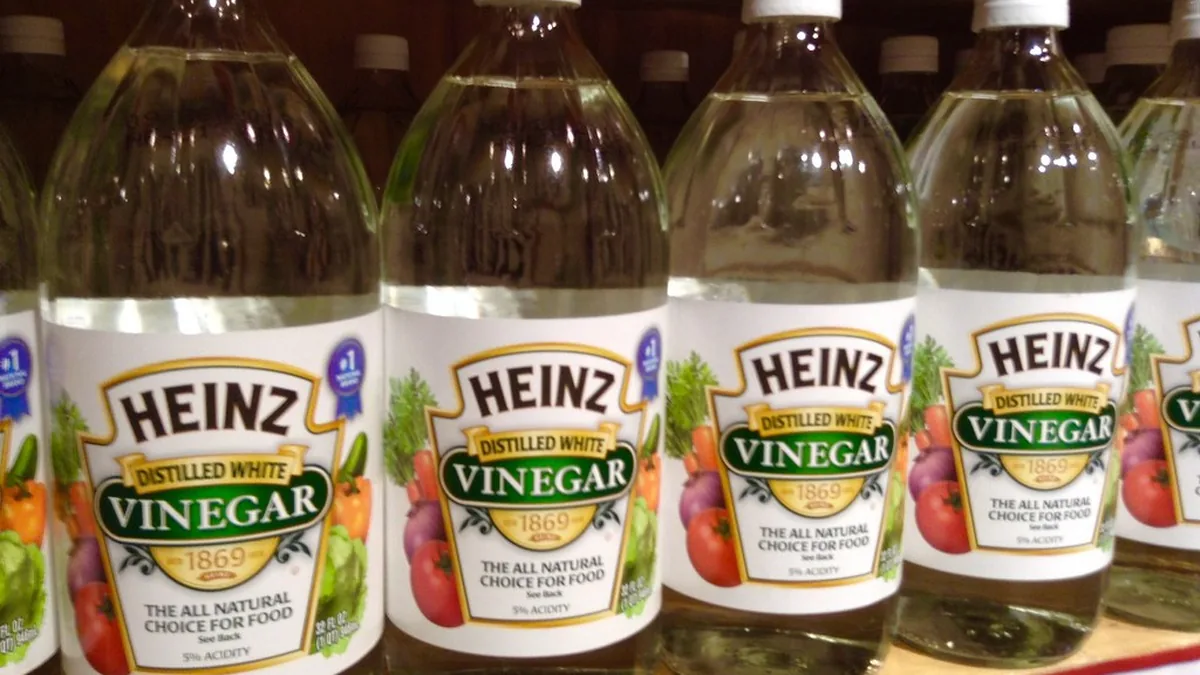
The vinegar is half the dressing, and choosing it well matters just as much. Red wine vinegar is bold and sharp, suiting sturdy greens and lentils. White wine vinegar is lighter, better for pale leaves and fish. Apple cider vinegar is fruity and mellow, with a gentle sharpness that works in everyday dressings and slaws, and our guide to the best apple cider vinegar of 2026 covers how to choose a raw, unfiltered bottle with the mother. Sherry vinegar is nutty and complex, wonderful with beans and roasted vegetables. Rice vinegar is the mildest of all, and the right choice for Asian-inspired dressings.
How to Make a Vinaigrette That Stays Mixed
The most common complaint about homemade vinaigrette is that it separates, and the fix is simpler than most people expect. The first step is mustard: a teaspoon of Dijon whisked into the vinegar before the oil goes in will hold the emulsion together far longer than whisking alone. The second step is adding the oil slowly, in a thin stream, while whisking constantly, rather than pouring it all in at once. The slow stream breaks the oil into tiny droplets that stay suspended.
A jar with a tight lid is the easiest tool of all. Put the vinegar, salt, pepper, mustard and any other seasonings in the jar, add the oil, screw the lid on tight, and shake hard for twenty seconds. The jar doubles as storage: keep it in the fridge and shake it again before each use. A vinaigrette made this way keeps for two to three weeks in the fridge. Leave the jar out for ten minutes before using it, because very cold oil pours unevenly.
How Much Vinaigrette, and When to Add It
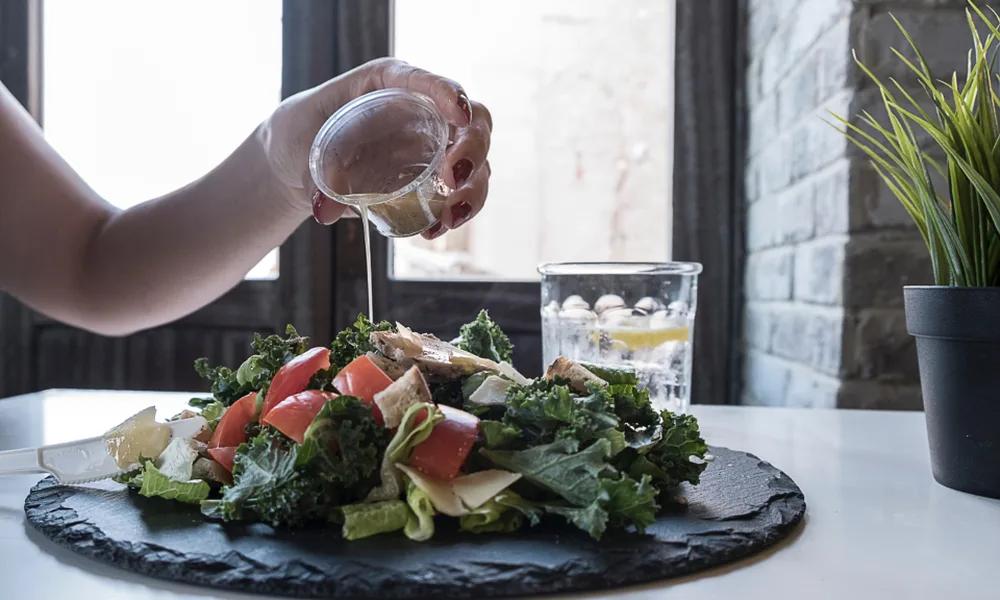
A vinaigrette is lighter than a creamy dressing, so it is easy to use too much of it without noticing. The right amount is about two tablespoons per generous serving, tossed thoroughly so every leaf carries a thin, glossy coating. A salad that swims in vinaigrette will wilt within minutes, because the acid and salt draw water out of the leaves and soften them. Start with less than you think you need, toss, and add more only if the salad still tastes undressed.
Timing matters as much as quantity: add it at the last minute. A salad dressed ten minutes before serving is noticeably less crisp than one dressed at the table, and a salad dressed an hour early is a wet, tired thing. The exception is sturdy salads made from grains, beans or potatoes, which improve after sitting in vinaigrette for half an hour. Delicate leaves need last-minute dressing; sturdy ingredients welcome an early one.
Vinaigrettes Beyond the Green Salad
A good vinaigrette earns its place in the fridge by working far beyond lettuce. It is the best dressing for grain salads, seasoning rice, quinoa and farro without making them heavy, and the classic dressing for French-style potato salad, where warm potatoes absorb it. It also marinates grilled vegetables and halloumi well, and a spoonful drizzled over roasted vegetables adds brightness at the end of cooking.
Checklist: Making a Great Vinaigrette
- Start with three parts oil to one part vinegar, then adjust by tasting a dressed leaf.
- Whisk a teaspoon of Dijon mustard into the vinegar first, so the dressing stays mixed.
- Add the oil slowly, whisking constantly until the dressing turns cloudy.
- Season boldly: a good pinch of salt and freshly ground pepper, dissolved in the vinegar.
- Use two tablespoons per serving and dress the salad at the last minute.
- Store homemade vinaigrette in a sealed jar in the fridge and shake it before each use.
Frequently Asked Questions
Why does my vinaigrette keep separating?
Because oil and vinegar do not naturally stay mixed. Whisking or shaking brings them together for a few minutes, and then they separate again. A teaspoon of Dijon mustard helps the emulsion last much longer.
How long does homemade vinaigrette last?
Two to three weeks in a sealed jar in the fridge. Because it contains no egg or dairy, it keeps far longer than a creamy dressing. Let the jar warm up for ten minutes and shake it hard before use, and discard it if it smells rancid.
What is the best oil for a vinaigrette?
A good extra virgin olive oil is the classic choice, and it suits most salads with its grassy, peppery flavour. A neutral oil like sunflower is better when you want the vinegar and herbs to take the lead, and a walnut oil adds a warm, toasty note.
Can I use lemon juice instead of vinegar?
Yes, and a citrus vinaigrette made with lemon juice is one of the best versions of all. Use the same three-to-one ratio, with fresh lemon juice instead of vinegar, and add a little zest for extra fragrance. Use the dressing within a week, because fresh juice fades faster than vinegar.
Is bottled vinaigrette as good as homemade?
Rarely, though some bottled vinaigrettes are genuinely good. The best bottles use real oil and vinegar with a short ingredient list, and they are convenient for busy weeks. The worst are mostly water, sugar and stabilisers, and they taste thin and sweet. Homemade takes three minutes and tastes noticeably fresher, so make your own most of the time.
How much sugar should a vinaigrette contain?
Ideally none, or just a tiny amount. A pinch of sugar or a drop of honey can round out a very sharp vinegar, but a vinaigrette should not taste sweet. Fix the ratio first, and add sweetener only as a final touch.

The Bottom Line
A great vinaigrette in 2026 is not complicated: it is three parts good oil to one part good vinegar, a teaspoon of Dijon mustard, a pinch of salt and a grind of pepper, whisked together and tasted before it meets the salad. Choose an oil and a vinegar you would enjoy on their own, because a vinaigrette has nowhere to hide a cheap one, and adjust the ratio to suit the vinegar you are using rather than following a recipe blindly. Use two tablespoons per serving, dress at the last minute, and do not drown the leaves.