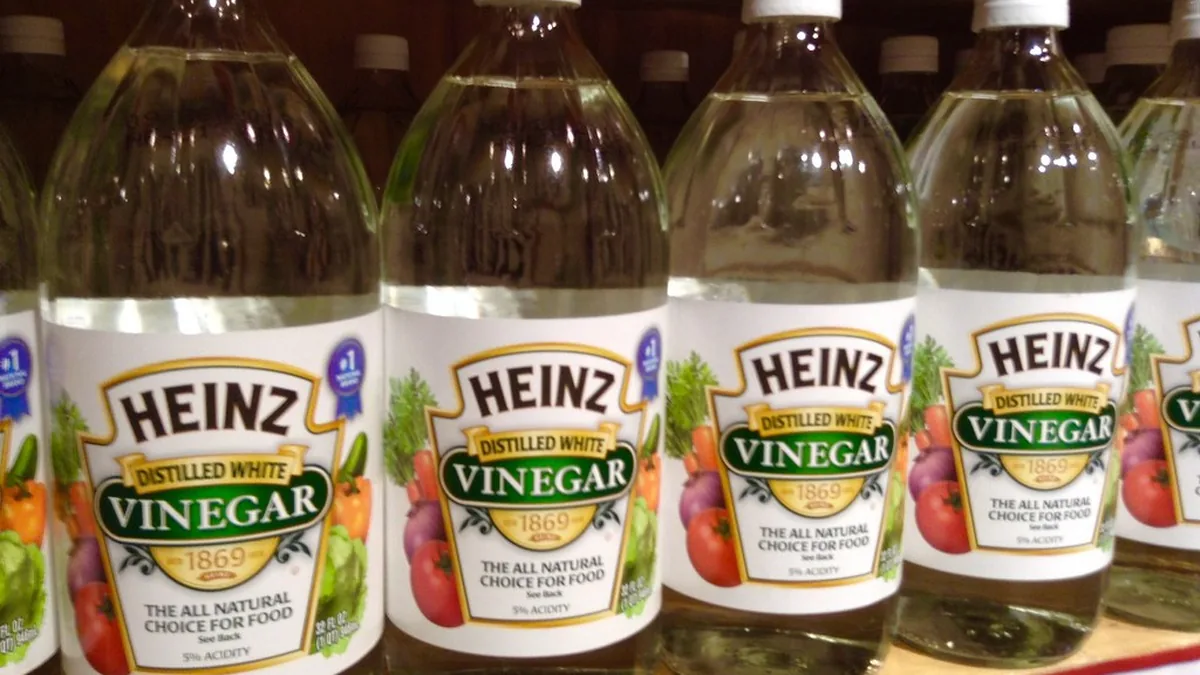
White vinegar is the most underrated bottle in the kitchen. Most people know it as a cleaner, but in cooking it is a workhorse: it makes pickles crisp and safe, lifts a salad dressing, gives cakes a better rise, and brightens beans and sauces that taste flat. The best white vinegar in 2026 is not a fancy bottle. It is a clear, clean-tasting distilled vinegar at 5 percent acidity, sold at a price that lets you use it generously — and this guide is about that kitchen bottle only, its cooking uses, not its cleaning ones.
Because white vinegar is so cheap and so plain, cooks rarely think about choosing it. Yet there are real differences: acidity, clarity, and whether the bottle is food grade. A vinegar that is too weak will not pickle safely, and a bottle sold for cleaning may not be food grade at all. This guide explains what white vinegar is, how to pick a good bottle, which ones are worth buying in 2026, and how to use it across pickling, dressings, baking and everyday cooking.
Key Takeaways
- White vinegar is a clear distilled vinegar made from grain alcohol, with a clean, sharp, neutral flavour that lets other ingredients shine.
- For cooking and pickling, buy food-grade vinegar at 5 percent acidity — that strength is what makes pickles safe as well as tasty.
- Its sharpness is its strength in pickling and dressings, but use it sparingly in delicate dishes.
- In baking, a teaspoon with baking soda gives cakes and quick breads a lighter rise.
- Store it in a cool, dark cupboard with the cap on, and it will keep for years without losing its strength.
What White Vinegar Actually Is
White vinegar, also called distilled white vinegar, is made by fermenting grain alcohol — usually from corn — into acetic acid, and then distilling the result. The distillation is what makes it clear and neutral: unlike wine or cider vinegar, it carries almost no flavour of its own, just a clean sharpness. It adds acidity without fruit, wine or malt notes, so it suits dishes where you want brightness alone.
Most food-grade white vinegar is sold at 5 percent acidity, the standard strength for cooking and home pickling. Some bottles sold for cleaning are stronger, at 6 percent or more, and may not be labelled food grade — those belong in the cleaning cupboard, not the pantry. For every recipe here, the bottle to buy is the plain food-grade 5 percent distilled white vinegar, and the label should say so clearly.
What Makes a Great White Vinegar
Clarity comes first. A good bottle is crystal clear, with no cloudiness and no sediment, because anything floating in a distilled vinegar suggests poor filtration. The smell should be clean and sharp, not musty or chemical, and a drop on the tongue should taste of clean acidity with no aftertaste. White vinegar will never taste complex, and that is fine — complexity is not its job.
The label should state 5 percent acidity and list a single ingredient, such as distilled vinegar from grain. Avoid bottles that do not state their acidity, because a pickling recipe written for 5 percent vinegar will not be safe with a weaker bottle, and a stronger one will make the food too sharp. Size matters too: if you pickle, buy the gallon jug, and if you only use a spoonful now and then, a small bottle takes up less shelf space.

The Best White Vinegars of 2026
Best Overall: Heinz Distilled White Vinegar
Heinz is the standard other white vinegars are measured against. It is food grade, 5 percent acidity, crystal clear and consistent from bottle to bottle, with a clean sharpness and no off flavours. The label even says it is the natural choice for food. It pickles well, dresses salads cleanly, and works in baking without adding any taste of its own. For most kitchens, this is the only one you need.
Best Budget: Great Value Distilled White Vinegar
Great Value is the store-brand version of the same thing, and it does the same job for less money. It is 5 percent acidity, food grade and clear, and in a dressing or a pickle brine, most cooks would not tell it apart from the big brand. The savings add up if you pickle in bulk. Buy the gallon jug if you have the shelf space, and keep a smaller bottle for everyday spoonfuls.
Best Organic: Spectrum Organic Distilled White Vinegar
Spectrum is the bottle for cooks who want an organic option. It is certified organic, made from organic grain, and still hits the same 5 percent acidity as the conventional bottles, so recipes do not need adjusting. The flavour is just as clean and neutral. It costs more than the budget bottles, but only by a few pence per recipe.
Best Bulk Buy: Heinz Distilled White Vinegar, Gallon Jug
If you pickle, the gallon jug is the format to buy. This is the same Heinz vinegar as the overall pick, in a large jug that costs far less per litre than the small bottles, and it keeps for years in a cool cupboard. A gallon covers a season of pickling cucumbers, peppers and onions, with plenty left over for dressings and baking. Decant some into a small bottle for everyday use.
Best Small Bottle: Kroger Distilled White Vinegar
Kroger’s small bottle is the pick for a kitchen that uses vinegar a spoonful at a time. It is food grade, 5 percent acidity and clear, in a size that fits on a crowded shelf and gets used up before it has time to age. It is also the bottle to buy when you want to try a new recipe — a jar of quick pickles, a batch of buttermilk substitute for pancakes — without committing to a gallon. For small households, it is the most sensible choice of the five.
How to Use White Vinegar in the Kitchen
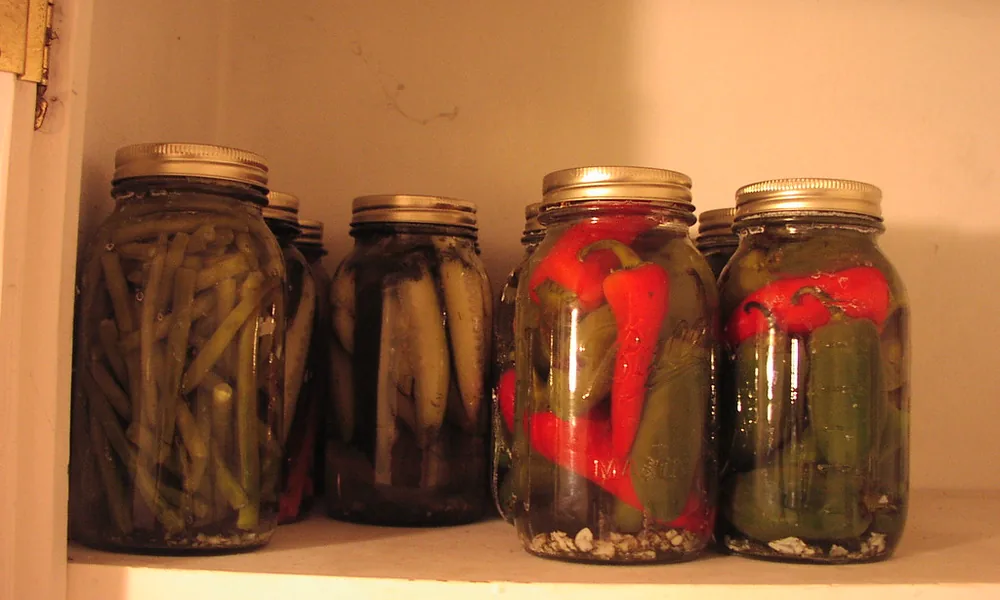
Pickling is where white vinegar earns its keep. Its clean acidity and clear colour let the vegetables stay bright and crisp, and its neutral flavour carries spices instead of competing with them. A basic quick-pickle brine is equal parts water and 5 percent white vinegar with salt and a little sugar, boiled and poured over cucumbers, onions or peppers. Our guide to the best pickles for crunch, brine and bold flavour shows which vegetables pickle best, and white vinegar is the brine to start with. For canning, follow a tested recipe exactly, because the vinegar strength and ratio are what keep the food safe.
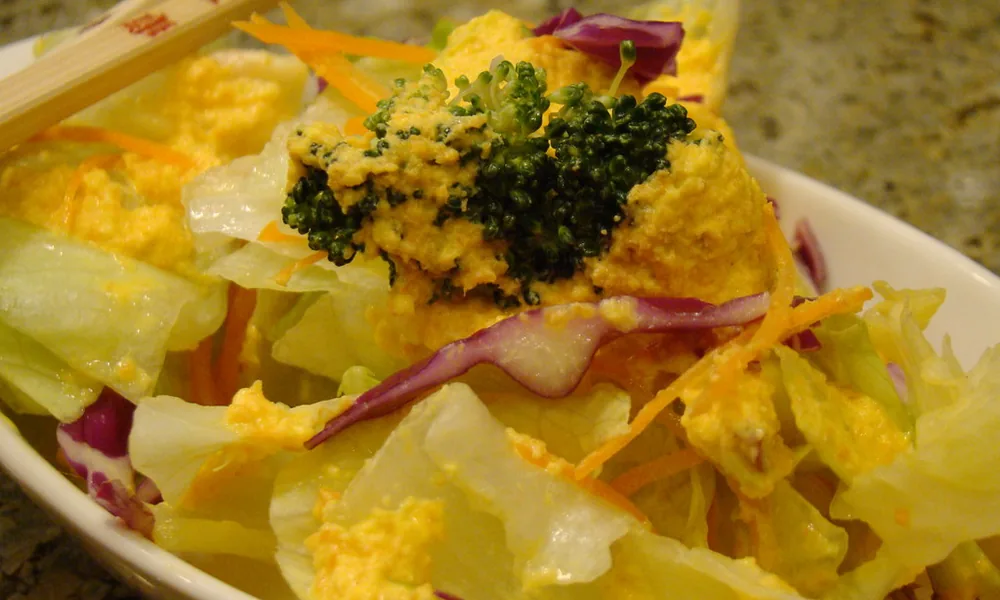
In dressings, white vinegar is the sharp, neutral option: it works in a vinaigrette when you want the oil and the herbs to do the talking, and it is the right acid for coleslaw, potato salad and other creamy salads, where a flavoured vinegar would fight the dressing. Our guide to vinaigrettes worth making your salads around covers the classic three-to-one oil-to-vinegar ratio, and white vinegar holds that ratio well. In baking, a teaspoon with baking soda creates carbon dioxide that lifts the crumb, which is why it appears in so many chocolate cake and quick bread recipes — and a splash in the water keeps poached eggs tidy and brightens a pot of beans.
White Vinegars Compared
| Vinegar | Best for | Acidity | Character | Price |
|---|---|---|---|---|
| Heinz Distilled | Everyday cooking | 5% | Clean, sharp, neutral | Mid-range |
| Great Value | Budget, bulk | 5% | Clean, sharp, neutral | Budget |
| Spectrum Organic | Organic kitchens | 5% | Clean, sharp, neutral | Premium |
| Heinz Gallon | Pickling season | 5% | Clean, sharp, neutral | Best value |
| Kroger Small Bottle | Small households | 5% | Clean, sharp, neutral | Budget |
White Vinegar and Other Vinegars
White vinegar is the neutral member of the vinegar family. Against red wine vinegar it is sharper and plainer, with no fruit or wine character, which makes it better for pickling and for dishes where you want acidity alone. Against rice vinegar it is bolder and less sweet, so it suits Western pickling and dressings where rice vinegar suits lighter Asian cooking — our guide to the best rice vinegar of 2026 explains that gentler bottle in full. Against apple cider vinegar it is cleaner and less fruity, and it will not cloud a brine. For crisp pickles and clean dressings, white vinegar is usually the right one.
Storage and Shelf Life
White vinegar is one of the longest-lasting bottles in the pantry. Kept in a cool, dark cupboard with the cap on, it stays at full strength for years, and it does not need the fridge. Heat and sunlight are the enemies, so keep it away from the hob and off a sunny shelf. A bottle that has been open for a long time is still safe to use, because the acidity itself prevents spoiling, but if it smells flat or tastes weak, replace it. For pickling, always use a fresh bottle at the stated 5 percent, because a weakened vinegar is a safety risk, not just a flavour problem.
White Vinegar Buying Checklist
- Buy food-grade distilled white vinegar at 5 percent acidity, and check the label says so.
- Look for a crystal-clear bottle with no cloudiness and no sediment.
- Check the ingredient list is short: distilled vinegar from grain, and nothing else.
- Buy the gallon jug if you pickle, and a small bottle if you only use a spoonful now and then.
- Do not buy cleaning vinegar for cooking: it may be stronger and is not always food grade.
- Store it in a cool, dark cupboard with the cap on, away from heat and sunlight.
Frequently Asked Questions
Is white vinegar safe for pickling?
Yes, as long as it is food-grade distilled white vinegar at 5 percent acidity, the strength tested pickling recipes are written for. Always follow a tested recipe for the vinegar-to-water ratio, and do not use a weaker bottle, because the acidity is what keeps the pickles safe as well as tasty.
Can I use white vinegar in salad dressing?
Yes. It makes a clean, sharp vinaigrette, and it is especially good in coleslaw, potato salad and other creamy salads. Start with three parts oil to one part vinegar, taste, and adjust, because white vinegar is sharper than wine vinegar.
Why do baking recipes add white vinegar?
White vinegar reacts with baking soda to release carbon dioxide, which lifts the batter and gives cakes and quick breads a lighter, more even crumb. A teaspoon is usually enough, and because the vinegar is neutral, it adds no flavour of its own.
Can I substitute white vinegar for another vinegar?
Often, but not always. It works well in place of rice vinegar or apple cider vinegar in pickles and dressings, though the result will be sharper and less fruity. It does not replace balsamic or red wine vinegar where their flavour is the point, and it should not replace malt vinegar on fish and chips, where the malt flavour matters.
Can I use cleaning vinegar for cooking?
No. Cleaning vinegar is often stronger, at 6 percent acidity or more, and it is not always labelled food grade, so it may contain additives not meant to be eaten. Keep the cleaning bottle in the cleaning cupboard and buy a separate food-grade bottle for the kitchen.
Does white vinegar go bad?
Practically never. Its acidity prevents spoiling, and a sealed bottle keeps for years. An open bottle in a cool, dark cupboard will stay at full strength for a very long time, though a bottle that smells flat or tastes weak should be replaced, especially for pickling.
The Bottom Line
The best white vinegar in 2026 is a plain food-grade bottle at 5 percent acidity, and for most kitchens that is Heinz, with Great Value as the budget pick, Spectrum as the organic option, the Heinz gallon jug for pickling season, and the Kroger small bottle for small households. Use it for crisp pickles, clean dressings, lighter cakes and brighter beans, and buy the size that matches how you cook.