Best Salsas for Every Chip in 2026
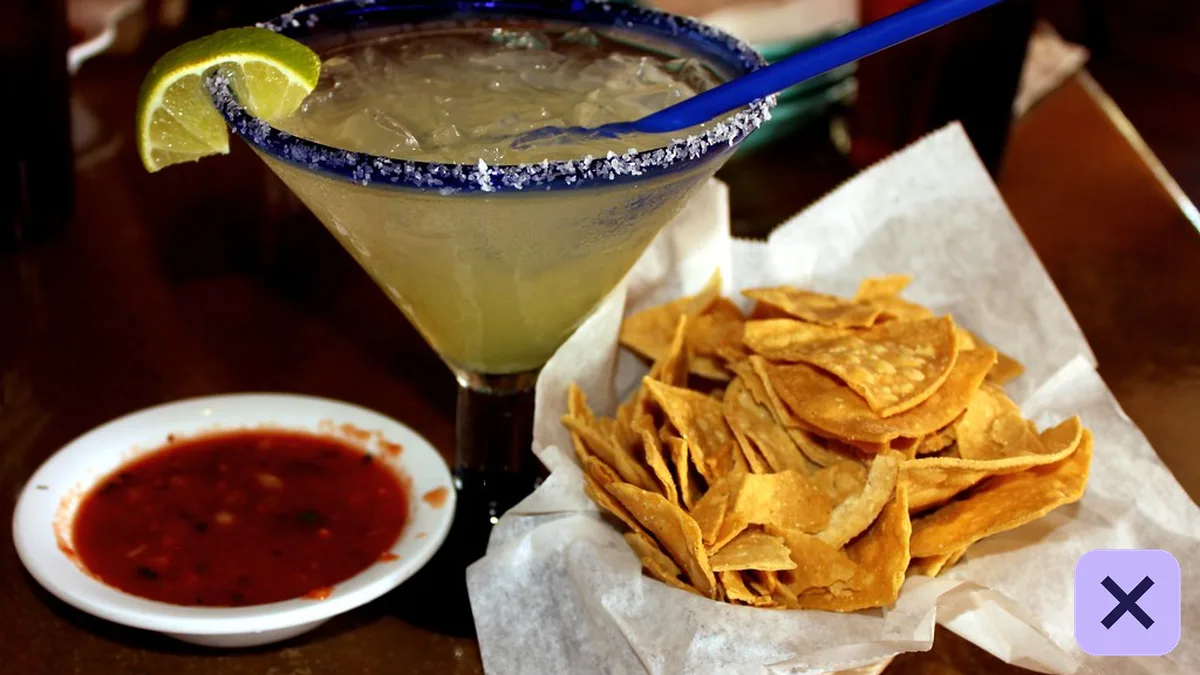
The best salsas for every chip in 2026 are the ones that match the chip in your hand, not the ones with the loudest label. A thin, smooth salsa disappears on a thick restaurant-style chip, while a chunky pico de gallo slides straight off a delicate tortilla crisp. Get the pairing right and a bag of chips becomes a proper snack; get it wrong and you end up chasing tomato pieces around the bowl with a broken chip.
Salsa is one of the simplest foods to buy well, because the jar tells you almost everything you need to know. The ingredient list is short, the heat is usually printed on the label, and a quick look through the glass shows whether it is chunky or smooth. The differences that matter are texture, freshness, salt and heat, and once you know how to read those four things, you can pick a good jar in about ten seconds.
Key takeaways
- Match the salsa to the chip: chunky salsa needs a thick, sturdy chip, while thin and smooth salsa suits delicate chips.
- Fresh salsa tastes brighter because it is made from raw tomato, onion and lime, while jarred salsa is cooked and tastes deeper and mellower.
- Check the salt before the heat: many jars are saltier than they are spicy, and salt is what makes a salsa hard to stop eating or hard to enjoy.
- A short ingredient list is a good sign; tomato, onion, chillies, lime and salt should do most of the work.
- Keep an opened jar in the fridge, use a clean spoon, and finish it within one to two weeks.
What makes a great salsa
A great salsa starts with tomato that actually tastes of tomato. That sounds obvious, but plenty of jars are built on tomato paste and water, which gives a flat, sweet base that no amount of chilli can rescue. The best jars taste fresh and a little sharp, with the tomato coming first and the heat arriving second. If the first thing you taste is sugar, or a dull cooked flavour that reminds you of pasta sauce, the jar is not doing its job.
Texture is the second thing that matters, and it is mostly a matter of personal taste. Pico de gallo is chopped, not blended, so every spoonful has distinct pieces of tomato, onion and coriander. Restaurant-style salsa is blended smooth, which makes it easy to scoop and good for pouring over food. Chunky salsa sits between the two, with pieces big enough to see but small enough to stay on a chip. None of these is better than the others in the abstract; the right one depends on what you are eating it with.
Salsa styles compared
| Style | Texture | Heat | Best chip |
|---|---|---|---|
| Pico de gallo | Chopped, fresh, distinct pieces | Mild to medium | Thick restaurant-style tortilla chips |
| Restaurant-style | Smooth, pourable, blended | Mild to medium | Thin tortilla chips, scoop chips |
| Salsa verde | Smooth or lightly chunky, tangy | Medium | Thick chips, blue corn chips |
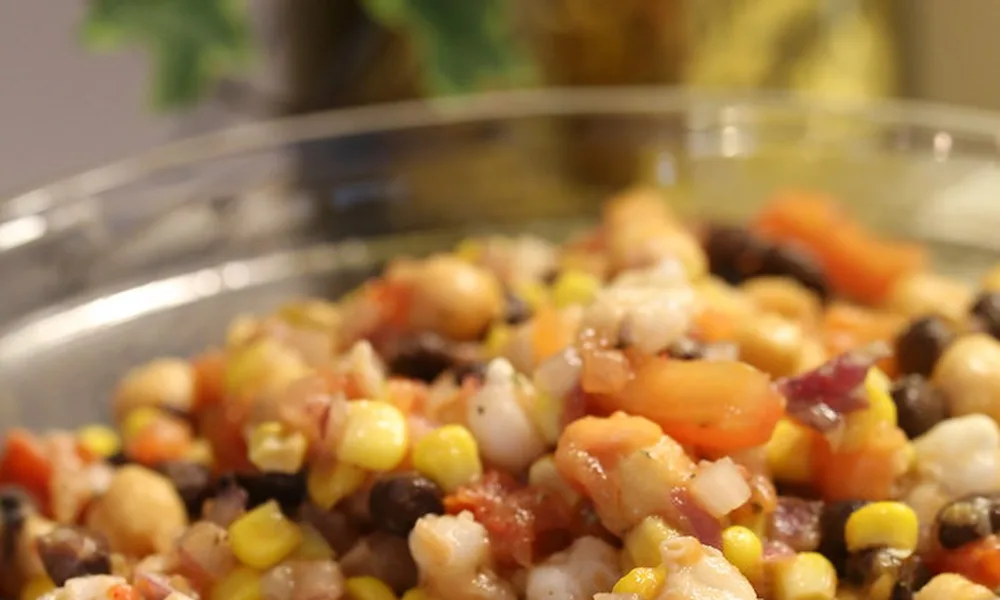
| Corn and black bean | Very chunky, hearty | Mild | Extra-thick scoops, sturdy strips |
| Fruit salsa | Chunky, sweet and fresh | Mild | Thin chips, cinnamon crisps |
| Roasted salsa | Smooth or chunky, smoky | Medium to hot | Thick chips, grilled flatbread strips |
Matching salsa to your chip
The chip matters as much as the salsa, and the pairing is simple once you think about weight. A heavy, chunky salsa needs a chip that can carry it without snapping, so thick restaurant-style tortilla chips, scoop-shaped chips and sturdy strips are the right choice. A thin chip is better with a smooth salsa, because there is nothing heavy to lift and the chip stays crisp for longer. If your chips keep breaking in the bowl, the problem is usually the pairing, not the chip.
Reading the jar before you buy it
The ingredient list is the most honest part of the jar. Look for tomato first, then onion, chillies, lime juice and salt, in some order. That is all a good salsa needs. If sugar appears near the top of the list, the salsa will taste sweet, which suits fruit salsa but not a classic red salsa. If you see a long list of thickeners, flavourings and preservatives, the jar is compensating for poor tomatoes, and it will taste like it.
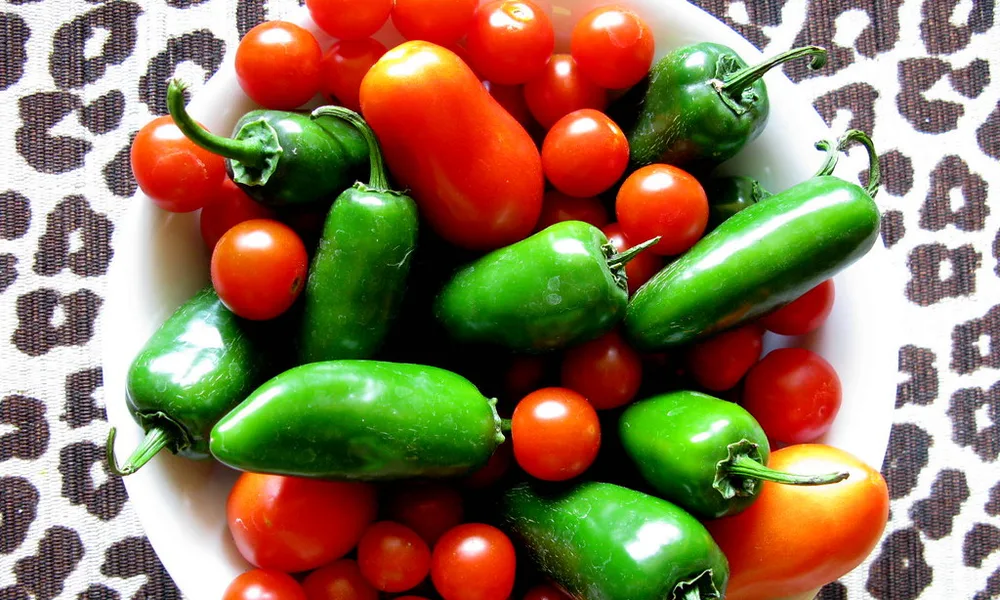
Heat labels are a rough guide at best, because mild in one brand can be medium in another. The honest signal is the chilli on the list. Jalapeno means a gentle, green heat that most people can enjoy. Serrano is a step up, sharper and quicker. Habanero means serious heat with a fruity edge, and it belongs in a jar you buy on purpose, not by accident. If the label names no chilli at all and just says spices, the heat is usually mild and vague.
Fresh salsa vs jarred salsa
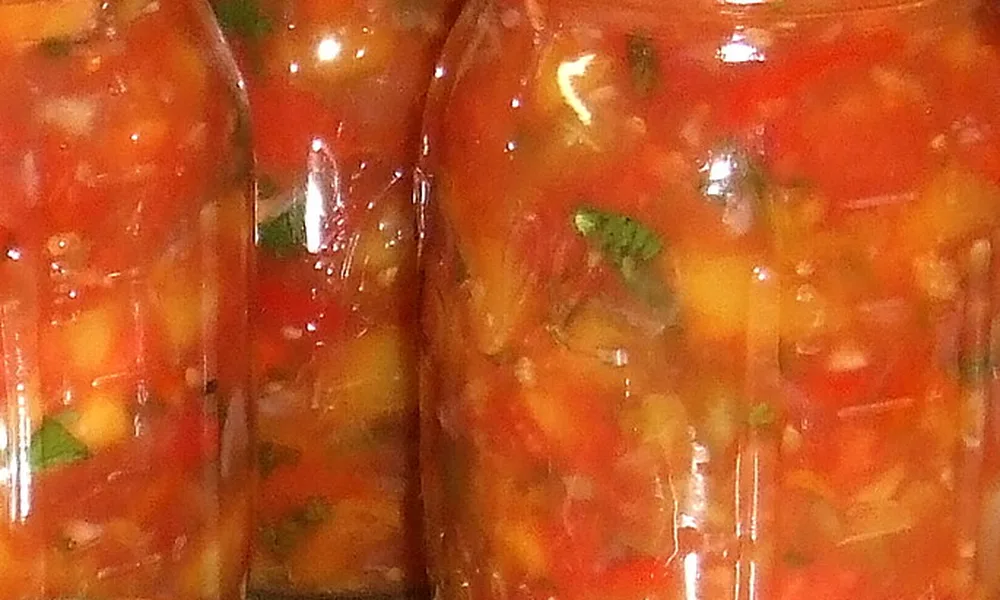
Fresh salsa and jarred salsa are genuinely different foods, and it is worth knowing which one you are buying. Fresh salsa, sold cold in a tub, is made from raw ingredients and tastes bright, sharp and alive. It keeps for about a week in the fridge, and it is at its best in the first few days. Jarred salsa is cooked and sealed, which gives it a deeper, mellower flavour and a shelf life of months, but it loses the fresh snap of raw onion and lime.
Neither is better in every situation. Fresh salsa wins for eating with chips on its own, where its brightness is the whole point. Jarred salsa wins for cooking, because its flavour holds up in a pan, and for keeping in the cupboard for the moment someone arrives hungry. Many households keep one of each: a fresh tub for the weekend, and a jar for everything else. If you can only buy one, buy fresh when you plan to eat it within a few days, and buy jarred when you want a reliable standby.
Fruit salsa and roasted salsa
Fruit salsa is the most misunderstood style, because people expect it to be a dessert and it is not. Peach, mango and pineapple salsas are sweet, but the best ones balance that sweetness with onion, lime and chilli, so they taste refreshing rather than sugary. They are excellent with thin, lightly salted chips, and even better spooned over grilled chicken or fish, where the sweetness works like a sauce. Buy a small jar first, because fruit salsa divides opinion, and the people who love it tend to love it a lot.
Roasted salsa is the opposite: deep, smoky and savoury, made from tomatoes and chillies that have been roasted until their edges darken. The roasting adds a flavour that no amount of raw chilli can match, and it suits thick chips and hearty food. It is the best salsa for a winter evening, and the best one to serve with grilled food, because the smokiness echoes the grill. If you like chipotle, you will like roasted salsa, and the two often appear together.
Storing salsa and keeping it fresh
An opened jar of salsa belongs in the fridge, with the lid on tight, and it will keep for one to two weeks. Fresh salsa keeps for about a week, and it is best eaten within a few days, before the onion softens and the lime fades. Always use a clean spoon, because a chip dipped twice, or a spoon that has been in something else, introduces bacteria that shorten the life of the jar. Pour what you need into a bowl rather than dipping straight from the jar, which keeps the rest fresh and is kinder to your guests.
Salsa beyond the chip bowl
It is also one of the easiest ways to lift grilled food. A spoonful of salsa verde over grilled chicken, or a roasted salsa alongside a steak, adds acidity and heat that cut through rich meat. Our guide to the best and worst burgers of 2026 covers the toppings that work hardest, and salsa belongs high on that list for anyone who likes a little heat. The same goes for pizza night: a spoonful of pico de gallo on a slice adds a freshness that the cheese and tomato sauce on their own cannot match, as our guide to the best and worst pizzas of 2026 shows in its topping advice.
For lighter meals, salsa is a natural partner to salads, adding crunch and acidity where a creamy dressing would feel heavy. Our guide to the best and worst salads of 2026 explains how a spoonful of salsa can replace a dressing entirely on a taco salad or a grain bowl. Keep a jar in the fridge and you will find yourself reaching for it far more often than you expect.
Checklist: choosing your salsa
- Match the texture to the chip: chunky salsa needs a thick chip, smooth salsa suits a thin one.
- Read the ingredient list: tomato first, a short list, and no sugar near the top for a classic red salsa.
- Check the chilli on the label: jalapeno for gentle heat, serrano for a step up, habanero only when you mean it.
- Taste the chip first, then the salsa, and check the salt balance between the two.
- Buy fresh salsa when you will eat it within a few days, and keep a jarred standby in the cupboard.
- Store an opened jar in the fridge, serve from a bowl with a clean spoon, and finish it within two weeks.
Frequently asked questions
What is the difference between salsa and pico de gallo?
Pico de gallo is a type of salsa made from finely chopped raw ingredients, usually tomato, onion, coriander, jalapeno and lime. Salsa is the wider term, and it includes smooth, cooked and blended versions as well as pico de gallo.
How long does salsa last once opened?
A jarred salsa lasts one to two weeks in the fridge once opened. Fresh salsa lasts about a week, and it tastes best in the first few days. Always keep the lid on and use a clean spoon.
Is salsa healthy?
Salsa is one of the lighter condiments, because it is mostly vegetables and very low in fat. The main thing to watch is sodium, which varies a lot between brands, so check the label if salt matters to you.
Can I eat salsa if I do not like spicy food?
Yes. Mild salsas made with little or no chilli are easy to find, and fruit salsas and corn and black bean salsas are usually mild. Start with a mild jar and add heat gradually if you want more.
What is salsa verde made from?
Salsa verde is made from tomatillos, which are small green fruits that look like tomatoes with a papery husk. It also contains green chillies, onion, coriander and lime, and it tastes tangy and bright rather than sweet.
Why does my salsa taste flat?
Flat salsa usually needs acid or salt, not more heat. Try a squeeze of lime first, then a small pinch of salt, and taste again. If it still tastes dull, the tomatoes were probably poor, and a fresh jar is the better fix.
The bottom line
The best salsa for your chips is the one that matches them: chunky salsa with a thick chip, smooth salsa with a thin one, fresh when you can get it, and a jar you have read before you buy. Keep it simple, keep it fresh, and let the tomato do the talking.


