A salad can be the freshest, most satisfying thing on the table, or it can be the sad bowl of limp leaves that everyone politely ignores. A good salad is crisp and bright, with leaves that snap, tomatoes that taste of summer, and a dressing that ties it all together. A bad salad is wet and tired, the leaves brown at the edges, the dressing pooled at the bottom, and the whole thing tasting of fridge rather than food. The difference between the two is rarely the price of the ingredients.
This comparison puts the best salads of 2026 head to head against the worst, judging them the way you would actually eat them: how crisp the leaves are after dressing, whether the flavours balance or fight each other, how long the salad holds before it wilts, and whether the dressing coats the leaves or drowns them. The salad in the bowl gets most of the attention here, because that is what lands on your plate, and the tool that dries the leaves matters just as much as the leaves themselves, as our comparison of salad spinners that dry leaves without bruising them explains.
Key Takeaways
- Crisp means fresh: a good salad snaps when you bite it, while a bad one bends, wilts and tastes tired before you finish the bowl.
- Dry the leaves first: wet leaves repel dressing, so a good salad is dried properly and a bad one ends up swimming in a puddle.
- Dress at the last minute: a good salad is dressed just before serving, while a bad one is dressed hours early and wilts in its own sauce.
- Balance the bowl: a good salad mixes crunch, softness, salt and acid, while a bad one is all one texture and one flat flavour.
- Cut it properly: a good salad is cut into pieces you can eat in one bite, while a bad one arrives in whole leaves that flop off the fork.
How a Salad Actually Works
A salad is a mix of leaves, crunch, flavour and dressing, and its job is to be fresh, bright and satisfying without feeling heavy. The leaves matter most: crisp lettuce, peppery rocket and sturdy romaine give a salad its backbone, while soft, wet leaves give it nothing to stand on. At its heart it is contrast plus coating: the contrast decides whether the salad is interesting or boring, and the coating decides whether the dressing reaches every leaf or slides to the bottom. Change the balance and you change everything. A salad with only soft leaves feels limp and one-note, a salad with only crunch feels like chewing raw vegetables, and a salad with no acid at all tastes flat no matter how good the ingredients are.
Texture is the second thing to understand, because every good salad is built from opposites. Crisp leaves need something crunchy like cucumber, radish or croutons, soft elements like avocado or soft cheese need something sharp like red onion or pickled vegetables, and sweet elements like tomato or corn need something salty like feta or olives. A garden salad is the classic example, with soft leaves, crisp cucumber and sweet tomato in one bowl, while a Caesar salad works because crisp romaine, crunchy croutons and salty parmesan sit together in a creamy dressing. A salad that is all one texture is a salad that bores you by the third mouthful.
Dressing is the third test, and it is where bad salads most often go wrong. A good dressing is light and sharp, just enough oil and acid to coat the leaves without drowning them, and it is added at the last moment so the leaves stay crisp. A bad dressing is heavy and sweet, poured on far too early, so the leaves wilt and the bowl ends up half full of liquid. The oil matters as well, and a spoonful of good oil over a finished salad does more for flavour than a fancy bottle of ready-made dressing ever will, which is why our comparison of olive oils that finish a dish without overpowering it pairs so naturally with this one.

The Best Salads of 2026
The best salads of 2026 share one quality above all others: they taste fresh. The freshness is obvious from the first bite, the leaves snap, the tomatoes taste ripe, the cucumber is cold and crisp, and the dressing is bright rather than heavy. That freshness is what separates a good salad from a mediocre one. With a good salad, you keep going back for another forkful even after you are full. With a bad one, you push the leaves around the plate and reach for the bread instead, wondering why something so simple tastes so tired.
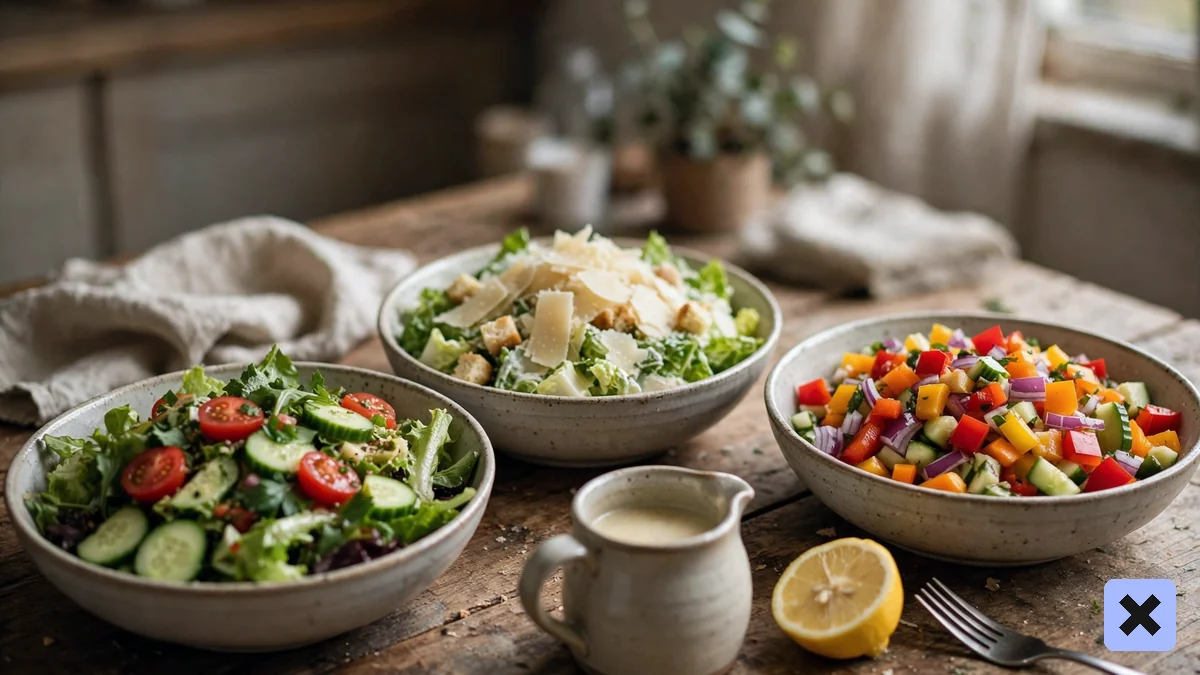
A great garden salad is simple and honest, which means it needs good ingredients and nothing else. The best garden salads of 2026 use mixed leaves that are actually mixed, with bitter, sweet and peppery leaves together, plus tomatoes that taste of something, cucumber that is crisp rather than watery, and a light dressing that lets the vegetables speak. They also work with the kitchen you actually have: the best ranges include chopped salads that are easy to eat with a fork, grain salads that keep well for lunch the next day, and warm salads that work in winter when cold leaves feel wrong.
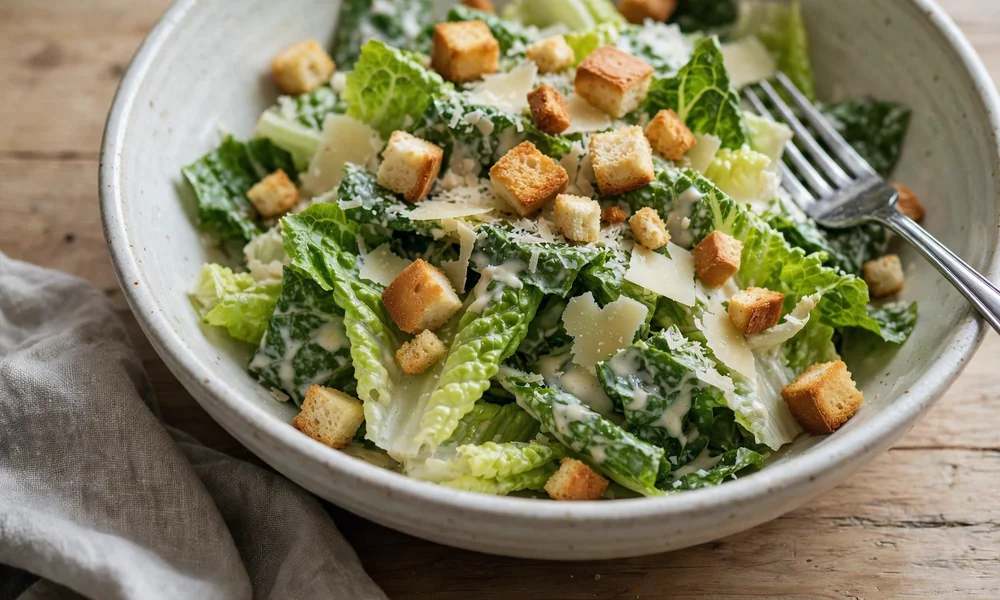
Caesar salad is the quiet success of 2026, and it suits anyone who wants a salad that feels like a proper meal. The best Caesars use whole romaine leaves that stay crisp under the dressing, croutons that are crunchy rather than stale, parmesan shaved rather than grated into dust, and a dressing that is creamy without being gluey. They are also forgiving: a little too much dressing simply makes them richer, while a bad garden salad with too much dressing turns into soup. A salad is often the lighter half of a meal, and it sits happily next to something heartier, which is why our comparison of pastas that stay springy instead of going soft is worth a look when you are planning the whole table.
The Worst Salads of 2026
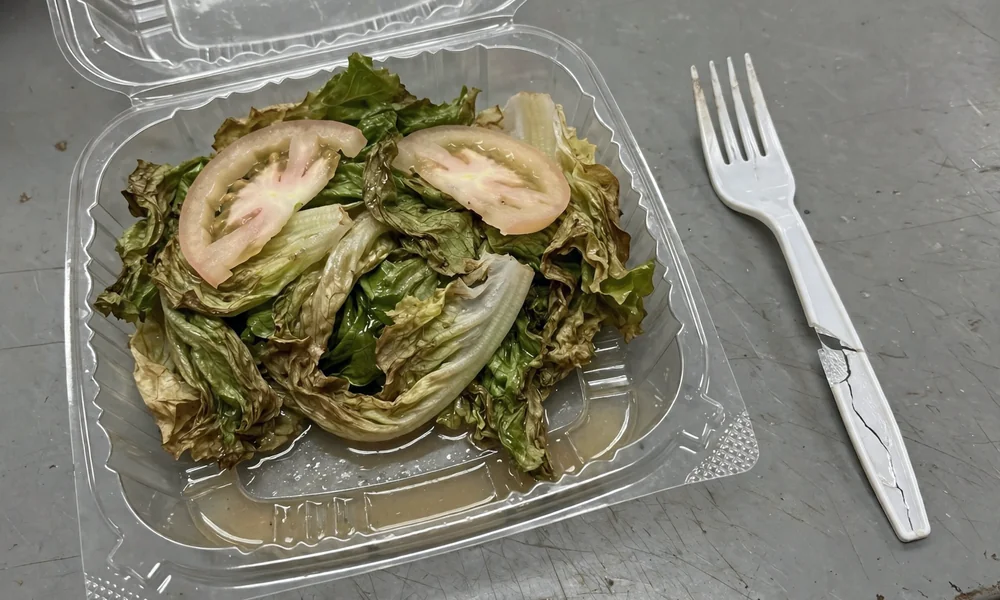
The worst salads of 2026 fail in the same few ways, and the first is wilting. A bad salad is tired in the wrong places, the leaves brown at the edges and limp in the middle, while the tomatoes are pale and mealy and the cucumber has gone soft. It is a strange combination, wet on the surface and dry underneath, and it makes the whole bowl feel careless even when the dressing is good. The salad loses its snap, tastes of fridge rather than food, and no amount of dressing will rescue it. The only fix is fresher leaves, which starts the whole meal again.
The second failure is drowning, and it creeps up slowly. A bad salad looks fine when it is made, crisp and bright in the bowl, but the moment it sits for ten minutes, the dressing slides to the bottom and the leaves start to wilt in the pool underneath. After a few mouthfuls, you are eating soggy leaves while the dressing sits underneath, and no amount of tossing will fix it, because the problem is not the tossing but the water. A salad that cannot stay dry is a salad that is working against you, and the sooner it goes in the bin, the better your lunch will taste.
The third failure is boredom, and it is the hardest to spot in the shop. Some salads are nothing but a bag of mixed leaves and a sachet of dressing, with no crunch, no salt and no acid, a pale, flat bowl that needs a heavy topping to be edible at all. The colour can be a warning too: a salad that is all one shade of green, with no red, orange or white in it, is often as dull as it looks. A salad with colour, crunch and a sharp dressing is usually worth the extra effort, and your lunch will taste it.
How to Choose the Right Salad
Start with the meal, because that decides the salad. A light lunch needs a garden salad or a chopped salad, so the bowl is fresh and quick to eat. A proper dinner needs a Caesar or a grain salad, so the salad feels like part of the meal rather than a garnish. A barbecue needs a coleslaw or a potato salad, so the salad stands up to rich, smoky food. A packed lunch needs a salad that keeps, like a grain salad or a chopped salad with the dressing kept separate, so it is still crisp at noon. Buying the prettiest bag on the shelf is no substitute for buying the right salad for your meal.
Then build it properly, because even the best leaves can be ruined in the bowl. Wash the leaves in cold water, dry them thoroughly so no water is left on them, and tear them into pieces you can eat in one bite. Add the crunchy things, then the soft things, then the salty things, and season the bowl with salt and pepper before the dressing goes anywhere near it. Dress the salad at the last minute, toss it gently with your hands or with servers, and serve it straight away. A good salad passes the taste test quietly, crisp and bright with no puddle at the bottom, and a bad one fails loudly, soggy and flat, and no loyalty to the bag should keep it in your fridge.
Finally, keep the dressing simple. A little oil, a little lemon juice or vinegar, a pinch of salt and a crack of pepper will do more than any shelf full of half-used bottles. Shake it in a jar, taste it, adjust the acid until it is bright, and pour just enough to coat the leaves. A scattering of seeds or nuts on top, a few shavings of parmesan, and a handful of herbs will do more than any amount of extra dressing.
One more habit is worth keeping: taste the salad before you serve it. A pinch more salt, a squeeze more lemon, or a drizzle more oil can turn a flat bowl into a bright one, and no recipe can tell you exactly how much your particular leaves need. Taste, adjust, and taste again, and the salad will be right for the leaves you actually bought, not the ones the recipe imagined.
The Verdict
The best salads of 2026 are the ones you stop noticing: crisp, bright and full of contrast, with a dressing that coats every leaf and a bowl that stays dry to the last forkful. The worst are the ones you keep fighting: limp, brown-edged and flavourless, with dressing pooling at the bottom and leaves wilting before you finish. Choose by your meal, dry the leaves properly, dress at the last minute, and keep the dressing simple, and the bowl on your table will earn its place instead of just taking up space.