
Olive oil looks simple until you stand in front of a shelf full of bottles. They all promise the same thing, yet the oil inside can be fresh and peppery, flat and tired, or so heavily processed that it barely tastes of olives at all. A bad bottle adds grease and nothing else and spoil a dish you worked hard on. The difference between the best and the worst olive oils in 2026 is not the price on the tag. It is about the grade, the freshness, and how honestly the bottle is labelled.
This head-to-head puts the two sides against each other properly. On one side, the oils that taste green and fresh, come from a recent harvest, and are pressed with care. On the other, the ones that are stale or refined until nothing of the olive remains. By the end, you will know which bottle belongs in your kitchen and which one should stay on the shelf.
Key Takeaways
- Extra virgin is the only grade worth buying for flavour, because it is the least processed and most aromatic.
- Freshness decides the taste: look for a harvest date, and choose oil pressed within the last twelve months.
- A peppery finish and a fresh green aroma are signs of good oil, while a flat or waxy smell means it has gone off.
- Dark glass or a tin protects olive oil from light, which is its biggest enemy after heat.
- Buy a size you will finish in six to eight weeks, and keep it in a cool, dark cupboard away from the stove.
What Makes a Great Olive Oil
A great olive oil is judged by three things: how it tastes, how fresh it is, and how honestly it is made. Taste comes first, because an oil that adds nothing to your food is not worth the shelf space. The best oils smell like cut grass, green banana, or fresh herbs, and finish with a gentle peppery bite at the back of the throat. That bite comes from fresh polyphenols, the compounds that give great oil its character. A flat or rancid bottle tells you the oil is old or badly stored, whatever the price says.
Freshness is the test most buyers overlook. Olive oil is a fresh food, not a pantry staple that keeps forever. It is at its best in the months after pressing, and it fades steadily from there. The best producers print a harvest date on the bottle and sell their oil quickly, while the worst hide behind a distant best-before date and hope nobody asks when the olives were picked. The best oils are pressed from healthy olives within hours of picking, with nothing added and nothing stripped away.

The Best Side: Oils That Earn Their Place
The best olive oils share one habit: they taste alive. You notice them in a dish, because they add a clean, green note nothing else can replace.
Single-Estate Early-Harvest Extra Virgin
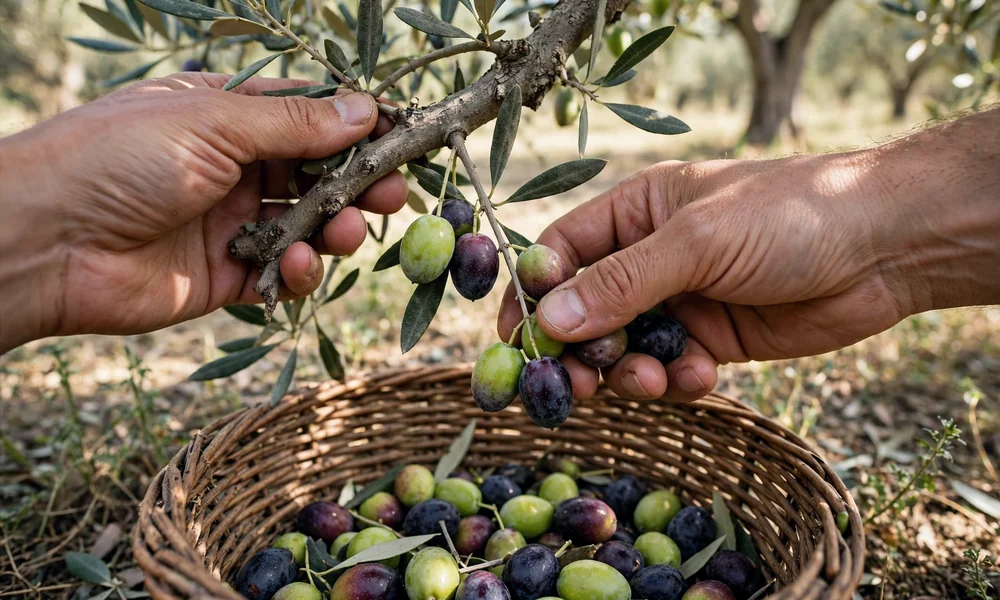
A single-estate early-harvest extra virgin is the strongest all-round choice for anyone who cooks with olive oil every day. The olives are picked while still green and slightly unripe, which gives the oil its bright, peppery character and its high level of natural antioxidants. The label usually names the variety, the place, and the harvest date. These oils are superb for finishing dishes: a spoon over grilled vegetables, a drizzle on soup, or a dip for good bread. They cost more than a supermarket blend, but the flavour is unmistakable, and a little goes a long way.
Small-Batch Cold-Pressed Blends
Small-batch cold-pressed blends are the best choice for everyday cooking, because they balance flavour with a friendlier price. A skilled blender mixes oils from a few trusted groves for salads, roasting, and gentle frying. The key word is cold-pressed: the oil is extracted without heat, so the delicate aromas survive, and the label says so plainly. The best blends are bottled in dark glass or tins, carry a recent harvest date, and stay fresh for months if stored properly. They are the workhorse of a good kitchen, and a bottle that is used up in six weeks is a bottle doing its job. See also our guide to the best olive oil of 2026.
Unfiltered Cloudy Extra Virgin
Unfiltered cloudy extra virgin is the best choice for cooks who love bold, rustic flavour. The oil is bottled without filtering, so tiny particles of olive fruit remain suspended in it, giving it a cloudy look and a fuller, more intense taste. It is superb over beans, grilled fish, and warm bread. Unfiltered oil does need a little care: it has a shorter shelf life than filtered oil, it should be used within a few weeks of opening, and it is best kept cool and dark. For pure flavour it is very hard to beat.
The Worst Side: Oils That Let You Down
The worst olive oils all fail in the same quiet way: they look fine on the shelf, then add almost nothing to your food.
Refined and Light Olive Oil
Refined and light olive oil is the worst value in the whole category for anyone who buys oil for flavour. The word light refers to the taste, not the calories: the oil has been heated and chemically refined until almost all flavour and aroma are stripped away, then a little virgin oil is added back so it can legally carry the name. What is left is a pale, neutral fat that fries adequately and tastes of nothing. It has a high smoke point, but it is a poor use of money when the whole point of olive oil is flavour. Its neutral taste also tricks buyers into using too much, waiting for a flavour that never arrives.
Stale Clear-Bottle Supermarket Oil
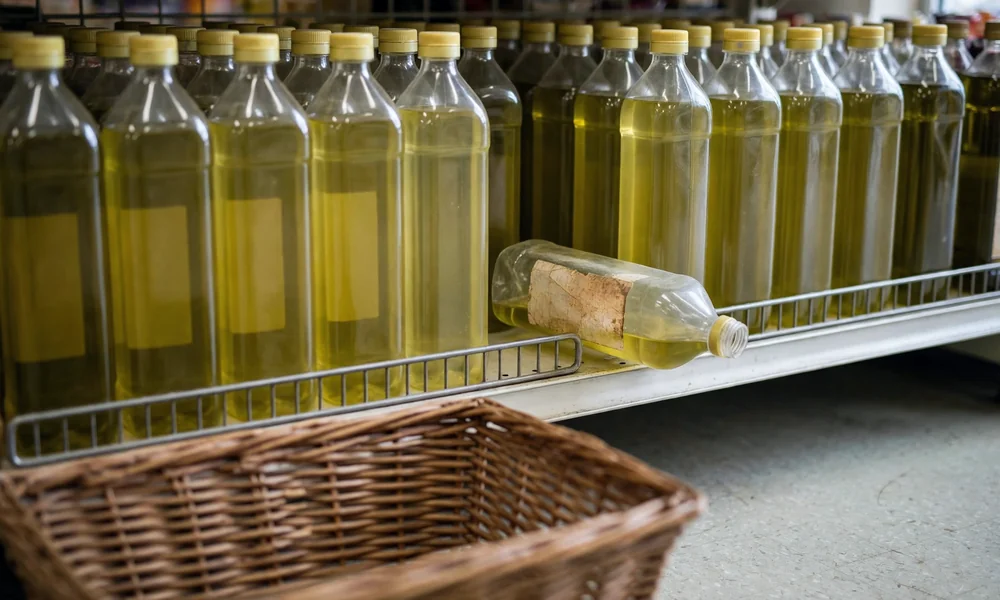
Stale oil in a clear bottle is the most common bad bottle in the kitchen, and it is easy to buy by accident. Clear glass lets light through, and light is one of the fastest ways to ruin olive oil, breaking down its flavour and turning it rancid. A missing harvest date is the usual warning sign. The oil inside often smells flat, waxy, or like old crayons, and it tastes greasy rather than fresh. Your nose will tell you the truth the moment you open it. If a bottle has no harvest date and sits in clear glass, leave it on the shelf.
Vague Blends With No Origin
Vague blends with no origin are among the worst oils you can buy, because you cannot tell what is inside them. The label says packed in one country, bottled in another, and made from oils of several origins, which usually means the cheapest available oil from wherever it was cheapest that year. There is no estate, no variety, and no harvest date to check, so there is no way to know whether the oil is fresh or how it was made. A bottle that will not tell you where its oil came from has already told you everything you need to know.
Best vs Worst at a Glance
Put the two sides next to each other and the pattern is clear. The best oils are fresh, traceable, and made with as little interference as possible. The worst oils are old, anonymous, and processed until the olive has all but disappeared. That is why the best oils cost more per bottle and less per meal: a spoonful of a good oil flavours a whole dish, while a bad oil has to be poured freely to be noticed at all, and still adds nothing.
How to Choose the Right Olive Oil in 2026
Start with the label, not the price. Look for the words extra virgin, a harvest date within the last twelve months, and a named origin, whether that is an estate, a region, or at least a single country. Choose dark glass or a tin over clear glass or plastic, and buy a size you will finish in six to eight weeks rather than a large bottle that will go stale. Smell the oil when you open it: it should smell green and fresh, not flat or waxy.
Then match the oil to the job. A peppery early-harvest oil is best for finishing, where its flavour can shine. A mellow small-batch blend is best for everyday cooking, roasting, and dressings. An unfiltered oil is best used quickly and cold. Keep the bottle in a cool, dark cupboard away from the stove, and never store it beside a sunny window. Our guide to the best balsamic vinegar of 2026 shows how another classic condiment rewards the same care.
The Verdict
The verdict is clear: single-estate early-harvest extra virgin is the best olive oil of 2026 for flavour, with small-batch cold-pressed blends the best choice for everyday cooking and unfiltered extra virgin the best for bold, rustic dishes. The worst oils are the refined light oils, the stale clear-bottle supermarket oils, and the vague blends with no origin, all of which cost less at the till and add less to your food. A good bottle makes simple food taste better. A bad bottle is a false economy that adds grease and nothing else. Buy the bottle that names its harvest, and you will taste the difference in the first spoonful.
Who Each Oil Is For
The best oils are for you if…
You cook most days and care how your food tastes. A single-estate oil suits a keen cook who finishes dishes with a drizzle and wants the flavour to be part of the meal. A small-batch blend suits a busy household that needs one reliable bottle for salads, roasting, and frying.
The worst oils are for you if…
Honestly, they are for almost nobody. The only fair case for a refined light oil is high-heat frying where flavour does not matter and a neutral, stable fat is what you need. A stale or vague bottle is never a good buy at any price, because it adds nothing to your food and takes up shelf space that a fresh bottle deserves. If your budget is tight, buy one small bottle of good extra virgin rather than a large bottle of pale, flavourless oil. Our guide to the best coconut oil of 2026 covers another kitchen staple worth choosing well.
Frequently Asked Questions
Does expensive olive oil taste better?
Not always, but price often tracks freshness and care. A modest bottle with a recent harvest date will usually taste better than a dear bottle that has sat in clear glass for two years. Judge by the harvest date and the smell, not by the price alone.
Can I fry with extra virgin olive oil?
Yes, for most everyday frying. Good extra virgin oil is stable at normal frying temperatures, and its flavour survives gentle cooking. Save your best peppery bottle for finishing, and use a mellow blend for the pan.
Choosing an olive oil comes down to one honest question: will this bottle make my food taste better? The best oils answer yes without hesitation. Buy the bottle that names its harvest, keep it cool and dark, and use it while it is fresh.


