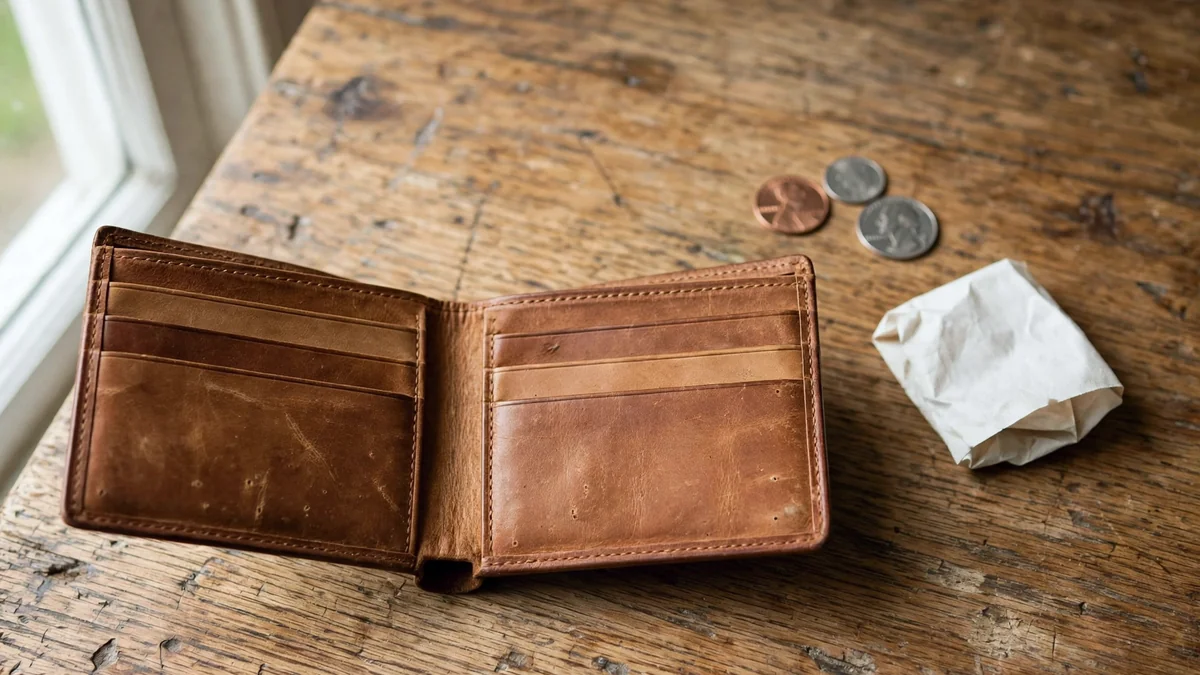
A wallet is the smallest thing you carry every day and the one you reach for most often. The best wallets of 2026 are quiet triumphs: slim in a pocket, honest in their materials, and still looking good after thousands of openings and closings. The worst wallets are the opposite. They bulge, they peel, they snap shut on your fingers, and they fall apart just when you need them most.
This comparison puts the best wallets of 2026 head to head against the worst, judging them the way you would actually use them: in a front pocket on a crowded train, in a jacket at a wedding, on a market stall counting out notes, and at the bottom of a bag after a long day. The same honest approach sits behind our comparison of the best and worst handbags of 2026, because a wallet that works well deserves a bag that does the same.
Key Takeaways
- Buy the wallet for the cards and notes you actually carry, not the ones you imagine carrying one day.
- Full-grain leather ages beautifully; bonded leather and cheap plastic peel within months.
- Slim beats spacious every time, because a fat wallet ruins the line of a jacket and aches in a pocket.
- Stitching matters more than branding: straight, tight, even stitches are the sign of a wallet that will last.
- A good wallet disappears into your day; a bad one reminds you it exists every time you use it.
What Makes a Wallet Good or Bad
A good wallet starts with the material. Full-grain leather is the gold standard, because it develops a rich patina over time instead of wearing out. Top-grain leather is a step down but still honest, while genuine leather, despite the promising name, is often the weakest cut. The worst wallets are made from bonded leather, which is little more than leather dust glued together, or from stiff plastic that cracks along the folds within a year.
The second thing that separates good from bad is how the wallet is put together. Pick up a wallet and look at the stitching along the edges: on a good one the stitches are small, even, and tight, with no loose threads and no wandering lines. A good wallet also has card slots that grip firmly without tearing, and a note compartment deep enough that notes do not stick out at the top.
Size is the third test, and it is the one most buyers get wrong. A wallet should carry what you need and nothing more, because every extra card and receipt adds bulk that makes the wallet uncomfortable and wears it out faster. The best wallets of 2026 are designed around real life: six to eight cards, a few folded notes, and perhaps a coin pocket that does not bulge. Anything bigger belongs in a bag, not in a pocket.
The Best Wallets of 2026
The best wallets of 2026 are mostly the simple ones, and that is exactly the point. A classic bifold in full-grain leather, a slim card holder for minimalists, and a well-made trifold for those who still carry cash all share the same virtues: they are comfortable to carry, easy to use one-handed, and they look better after a year than they did on the first day. They are not the flashiest wallets on the shelf, but they are the ones their owners would buy again tomorrow.
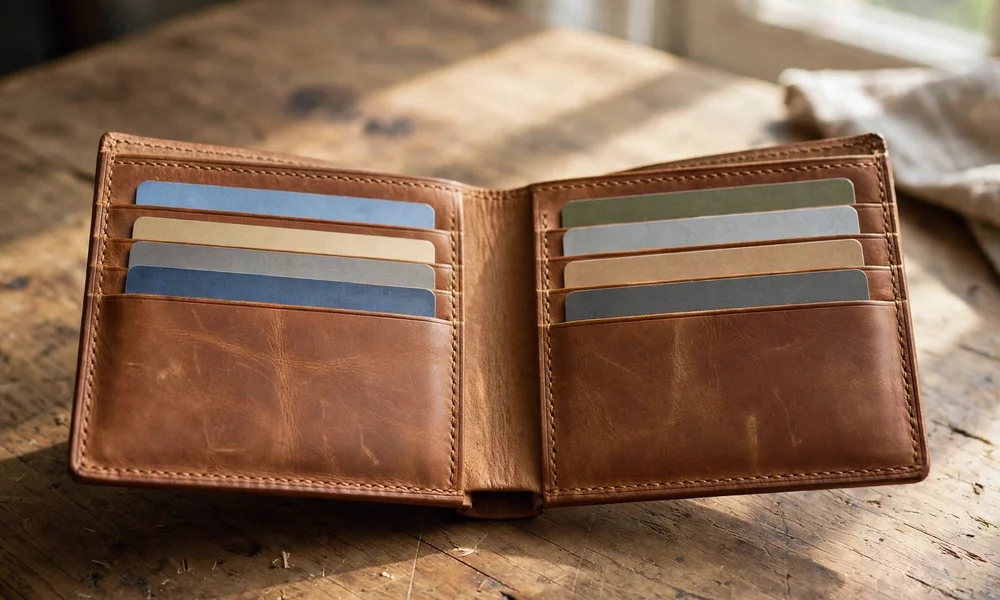
What the best wallets share is a feeling of quiet solidity. The leather feels supple rather than stiff, the fold sits flat in a pocket, and the card slots release a card with a gentle push rather than a fight. A good wallet also ages gracefully: scuffs buff out, the colour deepens, and the shape moulds gently to what you carry.
Capacity is another area where the best wallets quietly win. They are designed so that a full wallet still closes flat, without straining the stitching or bulging at the corners. Whatever the style, the best wallets are honest about what they hold: the number on the packet is close to what actually fits.
The Worst Wallets of 2026
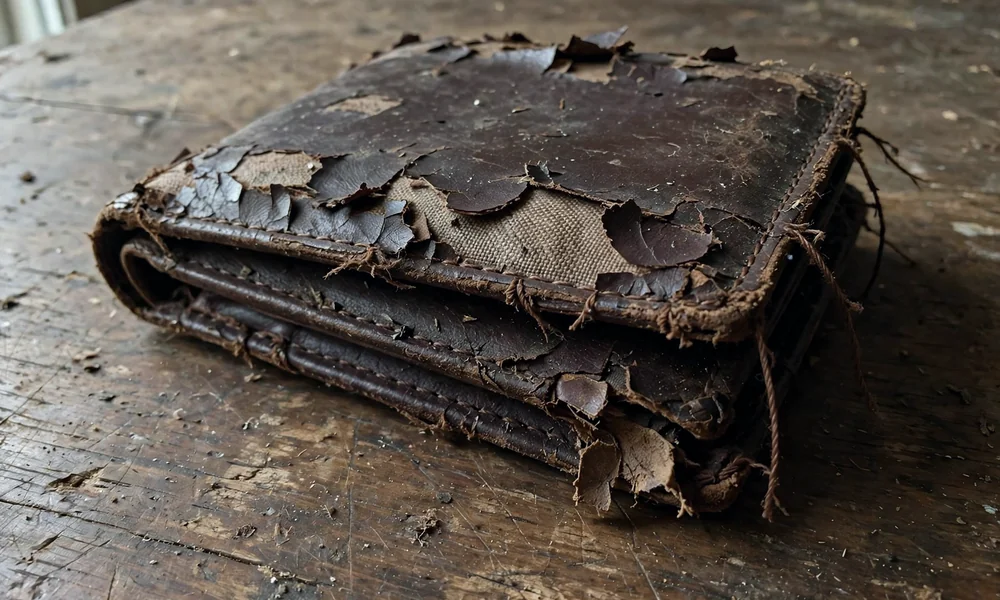
The worst wallets of 2026 are not always the cheapest, and that is what makes them so frustrating. Some look smart in the shop window and come with a famous name stamped on the front, but within a few months the problems start: the surface peels away in flakes, the stitching unravels at the corners, and the card slots stretch so wide that cards fall out. Owners find themselves buying a replacement before the year is out.
Bulk is where many of the worst wallets fall down hardest. They are sold as holding everything, and they do, but at a price: a wallet stuffed with twenty cards, old receipts, and loyalty cards becomes a brick that distorts a jacket, aches in a back pocket, and wears out its own stitching from the inside.
Then there are the gimmicks. The worst wallets are often loaded with features nobody asked for: flimsy metal money clips that snap, magnetic closures that wipe cards, and radio-blocking linings that make the wallet stiff and hard to open. A good wallet needs none of these. It needs good leather, good stitching, and a sensible size, and everything else is decoration that gets in the way.
Bifold, Trifold, or Card Holder: Which Style Wins
The bifold wins for most people, and it is not close. It holds a sensible number of cards and a few notes, it sits flat in a front or back pocket, and it opens with one hand. The best bifolds of 2026 are surprisingly slim, with card slots arranged so that nothing overlaps awkwardly. Their weakness is capacity: if you carry a dozen cards and a thick wad of notes, a bifold will bulge. For most people, though, a good bifold is all the wallet anyone needs.
The trifold is the choice for those who still carry cash every day. It folds twice, so it is thicker, but it keeps notes flat and gives room for more cards. The best trifolds are well balanced, with the fold sitting neatly and the wallet closing without a gap. A card holder is the minimalist option: two or three cards and a folded note, nothing more, and it slips into a front pocket so easily you forget it is there. Choosing between them is really about being honest with yourself about what you carry.
Materials, Stitching, and the Details That Actually Matter
Full-grain leather remains the simplest choice for most buyers in 2026, especially those who want a wallet to last for years rather than months. It is strong, it ages beautifully, and it needs almost no care beyond the occasional wipe. Vegetable-tanned leather is the traditional favourite, developing a deep honey colour over time, while chrome-tanned leather is softer and more resistant to water. The best wallets use leather that is honestly described, and the seller is happy to tell you where it came from.
Canvas and fabric wallets have their place too, and the best of them are now so well made that many buyers will never go back. A waxed canvas wallet is light, tough, and easy to clean, and it suits a casual style far better than stiff leather. For a buyer who wants something light and practical, a good canvas wallet is often the cheapest option to own overall.
Metal wallets are a narrower choice than they used to be. A slim metal card holder is brilliant for two or three cards and nothing else, and it protects them well. For anything more, though, a metal wallet can be a false economy: it is rigid, it can scratch a phone, and it rattles in a pocket. The same care applies to matching a wallet to the rest of what you carry, and our comparison of the best and worst backpacks of 2026 shows how much difference a well-made bag makes to everything inside it.

Stitching, edges, and linings deserve the same attention as the leather itself. A wallet with saddle stitching, where two needles cross through each hole, will outlast one held together with glue and a single line of machine stitching. The lining should be smooth and firmly attached, not loose fabric that catches on cards. It is worth opening a wallet in the shop and sliding cards in and out before you buy, because a slot that is too tight on day one will only get worse.
How to Buy a Wallet Without Regret
The single most useful thing you can do before buying a wallet is to empty your current one. Lay out every card, note, and receipt, and ask yourself which of them you actually used in the last month. Most people find they carry half as much as they need. Buy the wallet that fits that smaller pile, not the one that fits everything you own. If anything feels bulky or awkward in the shop, believe it: it will feel worse after a year, not better.
Check the details with real numbers before you pay anything. Count the card slots, measure the note compartment against a real banknote, and look at the stitching under good light. Look at reviews and owner photos for the exact wallet you are considering, because the same brand can be brilliant in one style and troublesome in another. A wallet is also worth considering alongside the documents you carry with it, and our comparison of the best and worst passport holders of 2026 explains which ones are worth owning.
Finally, do not be rushed. A good wallet will last for years, so a few extra days choosing is time well spent, and a seller who pressures you to decide on the spot is telling you something about how they do business. Check the wallet in daylight, look at the edges and corners for rough work, and if you are buying online, check the returns policy before you order. A wallet you love on day one and still love on day three hundred is money well spent.
The Verdict
The best wallets of 2026 are the ones that make daily life easier without asking for much in return. They are slim, well made, honest in their materials, and they age beautifully because other people want the same qualities too. They do not need to be expensive or flashy: they simply work, day after day, in every pocket, with very little fuss.
The worst wallets of 2026 are the ones that demand too much and give too little back: too much bulk, too much money in replacements, and too much of your time spent dealing with peeling surfaces and frayed stitching that should never have happened. A wallet is a tool you rely on every day, and when the tool fails, everything else in your day gets harder.
So buy with your head as well as your heart. Choose the size that fits your real life and the material that fits your real habits. Empty your pockets before you buy, check the stitching before you pay, and walk away from anything that feels wrong.


