The burger is the most argued-over simple food in the world. At its best, it is a perfect balance: a juicy patty with a charred crust, a soft bun that holds without falling apart, cheese melted just enough to drip, and fresh toppings that add crunch and brightness. At its worst, it is a grey, dry disc in a pale bun, with limp lettuce and a sauce that tastes of nothing, eaten more out of habit than enjoyment.
This comparison puts the best burgers of 2026 head to head against the worst, judging them the way you would actually eat them: the first bite while the cheese is still melting, the halfway point when the bun starts to give way, and the last bite, which tells you whether the burger was built properly or just stacked high. The same honest testing sits behind our comparison of the best grills for backyard cooking in 2026, because a great burger usually starts on a grill that is hot enough to do its job.
Key Takeaways
- The patty decides everything: a burger with a great patty can survive an average bun, but no bun or sauce can rescue a bad patty.
- Fat is flavour: a lean patty dries out and tastes of cardboard, while a patty with enough fat stays juicy and cooks up with a proper crust.
- Hot and fast wins: a burger needs fierce heat and a short cook, so the outside sears while the inside stays pink and juicy.
- The bun is a tool, not a decoration: it has to be soft enough to bite through and strong enough to hold the juices without collapsing.
- Restraint beats excess: a burger with five good ingredients beats a tower of ten that falls apart before the second bite.
What Makes a Burger Great
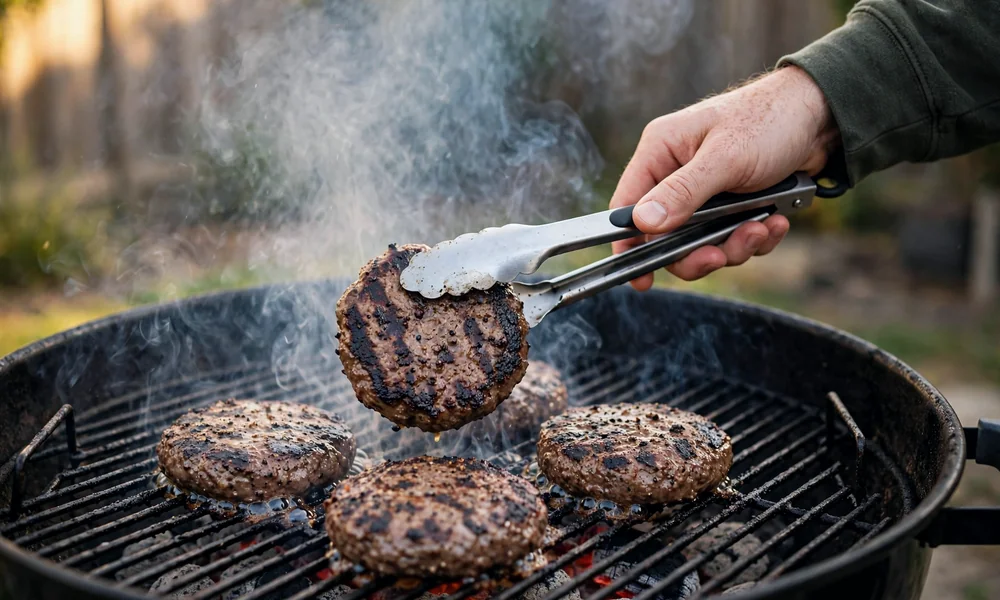
A great burger starts with the meat. The best patties are made from freshly ground beef with around twenty percent fat, seasoned simply with salt and pepper, and handled as little as possible. Overworking the meat squeezes out the juices and turns the patty dense and rubbery, which is why the best burger makers shape their patties gently and leave them slightly loose. A patty pressed flat with a spatula until every drop of juice has run out is a patty that has been ruined on purpose.
The cook is where most burgers are won or lost. A grill or cast-iron pan needs to be ripping hot before the patty goes on, so the outside sears into a dark, savoury crust within minutes. That crust is where the flavour lives, and it only forms at high heat. A patty cooked slowly on a lukewarm surface never develops it, and instead steams in its own juices until it turns grey and tired. The best burgers are cooked fast, flipped once, and rested for a minute before they are served, which lets the juices settle instead of running out onto the plate.
The bun matters far more than most people admit. A good bun is soft, slightly sweet and sturdy, with enough structure to hold the juices without turning to mush and enough give that you can bite cleanly through it. Brioche is the favourite of 2026 for good reason: it is rich without being heavy, and it toasts beautifully. A dry, crumbly bun or a cold, doughy one can ruin an otherwise excellent burger, and a bun that is far bigger than the patty leaves you eating bread with a side of beef.
The Best Burgers of 2026
The best burgers of 2026 come in a few distinct styles, and each has its fans. The smash burger remains the benchmark for many: a thin patty pressed hard onto a hot griddle, cooked until the edges turn lacy and crisp, then stacked two high with cheese. It is fast, salty and intensely savoury, and it is the style most likely to make you order a second one. Eaten fresh off the griddle, it is the closest thing to a perfect fast burger.
The thick pub burger is the great rival, and it deserves its place. A hand-formed patty, cooked over charcoal or on a flat top, served in a toasted brioche bun with proper cheese and fresh toppings, it is a burger built for a proper meal rather than a quick snack. The best pub burgers have a patty that is pink in the middle, a bun that has been buttered and toasted, and toppings that were sliced that day rather than pulled from a tub. The worst imitations are dry, overcooked and served in a bun that falls apart before the first bite.

Backyard burgers, cooked at home on a charcoal grill, are the safest bet when you want a great burger without leaving the house. The best home burgers use fresh ground beef, a hot grill, and a simple build: cheese, lettuce, tomato, onion and a good sauce. They cost a fraction of a restaurant burger and, cooked properly, they beat most of them. The same care shows up in our comparison of the best and worst pizzas of 2026, where the best results also come from simple ingredients and fierce heat.
The Worst Burgers of 2026
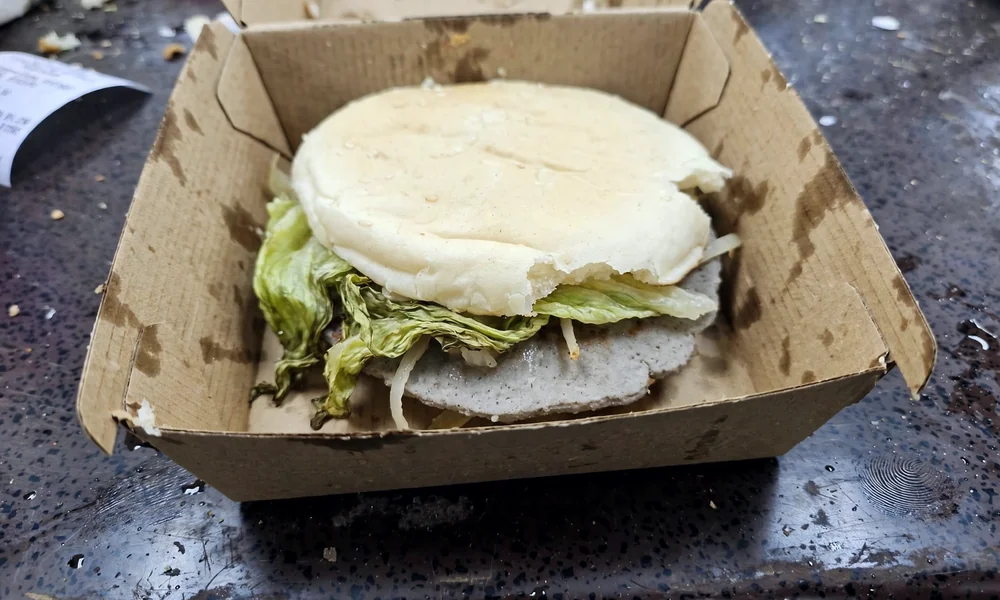
The worst burgers of 2026 fail in the same few ways, and the most common is the dry patty. A patty made from lean meat, overworked, pressed flat and cooked until it is grey all the way through has nothing left to give. It tastes of cardboard, it needs a flood of sauce to be swallowable, and it leaves you wondering why you paid for it. A burger should be juicy enough that you need a napkin, not so dry that you need a drink.
Next comes the soggy bun problem. A bun that was never toasted, loaded with a wet patty and a pile of sauce, turns to mush within minutes. By the time you reach the second half, the bottom bun has dissolved and the burger is falling apart in your hands. The fix is simple and cheap: toast the bun, put the lettuce under the patty to shield it, and keep the sauce off the bread. Kitchens that skip those steps are telling you they do not care.
Frozen patties are the third great failure. A patty that was formed, frozen, shipped and thawed before cooking rarely tastes of beef at all: it tastes of freezer and filler, and it cooks up thin, grey and oddly uniform. The worst fast-food burgers are built on them, and the difference from a fresh patty is obvious from the first bite. If a burger tastes the same in every town in the country, that is not consistency. That is a factory.
Overloading is the final sin. A burger stacked with bacon, onion rings, fried egg, extra cheese and three sauces is a burger that cannot be eaten: it falls apart, it drips everywhere, and every bite tastes the same muddled mess of salt and fat. The worst offenders compete on height rather than flavour, and the result is a tower that belongs on a camera, not on a plate. A great burger is one you can pick up with two hands and eat without a strategy.
Patty, Bun and Cheese, Ranked
If you judge a burger by its parts, the ranking is clear. For the patty, fresh ground beef with around twenty percent fat leads, followed by a good smash patty, with frozen patties and lean turkey patties trailing far behind. Plant-based patties have improved enormously and the best ones now grill up with a proper crust, but the worst ones still taste of pea protein and smoke flavouring rather than of anything real.
For the bun, a toasted brioche bun is the best, followed by a soft potato bun, with a dry sesame seed bun in the middle and a cold, doughy bun at the bottom. The bun should be roughly the same size as the patty, toasted on the cut side, and soft enough that your teeth go through bun and patty together. A bun that fights back is a bun that has failed.
Fast Food, Restaurant and Homemade: Which Wins
Restaurant burgers win on quality, fast food wins on speed, and homemade wins on value, but the gaps are smaller than they used to be. A good restaurant burger, eaten fresh, is still the best burger you can have, and it is worth the price when the patty is fresh and the bun is toasted. A good fast-food burger from a place that cooks to order is a close second for a quick lunch, especially if you eat it within minutes of it leaving the kitchen.
Homemade is the category that has improved most, because home cooks now have access to the same knowledge the best burger joints use: fresh beef, high heat, a single flip, and a toasted bun. The best homemade burgers cost a fraction of a restaurant burger and, cooked properly, they beat most of them. The worst homemade burgers remain the worst burgers of all: dry patties, cold buns and a pile of toppings from a jar, served with pride and eaten out of politeness.
How to Spot a Great Burger Before You Order
You can judge a burger joint before the food arrives. A short menu is a good sign, because it means the kitchen does a few things well instead of many things badly. Fresh patties made in house, a grill you can see or smell, and buns that are toasted to order are the other signs to look for. If a menu offers thirty burgers, a tower challenge and a burger with a doughnut for a bun, it is a circus, not a kitchen, and the burger will taste like it.
Finally, trust the squeeze test. Pick the burger up with both hands and give it a gentle squeeze: a good burger holds together, with the juices staying in the patty and the bun springing back. If it collapses, the bun was never toasted. If the patty slides out, it was too greasy or too smooth. And if the whole thing falls apart before the first bite, the kitchen built a tower, not a burger. These are small tests, but they are honest ones, and they work on every burger from a street cart to a fine dining plate.
Verdict
The best burgers of 2026 are the ones that respect the basics: fresh beef with enough fat, fierce heat, a short cook, a toasted bun and toppings that each earn their place. Smash burgers for speed and savour, thick pub burgers for a proper meal, and a good backyard burger whenever you can cook one yourself. The worst burgers are the ones that cut corners on the patty and hide it under sauce, a soggy bun and a tower of toppings.
When you order next, choose the place with the short menu and the hot grill, eat the first bite while the cheese is still melting, and judge it by the last bite as much as the first. A great burger earns its praise twice, and the worst ones never get a second chance. For a drizzle worth having, our comparison of the best and worst olive oils of 2026 is a good place to look, because a little good oil on the bun is the quiet finishing touch a great burger deserves.