
Top capers earn their place in a kitchen because a tiny spoonful can wake up a whole dish. They are small, salty and sharp, with a lemony tang that cuts through butter, cream and rich fish. Chicken piccata, smoked salmon, pasta puttanesca and a good tartar sauce all rely on that burst of flavour, and without it they taste flat. The best capers are firm, green and evenly sized, and they taste of brine and lemon rather than of salt alone.
Capers are not olives, berries or peas, although they are often mistaken for all three. They are the unopened flower buds of the caper bush, picked by hand, then pickled in brine or packed in salt. That history explains both their price and their flavour: a small jar holds a lot of hand work, and a little goes a long way. This guide explains the types, how to choose a jar, how to use capers without overpowering a dish, and how to store them so they stay firm.
Key takeaways
- Small capers, often sold as nonpareils, are the most tender and the best all-round choice for cooking.
- Brine-packed capers are ready to use; salt-packed capers need a rinse and a short soak first.
- Rinse capers when a dish is already salty, and use them straight from the jar when it needs a lift.
- Add capers near the end of cooking so they stay firm instead of turning soft and grey.
- Keep an open jar in the fridge, covered in brine, and use a clean spoon every time.
What capers actually are
Capers grow on the caper bush, a low, sprawling plant that thrives in hot, dry places around the Mediterranean. Its flower buds are picked just before they open, usually by hand, then left to wilt for a day before they are packed in salt or brine. The pickling is what turns a bitter bud into the sharp, lemony ingredient cooks know. Left unpicked, the buds would open into pale flowers and then into larger caper berries, which are a different ingredient with a milder taste.
The size of a caper tells you where it grew on the plant and how it will taste. The smallest buds, called nonpareils, are the most prized because they are tender and evenly flavoured. Larger capers are still good, but they can be tougher and saltier, and they suit roasting or frying better than a delicate sauce. Caper berries are larger still, served on stalks as a snack or a garnish, and they are milder and fruitier than the small buds. Knowing the difference stops you buying berries when a recipe calls for capers.
The main types, compared
Most shoppers will meet two forms: capers in brine and capers in salt. Brine-packed capers are the common jar in supermarkets, ready to spoon out and use, with a clean vinegar tang. Salt-packed capers are the traditional form, firmer and more intensely flavoured, but they need rinsing and a soak in cold water before cooking. Both are good, and the choice is about convenience against flavour: brine for everyday cooking, salt for dishes where the caper itself is the star.
| Type | Flavour | Texture | Best with |
|---|---|---|---|
| Nonpareils in brine | Sharp, lemony, mild salt | Small, tender, firm | Piccata, sauces, salads, salmon |
| Large capers in brine | Salty, bold | Large, chewy | Roasts, stews, fried snacks |
| Salt-packed capers | Intense, earthy | Very firm | Puttanesca, tapenade, dressings |
| Caper berries | Mild, fruity | Large, soft | Cheese boards, martinis, garnish |
| Fried capers | Crisp, nutty, salty | Crunchy | Fish, salads, pasta topping |
How to pick a good jar
Start with size. A jar of small, even capers is usually the better buy, because uneven sizes mean the jar was filled from different pickings and will cook unevenly. The capers should look plump and green, not shrivelled or brown, and they should be covered in clear brine. Cloudy brine is not always a problem, but a jar with a sour or musty smell when opened is one to return or discard.
Then read the label. The ingredients should be short: capers, water, salt and vinegar or wine vinegar. Avoid jars with added colouring or flavourings, which are used to hide poor quality. Salt-packed capers should list only capers and salt. Price is a rough guide rather than a rule: very cheap jars are often large, tough capers, while the dearest jars are small nonpareils. For most cooking, a mid-priced jar of small brine-packed capers is the sweet spot.
Rinse or use straight from the jar?
The answer depends on the dish. If the dish is already salty, such as a pasta with anchovies or a sauce with stock, rinse the capers briefly under cold water and pat them dry. If the dish is plain, such as grilled fish or a butter sauce, use them straight from the jar so their brine adds seasoning. Salt-packed capers always need a rinse and a soak of ten to fifteen minutes, with one change of water, or they will make the whole dish too salty.
Best ways to use capers
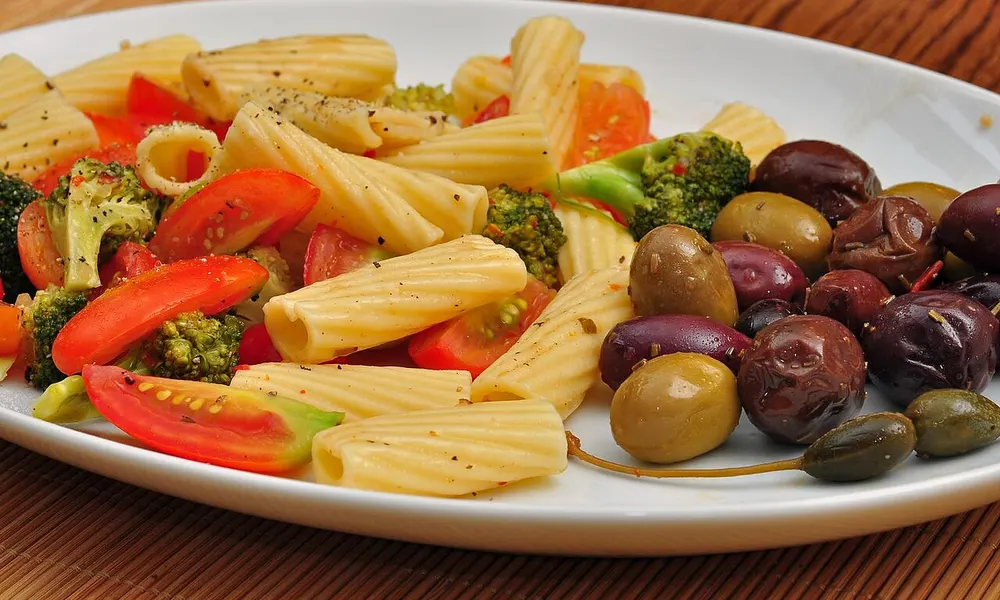
The classic use is chicken piccata, where capers go into a lemon and butter sauce at the end and stay bright and firm. The same trick works for fish: add a spoonful to the pan sauce in the last minute, with lemon juice and a knob of butter, and spoon it over the fillet. Capers also belong in pasta puttanesca, where they cook briefly with tomatoes, olives and anchovies, and the three salty ingredients balance each other instead of competing. That balance is why they pair so well with canned anchovies, a partnership that has lasted for generations in Mediterranean cooking.
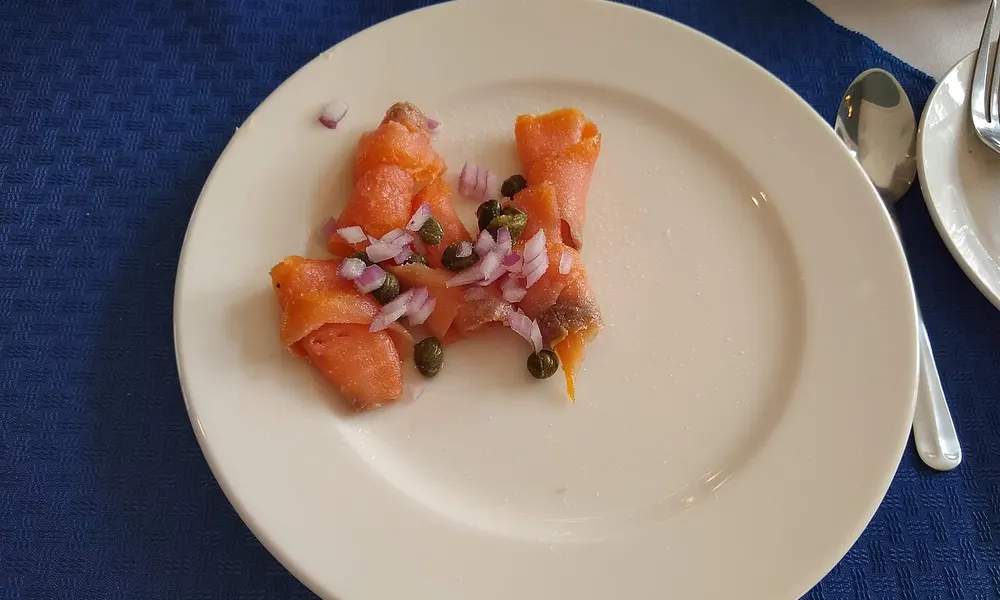
Beyond hot dishes, capers lift cold food just as well. Stir them into tartar sauce, tuna salad or a potato salad, chop them into a vinaigrette, or scatter them over smoked salmon with red onion and lemon. They are also good fried: dry them well, drop them into hot oil for a minute until they open like tiny flowers, and use them as a crisp topping for fish, salads or pasta. Fried capers keep their crunch for a short time only, so fry them just before serving and scatter them at the last moment.
Mistakes that waste a good jar
The most common mistake is adding capers too early. Long cooking turns them soft, grey and dull, and the sharp flavour they were bought for disappears into the sauce. Add them in the last few minutes, or stir them in off the heat, and they will keep their shape and bite. The second mistake is using too many. Capers are a seasoning, not a vegetable, and a tablespoon is plenty for a dish serving four. A third mistake is forgetting to taste: a sauce that already has stock, cheese or cured meat may need no extra salt once the capers go in.
A fourth mistake is buying caper berries for a recipe that calls for capers. Berries are milder, larger and served on stalks, and they will not give the same sharp burst in a sauce. A fifth is storing an open jar badly, with the capers left above the brine where they dry out and toughen. Keep them covered, keep the jar cold, and they will repay the care for weeks. Treat them with the same respect you would give olives, another brined ingredient that turns dull when it is left to dry out.
How to store capers
Keep unopened jars in a cool, dark cupboard and they will last for many months. Once opened, refrigerate the jar with the capers fully covered in their brine, and top up with a little salted water if the level drops. Always use a clean spoon, and never put a used spoon back in the jar. Salt-packed capers keep even longer if they are kept dry and sealed, but once soaked they should be treated like brine-packed ones. Discard the jar if the brine turns slimy, the smell turns musty, or the capers have gone soft and brown. If you only cook with capers occasionally, buy the smallest jar you can find, because a small jar finished while it is still firm is worth more than a large jar that slowly fades in the back of the fridge.
Checklist: buying capers in 2026
- Choose small, even nonpareils for everyday cooking, and larger capers only for roasting or frying.
- Check the jar: plump, green capers covered in clear brine, with no shrivelled or brown pieces.
- Read the label: capers, water, salt and vinegar, with no added colouring or flavourings.
- Decide brine or salt: brine for convenience, salt for the most intense flavour.
- Rinse when the dish is already salty, and soak salt-packed capers for ten to fifteen minutes.
- Store open jars cold, covered in brine, with a clean spoon every time.
Frequently asked questions
What do capers taste like?
Capers taste salty, sharp and lemony, with a floral note underneath. They are not as hot as a chilli or as sour as a pickle, and their flavour is best described as a bright, briny pop. A small amount adds lift to rich food without making the dish taste of vinegar.
Are capers olives or berries?
Neither. Capers are the unopened flower buds of the caper bush, picked by hand and pickled in brine or salt. Caper berries are the fruit of the same plant, larger and milder, and olives come from a different tree altogether. They look similar in a jar, but they taste and cook differently.
Do I need to rinse capers before using them?
Rinse them when the dish is already salty, and use them straight from the jar when the dish needs seasoning. Salt-packed capers always need a rinse and a soak in cold water for ten to fifteen minutes. Brine-packed capers can go straight into a plain sauce or onto fish.
How long do open capers last in the fridge?
An open jar of brine-packed capers lasts several weeks, and often a month or more, if the capers stay covered in brine and the jar stays cold and clean. Discard them if the brine turns slimy, the smell turns musty, or the capers have gone soft and brown.
What can I use instead of capers?
Chopped green olives are the closest substitute, with a similar salty bite, and pickled nasturtium seeds work well too. Neither tastes exactly like capers, so use a little less and taste as you go. A squeeze of lemon with a pinch of salt can add brightness, but it will not replace the texture.
Are capers healthy?
Capers are very low in calories and add flavour without fat, but they are high in salt. Used by the spoonful they fit easily into most diets, and rinsing them cuts the salt further. They also sit well in a salad built around a good Caesar dressing, where a small spoonful adds sharpness without changing the character of the dish.
Bottom line
Buy small, even capers in brine for everyday cooking, rinse them when the dish is already salty, and add them at the end so they stay firm and bright. A tablespoon is usually enough, and a jar kept cold and covered in brine will last for weeks. Do that, and capers will do what they have always done best: turn a good dish into a finished one with a single sharp, lemony bite. Start with a small jar of nonpareils, taste as you cook, and let that bright salty pop do the work.


