
Best Cocktail Sauce for Shrimp and Seafood in 2026
The best cocktail sauce for shrimp and seafood in 2026 is the one that does a very simple job well: sharp, cold and bright enough to wake up sweet shellfish without drowning it. A good cocktail sauce is not a complicated thing. At its best it is ketchup, horseradish, lemon juice and a little heat, mixed in the right proportions and served cold, so the first dip tastes of tomato and horseradish, then the lemon arrives, and then a slow warmth builds at the back of your throat. This guide compares the best cocktail sauces of 2026 by type, so you can match the sauce to the seafood you serve.
Key takeaways
- Horseradish decides a cocktail sauce: fresh, grated horseradish gives a clean, sharp heat, while old or weak horseradish leaves the sauce flat and sweet.
- A good cocktail sauce should cling to the shrimp, not run off it; if it drips straight back into the bowl, it is too thin.
- Classic tomato-based sauce suits chilled shrimp and oysters best, while spicier and smoky versions suit grilled and fried seafood.
- Serve cocktail sauce cold, in a small bowl beside the seafood, and never pour it over the shrimp, because it warms up and makes the seafood soggy.
- Make your own when you have five minutes: ketchup, horseradish, lemon juice, Worcestershire sauce and hot sauce, tasted and adjusted, beats most jars.
How the best cocktail sauces were chosen
Every type below was scored on five measures. Balance comes first: can you taste the tomato, the horseradish and the lemon separately, or does one of them bury the other two? Heat is second, judged on whether the warmth builds slowly and fades cleanly, rather than hitting hard and staying hot. Texture is third, because a cocktail sauce has to cling to a cold shrimp and stay on it, not slide off or run down the side of the glass. Freshness is fourth: a sauce that tastes bright and sharp beats one that tastes flat, sugary or tired, however famous the label. Value is fifth: the real cost per serving, because a big jar that goes half-used is worse value than a small one that gets finished.
Two notes before the list. First, no single brand is named as the best, because the same good patterns appear across many jars and home recipes, and what matters is learning to recognise them on the shelf and in the bowl. Second, cocktail sauce is a dipping sauce, not a cooking sauce, so this guide judges it cold, on chilled seafood, which is where it belongs. It is the natural partner for the shrimp in our guide to the best canned shrimp and the crab in our guide to the best canned crab. Our guide to the best tartar sauce covers the creamy sauce for fried seafood, while cocktail sauce belongs with chilled seafood.
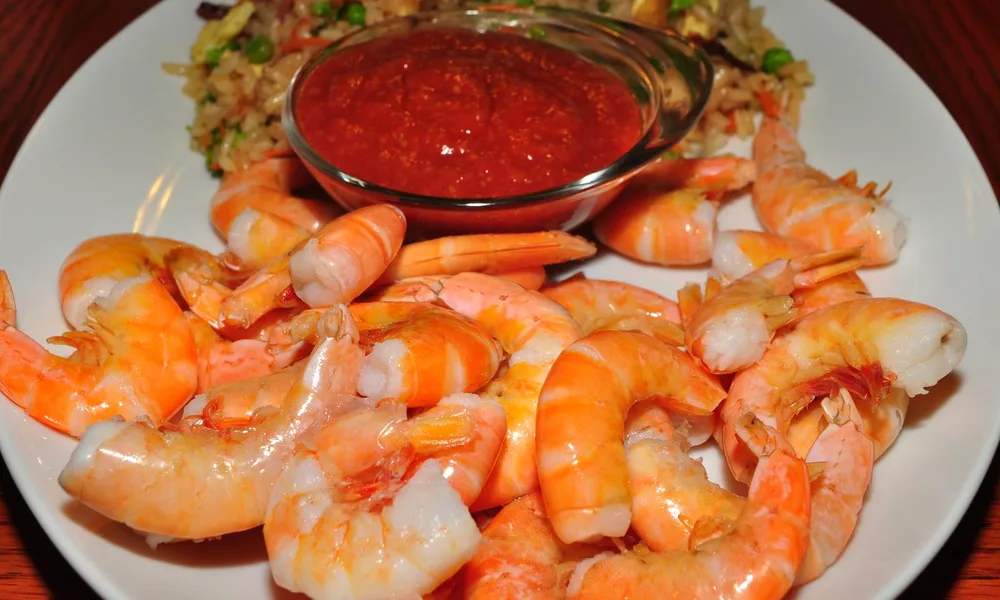
Comparison table: the best cocktail sauce for shrimp and seafood 2026
| Rank | Sauce type | Best for | Watch out for |
|---|---|---|---|
| 1 | Classic tomato and horseradish | Chilled shrimp, oysters | Cheap jars can be too sweet |
| 2 | Extra-hot horseradish | Spicy shrimp cocktail, raw bars | Overpowers delicate seafood |
| 3 | Homemade five-minute | Any occasion, exact to taste | Needs fresh horseradish to shine |
| 4 | Smoky chipotle | Grilled shrimp, fried seafood | Smoke can bury the lemon |
| 5 | Louisiana-style hot sauce | Crawfish, spicy boils | Vinegar-forward, less tomato depth |
| 6 | Low-sugar | Everyday dipping, lighter diets | Can taste sharp and thin |
| 7 | Bloody Mary style | Brunch shrimp, oyster shooters | Best as a change, not an everyday sauce |
The best cocktail sauce for shrimp and seafood
1. Classic tomato and horseradish: the best all-rounder
The classic tomato and horseradish cocktail sauce is the best all-rounder, and it wins for the same reason a plain white shirt wins: it goes with everything and it never gets in the way. A good one is deep red, thick enough to cling to a shrimp, and balanced so that the tomato comes first, the horseradish arrives second with a clean, sharp heat, and the lemon finishes the bite. The best jars use real grated horseradish, not just horseradish flavouring, and you can tell the difference in the first dip: real horseradish warms the nose and fades fast, while flavouring tastes flat and a little chemical.
2. Extra-hot horseradish: the best for a spicy shrimp cocktail
An extra-hot horseradish cocktail sauce is the one to reach for when the shrimp cocktail is the centrepiece of the evening, because its heat turns a simple plate of chilled shrimp into something people remember. The best extra-hot sauces double the horseradish and keep the tomato base the same, so the sauce is still recognisably cocktail sauce, just louder, with a warmth that builds slowly and clears the nose instead of burning the tongue. The limit is delicacy: put extra-hot sauce on a small, sweet shrimp or a delicate piece of crab and the heat buries the flavour of the seafood itself.
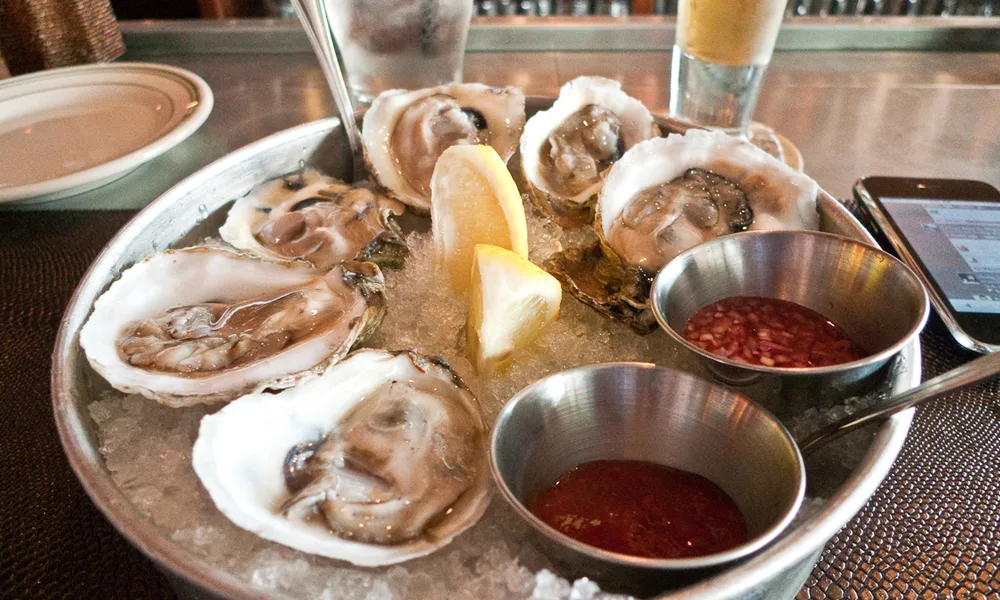
3. Homemade five-minute: the best when you want it exact
A homemade cocktail sauce, made in five minutes from the cupboard, is the best sauce of all when you want it exactly to your taste, and it is the easiest recipe in this guide. Stir together ketchup, freshly grated horseradish or good prepared horseradish, lemon juice, a dash of Worcestershire sauce and a few drops of hot sauce, then taste and adjust: more horseradish for heat, more lemon for brightness, a pinch of sugar only if the ketchup tastes sharp. The only rule is freshness: make it the same day you serve it, keep it cold, and use horseradish that still smells sharp when you open the jar, because old horseradish is the one thing that can ruin a homemade sauce.
4. Smoky chipotle: the best for grilled and fried seafood
A smoky chipotle cocktail sauce is the best choice when the seafood is grilled or fried, because the smoke in the sauce matches the char on the shrimp and the crispness of a fried coating. The best versions start with the classic tomato base and add chipotle peppers in adobo, which bring a slow, smoky heat that is very different from the sharp heat of horseradish. The trade-off is the lemon: smoke can bury citrus, so the best chipotle sauces use a little more lemon juice than the classic, and you should taste for it before serving.
5. Louisiana-style hot sauce: the best for crawfish and boils
A Louisiana-style cocktail sauce, built on hot sauce and vinegar rather than ketchup, is the best choice for crawfish boils and spicy seafood, because it is made for the same table as the boil itself. It is thinner than the classic sauce, more vinegar-forward, and the heat comes from cayenne and hot sauce rather than horseradish, so it tastes brighter and sharper, with less tomato sweetness. The limit is that it is not a good all-rounder: on a plain chilled shrimp it can taste thin and vinegary, and it does not cling to the seafood the way a thicker sauce does.
6. Low-sugar: the best lighter option
A low-sugar cocktail sauce is the best choice when you are watching sugar, or when you simply prefer a sharper sauce, because most jarred cocktail sauces are sweeter than they need to be. Ketchup is already sweet, and many jars add more sugar on top, so a low-sugar version lets the tomato, the horseradish and the lemon speak instead of the sugar. The risk is a sauce that tastes only of vinegar and heat, with no body to it, so read the label and look for tomato as the first ingredient, not water or vinegar. Taste it cold before you serve it, because a low-sugar sauce that tastes fine at room temperature can taste harsh when it is chilled.

7. Bloody Mary style: the best brunch sauce
A Bloody Mary style cocktail sauce is the best choice for a brunch shrimp cocktail or an oyster shooter, because it borrows the flavours of the drink: tomato, celery salt, black pepper, Worcestershire sauce and a good measure of hot sauce, with horseradish in the background. It is the most complex sauce in this guide, and the most fun, with a savoury, almost salty depth that the classic sauce does not have. The trade-off is that it is a special-occasion sauce, not an everyday one: its strong savoury flavour can tire the palate over a long evening, and it does not suit delicate crab or sweet shrimp as well as the classic.
What to avoid when buying cocktail sauce
The most common cocktail sauce regret is not a bad sauce but a wrong match: an extra-hot sauce on delicate crab, a smoky sauce on chilled shrimp, or a cheap, sugary jar served to guests who expected the real thing. Avoid the trap by checking three things before you buy: the ingredient list, because a good sauce lists tomato and horseradish near the top and sugar near the bottom; the date, because an old jar has lost its horseradish bite even if it is still in date; and the thickness, because a sauce that pours like water will slide off the shrimp and pool in the bottom of the glass.
Checklist: buying cocktail sauce for shrimp and seafood
- Choose a classic tomato and horseradish sauce for chilled shrimp and oysters, and save the spicy and smoky versions for grilled and fried seafood.
- Check the label: tomato and horseradish near the top, sugar near the bottom, and no horseradish flavouring in place of the real thing.
- Taste the sauce cold before serving, because a sauce that tastes balanced at room temperature can taste flat or harsh when chilled.
- Serve it cold in a small bowl beside the seafood, with a spoon, and never pour it over the shrimp.
- Make your own in five minutes when you want it exact, and use fresh horseradish that still smells sharp.
- Keep an opened jar in the fridge and use it within a few weeks, because the horseradish bite fades long before the sauce goes off.
Frequently asked questions
What is cocktail sauce made of?
Classic cocktail sauce is ketchup, horseradish, lemon juice, Worcestershire sauce and hot sauce, mixed in proportions that let you taste the tomato, the horseradish and the lemon separately.
Is cocktail sauce the same as ketchup?
No. Ketchup is the base, but cocktail sauce adds horseradish, lemon juice, Worcestershire sauce and hot sauce, which make it sharper, hotter and brighter.
How long does cocktail sauce keep once opened?
An opened jar keeps for several weeks in the fridge, but its horseradish bite fades within the first week or two, so it is best used quickly.
Can I make cocktail sauce without horseradish?
You can, but it will not taste like cocktail sauce. Wasabi or mustard can add heat, but neither gives the clean, sharp warmth of horseradish.
What seafood goes best with cocktail sauce?
Chilled shrimp first, then oysters, crab and clams. Cocktail sauce is made for cold, sweet shellfish, where its sharpness balances the sweetness.
Should cocktail sauce be served cold or at room temperature?
Cold, always. Keep the bowl on ice if it will sit out for more than half an hour.
Bottom line
The best cocktail sauce for shrimp and seafood in 2026 is the one that matches the seafood on the table: a classic tomato and horseradish sauce for chilled shrimp and oysters, an extra-hot version when the shrimp is big and sweet and the guests like heat, a homemade five-minute sauce when you want it exact, and a smoky or Louisiana-style sauce when the seafood is grilled, fried or boiled. Check the label, taste it cold, and serve it beside the seafood.


