Why Canned Crab Belongs in Your Pantry in 2026
Canned crab is the quiet luxury of the pantry shelf. A small tin holds sweet, delicate crab meat that is already cooked, already picked, and ready to eat the moment you open it. There is no cracking shells, no picking through legs with a fork, and no paying restaurant prices for a handful of meat. You can turn it into crab cakes in twenty minutes, fold it into pasta in ten, or eat it cold with lemon and good bread.
It has also become much easier to buy well. The tins on shelves in 2026 range from delicate lump meat to affordable claw meat, and from shelf-stable tins that keep for years to chilled pasteurised tubs that taste close to fresh. The differences between them are real: lump meat makes a crab cake that holds together, while claw meat makes a pasta sauce with more flavour for less money. Knowing which tin to grab, and what to check before you open it, is the whole skill.
Key takeaways
- Lump crab is the premium cut for crab cakes and salads; claw meat is darker, stronger-flavoured, and better for sauces.
- Backfin sits between the two: broken lump pieces that cost less and still work in most recipes.
- Pasteurised crab tastes fresher and needs the fridge; shelf-stable tins keep for years in the cupboard.
- Always check for shell pieces before cooking, even in a good tin, and pick them out by hand.
- A tin of canned crab plus pasta, bread, or eggs is a complete dinner in under twenty minutes.

What canned crab actually is
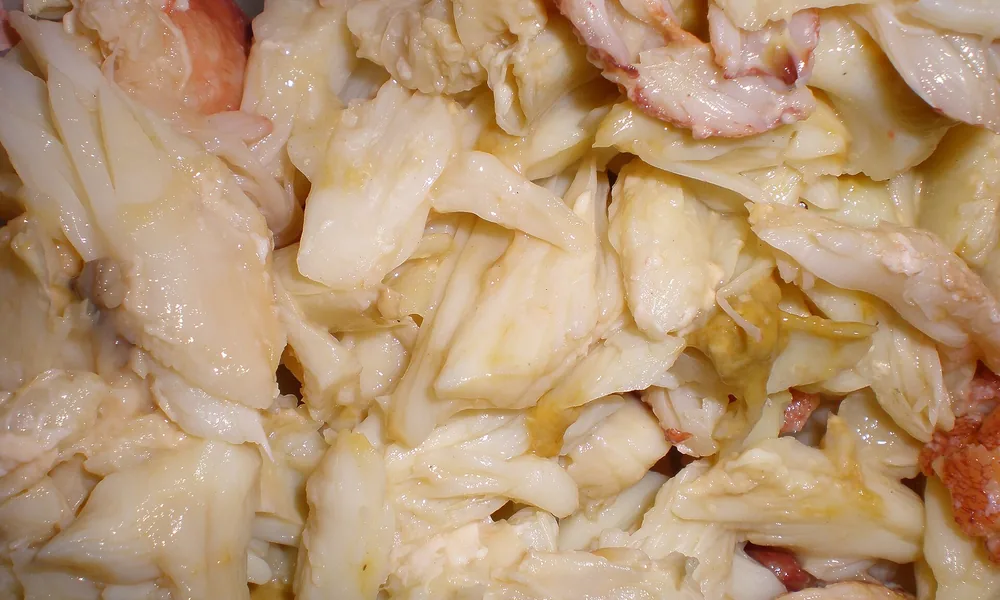
Canned crab is real crab meat that has been cooked, picked from the shell, and sealed in a tin or tub. The canning process cooks it fully, so it is ready to eat cold or warmed through. Most tins hold white meat from the body and legs, packed in water or its own natural liquor, and the flavour is sweet, delicate, and unmistakably crab: lighter than lobster, more refined than prawns, with a faint brininess that needs little more than lemon and butter. It is a cooked, ready-to-use shellfish that behaves like a pantry staple.
That is exactly what makes it useful. A fresh crab needs cracking, picking, and patience, and half the meat ends up on the table rather than the plate. Canned crab needs a tin opener. It keeps for months or years on a shelf, costs a fraction of a restaurant portion, and is portioned for one or two people. A single tin is enough for a generous serving of crab cakes, a pasta dish for two, or a hearty crab salad.
Lump vs claw vs backfin: the three cuts
The first thing to understand is the cut, because it decides both the price and the dish. Lump crab is the premium cut: large, whole pieces of white meat from the body of the crab, with long fibres and a clean, sweet flavour. It is the meat to buy for crab cakes, crab salads, and any dish where the crab is the star and you want to see whole pieces. It is the most expensive tin, so use it where it shows, and fold it in gently rather than stirring hard.
Claw meat is the budget cut, and it is often the smarter buy. It comes from the claws and legs, so it is darker, with a brownish tint, a stronger flavour, and a softer, flakier texture. It is not as pretty as lump, but it tastes more of the sea, and it is better in cooked dishes where flavour matters more than appearance: pasta sauces, soups, dips, and fillings. Backfin sits between the two: broken lump pieces with the same clean flavour, at a middle price, and it is the best all-rounder for home cooking.
Canned crab at a glance
| Cut | Flavour | Texture | Best for |
|---|---|---|---|
| Lump | Sweet, clean, delicate | Large whole pieces | Crab cakes, salads, cocktails |
| Backfin | Sweet, mild | Broken flakes | Everyday cooking, stuffing |
| Claw | Strong, savoury, rich | Soft, flaky, darker | Pasta, soups, dips, sauces |
| Special | Mild, light | Fine shreds | Fillings, spreads, omelettes |
Pasteurised vs shelf-stable: which pack to buy?
The second choice is the pack, and it matters more than most shoppers realise. Pasteurised crab comes in a sealed tub or tin that has been gently heat-treated and must be kept in the fridge. It tastes the closest to fresh crab you can buy without cracking a shell: sweet, moist, and delicate, with whole pieces that hold their shape. It is the best choice for crab cakes, salads, and cold dishes. The trade-off is a short shelf life, a higher price, and the need to keep it cold.
Shelf-stable canned crab is the pantry version. It is cooked at a higher temperature and sealed in a tin that keeps for years in a cupboard, which is why it is the tin most people mean when they say canned crab. It tastes slightly less delicate and the meat can be a little softer, but it is still sweet and unmistakably crab. For cooked dishes such as pasta, soups, and dips, the difference is small. Keep pasteurised crab for cold dishes and shelf-stable tins for everything else. The same split between fresh-tasting and long-life packs shows up across the shelf, and our guide to canned salmon explains how to weigh convenience against flavour.
Picking out shell and checking quality
Every tin of crab, however good, can contain small pieces of shell, so checking is part of cooking with it. Tip the meat into a wide bowl, spread it out, and pick through it with clean fingers or a fork, feeling for hard, sharp pieces. It takes a minute, and it is the difference between a good crab cake and an unpleasant crunch. Good tins have very little shell, but no tin is guaranteed free of it, and skipping this step is the most common mistake with canned crab.
Quality checks start before you open the tin. It should be undented, with no swelling, rust, or leaking seals, and the date should give you months of shelf life. Inside, the meat should be white or lightly golden for lump and backfin, and a little darker for claw, with clear or lightly golden liquor rather than murky grey liquid. Smell it when you open the tin: it should smell sweet and sea-like, not sharp or sour. Press a piece gently with a fork. Good crab meat springs back and feels moist but firm, while poor crab feels mushy, dry, or stringy.
Four quick meals that start with a tin
Canned crab cooks fast, so these meals are built around it rather than asking it to wait. Each one takes twenty minutes or less and serves two with a single tin.
1. Classic crab cakes
Mix a tin of lump or backfin crab with a beaten egg, a spoonful of mayonnaise, breadcrumbs, mustard, and a little lemon zest. Shape into four cakes and fry in butter for three minutes a side until golden. Handle the mix as little as possible, so the crab stays in pieces, and serve with a green salad and lemon.
2. Crab linguine
Warm olive oil with garlic and chilli flakes, add a tin of claw meat with its liquor, and toss through hot linguine with parsley and lemon. The liquor becomes the sauce, the claw meat gives it a deep savoury flavour, and the whole dish takes as long as the pasta takes to cook.
3. Warm crab dip
Stir a tin of claw or backfin crab into softened cream cheese with a little grated hard cheese, lemon juice, and a pinch of paprika. Warm it gently in a small dish until it bubbles, and serve with crackers or toasted bread. Like the dip in our guide to canned clams, it is best served straight from the oven while it is still hot.
4. Crab and egg breakfast
Fold a tin of backfin or special crab into softly scrambled eggs with chives and a knob of butter, and serve on buttered toast. It takes five minutes and one pan, and the crab warms through in the eggs without overcooking.

Storing, serving, and safety basics
Unopened shelf-stable tins keep for years in a cool, dark cupboard, and the date on the tin is generous. Once any tin is opened, treat the crab like cooked seafood: eat it the same day, or keep it in a covered container in the fridge for no more than a day. Do not store it in the opened tin, and do not leave it at room temperature for hours. If a tin hisses loudly, spurts, or smells wrong when opened, throw it away. Serve lump crab cold or barely warmed, so its delicate flavour and texture survive. Claw meat can take more heat, which is why it suits pasta and soups.
Pantry checklist: buying canned crab well
- Choose lump for crab cakes and salads, backfin for everyday cooking, claw for sauces and dips.
- Buy pasteurised for cold dishes and crab cakes, shelf-stable tins for cooking and the cupboard.
- Check the tin is undented and in date, and the meat is white or lightly golden with clear liquor.
- Always pick through the meat by hand for shell pieces before you cook with it.
- Keep the liquor and use it in pasta sauces, soups, and risottos for extra flavour.
- Buy one tin of lump and one of claw first, taste both, then stock up on the cut you use most.
Frequently asked questions
Is canned crab already cooked?
Yes. Canned crab is fully cooked during canning, so it is ready to eat straight from the tin, cold or warmed through. You only need to heat it gently if a recipe calls for it, and overcooking will make it dry and stringy.
Which cut of canned crab is best?
It depends on the dish. Lump is best when the crab is the star and you want whole pieces, as in crab cakes and salads. Claw is best for sauces, soups, and dips, where its stronger flavour matters more than its appearance.
Do I need to pick through canned crab for shell?
Yes, always. Even good tins can contain small pieces of shell, so tip the meat into a bowl, spread it out, and pick through it with clean fingers before you cook. It takes a minute and saves an unpleasant crunch later.
How long does canned crab last once opened?
Eat it the same day if you can. If you must keep it, move it to a covered container in the fridge and use it within a day. Do not store it in the opened tin, and do not freeze it, as freezing ruins the texture.
Is canned crab healthy?
It is a good source of lean protein, selenium, and vitamin B12, and it is naturally low in fat. The main thing to watch is sodium, which varies by brand, so check the label if salt is a concern.
What is the best first recipe for a beginner?
Crab cakes. They take twenty minutes, use one tin of lump or backfin, and show off everything canned crab does well: sweet flavour, whole pieces, and a golden crust. If you like those, try the linguine next. For another fast pantry seafood, our guide to canned trout is a good next read.
The bottom line
Canned crab belongs in your pantry because it turns the hardest part of eating crab, the picking, into something someone else has already done. Buy lump for the dishes where the crab shows, claw for the dishes where it flavours, and keep a shelf-stable tin or two for the nights when dinner needs to happen fast. Check for shell, keep the liquor, and treat the meat gently.