
Why Canned Clams Belong in Your Pantry in 2026
Canned clams belong in your pantry in 2026 because they turn a bare cupboard into dinner in minutes. A tin of clams, a pot, and ten minutes is all that stands between you and a bowl of chowder, a plate of linguine, or a dip that disappears at a party. They are cheap, they keep for years, and they carry a briny, savoury flavour that fresh shellfish cannot always match for convenience. The trick is buying the right tin — chopped or whole — and knowing what to do with the juice.
Most of the clams in the shops are surf clams or ocean quahogs, cooked, shucked and packed in their own juice, then sealed and heated so the tin keeps for years without refrigeration. They arrive chopped, whole, or as baby clams, and each style suits a different dish. This guide explains the styles, the juice, and the meals that make canned clams worth their shelf space.
Key takeaways
- Chopped clams are the workhorse tin: best for chowder, dips and sauces, where the clams blend in.
- Whole clams are the showpiece tin: best for pasta and dishes where you want to see and bite the clam.
- Never throw the clam juice away — it is the most flavourful liquid in the tin and the base of a good chowder.
- Rinse canned clams lightly if a dish needs less salt, but keep the juice for cooking.
- Once opened, canned clams keep for two to three days in the fridge in a sealed container, never in the opened tin.
What is actually in the tin?
A tin of canned clams holds cooked clam meat packed in clam juice, sometimes with a little salt and nothing else. The clams are steamed open, shucked, and packed while hot, then the tin is sealed and heated again so it is shelf-stable. That cooking is what makes canned clams so convenient: there is no shucking, no grit to wash out, and no risk of a clam that refuses to open. What you get is clean, tender meat ready to eat straight from the tin.
The meat is pale, mild and faintly sweet, with the briny flavour of the sea rather than the strong fishiness of tinned fish. A good tin holds plump, tender pieces in clear juice that smells of the sea. A bad tin holds grey, rubbery pieces in cloudy liquid, or meat so soft it falls apart into shreds.
Chopped clams
Chopped clams are clam meat cut into small pieces, and they are the most useful tin to keep. They disappear into chowder, clam dip, stuffing and pasta sauce, giving every spoonful a briny, meaty note without demanding attention. Because they are small, they cook in seconds and never turn rubbery if the pot simmers a little too long. If you only keep one tin of clams, make it chopped: it does the most jobs with the least fuss.

Whole clams
Whole clams are intact clam meats, larger and meatier than chopped, and they are the tin to buy when the clam itself is the point of the dish. In linguine alle vongole, a handful of whole clams on top of the pasta is the whole meal — you see them, you bite them, and the dish feels like a restaurant plate. Whole clams need gentle handling: add them at the very end of cooking, just long enough to heat through, or they toughen.
Baby clams
Baby clams are small whole clams, tender and mild, and they sit between the other two styles. They are small enough to scatter through pasta or a salad without dominating, but whole enough to bite. They suit dishes where chopped clams would vanish and whole clams would overwhelm: a light pasta, a seafood salad, or a pizza topping. If a recipe calls for whole clams and the tin looks large and tough, baby clams are often the better buy.
Chopped or whole: which tin for which meal?
The choice is simple once you think about whether the clam should be seen or felt. Chopped clams belong in dishes where the clam is an ingredient among others — chowder, dip, sauce, stuffing. Whole clams belong in dishes where the clam is the star — pasta, a seafood platter, or a plate of clams on their own. Baby clams cover the middle ground. Keep chopped and whole in the cupboard and you can cook almost anything a clam can do.
| Style | Size and texture | Flavour | Best for |
|---|---|---|---|
| Chopped clams | Small pieces, tender | Mild, briny, blends in | Chowder, dips, sauces |
| Whole clams | Large, meaty, firm | Rich, clearly clam | Linguine, pasta, platters |
| Baby clams | Small and whole | Delicate, sweet | Light pasta, salads, pizza |
| Clam juice alone | Liquid only | Concentrated, salty-sea | Soups, risotto, steaming |
The juice: do not throw it away
The liquid in the tin is clam juice, the cooking liquor of the clams themselves, and it is the most flavourful thing in the tin. It is salty, briny and deeply savoury — the base of a good chowder, a seafood risotto, or a pot of steamed mussels. Pour it off into a jug when you open the tin, taste it, and use it before reaching for stock or water. A chowder made with clam juice tastes like the sea; the same chowder made with water tastes like potatoes.
Use the juice to cook the potatoes for chowder, to loosen a pasta sauce, or to deglaze a pan after frying garlic and chilli. If a dish is already salty enough, use the juice anyway and hold back the salt elsewhere — the juice brings flavour, not just salt. Like the packing liquid in canned sardines, it is an ingredient in its own right.

How to read the label before you buy
The label should be short: clams, clam juice, salt. That is all a good tin needs. A long list of flavourings, thickeners or preservatives usually means the clams are being stretched, and the flavour will taste of the additives rather than the sea. Check the drained weight too — compare tins by the weight of the clam meat inside, not the weight of the tin, because a tin that looks generous can be mostly juice.
Sodium is the number to watch. Canned clams are naturally salty, and some brands add more salt than others. If you cook with the juice, choose a lower-sodium tin, or rinse the clams lightly and keep the juice for a dish that needs less salt. Finally, look at the best-before date: an unopened tin keeps for two to five years in a cool cupboard, but a tin within date tastes better.
Quick meals that make canned clams shine
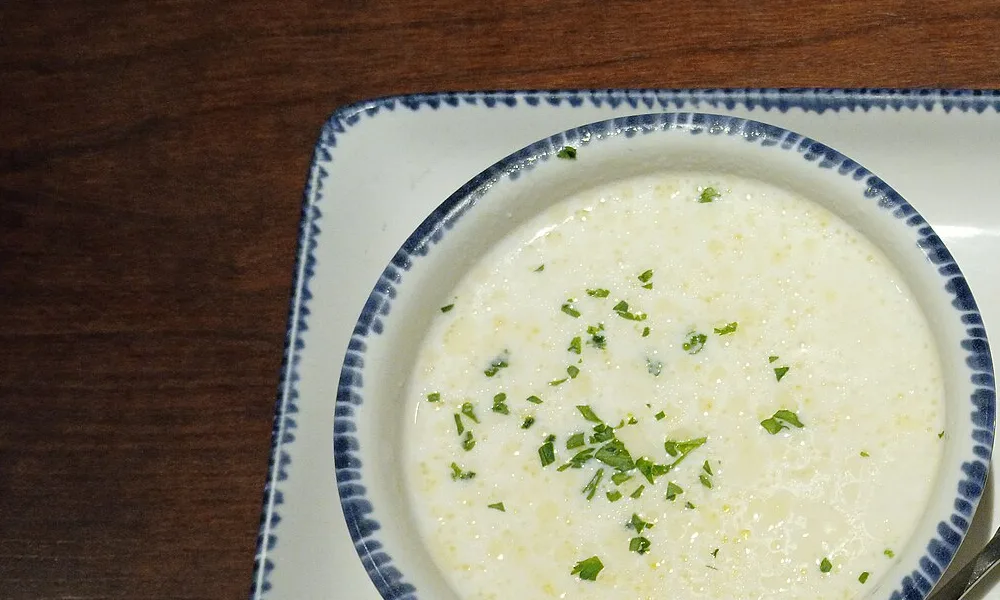
The fastest meal is New England clam chowder, and it takes less time than most people think. Soften onion, celery and potato in butter, add the clam juice and chopped clams, simmer until the potato is tender, then finish with cream. Twenty minutes, one pot, and a bowl that tastes like a seaside restaurant.
For pasta, linguine alle vongole is the classic: garlic and chilli in olive oil, whole clams and a splash of clam juice, tossed through linguine with parsley. Ten minutes, and the juice becomes the sauce. Clam dip is the party trick — chopped clams folded into cream cheese with lemon, garlic and herbs, served with crackers — and it vanishes faster than anything else on the table. Clams also make excellent fritters: chopped clams in a light batter, fried until golden. For a soup base, remember that canned soup is a fine shortcut, but a chowder built on clam juice and chopped clams is better, and barely slower.
Checklist: buying canned clams
- Choose the style by the dish: chopped for chowder and dips, whole for pasta, baby for light dishes.
- Check the label: clams, clam juice and salt should be nearly all that is listed.
- Compare drained weight, not tin weight, so you pay for clams rather than juice.
- Keep the juice — it is the base of chowder, risotto and pasta sauce.
- Pick a lower-sodium tin if you plan to cook with the juice.
- Store unopened tins in a cool, dry cupboard and check the best-before date.
Storage after opening
Once opened, canned clams keep for two to three days in the fridge. Move the clams and their juice into a sealed glass or plastic container as soon as the tin is open — never store them in the opened tin, where the metal taints the flavour. Keep the juice with the clams unless you have already used it; it keeps the meat moist. If the clams smell sour or sharp, or the juice has turned cloudy and off, throw them away: clams are cheap, and a doubtful tin is never worth the risk.
Unopened tins need no fridge at all. Keep them in a cool, dry cupboard away from heat, and they will keep for years. A tin that is swollen, badly dented at the seam, or leaking should go straight in the bin without tasting. That is rare with a reputable brand, but it is the one rule that has no exceptions.
Frequently asked questions
Are canned clams as good as fresh clams?
For cooking, often yes. Canned clams are already shucked, cleaned and tender, with no grit and no risk of a clam that will not open. Fresh clams win for eating on the half shell, but for chowder, pasta and dips, canned clams are more convenient and more consistent.
Should you rinse canned clams?
Rinse them lightly if a dish needs less salt, or if the juice tastes very salty. Otherwise do not rinse: you wash away flavour along with the salt. Keep the juice in every case, and use it in the cooking — it is the most flavourful part of the tin.
What is the difference between chopped and whole canned clams?
Chopped clams are cut into small pieces and blend into chowder, dips and sauces. Whole clams are intact meats, larger and meatier, and suit pasta and dishes where the clam is the star. Baby clams are small whole clams, tender and mild, for light pasta and salads.
Can you eat canned clams straight from the tin?
Yes. They are fully cooked and ready to eat, and they are good on toast with lemon, or scattered over a salad. Most people prefer them cooked into a dish, where the heat wakes up the flavour — but straight from the tin with a squeeze of lemon is a perfectly good snack.
How long does an unopened tin of clams last?
Two to five years in a cool, dry cupboard, depending on the brand. The best-before date is about quality rather than safety, so a tin just past its date is usually fine, but a tin within date tastes better. Discard any tin that is swollen, leaking or badly dented at the seam.
What is the best first tin of clams to buy?
Chopped clams. They do the most jobs — chowder, dip, pasta sauce, stuffing — and they are the most forgiving tin to cook with, since they never turn rubbery. Add a tin of whole clams once you want to try linguine alle vongole, where the clam itself is the point. A good pasta sauce base helps too, but the clam juice does most of the work on its own.
The bottom line
Canned clams belong in your pantry in 2026 because they are cheap, they keep for years, and they turn a bare cupboard into chowder, linguine or dip in minutes. Buy chopped clams for cooking and whole clams for pasta, keep the juice and cook with it, and check the label for a short ingredient list. It is one of the smallest, cheapest tins on the shelf — and one of the hardest working.


