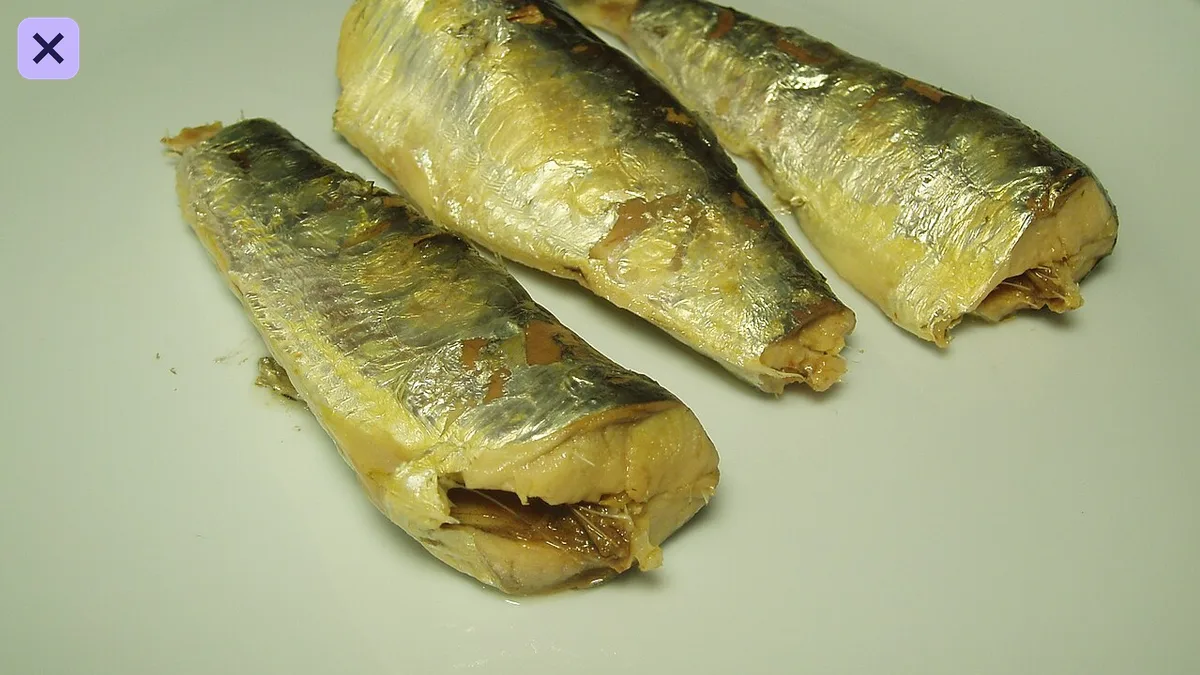
Canned sardines are the most underrated tin in the supermarket: cheap, packed with protein and omega-3s, and ready to eat in seconds. They are also the tin most people buy once and never buy again — because the first tin was the wrong kind. The best canned sardines for quick, healthy meals in 2026 come down to what the fish are packed in, how big and bony they are, and whether the flavour suits the meal you want to make.
Key Takeaways
- Sardines in olive oil taste richer and keep better than sardines in water, which are leaner but drier and more strongly fishy.
- Small sardines are more tender and have finer, softer bones than large ones, so check the size on the tin.
- The bones in canned sardines are soft, edible and full of calcium — eat them rather than picking them out.
- Drain sardines well, then season them before you build the dish: lemon, olive oil and black pepper fix most complaints.
- Once opened, sardines keep two to three days in the fridge in a sealed container, never in the opened tin.
What Is Actually in the Tin?
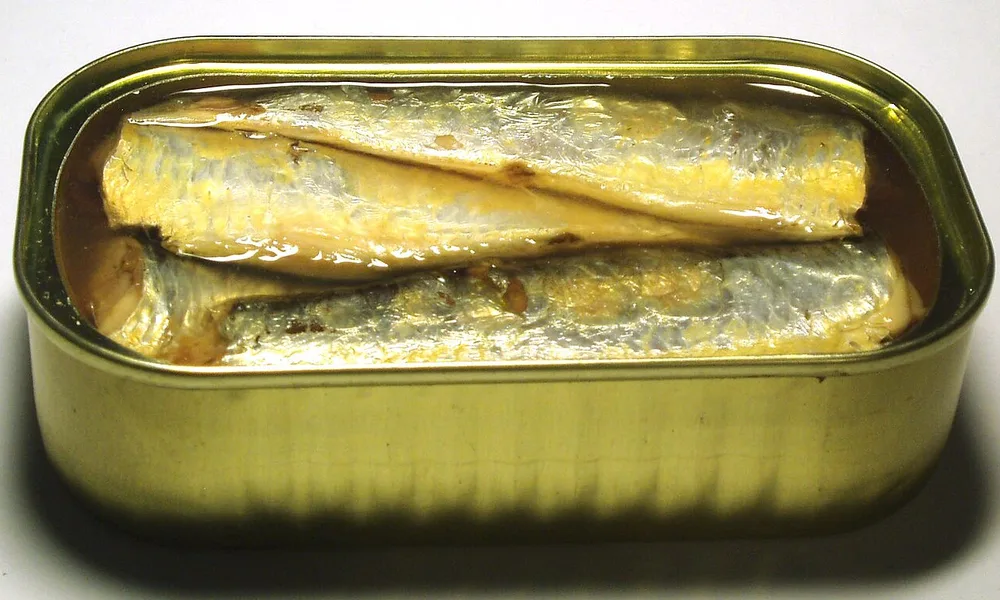
A tin of sardines holds whole small oily fish, usually pilchards or young herring, that have been cleaned, headed and packed by hand, then cooked in the sealed tin. That cooking is what makes the bones soft enough to eat and the flesh tender enough to flake with a fork. The fish are layered neatly, skin on, in oil, water, tomato sauce or mustard sauce — and the packing liquid matters as much as the fish.
Size varies more than the tin suggests. Some tins hold six or seven large sardines, others hold a dozen small ones. Small sardines are more delicate, with finer bones and a milder flavour; large sardines are meatier and more strongly flavoured. Small sardines are the safer first buy. The tin rarely states the size, but you can judge by the count: more fish per tin means smaller fish. The skin is thin, silvery and edible. A tin that lists only sardines, oil or water, and salt is the cleanest buy.
In Oil vs in Water: The Big Choice
The first decision is the packing liquid. Sardines in olive oil are the classic tin: rich, silky and forgiving. The oil keeps the fish moist, carries flavour, and protects them in the tin for years. Sardines in water are leaner and lighter, but drier and more strongly fishy, because there is no oil to soften the flavour. They suit salads and sandwiches where you add your own dressing, but eaten plain they can taste stark.
Other packing liquids have their place. Sardines in tomato sauce are sweet and tangy, ready to eat with bread or rice, and a good first tin for anyone wary of fishiness. Sardines in mustard sauce are sharper, better for sandwiches than for eating plain. Sardines in sunflower or soybean oil are cheaper and plainer. If the tin says “in olive oil”, check the back: some tins blend olive oil with cheaper oils.
Do not throw the oil away — it has absorbed flavour from the fish. Drizzle it over the sardines or use it to dress a salad. The water from a water-packed tin is best drained away. Drain any tin well before you use it, because a puddle of packing liquid makes toast soggy and salads watery.
Canned Sardines, Compared
| Packed in | Flavour | Best for | Watch out for |
|---|---|---|---|
| Olive oil | Rich, silky, mild | Eating plain, toast, salads | Costs more; check it is pure olive oil |
| Water | Lean, strongly fishy | Salads, sandwiches with dressing | Dry texture, stark flavour |
| Tomato sauce | Sweet, tangy | Bread, rice, first-timers | Added sugar in some brands |
| Mustard sauce | Sharp, pungent | Sandwiches, crackers | Overpowers delicate dishes |
Price is a rough guide to quality, but only rough. Very cheap tins often hold larger, tougher fish in bland oil, while mid-priced tins from Portugal, Spain or Morocco — the countries with the longest sardine-canning traditions — are usually the sweet spot. Expensive tins are worth it for eating plain; for cooking, a mid-priced tin does the same job. Our guide to how to choose canned tuna that actually tastes good makes the same point about tinned fish generally: the packing liquid and the size of the fish matter more than the brand on the label.
The Bones Question
Every first-time sardine eater asks about the bones, and the answer is simpler than the worry. The bones in canned sardines are soft: the heat and pressure of canning break down the calcium structure, so the spine and ribs are pliable enough to chew and swallow without noticing. They are also rich in calcium — a tin of sardines with bones provides a large share of a day’s calcium.
That said, bones are a matter of size. Small sardines have fine, almost unnoticeable bones; large sardines have thicker spines you will feel. If you are serving sardines to children or to someone nervous about bones, choose a tin of small fish, or mash the sardines well with a fork. You can also buy boneless and skinless sardines — fillets packed without spine or skin. They cost more and taste a little less, but they remove the question entirely.
Flavour: What Good Sardines Taste Like
Good sardines taste of the sea without tasting fishy. The flavour should be rich and savoury, a little salty, with a clean finish. Bad sardines taste muddy, metallic or stale, and the flavour lingers unpleasantly.
Seasoning is the step most people skip, and it is the step that matters most. Sardines straight from the tin, unseasoned, taste flat. A squeeze of lemon, a drizzle of good olive oil, a crack of black pepper and a pinch of flaky salt transform them. Fresh herbs help too: parsley, chives or dill cut through the richness, and chopped red onion or capers add bite. Canned salmon needs the same treatment, as our guide to why canned salmon deserves a spot in your pantry explains — tinned fish is at its best when you season it like fresh fish.
Quick Meals: Five Ways to Use a Tin
The reason to keep sardines in the cupboard is speed: a tin turns into a meal in under five minutes, with no cooking and almost no washing up. The simplest way is sardines on toast — good bread, toasted well, a drizzle of olive oil, sardines laid on top, lemon and black pepper. Add sliced tomato, or a smear of butter under the fish, and it becomes a proper lunch.
Second, a sardine salad: flake the fish with chopped celery, red onion and parsley, dress with lemon and olive oil, and serve over leaves or in a wrap. Third, sardine pasta: warm olive oil with garlic and chilli, add the sardines and break them up, toss with spaghetti and breadcrumbs.
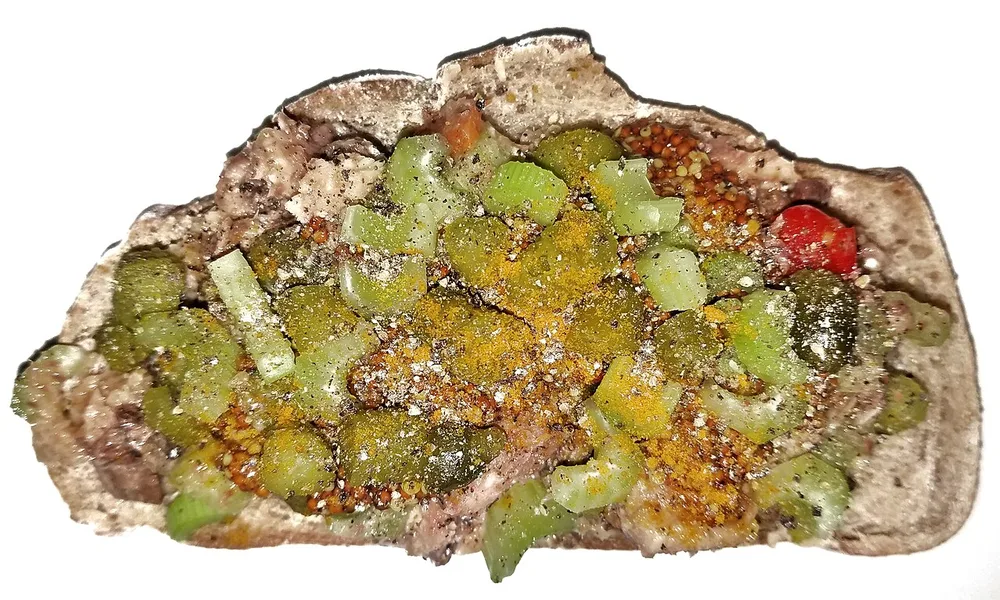
Fourth, mash the fish with mustard, curry powder and chopped cornichons, and spread it thickly on rye bread. Fifth, flake the fish over warm rice with soy sauce, spring onion and a soft egg. The pattern in all five is the same: acid, salt, crunch and something starchy to carry the fish.
Health: What You Are Actually Eating
Sardines are one of the healthiest foods you can buy in a tin. A single tin provides high-quality protein, long-chain omega-3 fatty acids, vitamin D, vitamin B12, selenium and calcium from the soft bones. They are also low in mercury, because sardines are small fish low on the food chain, and they accumulate far less mercury than tuna or swordfish.
The one number to watch is sodium. Canned sardines are salted for preservation, and a tin can hold a large share of a day’s recommended salt. Rinsing the fish briefly under cold water cuts the sodium, and choosing a low-sodium tin does the same job more neatly. Sardines in water tend to be saltier than sardines in oil, and tomato-sauce tins sometimes add sugar as well, so check the label.
Buying and Storing Sardines
Sardines keep for years unopened, which is why they are such a good pantry staple. Check the date, but do not worry if a tin is a year old — tinned fish improves with a little age, as the fish and oil mellow together. Avoid tins that are dented, swollen or rusty: a dent on the seam can break the seal, a swollen tin means gas inside, and rust can eat through the metal.
Once opened, sardines keep two to three days in the fridge, in a sealed container, covered in a little of their oil. They do not freeze well, so only open a tin you plan to finish quickly. Buy small tins if you only eat sardines occasionally, and keep two or three tins in the cupboard, in different styles. If you want to round out the same shelf, our guide to canned chicken for quick, easy meals covers the other end of the tinned-protein cupboard, and the storage rules are the same.

Checklist: Before You Buy
- Choose sardines in olive oil for eating plain, and in water only when you plan to add your own dressing.
- Pick small fish when you can: more fish per tin usually means smaller, more tender sardines with finer bones.
- Read the ingredients: the tin should list sardines, oil or water, and salt.
- Avoid tins that are dented, swollen or rusty, and check the date even though sardines keep for years.
- Plan the meal before you open the tin: lemon, olive oil, black pepper and something crunchy make the difference.
- Keep two or three tins in the cupboard, and once opened, move leftovers to a sealed container and use them within three days.
Frequently Asked Questions
Are canned sardines healthy?
Yes. They are rich in protein, omega-3 fatty acids, vitamin D, vitamin B12 and calcium from their soft bones, and low in mercury because sardines are small fish. The main thing to watch is sodium, so drain them well and choose a low-sodium tin if salt is a concern.
Do I need to cook canned sardines before eating them?
No. Sardines are fully cooked during canning, so they are safe to eat straight from the tin. Most people find they taste much better seasoned first, with lemon, olive oil and black pepper, or flaked into a hot dish like pasta.
Should I eat the bones in canned sardines?
Yes, if you can. The bones are soft from canning, safe to eat, and an excellent source of calcium. Small sardines have bones so fine you will barely notice them. If they bother you, mash the fish well or buy boneless fillets.
Why do my sardines taste metallic?
A metallic taste usually comes from the packing liquid, a damaged tin, or fish stored in the opened tin. Drain the sardines well, transfer leftovers to a clean container, and season with lemon, which cuts the metallic note.
How long do canned sardines last once opened?
Two to three days in the fridge, in a sealed container. Never store them in the opened tin, and do not freeze them — only open a tin you plan to finish quickly.
Are sardines the same as anchovies?
No, though they are often confused. Sardines are larger and milder and usually sold whole in oil or water, while anchovies are smaller, saltier and sold as fillets. They are not interchangeable in recipes, though both are excellent on toast.
The Bottom Line
The best canned sardines for quick, healthy meals in 2026 are a tin of small sardines in olive oil, with nothing on the label but fish, oil and salt. Drain them well, season them with lemon and black pepper, and put them on good toast, in a salad, or through pasta. Keep a few tins in the cupboard and you will never be more than five minutes from a meal that is cheap, healthy and genuinely good to eat.