
How to Choose Canned Tuna That Actually Tastes Good in 2026
Canned tuna is one of the most useful foods in any kitchen, and also one of the easiest to buy badly. A good tin tastes clean and meaty, with firm flakes and nothing fishy or metallic about it. A bad one tastes grey and tired, falls apart into mush, or arrives swimming in cloudy liquid that smells of the tin. The best canned tuna in 2026 is the tin that matches the fish, the packing liquid, and the meal you actually plan to make with it.
This guide explains how canned tuna is made, how the main species differ, and how to read a label so you can tell a firm tin from a soft one. It covers albacore, skipjack and yellowfin, water versus oil, mercury and sustainability labels, and the best uses for each style.
Key takeaways
- Species decides the flavour: albacore is pale, mild and meaty; skipjack is darker and stronger; yellowfin sits between the two.
- Solid or chunk tuna in water tastes cleanest and is the best everyday choice; tuna in olive oil tastes richer and suits salads and pasta.
- Look for tuna as the first ingredient, with water or oil and a little salt. A long list of broths and flavourings usually means the fish is being stretched.
- Mercury matters most for albacore, so eat white tuna less often than light tuna, and follow the guidance for children and anyone who is pregnant.
- Drained weight is the honest number: compare tins by the weight of the fish inside, not the weight of the tin.
What canned tuna actually is
Canned tuna starts as whole tuna, cooked, cleaned and packed into tins with water, oil or a flavoured liquid, then sealed and heated again so it keeps for years without refrigeration. The fish has been cooked twice, once before packing and once in the tin, and that double cooking is what makes the texture so variable. A careful pack keeps the fish in large, firm flakes.
Most tinned tuna comes from three species. Albacore, sold as white tuna, is pale, mild and steak-like. Skipjack, sold as light tuna, is darker, stronger-tasting and cheaper, and it fills most of the cheaper tins. Yellowfin, also sold as light tuna, is lighter than skipjack and a little firmer. The cut matters too: solid tuna is whole loins in large pieces, chunk is smaller flakes, and flaked or grated tuna is finely broken fish. Solid costs the most and eats the best; flaked suits sandwiches and fishcakes, not salads.
Albacore, skipjack and yellowfin, compared
The species on the label is the single most useful piece of information on a tin, because it predicts the flavour, the colour, the texture and the mercury level all at once. Albacore is the only tuna that can legally be called white tuna, and it is the mildest and most expensive of the three. Its flesh is pale and mild, and it is the best choice for a plain tuna salad or a sandwich.
Skipjack is the workhorse of the tuna world: darker, pinker to brown, with a stronger flavour and a softer texture, and the cheapest and most common tuna. Skipjack suits strongly flavoured dishes: a spicy tuna pasta, a tuna melt with plenty of cheese, or a salad with capers, onion and lemon, where its boldness is an asset. Yellowfin sits in the middle: paler than skipjack, firmer in the flake, and milder in flavour, and it holds up well in a salad or on toast without falling apart.
| Species | Colour and flavour | Texture | Mercury | Best use |
|---|---|---|---|---|
| Albacore (white) | Pale, mild, clean | Firm, meaty flakes | Highest | Plain salads and sandwiches |
| Skipjack (light) | Dark, strong, fishy | Soft, fine flakes | Lowest | Pasta, melts, spicy dishes |
| Yellowfin (light) | Mid-pink, balanced | Firm, holds its shape | Middle | Salads, toast, grain bowls |
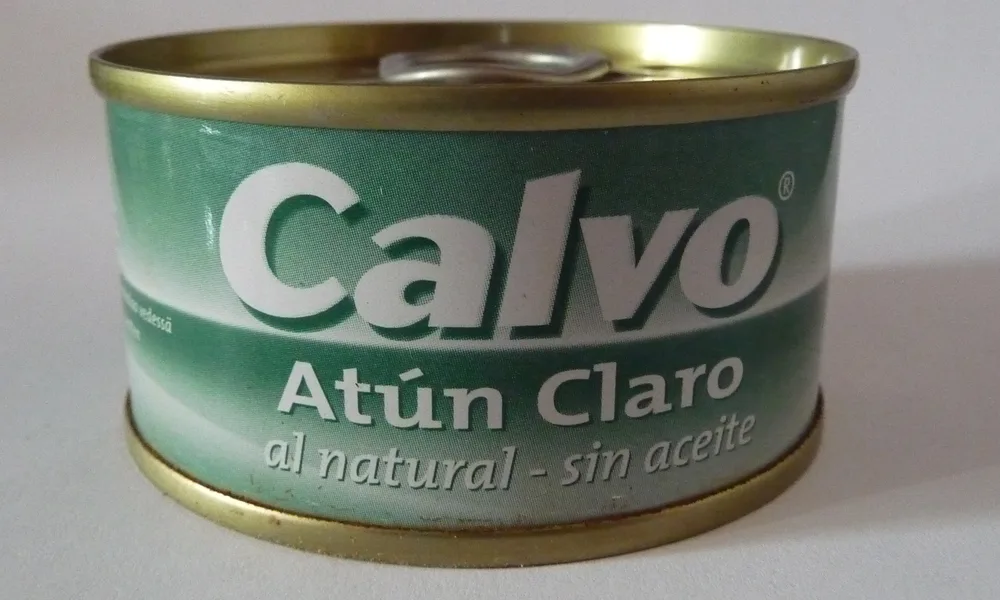
Water, oil or flavoured: which pack to buy
The liquid in the tin does as much to the flavour as the fish itself. Tuna in spring water is the cleanest and lightest option: it tastes of the fish and nothing else, and it is the most versatile, because you can add your own oil, lemon or dressing afterwards. Water-packed tuna can taste dry, so add a little olive oil or mayonnaise of your own.
Tuna in oil tastes richer and stays moister, because the oil coats the flakes and keeps them soft. The quality of the oil decides whether that richness is a pleasure or a problem. Tuna in olive oil tastes rounded and savoury, and the oil itself is good enough to use in the salad. Tuna in sunflower oil or unspecified vegetable oil tastes plainer and sometimes a little greasy, and it is often used to mask softer fish. Flavoured tins, tuna in chilli, lemon or tomato, are convenient and can be genuinely good, but they are also the easiest way to hide poor fish, so buy flavoured tuna for a quick lunch and plain tuna when you want to judge the fish itself.
How to read the label in thirty seconds
Start with the ingredients, which are listed by weight. A good tin lists tuna, water or oil, and salt, and nothing else. Vegetable broth, soya or flavourings mean the tin is built around cheap filler and the fish is likely soft and bland. The species should be named, albacore, skipjack or yellowfin, rather than just tuna.
Next, look at the drained weight, the weight of the fish without the liquid. Tins of the same size can hold very different amounts of fish, and the rest is water you are paying for. The label also tells you how the fish was caught. Pole-and-line and troll-caught tuna are the most selective methods, with the least bycatch. If the tin carries the blue MSC tick, the fishery has been independently certified as sustainable; if it carries a dolphin-safe mark, the tuna was caught without setting nets on dolphins. Neither mark guarantees the tuna will taste good, but both are worth choosing when the price is close.

Mercury: what to know without worrying too much
Tuna is a large, long-lived fish, and like all large fish it accumulates mercury from the sea. The amount depends on the species: albacore, the biggest of the three common canning species, carries the most; skipjack, the smallest, carries the least; yellowfin sits between them. That is the main reason to vary the tuna you eat rather than eating the same white tuna every day.
For most adults, canned light tuna a few times a week is fine, and canned white tuna once a week is the common limit. Children and anyone who is pregnant should eat light tuna rather than white tuna, and keep portions smaller and less frequent. If tuna is a daily habit, make skipjack or yellowfin your everyday tin and keep albacore as the occasional treat.
What to do with each style
The best use of a tin depends on how firm the fish is. Solid albacore or yellowfin, drained and broken into large flakes, belongs in a salad where you can see it: over greens with tomato and corn, on toast with lemon and black pepper, or in a grain bowl with beans and herbs. It needs almost nothing added.
Chunk skipjack is the right fish for mixing. It makes the best tuna sandwiches, because it binds with mayonnaise without turning to paste, and the best tuna pasta, because it breaks into the sauce without disappearing. Tuna in olive oil deserves a simpler treatment: drain it lightly, keep a spoonful of the oil, and toss it with pasta, white beans, red onion and parsley, or spoon it over a salad with lemon. Tuna in water, by contrast, benefits from a little fat added at the table: olive oil, mayonnaise, or a squeeze of lemon and a grind of pepper.

Storage, shelf life and the open tin
An unopened tin of tuna keeps for years in a cool, dry cupboard, and the date on the tin is a best-before date, not a safety deadline. Do not buy dented, swollen or rusty tins, and do not use a tin that hisses, spurts or smells sharp when opened.
Once opened, tuna belongs in the fridge, and not in the tin. Tip the fish into a clean container, cover it, and eat it within two days. Tuna left in an open tin picks up a metallic taste and dries out quickly. The liquid from the tin is a matter of taste: the oil from an olive-oil tin is worth keeping for dressing a salad, while brine is very salty and is best tipped away. Drain the fish well, because a wet tin makes a soggy sandwich.
Your canned tuna checklist
- Check the species on the label: albacore for mild and meaty, skipjack for everyday value, yellowfin for a firm middle ground.
- Choose solid or chunk over flaked when the fish will be seen, and save flaked tuna for sandwiches, pasta and fishcakes.
- Pick water for clean flavour and everyday eating, and olive oil when you want richness and a salad that needs no dressing.
- Read the ingredients: tuna, water or oil, and salt is enough, and a named species beats an unnamed one.
- Compare drained weight, not tin weight, and buy the size you will finish within two days of opening.
- Keep white tuna to once a week, eat light tuna more often, and look for pole-and-line or MSC-certified tins when the price is close.
Frequently asked questions
Is canned tuna healthy?
Yes: it is high in protein, low in fat when packed in water, and a useful source of omega-3 fats. The main cautions are salt and mercury, so choose water-packed light tuna most of the time.
Which is better, tuna in water or tuna in oil?
Water-packed tuna tastes cleaner and is lighter, so it suits everyday eating and dishes where you add your own dressing. Oil-packed tuna tastes richer and stays moister, and it suits salads and pasta where the oil becomes part of the dish.
What is the difference between white tuna and light tuna?
White tuna is albacore, pale, mild and meaty, with the highest mercury of the canning species. Light tuna is usually skipjack or yellowfin, darker and stronger, with lower mercury. White tuna eats better plain; light tuna is the better everyday choice.
How long does an open tin of tuna last?
Two days in the fridge, in a covered container, not in the tin. After that the flavour fades and the texture dries out. Buy the size you will finish in one or two meals.
Should I drain canned tuna?
Yes, drain it well for sandwiches and salads, or the bread goes soggy and the dressing thins out. Keep a spoonful of good olive oil from an oil-packed tin for dressing, but tip away brine and plain packing water.
What does the MSC label on tuna mean?
It means the fishery has been independently certified against a standard for sustainable fishing. It is a useful guide when two tins are otherwise similar, though it says nothing about taste.
The bottom line
The best canned tuna in 2026 is the tin that tells you what is inside it. A named species, a short ingredient list, a solid cut and an honest drained weight are worth more than any claim on the front of the label. Buy albacore when the tuna is the meal and skipjack or yellowfin when it is an ingredient, and keep white tuna to once a week.
For more on the food tuna goes with, see our guide to the best and worst sandwiches of 2026, our guide to mayonnaise worth spreading in 2026, and our comparison of the best and worst salads of 2026.


