
A sandwich is the most ordinary meal in the world and one of the hardest to get right. A bad one falls apart in your hands, tastes of nothing but salt and cold bread, and leaves you hungry again within the hour. The difference is rarely the recipe, because there barely is one.
This comparison puts the best sandwiches of 2026 head to head against the worst, judging them the way you would actually eat them: how the first bite tastes, whether the sandwich holds together to the last bite, how it makes you feel afterwards, and whether it was worth the money and the minutes it took. The same honest testing sits behind our comparison of the best and worst peanut butters of 2026, because a sandwich earns its place the same way any other food does: it has to work on a real day, in real hands, for a real appetite.
Key Takeaways
- Bread decides everything: a sandwich built on stale, thin or soggy bread cannot be saved by the filling, however good the filling is.
- The spread is the glue: butter or mayonnaise spread edge to edge keeps wet fillings from soaking the bread, and it carries flavour into every bite.
- Balance beats bulk: a sandwich with too much of one thing, usually meat or sauce, eats worse than a smaller sandwich where every layer can be tasted.
- Wet ingredients go in the middle: tomato, pickle and salad belong between drier layers, never directly against the bread, or the bread gives up within minutes.
- The squeeze test tells the truth: a sandwich that holds its shape when you pick it up was built properly, while one that slides apart in your hands was not.
How a Sandwich Actually Works
A sandwich works because bread is a structure as well as a food. Two slices hold a filling together, keep your hands clean, and turn a pile of ingredients into something you can carry and eat anywhere. The bread has to do two jobs at once: it must be soft enough to bite through cleanly, and strong enough to hold moisture without falling apart. That is a narrow balance, and it is why the bread matters more than anything else in the sandwich. A thick slice of sourdough, a fresh baguette or a properly toasted slice of white bread can all do the job. A thin slice of stale bread cannot, and no filling will rescue it.
The filling is where the flavour lives, and a good sandwich layers it with intent. The strongest flavours go in the middle, where they meet the tongue first, and the milder ones sit against the bread. A sandwich with only one of those three tastes flat, however much of it there is. A sandwich with all three in balance tastes complete, even when it is made from nothing more than cheese, tomato and bread.
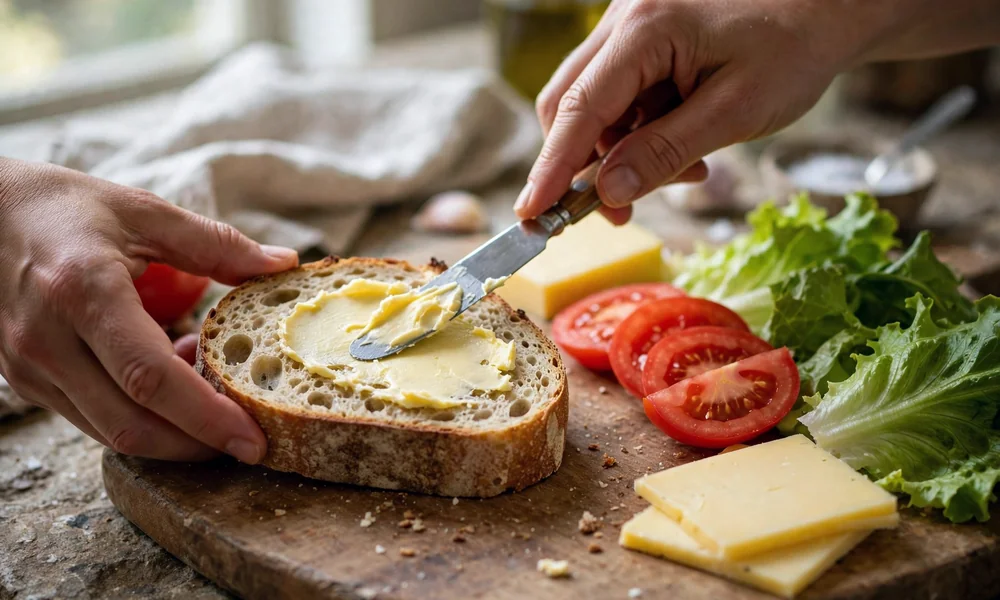
There are two main families of sandwich, and each has its own rules. Cold sandwiches, like a club, a baguette or a classic cheese and tomato, live or die on freshness: the bread must be fresh, the salad must be crisp, and nothing should have been sitting around long enough to go limp.
Temperature matters more than most people realise. A cold sandwich made with fridge-cold fillings tastes dull, because cold mutes flavour, so meat and cheese should come up towards room temperature before they go between the slices. A hot sandwich that has been left to cool turns greasy and limp, because the melted fat sets and the crisp bread softens.
What Makes a Sandwich One of the Best
The best sandwiches of 2026 share one quality above all others: every bite tastes of everything in it. You can taste the bread, the filling and the spread in the same mouthful, and none of them shouts over the others. A good club sandwich tastes of toasted bread, bacon, chicken, tomato and lettuce in turn. A good baguette sandwich tastes of crusty bread, fresh salad and whatever filling was chosen, with the bread doing as much work as the filling. When one bite gives you the whole sandwich, it was built by someone who understood the balance.
Generosity is the second mark of a good sandwich, and it is about quality as much as quantity. But generosity also means the filling is worth eating: real ham rather than reformed meat, proper cheese rather than a plastic slice, a tomato that actually tastes of tomato. A sandwich stuffed with cheap filling is not generous, it is just big, and the difference shows in the first bite.
Structure is the third mark, and it is the one most sandwiches get wrong. A good sandwich can be picked up, held in one hand, and eaten without anything sliding out of the back. That takes a little engineering: the spread goes edge to edge to waterproof the bread, the wettest ingredients sit in the middle, and the layers are arranged so the bite goes through all of them at once. The bread itself matters here, and our guide to the best bread makers of 2026 covers the same ground from the other side: a loaf with a good crust and an even crumb makes a sandwich that holds together, whichever way you build it.
Finally, a good sandwich is fresh in a way you can feel. The salad crunches, the bread gives a little resistance and then yields, and the whole thing smells of what is inside it. A sandwich that has been sitting for hours smells of nothing, and its salad has gone limp while its bread has gone either soggy or stale. Freshness is not a luxury in a sandwich, it is the whole point, and a sandwich made an hour ago is already a different, lesser meal.
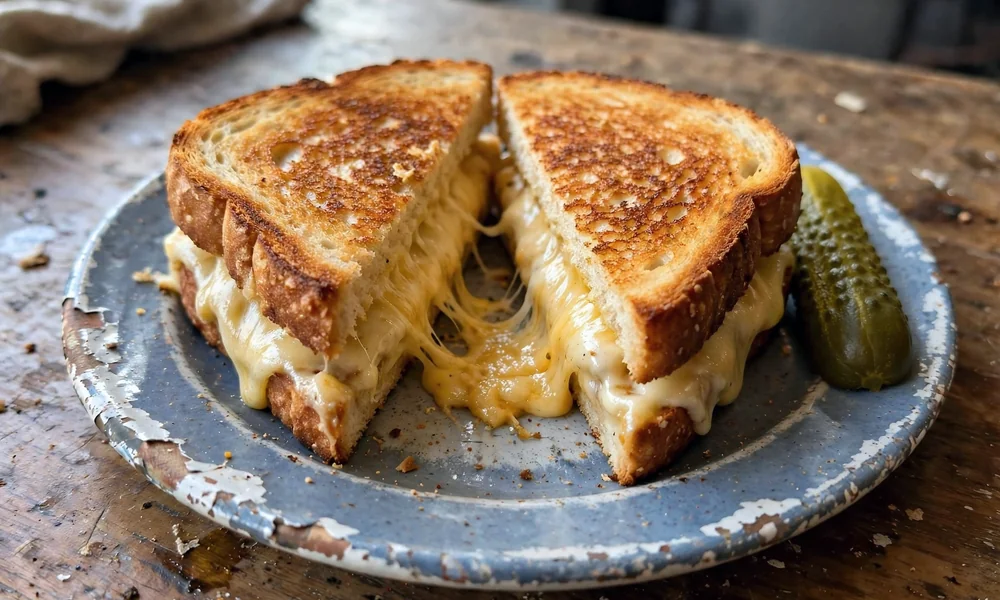
What Makes a Sandwich One of the Worst
The worst sandwiches fail loudly, and your first bite tells you everything. The most common failure is sogginess: bread that has soaked up moisture from the filling until it collapses in your hands, leaving you holding a wet handful of filling and a torn slice. That happens when wet ingredients sit directly against the bread, when there is no spread to protect it, or when the sandwich was made hours before it was eaten. A soggy sandwich is not a minor flaw, it is the whole meal falling apart, and no amount of extra filling can fix it.
Staleness is the failure that follows most often. A bad sandwich is built on bread that was already going stale, or on bread so thin and cheap that it tears the moment you bite it. You can tell immediately, because the bread tastes of cardboard and the crust, if there is one, has gone soft and leathery. A sandwich on stale bread is a sandwich that was never going to work, and the person who made it either did not notice or did not care, and neither is a good sign.
Some bad sandwiches fail in the opposite direction: they are overloaded, with so much filling that the sandwich cannot be bitten, held or even picked up. A sandwich that needs a knife and fork, or that sheds half its filling onto the plate with the first bite, was built for a photograph, not for eating. The same goes for a sandwich drowned in sauce, where every bite tastes of mayonnaise or mustard and nothing else. A sandwich should be eaten with your hands, and if it cannot be, it has gone wrong somewhere fundamental.
The last sign of a bad sandwich is how it tastes after the first few bites. A good sandwich stays good to the end, with the last bite as satisfying as the first. A bad sandwich gets worse as you go: the bread disintegrates, the filling slides out, the flavours blur into salt and grease, and you find yourself eating around the worst parts.

How to Test a Sandwich Before You Commit
The best test is the pickup test, and it takes no equipment at all. Pick the sandwich up in one hand and hold it for a few seconds. Does it hold its shape, or does it sag and slide. Take one bite and notice whether the bread cuts cleanly or tears, whether the filling stays where it was, and whether you can taste everything in that one bite. If the sandwich survives being picked up and the first bite tastes balanced, it will survive the rest of lunch. If it falls apart in your hand, it will not get better with a second bite.
The second test is the corner test, and it is the one most people skip. Look at the corners and the edges of the sandwich before you eat it. Is the filling spread right to the edges, or is there a dry rim of plain bread. Is the spread visible at the edges, protecting the bread, or is the bread already going damp where the tomato sits. A sandwich that is generous to the edges was built with care, and a sandwich with empty corners was built to a budget, and the corners never lie about which one you are holding.
The freshness test matters for anything bought ready-made, so it is worth doing before you pay. Ask when the sandwich was made, and look at the salad: crisp lettuce and bright tomato mean it was made recently, while limp lettuce and pale tomato mean it has been waiting. The bread should feel springy when you press it gently, not hard and not damp. A cup of tea alongside, as in our comparison of the best and worst teas of 2026, makes a simple sandwich lunch feel complete, but no drink can cover for a sandwich that was already stale when you bought it.
Finally, test how the sandwich travels, because most sandwiches are eaten away from where they were made. Eat it within a few hours, and compare it honestly with how it was when it was made. A sandwich that still holds together at lunchtime was built properly, and it is the one worth making again. A sandwich that has gone soggy by noon was only ever good for ten minutes, and you should build the next one differently.
The Verdict
The best sandwiches of 2026 are not the biggest ones, and they are not the ones with the longest list of fillings on the menu. They hold together in your hand, they taste balanced in every bite, and the last bite is as good as the first. Buy or make one of those and a sandwich becomes a proper meal, not a placeholder.
The worst sandwiches fail fast and keep failing: bread that goes soggy in your hands, stale bread that tastes of cardboard, a sandwich so overloaded it cannot be bitten, and cheap processed filling that leaves you hungry again within the hour. Spend a little more on fresh bread and real filling, test it by picking it up before you take a bite, and check the corners before you pay. Choose the sandwich that holds its shape and tastes of everything inside it, and the rest of lunch takes care of itself. Pick the sandwich that is still good at the last bite, and lunch stops being a gamble.


