
The best bread makers in 2026 turn a handful of flour, water, yeast and salt into a warm loaf with almost no work from you. You measure the ingredients, press a button, and a few hours later a golden loaf is waiting in the pan. For anyone who loves fresh bread but has no time to knead, prove and watch an oven, that trade is hard to beat.
A good bread maker does far more than mix and bake. It holds the dough at a steady temperature while it rises, kneads it properly, then bakes it evenly so the crust is crisp and the crumb is soft. The difference between a great machine and a mediocre one shows up in the loaf: even slices and a golden crust rather than a pale top and a dense middle.
This guide compares the best bread makers of 2026 across the sizes, programs and prices that matter most, from compact machines for small kitchens to large family models with gluten-free and whole wheat settings, so you can buy once and bake well for years.
Key Takeaways
- Choose a 2-pound machine for a family and a 1-pound or 1.5-pound machine for one or two people, because a loaf that is too big goes stale before you finish it.
- Look for at least 12 programs, including whole wheat, gluten-free, dough-only and jam, so the machine stays useful long after the novelty of white bread wears off.
- Three crust settings and a viewing window matter more than a fancy display, because they decide whether your loaf comes out pale, golden or dark.
- A delayed timer of 13 hours or more lets you wake up to fresh bread, but only if the machine is quiet enough to run overnight.
- The best bread makers produce a tall, evenly baked loaf with a soft crumb, while weak machines leave a dense, sunken middle and a pale top.
The Best Bread Makers of 2026 at a Glance
Five machines stood out this year, each suiting a different kind of baker.
| Bread Maker | Loaf Size | Programs | Best For | Price Range |
|---|---|---|---|---|
| Zojirushi Home Bakery Virtuoso Plus | 2 lb | 15 | Best overall loaf quality | $330–$380 |
| Breville Custom Loaf | 2.5 lb | 13 | Best for custom recipes | $280–$330 |
| Cuisinart Compact Automatic | 2 lb | 12 | Best compact value | $100–$140 |
| KBS Large 17-in-1 | 2 lb | 17 | Best for variety | $120–$160 |
| Oster Expressbake | 2 lb | 13 | Best budget pick | $70–$100 |

What Makes a Great Bread Maker
Loaf Size and Shape
Most bread makers bake a 1-pound, 1.5-pound or 2-pound loaf, and many let you choose between sizes. A 2-pound loaf suits a family that eats toast every morning, while a 1-pound loaf is better for a single person or a couple, because homemade bread has no preservatives and goes stale faster. Horizontal pans produce a shop-shaped loaf that slices neatly for sandwiches, while tall vertical pans produce a squarer loaf that is awkward to slice evenly.
Programs That Actually Matter
Only a handful of settings get used week after week. Whole wheat matters because wholemeal dough rises more slowly and needs a longer cycle. Gluten-free matters if anyone in the house avoids gluten, because the dough behaves completely differently and a standard cycle will not work. A dough-only setting is useful for pizza bases, rolls and buns that you shape and bake yourself. A delay timer and a keep-warm function are used constantly, so check the delay stretches to at least 13 hours.
Crust Control and the Viewing Window
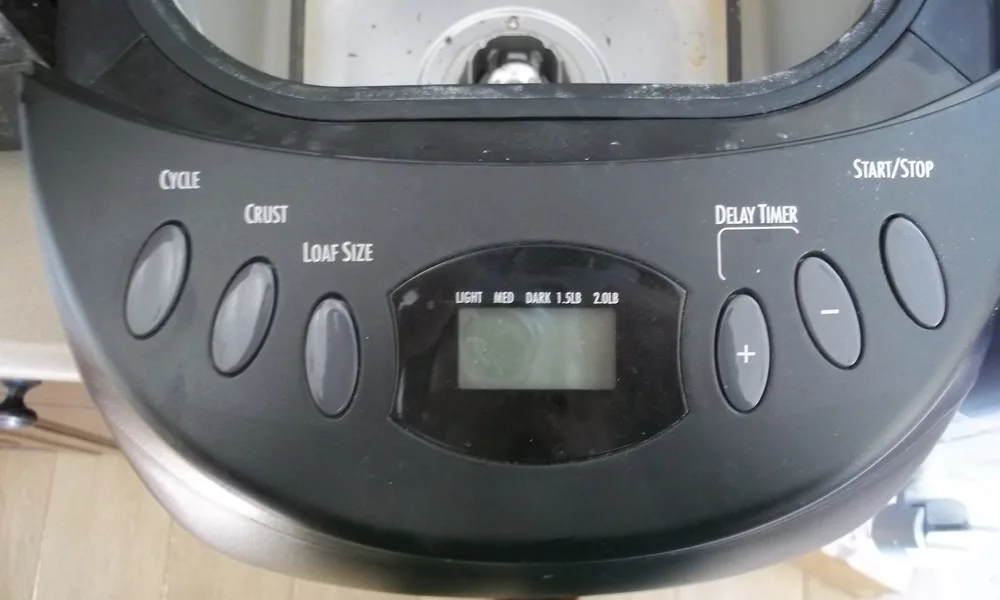
Crust settings are usually labelled light, medium and dark, and the difference between them is real. A good medium setting gives a golden, crisp crust without drying the crumb, while a dark setting should deepen the colour without burning the top. A viewing window in the lid lets you check the rise without lifting the lid and letting heat escape, which matters most during the final rise. If you bake at night, check the noise too: some machines thump loudly during kneading, while the best ones hum quietly enough to run while you sleep.
The Best Bread Makers of 2026 in Detail
Zojirushi Home Bakery Virtuoso Plus: Best Overall
The Zojirushi Virtuoso Plus is the machine other bread makers are measured against, and it earns that position loaf after loaf. Its dual paddles work the dough more thoroughly than a single paddle, and its two heating elements bake the loaf evenly, so the crust is the same colour all over. The result is a tall, well-risen loaf with a soft, even crumb and none of the dense patch that single-paddle machines often leave at the bottom. It has 15 programs and a 2-pound horizontal pan, but it is the most expensive machine here and the largest. For a household that bakes often, it is the easiest recommendation to make.
Breville Custom Loaf: Best for Custom Recipes
The Breville Custom Loaf is built for bakers who like to tinker. Its standout feature is a collapsible kneading paddle that folds flat before the bake, so it leaves only a small hole in the bottom of the loaf instead of the usual paddle-shaped crater. It also lets you adjust each stage of the cycle, changing the knead, rise and bake times to suit your own recipes, which is something almost no other machine offers. It bakes up to a 2.5-pound loaf, the largest capacity here, and its fruit and nut dispenser drops additions in at the right moment. The trade-off is price and weight. If you would rather knead dough in a mixer and bake in the oven, our guide to the best stand mixers of 2026 can help you compare the options.
Cuisinart Compact Automatic: Best Compact Value
The Cuisinart Compact Automatic proves that a bread maker does not need to dominate your kitchen. It is noticeably smaller than the premium machines, yet it still bakes a full 2-pound loaf, and its 12 programs include whole wheat, gluten-free, low-carb and dough-only settings. The vertical pan means the loaf is taller than a shop loaf, but the crumb is even and the crust browns well on the medium setting. It also has a 13-hour delay timer, a viewing window, three crust shades and a keep-warm function. It is a little louder during kneading, and the single paddle leaves a bigger hole in the base of the loaf, but at this price those are fair compromises.
KBS Large 17-in-1: Best for Variety
The KBS 17-in-1 is the machine for households that want to try everything. Its 17 programs include French bread, whole wheat, gluten-free, rice bread, yoghurt, jam, cake and a dough setting, and it has a fruit and nut dispenser that adds ingredients automatically. The 2-pound pan suits a family, and the ceramic coating releases the loaf cleanly. It also has a 15-hour delay timer, one of the longest here, and a one-hour keep-warm cycle. The loaf quality is a step below the Zojirushi, with a slightly denser crumb on whole wheat, but the range of programs means it rarely sits unused.
Oster Expressbake: Best Budget Pick
The Oster Expressbake is the cheapest way to find out whether home baking is for you. Its headline feature is a 58-minute express cycle that produces a usable loaf in under an hour, which is genuinely handy when you realise at lunchtime that there is no bread for dinner. It also has 13 settings and a 13-hour delay timer. The compromises are visible: the crust is paler, the loaf is shorter and denser, and the machine is louder during kneading. None of that matters much at this price, and the bread is still far better than a cheap supermarket loaf.
What to Check Before You Buy
Use this checklist while reading listings, and skip any machine that fails more than one point.
- Loaf size: the size you actually eat, with 2 pounds for a family and 1 or 1.5 pounds for one or two people.
- Pan shape: a horizontal pan gives sandwich-shaped slices, while a vertical pan gives a taller loaf that is harder to slice.
- Programs: whole wheat, gluten-free and dough-only settings are included, not just white bread.
- Crust control: three distinct crust shades, so you can choose light, medium or dark and taste the difference.
- Delay timer: at least 13 hours, so you can load it at night and wake up to fresh bread.
- Cleaning: a removable non-stick pan and paddle that lift out easily, with no corners where dough can hide.
Common Mistakes That Ruin a Loaf
Most disappointing loaves are not the machine’s fault. The most common mistake is measuring flour by volume instead of weight: a cup can vary by a fifth depending on how firmly it is packed, enough to turn a good recipe into a brick. Weigh your flour and water until you know your machine well. The second mistake is the order of ingredients: liquid first, then flour, then yeast on top, kept dry until kneading starts. If the yeast touches warm water too early, it activates before the cycle begins and the loaf collapses.
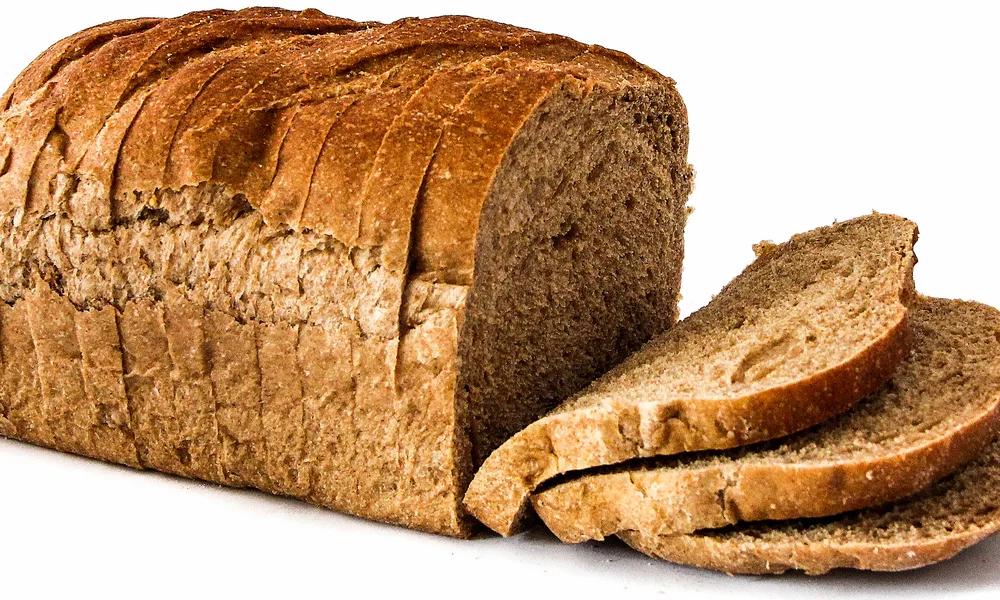
The third mistake is opening the lid during the rise to peek: the rush of cool air can sink a rising loaf, so trust the viewing window instead. Finally, do not slice a loaf while it is still hot, as the crumb is still setting and cutting early crushes it into a gummy texture, so wait at least 20 minutes. Once sliced, the toaster finishes the job each morning, and the best toasters of 2026 will brown those thick homemade slices far more evenly than a cheap one.
Frequently Asked Questions
Is a bread maker worth it in 2026?
Yes, if you eat bread most days. A loaf costs little more than the flour and yeast in it, and a bread maker turns ten minutes of measuring into a fresh loaf with no kneading or oven-watching.
How long does a bread maker take?
A standard white loaf takes about three to three and a half hours, while whole wheat takes closer to four hours. Express cycles can finish in under an hour, but the loaf is denser and paler.
Can you make gluten-free bread in a bread maker?
Yes, but only in a machine with a dedicated gluten-free program. Gluten-free dough rises differently, so a standard cycle will produce a dense, sunken loaf. Use a gluten-free program and a recipe designed for it.
Why did my loaf collapse in the middle?
The usual cause is too much liquid or too much yeast, or a lid opened during the rise. Weigh your ingredients, keep the yeast dry on top of the flour, and do not lift the lid while the dough is rising. In a very warm kitchen, use cool water.
Do bread makers use a lot of electricity?
No. A typical cycle uses around 0.3 to 0.4 kilowatt-hours, which costs only a few cents, because the machine is a small, well-insulated box that holds its heat. It uses far less energy than heating a full oven for a single loaf, much like a microwave, as our guide to the best microwaves of 2026 shows.
How do you clean a bread maker?
Wait until the pan is cool, then lift it out and wash it in warm soapy water with a soft cloth. Never use a scouring pad, which damages the non-stick coating, and never immerse the machine body in water. Remove the kneading paddle to clean underneath it.
Bottom Line
The best bread maker for most households in 2026 is the Zojirushi Home Bakery Virtuoso Plus, because it bakes the most consistent loaf with the least fuss. If your budget is tighter, the Cuisinart Compact Automatic gives you nearly the same everyday experience for a third of the price, and the Oster Expressbake is the best way to try home baking without spending much at all. Measure carefully, keep the lid closed, and let the loaf cool before slicing: do those three things and fresh bread becomes a habit, not a project.


