
Bread is the most ordinary food in most kitchens, and the one where the gap between good and bad is widest. A good loaf can carry a meal on its own, with a crust that crackles and a crumb that tastes of something. A bad loaf is forgotten the moment you eat it, or worse, it sits in the bread bin going stale while you reach for something else. The difference is rarely the price on the shelf.
This comparison puts the best breads of 2026 head to head against the worst, judging them the way you would actually eat them: how they taste on their own, how they behave toasted or in a sandwich, whether they stay fresh for more than a day, and whether you would happily buy the same loaf again. The same honest testing sits behind our comparison of the best and worst cheeses of 2026, because bread and cheese belong together, and both earn their place the same way: by tasting of something real.
Key Takeaways
- Taste the bread on its own first: a loaf that tastes flat or sour without butter will not improve once you add fillings.
- The crust tells you most of what you need to know: a good crust crackles and shatters, while a bad one is soft, pale and chewy.
- Time is the main ingredient: bread that was given a long, slow ferment tastes deeper than bread rushed through in an hour.
- Match the bread to the job: a sturdy sourdough suits soup and sandwiches, a soft white loaf suits toast, and a baguette suits eating the same day.
- Buy the loaf you will finish: a small fresh loaf eaten in two days beats a large one that goes stale in the bin.
How Bread Is Actually Made
Bread begins with four simple things: flour, water, salt and yeast, or a living sourdough starter instead of yeast. The flour and water are mixed into a dough, the yeast or starter begins to ferment, and the dough is left to rise. That fermentation is where the flavour comes from: the yeast produces gas that lifts the dough, and the bacteria in the dough produce the acids and compounds that give bread its taste. A dough left to ferment slowly for a day tastes rich and complex. A dough rushed through in an hour tastes of almost nothing.
After rising, the dough is shaped, left to prove a second time, and baked in a hot oven. The heat sets the crumb, the steam in the oven helps the crust form, and the outside of the loaf turns golden and crisp while the inside stays soft.

Breads fall into a few broad families, and knowing them makes choosing much easier. Sourdough is made with a living starter and a long ferment, which gives it a tangy flavour and a chewy crumb that keeps well for days. Wholemeal and seeded loaves are made with whole grains, which makes them denser, nuttier and more filling. White sandwich loaves are soft and mild, made for toast and sandwiches rather than eating on their own. Baguettes and ciabatta are lean, crusty breads meant to be eaten the same day, with a shattering crust and an open crumb. Enriched breads like brioche and challah are made with butter, eggs or milk, which makes them soft, rich and slightly sweet.
The flour matters too, and it is worth knowing what you are buying. Strong white bread flour gives a light, open crumb and a clean flavour. Wholemeal flour gives a denser loaf with a nutty taste and more fibre. Rye flour gives a dark, moist loaf with a distinctive sour note. Spelt and other heritage grains give a slightly sweet, earthy flavour.
What Makes a Bread One of the Best
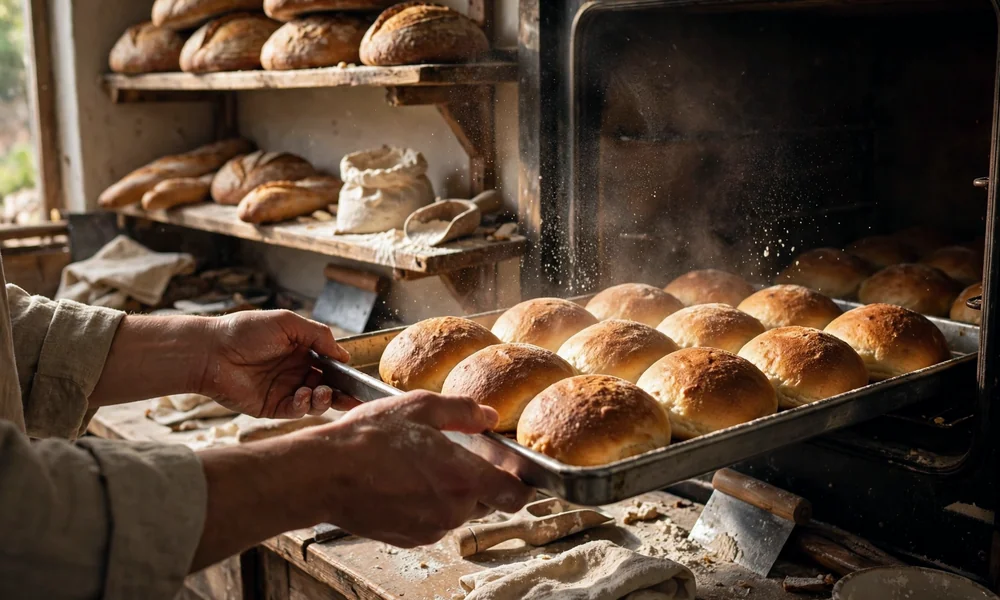
The best breads of 2026 share one quality above all others: they taste like something. A good sourdough tastes tangy and wheaty, with a flavour that changes as you chew. A good wholemeal loaf tastes nutty and earthy rather than merely brown. A good baguette tastes of toasted grain and salt, with a crust that shatters when you bite it. You do not need a trained palate to notice this; you only need to eat a slice on its own, without butter or jam getting in the way.
Texture is the second mark of a good bread. The crust should be crisp and crackling, not soft and leathery, and it should stay crisp for a day rather than going chewy within hours. The crumb should be springy and moist, with uneven holes that show the dough was fermented properly, rather than a tight, even texture that looks like cake. A good loaf slices cleanly without squashing flat, and it springs back when you press it gently with a finger.
The third mark is how the bread behaves over the next few days. A good loaf keeps well, staying pleasant to eat for two or three days and making excellent toast after that. Our comparison of the best and worst sandwiches of 2026 follows the same rule: a sandwich is only as good as the bread it is built on.
Finally, a good bread is honest about what is inside it. The label lists flour, water, salt and yeast, and little else. A loaf that needs a long list of improvers, preservatives and emulsifiers to hold together was not made well in the first place. A good bakery will tell you when the bread was baked, what flour it used, and how long it was fermented. That honesty is worth more than any claim on the packaging.
What Makes a Bread One of the Worst
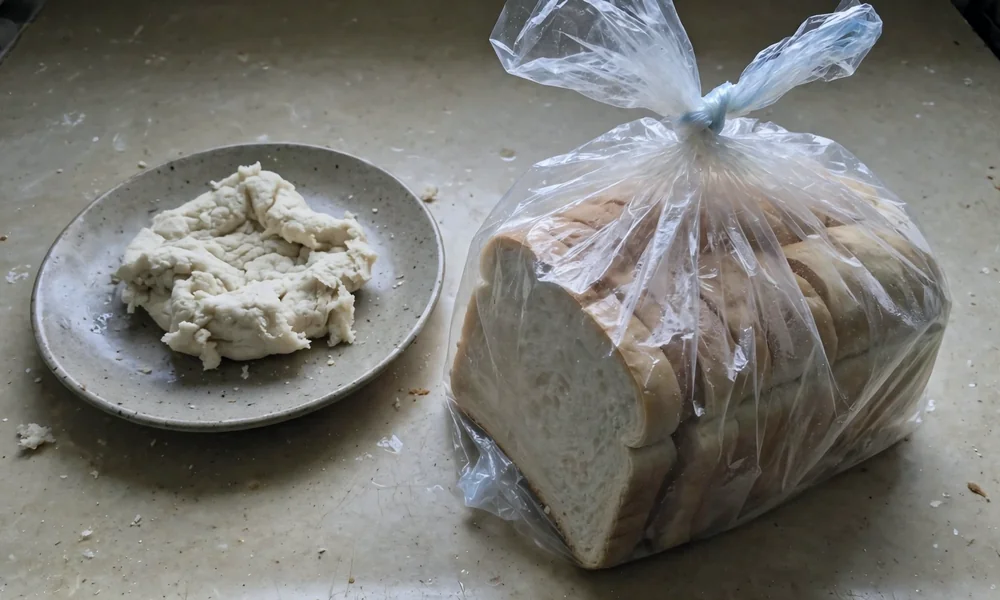
The worst breads fail quietly, and you usually notice only after you have paid for them. The most common failure is blandness: a loaf that tastes of almost nothing, just salt and starch, with no depth and no finish. These are usually loaves that were rushed, made with cheap flour and a fast yeast, and baked in an hour so the factory could move them quickly. They fill a sandwich and add calories, but they add no pleasure, and a meal built on them tastes flat however good the filling is.
Texture is where bad bread gives itself away fastest. A loaf with a soft, pale crust that feels like plastic was steamed in its bag rather than baked properly. A crumb that is tight, even and doughy, with no holes at all, was never fermented long enough to develop. A slice that squashes flat under the knife and sticks to the roof of your mouth is underbaked. A loaf that goes stale within a day, turning dry and crumbly, was made with too little water or too much improver, and it was never going to last.
Some bad breads fail in the opposite direction: they taste of the wrong thing. A loaf that tastes sour in a sharp, vinegary way was over-fermented or stored badly. A loaf that tastes sweet when it should not be sweet has added sugar or syrup in it. A loaf that tastes of chemicals or cardboard has picked up the flavour of its packaging or its preservatives. These are not matters of taste; they are signs that the bread was made, stored or sold carelessly.
The last sign of a bad bread is how it behaves when you try to use it. A bad loaf falls apart when you spread butter on it, tears when you try to make a sandwich, and turns to mush in soup instead of holding its shape.
How to Choose a Bread Before You Buy It
The best test is the squeeze test, and it takes no equipment at all. Pick up the loaf and press it gently: a good loaf springs back slowly, with a crust that crackles a little under your fingers. A bad loaf stays dented, feels soft and clammy, or is so light that it feels like it is mostly air. Then look at the crust: it should be deep golden brown, not pale and not burnt, with a few cracks and blisters that show it was baked hot.
The second test is the smell test, and it matters more than most people realise. A good loaf smells warm and wheaty, with a faint tang if it is a sourdough. A bad loaf smells of almost nothing, or of plastic from its bag. If the bakery lets you taste a slice, take it, and eat it on its own: a good loaf will taste interesting within a few seconds, and its flavour will change as you chew.
Reading the label is the third test, and it takes only a few seconds. Look for a short ingredient list and a bake time or bake date. A label that lists flour, water, salt and yeast is telling you the bread was made properly. A label that lists a dozen additives is telling you it was made in a factory in a hurry. The same honest labelling matters across the kitchen, and a loaf that is worth toasting deserves a toaster that does it justice, which is why our comparison of the best and worst toasters of 2026 starts from the same question: does the tool respect the food.
Finally, buy the right amount, because bread is at its best fresh. A small loaf eaten within two days will always taste better than a large one that sits in the bin for a week. Keep it in a paper bag or a bread bin rather than sealed in plastic, which makes the crust go soft, and slice it only as you need it so the cut face does not dry out. A loaf that is a day old makes wonderful toast, and a loaf that is two days old makes excellent breadcrumbs, so nothing needs to go to waste.
The Verdict
The best breads of 2026 are not the most expensive ones, and they are not the ones with the fanciest packaging. They are the ones with real flavour that you can taste on their own, a crust that crackles and a crumb that is springy and open, a short honest ingredient list, and a loaf that keeps well and works in more than one dish. They make a simple meal better without any effort, and they are worth buying again. Buy one of those and your breakfast, your lunch and your cooking all get better at once.
The worst breads fail quietly and keep failing: a bland, starchy taste with no depth, a soft pale crust and a tight doughy crumb, a flavour of chemicals or plastic that says it was made in a hurry, and a loaf that goes stale within a day or falls apart when you try to use it. Spend a little more on a loaf that tastes of itself, buy it fresh from a bakery when you can, and buy a small loaf often rather than a large one to store. Choose the bread that tastes interesting on its own, and the rest of the meal takes care of itself.


