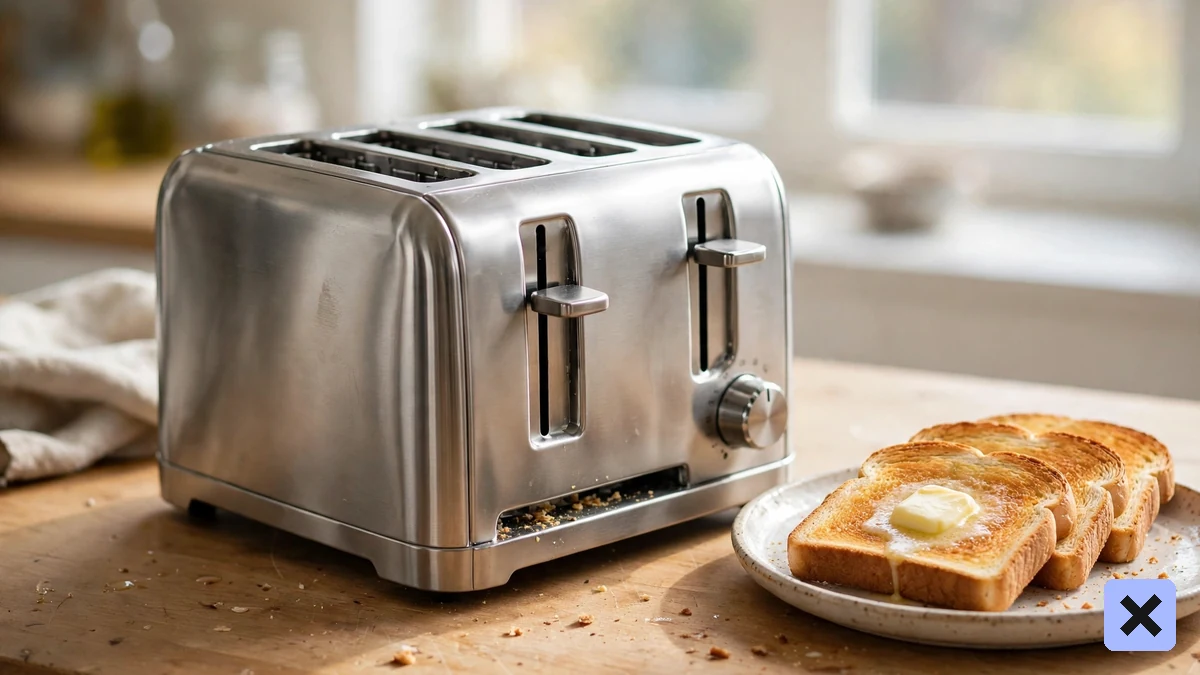
A toaster has one job, and most of them do it reasonably well. The trouble starts when you want more than reasonably well: both sides browned evenly, bread that pops up without a fight, bagels toasted on one side only, and a machine that still looks good on the counter after two years of daily use. The gap between the best toasters of 2026 and the worst is enormous, and the price tag tells you almost nothing about which side of that gap a model falls on. Plenty of cheap toasters brown beautifully, while plenty of expensive ones burn the edges of every slice and jam on bagels.
This guide puts the best toasters of 2026 head to head with the worst, so you can see exactly what separates them before you spend a penny. We compare them on browning, slots, controls, cleaning, safety and long-term value, and we name the failures that ruin breakfast again and again.
Key Takeaways
- Even browning depends on element design and self-centring guides, not wattage or price.
- Wide slots matter more than extra features: a toaster that fits thick sourdough and bagels is useful every single day.
- Four-slice models suit households of three or more, because they halve the breakfast queue.
- A removable crumb tray and a high-lift lever make daily use and cleaning far easier.
- A toaster that smokes, scorches bread on a medium setting or jams is faulty, not fussy, and should be replaced.
How the Best and the Worst Split Apart
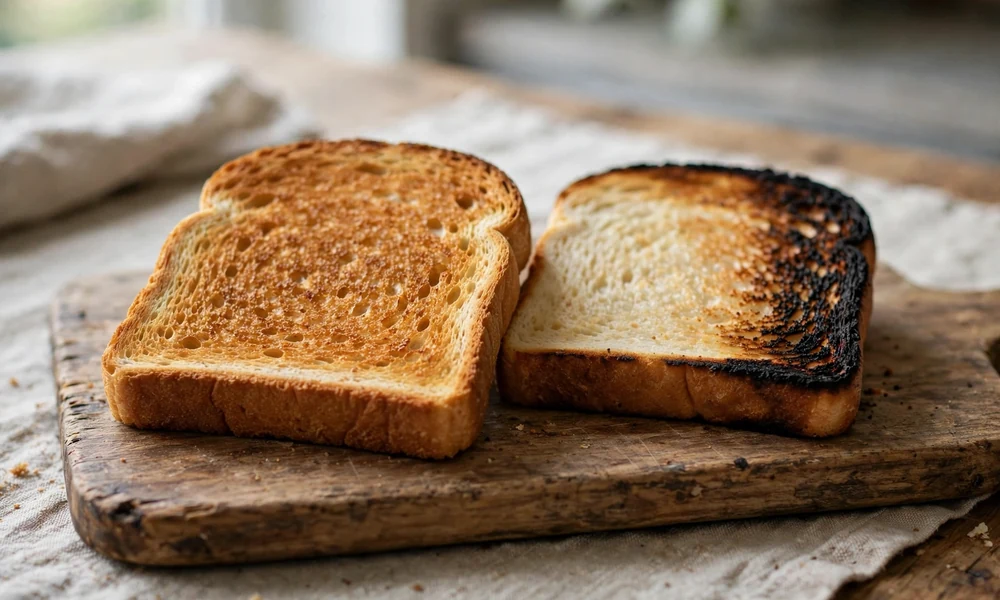
The split between the best and the worst toasters starts with the heating elements. A good toaster uses elements that wrap evenly around the bread, with guides that hold each slice in the centre so both sides sit the same distance from the heat. The result is a slice that is golden from edge to edge. A bad toaster uses thin, uneven elements and no guides at all, so one side of the bread sits close to the heat and the other sits far away. One side comes out pale while the other turns black, and no setting on the dial fixes it.
There is a second split in the controls. The best toasters have a browning dial that means something: each step changes the result in a small, predictable way, so you can find your number and use it every morning. The worst have dials that bear no relation to the result. Setting three burns the bread one day and leaves it pale the next, because the thermostat is cheap and the timer drifts.
The third split is about living with the machine. The best toasters are designed for real kitchens: wide slots for sourdough and bagels, a bagel mode that toasts one side only, a high-lift lever that raises small slices where you can reach them, and a crumb tray that slides out and empties in seconds. The worst are designed for a product photo. The slots are too narrow for anything but sliced white bread, the lever sticks halfway down, and the crumbs pile up inside until they smell of burning.
The Best Side: What Great Toasters Do Right
The best toasters of 2026 share a short list of qualities, and none of them is about looking expensive. They are about doing the one job properly, every morning, for years.
Even Browning, Edge to Edge
A great toaster browns both sides of the slice at the same rate, from the middle to the crust. That takes well-designed elements and self-centring guides, and it is the single most important quality to test. A toaster that browns evenly at setting four will usually brown evenly at setting six too, while a bad one is uneven at every setting.
Slots That Fit Real Bread
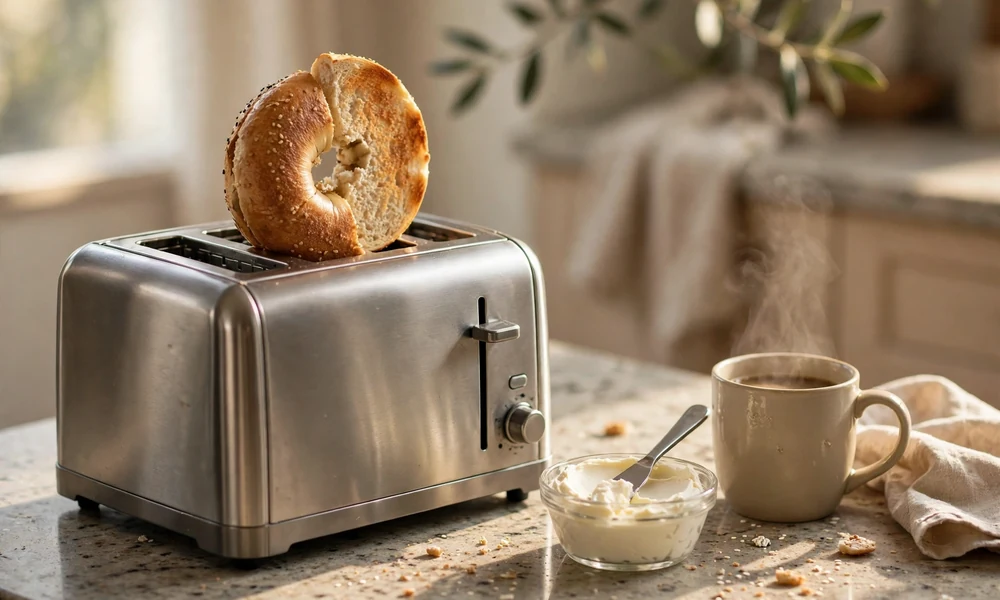
Wide slots matter more than wattage. A toaster that fits thick sourdough, crumpets, teacakes and bagels is useful every single day, while a narrow-slot toaster forces you to squash the bread in or toast it in two goes. Look for slots of at least 35 millimetres, and a bagel setting that toasts the cut side while gently warming the crust side.
Controls You Can Trust
The best toasters have a browning dial with clear, repeatable steps, a cancel button that works instantly, and a reheat function for toast that has gone cold. Four-slice models should have independent controls for each pair of slots, so one person can have lightly toasted bread while another has theirs dark.
If you want the full rundown of the strongest models, our guide to the best toasters of 2026 covers the top picks for every household.
The Worst Side: Where Bad Toasters Fail
The worst toasters of 2026 fail in specific, repeatable ways, and once you know the pattern you can spot them before you buy. Here are the failures that matter most.
Uneven Browning
Uneven browning is the most common failure: thin elements and missing self-centring guides leave one side pale and the other burnt. It is also the hardest to fix, because it is built into the machine. No amount of fiddling with the dial will make a badly designed toaster brown evenly.
Burnt Edges and Scorched Bread
Some toasters burn the edges of every slice while leaving the middle pale, which is a sign of elements that run too hot at the ends. Others scorch bread on a medium setting, which usually means the thermostat has drifted or was never accurate. A toaster that burns bread on a medium setting is faulty, not fussy.
Stuck Levers and Jammed Bread
A lever that sticks halfway down is more than an annoyance. It is a safety problem, because fishing toast out of a live slot with a knife is dangerous, and a jammed slice can keep heating until it smokes. Cheap mechanisms wear quickly, and a toaster that jams once will usually jam again.
Crumbs, Smoke and Smell
Crumbs left inside a toaster are a real fire risk, so a machine that cannot be cleaned gets more dangerous every week. The worst toasters have no removable crumb tray, or a tray that sticks and spills crumbs everywhere when you pull it out.
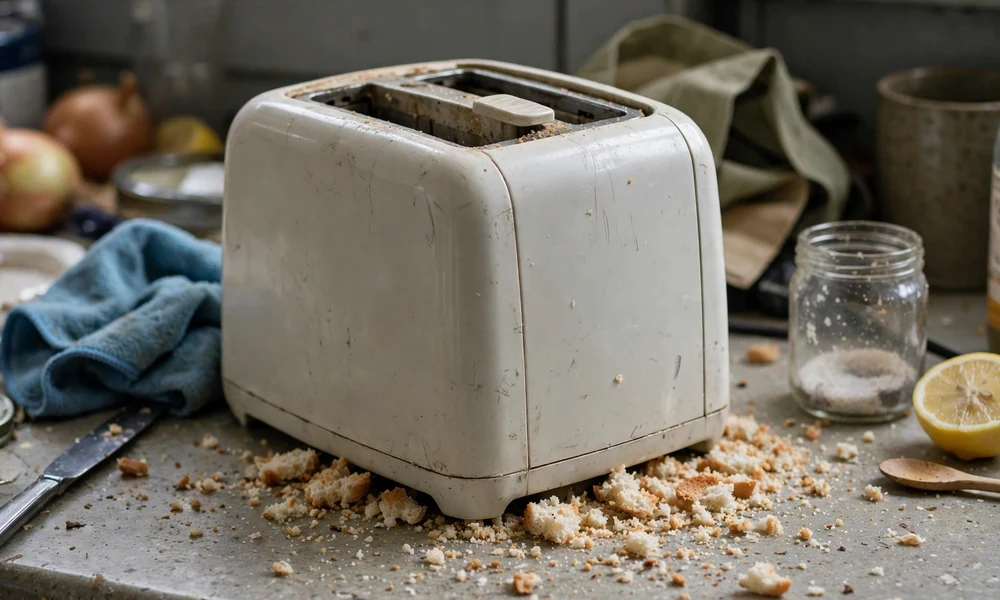
For the full list of types to avoid, our guide to the worst toasters of 2026 walks through the failures in detail and the checks that tell you whether the machine you already own should be replaced.
Head to Head: Best vs Worst at a Glance
| Feature | The Best | The Worst |
|---|---|---|
| Browning | Even, edge to edge, both sides | One side pale, one side burnt |
| Slots | Wide, fits sourdough and bagels | Narrow, white sliced bread only |
| Controls | Dial with repeatable steps | Dial that bears no relation to result |
| Bagel mode | Toasts one side only | Missing, or toasts both sides |
| Lift lever | High-lift, smooth, springs back | Sticks halfway down |
| Crumb tray | Removable, slides out cleanly | None, or sticks and spills |
| Typical lifespan | Five years or more | Months before faults appear |
Two-Slice vs Four-Slice: Which Size Suits You?
The first decision is capacity, and it is the one most buyers get wrong. A two-slice toaster is cheaper, smaller and perfectly fine for one or two people, but it becomes a bottleneck the moment a third person wants breakfast at the same time. A four-slice toaster costs more and takes more counter space, but it turns a ten-minute breakfast queue into five minutes, and it is the best choice for households of three or more.
Four-slice models have a second advantage: independent controls for each pair of slots. That means one person can have their toast light while another has theirs dark, without waiting for a second round. If you have the counter space and the household to match, four slices is the better buy.
Who Each Side Is For
The best toasters are for anyone who eats toast most mornings, which is most households. If you eat sourdough, bagels or thick-cut bread, a wide-slot toaster with a bagel mode is not a luxury, it is the difference between toast and a squash. If you feed a family, a four-slice model with independent controls saves real time every day. And if you simply like your toast the same way every morning, a toaster with a dial you can trust is worth paying a little more for.
The worst toasters are for nobody, really, though they keep selling to first-time buyers who pick the cheapest option and to landlords furnishing a rental. Both groups learn the same lesson within weeks, when the toast comes out burnt on one side and the lever starts sticking. Skip the cheapest tier entirely: a decent mid-range toaster costs little more than a bad one, and it is the cheapest toaster worth owning.
How to Choose: A Five-Minute Checklist
- Check the slots first: at least 35 millimetres wide, so sourdough and bagels fit.
- Look for self-centring guides, which hold the slice in the middle for even browning.
- Test the lever: it should move smoothly and spring back cleanly.
- Check for a bagel mode, a cancel button and a reheat function.
- Pull out the crumb tray: it should slide out easily and empty in seconds.
- Toast a slice on a medium setting and check both sides brown evenly.
- Choose four slices if your household has three or more people.
- Look for a written warranty of at least a year and a brand that sells spares.
Toast is only half of breakfast, so it is worth thinking about the rest of the morning spread too. Our guide to the best bread makers of 2026 covers the machines that bake the loaf your toaster will brown.
Frequently Asked Questions
How long should a toaster last?
A good toaster should last five years or more of daily use. Cheap toasters often develop faults within a year: uneven browning, sticking levers and drifting thermostats.
Why does my toaster burn one side?
One side burns when the slice sits closer to the element on that side, which usually means the toaster has no self-centring guides or the elements have warped with age. It is a design fault, not a setting problem.
Are four-slice toasters worth it?
Yes, for households of three or more. A four-slice toaster halves the breakfast queue, and independent controls let everyone have their toast the way they like it. For one or two people, a two-slice model is cheaper, smaller and perfectly fine.
Is it safe to use a knife to get stuck toast out?
No. Never put a metal knife into a live toaster slot. Unplug the toaster first, let it cool, then lift the bread out with wooden tongs or turn the toaster upside down over the sink. If toast jams regularly, the toaster should be replaced.
How often should I empty the crumb tray?
Empty it at least once a week if you toast daily. Crumbs left inside a toaster are a real fire risk, and they also smell of burning and taint the flavour of fresh toast. A toaster with no removable tray should be replaced.
What is bagel mode for?
Bagel mode toasts the cut side of the bagel while gently warming the crust side, so you get a crisp inside and a soft outside. Without it, a bagel comes out either toasted all over or barely warmed at all.
The Verdict
The best toasters of 2026 win on the only thing that matters: even browning, edge to edge, from a machine that fits real bread, has controls you can trust and is easy to clean. The worst lose on the same test, with thin elements, narrow slots, dials that mean nothing and levers that stick. The price gap between the two sides is smaller than it looks: a decent mid-range toaster costs little more than a bad one, and it is the cheapest toaster worth owning.


