
Tea is the most forgiving drink in the kitchen and also the easiest to ruin. A good cup costs pennies, takes five minutes, and tastes like the place it grew. A bad cup costs the same pennies, takes the same five minutes, and tastes like wet cardboard. The difference is rarely the price on the box. It is the leaf, the water, and the patience of the person making it. This guide sorts the best tea from the worst in 2026, so you can stop drinking the dull stuff and start enjoying the good stuff without spending a fortune or joining a club.
Most of us learned tea from a bag dunked in a mug of boiling water while we did something else. Real tea comes from one plant, Camellia sinensis, and how its leaves are picked, rolled, oxidised and dried decides whether you get black, green, oolong or white tea. Herbal infusions like chamomile, mint and rooibos contain no tea leaf at all, yet they sit on the same shelf and fill the same mug, so they belong here too. What matters is not the label on the packet. What matters is what ends up in your cup.
What makes a tea good
A good tea announces itself before you taste it. Dry leaves should look like leaves, not dust, and smell fresh and distinct: grassy for a green tea, malty for a black tea, floral for an oolong. The brewed liquor should be clear and bright, not cloudy, and the flavour should open up as the cup cools rather than collapsing into bitterness. The leaves should survive a second steeping, giving a second cup that is different but still pleasant. When a tea does all of that, the price hardly matters.
Freshness is the first test, and it is the one most shop-bought tea fails. Tea goes stale: it absorbs kitchen smells, loses aroma to the air, and fades in the light. A good tea is packed soon after it is made, sealed in foil or a tight tin, and sold within a year or so of harvest. A bad tea has sat in a warehouse, then on a shelf, then in your cupboard for years. Open the packet and smell it. If it smells like nothing, it will taste like nothing. If it smells dusty or like the cardboard box, throw it away.

The best teas of 2026
Assam black tea is the workhorse of the best list, and it earns its place honestly. Grown in the lowlands of north-east India, it brews strong, malty and full-bodied, with enough character to stand up to milk and still taste like tea. A good Assam needs no sugar and no apology. It is the tea for cold mornings and breakfast tables, and a well-made one costs very little. Look for whole or broken leaves rather than dust, and brew it with fully boiling water for three to five minutes. If it turns bitter, you used too much leaf or left it too long.
Darjeeling is the opposite end of black tea, delicate where Assam is bold. Grown high in the Himalayan foothills, it has a light, floral, almost muscatel character that rewards slow drinking. The best Darjeelings are the first flush, picked in spring, but even a good second flush is a lovely afternoon tea. Drink it without milk. It costs more than Assam and is worth it on a quiet afternoon, though its subtlety is lost in a rushed mug before work.
Green tea is where most people go wrong, and it is worth getting right. A good Chinese green tea, like a Dragon Well, tastes fresh, grassy and gently sweet, with none of the bitterness people associate with green tea. That bitterness comes from water that is too hot and leaves left too long. Green tea wants water around 80 degrees, not boiling, and a short steep of two to three minutes. Japanese sencha is brighter and more seaweed-like, and it suits the same gentle treatment.
Oolong sits between green and black tea, partly oxidised, and it is the most interesting tea most people have never tried. A good oolong changes flavour with every steeping: the first cup is floral, the second is honeyed, the third is mineral and deep. It costs more than a bag of breakfast tea, but a small amount of leaf gives you several cups, so the price per cup is reasonable.
Among herbal infusions, peppermint and chamomile lead the best list for the same reason: they are hard to fake and easy to judge. Good peppermint is just dried mint leaf, and it smells like a garden when you open the packet. Good chamomile is whole flower heads, golden and fragrant, not the dusty sweepings at the bottom of a bag. Rooibos from South Africa is another honest drink, naturally sweet and caffeine-free, and it brews a deep red cup that takes milk well. A cupboard with one of each covers most evenings.
The worst teas of 2026
The worst tea is not a particular variety. It is a condition, and it starts with dust. Most cheap tea bags contain fannings and dust, the smallest broken fragments left after the good leaves are sorted. Dust steeps fast and harsh, giving a cup that is bitter, flat and one-dimensional. It cannot be re-steeped or improved by careful brewing, and it tastes the same whether it claims to be Assam, Earl Grey or English Breakfast. If you open a tea bag and find only brown powder, you are drinking the floor sweepings of the tea trade. A bag is not automatically bad, since some brands now sell whole-leaf bags, but a bag full of dust always is.
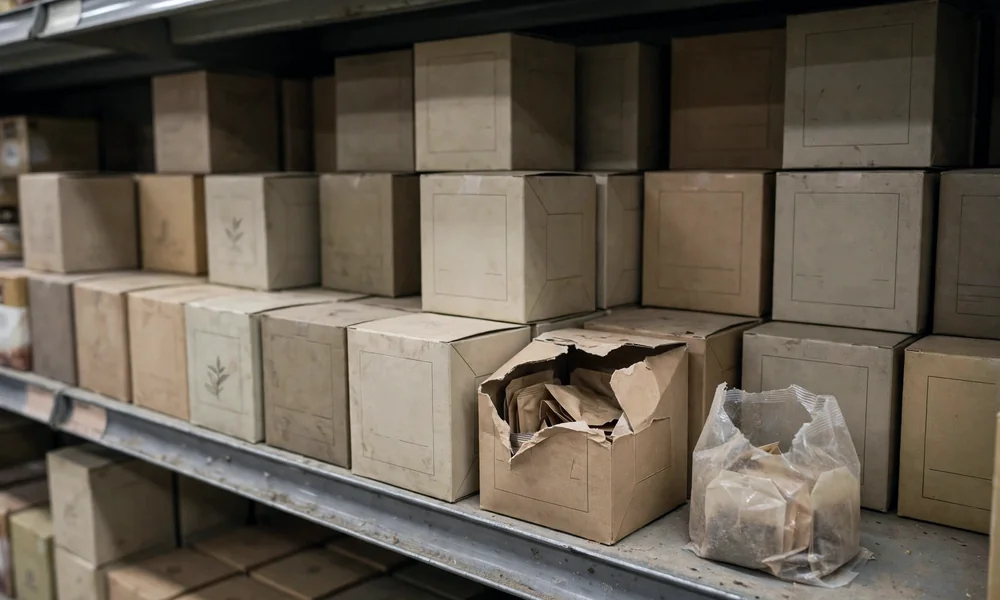
Stale supermarket tea is the second entry on the worst list, and it is the most common. Tea that has sat under fluorescent lights for a year or two loses its volatile oils, which is where the flavour lives. The box may still be in date, because tea does not go off in the way milk does, but it has gone flat. You can spot it before you buy. Look for boxes that are faded, dusty or dented, packets that are already open, and shops that keep tea beside strong-smelling goods like coffee or spices. Tea absorbs odours eagerly, and a packet stored next to ground coffee will taste faintly of coffee no matter what the label promises.
Heavily flavoured tea is the third problem, and it is a matter of balance rather than a ban. A good Earl Grey uses real bergamot oil sparingly, so the citrus lifts the black tea instead of drowning it. A bad flavoured tea uses artificial flavouring so strong that you cannot taste the tea underneath, and the same goes for fruit teas that taste of sweets and chai blends that are mostly sugar and cinnamon. Flavouring is fine when it is honest and restrained. When the flavouring is the whole drink, you are paying tea prices for a soft drink in a teabag.
How to brew a better cup
Start with fresh, cold water, and bring it to the boil once. Water that has been boiled several times loses oxygen and makes flat tea. For black tea, pour the water while it is still rolling. For green and white tea, let the kettle sit for a couple of minutes, or pour the water into a jug first, so it drops to around 80 degrees. Use about one teaspoon of loose leaf per cup, or one bag, and give the leaves room to expand. A cramped tea ball makes a worse cup than a simple pot or a large infuser basket, because the leaves cannot open properly.
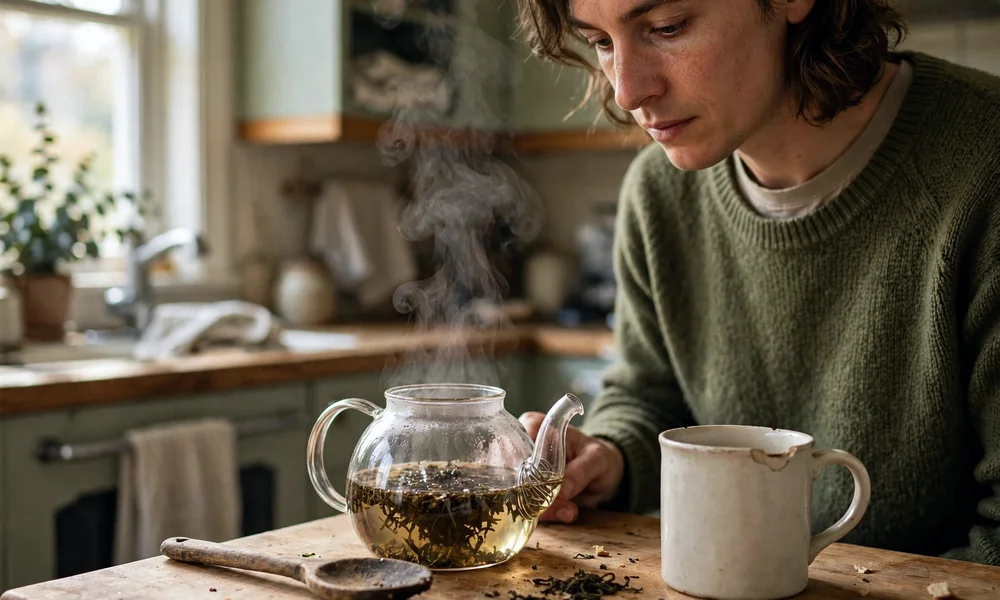
Time the steep and then remove the leaves. Black tea wants three to five minutes, oolong three to four, green tea two to three, white tea four to five, and herbal infusions five or more, since they have no tea leaf to turn bitter. Taste as you go. If the cup is too weak, use more leaf next time, not a longer steep, because a longer steep adds bitterness faster than it adds flavour. And if you like milk, add it to black tea only, never to green or white tea, where it hides everything delicate about the cup.
People who drink a lot of tea often ask whether to switch to coffee, and the honest answer is that they are different pleasures rather than rivals. Coffee is louder and faster, tea is quieter and slower, and many households keep both. If you are weighing the two, our comparison of the best and worst coffee beans of 2026 covers the same ground for coffee, from fresh beans to stale supermarket jars, and it will help you decide which mornings belong to which drink.
Buying, storing and pairing
Buy less tea, more often. A small bag bought this month beats a large tin bought last year. Choose a shop that sells a lot of tea, so the stock turns over, and buy loose leaf when you can, since you can see what you are getting. Prefer tea packed in foil or a sealed tin over tea in a paper box, and avoid the bargain bin, where tea goes to fade.
Store tea like a spice: cool, dark, dry and airtight. A tin with a tight lid in a cupboard away from the stove is ideal. The fridge is a bad idea, because tea absorbs moisture and smells every time the door opens, and a glass jar on a sunny windowsill is worse. Keep different teas apart, since a smoky Lapsang Souchong will happily perfume your delicate white tea, and keep packets sealed between uses.
Tea pairs with food more generously than most drinks, and the pairings are worth trying. A malty Assam suits buttered toast and a full breakfast. A light Darjeeling suits plain cake and afternoon sandwiches. Green tea suits rice dishes and anything lightly salted. Mint tea suits rich food, since it clears the palate. And a square of dark chocolate with a cup of black tea is one of the small pleasures of the day, which is why our guide to the best and worst chocolate of 2026 sits so naturally beside this one: good chocolate and good tea reward the same kind of attention.
Sweetening is a personal choice, and tea takes it gracefully, but a little restraint goes a long way. Sugar hides the flavour of a good tea, so try the cup plain first, especially with green, oolong and white teas. If you do sweeten, honey is the gentlest choice, since its floral note suits tea better than plain sugar, and a small spoon is usually enough. Our comparison of the best and worst honey of 2026 explains which honeys are worth the price and which are mostly syrup, and the same rule applies here as with tea: buy a small jar from a source you trust, and taste it before you commit to a large one.
The verdict
The best tea of 2026 is loose leaf, fresh, and brewed with attention: a malty Assam for mornings, a delicate Darjeeling for afternoons, a grassy green tea brewed gently, an oolong for slow evenings, and honest peppermint or chamomile when the day is done. The worst tea is dust in a bag, stale boxes from a long-stored shelf, and flavouring that drowns the leaf. The gap between the two is not money. It is freshness, whole leaves, the right water temperature, and a few minutes of care. Buy a small bag of good loose leaf this week, brew it properly, and taste the difference for yourself.


