Coffee beans are the cheapest upgrade a coffee drinker can make, and also the easiest purchase to get wrong. A bag of stale, over-roasted beans can make the same brewer produce a cup that is bitter, flat, and faintly ashy, no matter how carefully you measure or how expensive your machine is. The difference between the best and the worst coffee beans in 2026 is not about the fanciest bag or the highest price. It is about freshness, roast, origin, and whether the beans match the way you actually brew.
This head-to-head comparison puts the two sides against each other properly, rather than listing good beans on one page and bad ones on another. On one side, the beans that are roasted recently, stored well, and matched to their brewer, so the cup tastes of the place they grew. On the other, the beans that sat in a warehouse for months, were roasted until they were oily and bitter, or were ground long before they reached your kitchen. By the end, you will know which bag belongs in your grinder and which one should stay on the shelf.
Key Takeaways
- Freshness matters most: buy whole beans roasted within the last two to four weeks, and grind them just before brewing.
- Light roasts highlight origin character and brightness, while dark roasts are bolder, smokier, and more forgiving of sloppy brewing.
- Arabica beans are smoother and more complex, while Robusta adds body, crema, and a stronger caffeine kick.
- Match the bean to your brewer: light roasts suit pour-over, medium roasts suit drip machines, and dark roasts suit espresso and French press.
- Store beans in an airtight container away from light, heat, and moisture, and never keep them in the fridge or freezer door.
What Makes Great Coffee Beans
Great coffee beans are judged by three things: freshness, roast, and origin. Freshness comes first, because coffee is at its best in the weeks after roasting and fades steadily after that. Roasting creates hundreds of aromatic compounds, and those compounds escape into the air from the moment the beans leave the roaster. A bag roasted last week will smell rich and complex when you open it; a bag roasted six months ago will smell faintly of old cardboard.
Roast is the second test, and it is about balance rather than darkness. Roasting turns green coffee beans brown and develops their flavour, but every extra minute in the roaster burns away a little more of the bean’s original character and adds a little more bitterness. Light roasts keep the most origin flavour: the floral notes of an Ethiopian bean, the citrus brightness of a Kenyan, the chocolate depth of a Colombian. Dark roasts lose most of that and replace it with smoky, roasty flavours that are the same no matter where the bean grew.

The Best Side: Beans That Taste of Somewhere
Freshly Roasted Single Origins
The best coffee beans are roasted recently and in small batches, then sold quickly so they reach your grinder while the aromas are still there. A good roaster prints the roast date on the bag, usually within the last week or two, and sells in sizes you can finish within a month. Single-origin beans take this further by coming from one place, one farm, or one cooperative, so the cup has a clear identity you can learn to recognise.
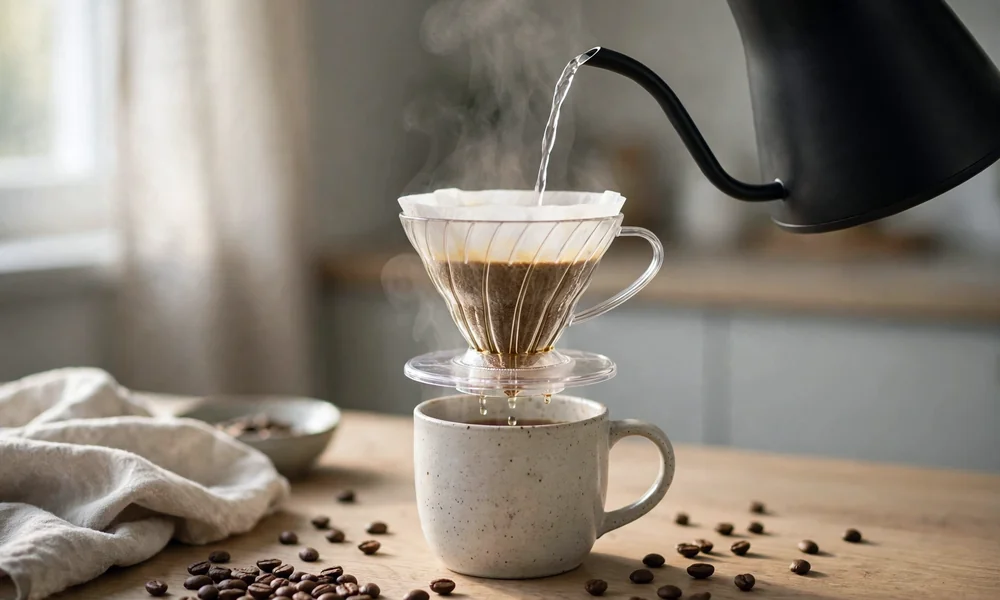
Freshness also changes how the beans behave in the brewer. Fresh beans release carbon dioxide when hot water hits them, so a pour-over blooms visibly, rising and bubbling in the filter. That bloom is a sign of life, and it helps the water extract flavour evenly. Stale beans barely bloom at all, and the water runs through them without drawing much out, which is why stale coffee tastes thin even when you use more of it.
Roast Matched to the Brewer
The best beans are also matched to the way you brew, because the same bean can taste wonderful in one brewer and disappointing in another. Light roasts shine in pour-over and other slow methods, where the long contact time and gentle extraction draw out their brightness and complexity. Medium roasts are the all-rounders, working well in drip machines and cafetieres, with enough body to stand up to milk and enough sweetness to drink black. Dark roasts suit espresso and French press, where their bold, low-acid character and thick body are assets rather than flaws, and where a light roast would taste thin and sour.
Knowing your brewer before you buy is the simplest way to improve your coffee without spending more money. A good roaster will label bags by brew method, and a good shop will ask how you brew before recommending anything.
The Worst Side: Beans With Nothing Left to Give
Stale, Oily, and Over-Roasted Beans
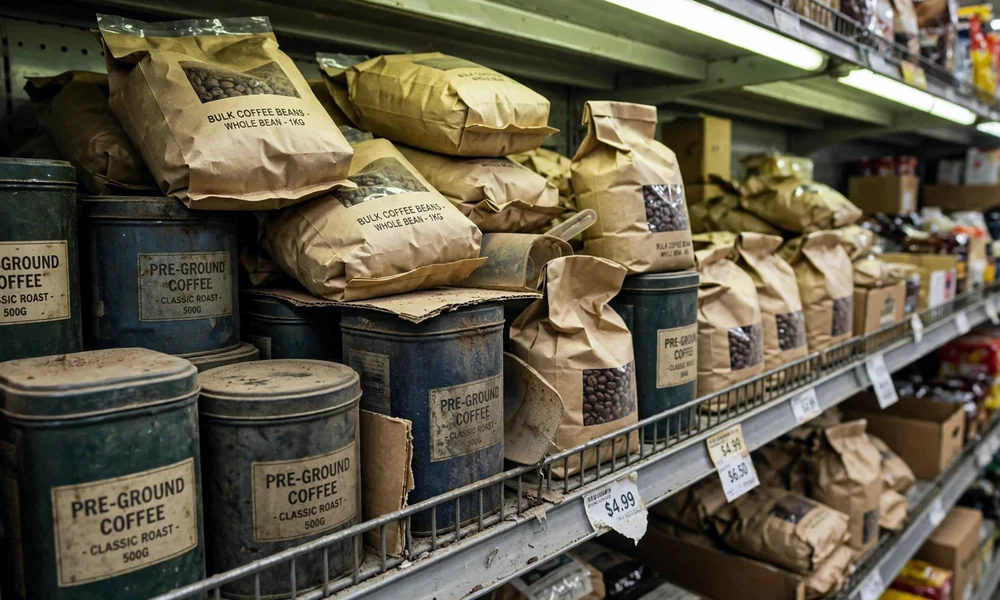
The worst coffee beans are old before they reach you. They were roasted months ago in a huge industrial roaster, packed into bags with no roast date, and left in a warehouse, a shipping container, and then a supermarket shelf. By the time you open the bag, the aromas are gone, the oils have turned rancid, and the cup tastes flat, papery, and faintly bitter.
Over-roasting makes a bad situation worse. Some roasters roast very dark because it hides poor-quality beans: when every bean is roasted until it is oily and nearly black, the defects disappear under a uniform smoky bitterness. The beans look shiny and dramatic, but that shine is oil forced to the surface by excessive heat, and it turns stale quickly once the bag is opened. The cup tastes of charcoal and ash, with none of the sweetness or origin character that makes coffee worth drinking.
Anonymous Blends and Pre-Ground Coffee
The worst bags are also the most anonymous. A bag that says only coffee beans, or 100 percent Arabica, tells you nothing about where the beans grew, when they were roasted, or who roasted them. It is almost always a blend of the cheapest beans available, bought by price rather than by flavour, and roasted to a uniform darkness so that every batch tastes the same. The label may carry a picture of mountains or a coffee farm, but the contents have no connection to either. These bags are often the cheapest on the shelf, and the price is honest about one thing: nobody spent money on quality.
Pre-ground coffee is the final step down. Ground coffee loses its aromas far faster than whole beans, because grinding exposes far more surface area to the air. A bag of pre-ground coffee that was ground months ago has lost most of what made it coffee, and it also forces you to accept a grind size chosen for someone else’s brewer. Fine grounds in a French press make a muddy, bitter cup; coarse grounds in an espresso machine make a weak, sour one.
Head to Head: Best vs Worst at a Glance
Put the two sides next to each other and the difference is easy to see, even before you brew anything. The best beans are even in colour, dry or only lightly glossy, and they smell rich and complex the moment the bag opens. The bag carries a roast date from the last few weeks and names the origin, the farm, and the roast level. The worst beans are uneven, very dark, and shiny with oil, and they smell faintly of nothing at all. The bag carries only a best-before date months in the future and says nothing about where the beans came from.
The Verdict
The verdict is clear, and it is not close. The best coffee beans win on every measure that matters: flavour, freshness, honesty, and value for money. A bag of freshly roasted single-origin beans costs more than a supermarket blend, but it delivers a cup worth drinking black, with no sugar needed to cover the bitterness. The worst beans are cheap, but they are cheap for a reason: they deliver bitterness and little else, and bitterness is the one thing you can get from instant coffee for far less money.
That does not mean every bag needs to be a rare single origin. A good medium roast from a named roaster, bought whole and ground at home, is affordable, versatile, and honest, and it beats a famous-brand blend at any price. The bags to avoid are the anonymous ones: no roast date, no origin, no roaster, and a price that seems too good to be true. The best coffee beans are not a luxury; they are simply beans that were allowed to stay fresh.
Who Each Side Is For
The best coffee beans are for anyone who drinks coffee every day and wants those minutes to be good. If you brew at home, a fresh bag matched to your brewer will improve every cup you make, and the difference is obvious from the first morning. They are also for people who enjoy learning what they like, because a named origin with tasting notes is an invitation to explore: try an Ethiopian one week and a Colombian the next, and you will quickly learn which flavours you reach for. Home brewers, pour-over fans, and espresso drinkers will all get the most from the best side.
The worst coffee beans are for nobody, honestly, except as a cautionary example. If all you need is caffeine and you do not care about flavour, there are cheaper and more honest ways to get it than a stale bag pretending to be good coffee. The only honest use for the worst side is as a reminder of what to look for: no roast date, no origin, very dark and oily is a combination to walk past, not to buy.
How to Choose and Store Your Beans
Choosing well starts with the roast date. Look for a date within the last two to four weeks, and prefer bags that name the origin, the farm, and the roast level. Buy whole beans, not pre-ground, and buy a size you can finish within a month, because even the best beans fade once the bag is open. If you can, buy from a local roaster or a specialist shop, where the staff can tell you which beans suit your brewer and let you smell the beans before you commit. A roaster who can answer questions about origin and roast is selling real coffee.
Storage is simple but worth getting right. Keep beans in an airtight container in a cool, dark cupboard, away from light, heat, and moisture. Do not store them in the fridge, where they absorb odours and condensation, and do not keep them in the freezer door, where the temperature swings every time the door opens. Fresh beans, a good grind, and the right roast for your brewer: that is the whole secret, and it fits in one bag.
If you enjoy sorting the genuinely good from the merely average, keep exploring the kitchen: our guide to the best coffee beans of 2026 goes deeper into the best bags, while the best vs worst coffee grinders of 2026 covers the tool that makes the biggest difference after the beans, and the best mugs of 2026 will help you pick a mug worthy of the coffee you pour into it.