Handbags That Carry Everything Without Hurting Your Shoulder in 2026
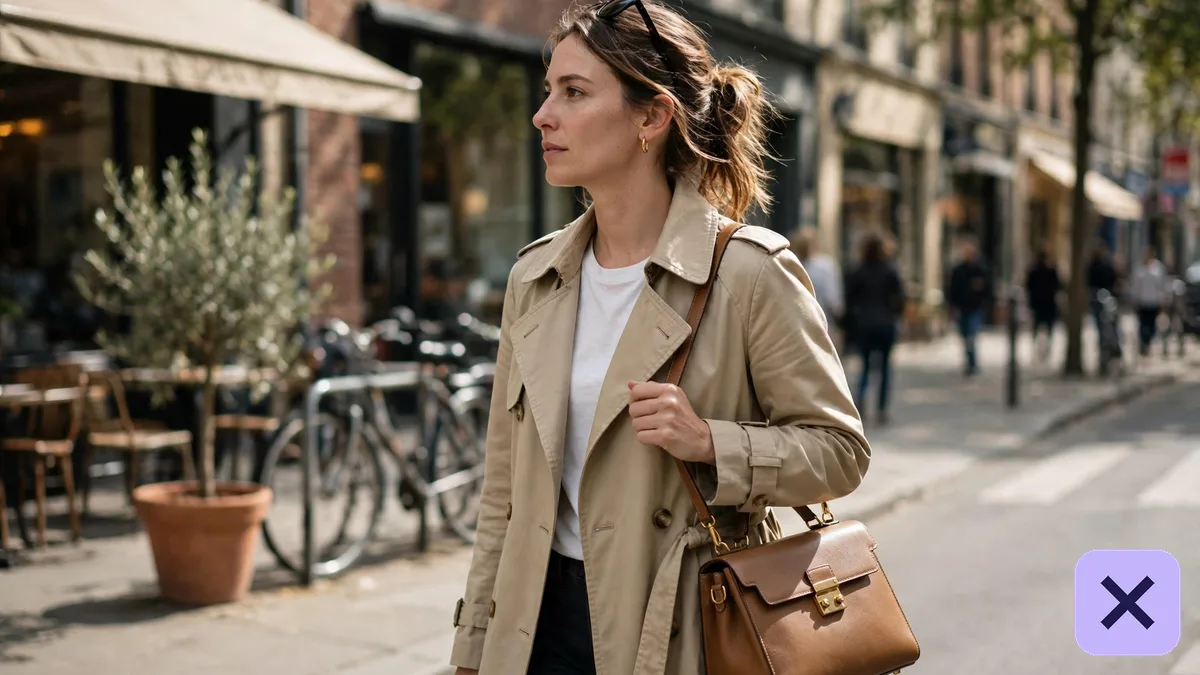
The best handbags in 2026 are the ones you forget you are carrying. A good handbag holds your laptop, wallet, water bottle and keys without turning into a shapeless sack, and it does it without digging into your shoulder by mid-afternoon. That combination of capacity and comfort is rarer than it should be, because a bag can look wonderful on a shelf and still be miserable to carry once it is full.
Shoulder pain from a handbag is almost always a design problem, not a weight problem. A thin strap concentrates the whole load on a narrow strip of muscle, a bag that swings as you walk adds strain with every step, and a bag with no structure lets everything settle at the bottom and pull you sideways. This guide picks the handbags that solve those problems: wide comfortable straps, balanced weight, sensible pockets, and a shape that holds its own weight close to your body.
Key takeaways
- A wide, padded strap matters more than any other single feature: it spreads the load and is the main reason a heavy bag feels light.
- Carry the bag across your body or high on the shoulder, not dangling from your fingertips, to keep the weight close to your centre.
- A structured bag with a flat base carries better than a slouchy one, because the weight stays balanced instead of pooling at the bottom.
- Weigh your bag before you buy: the empty bag should be light, because the contents will add a kilogram or more before you leave the house.
- One well-organised bag beats three pretty ones: pockets for your phone, keys and cards save more time and strain than any extra litre of space.
How we judged the best handbags
Every handbag here was judged on the same five points. First, comfort: how does the bag feel after two hours of walking with a realistic load inside, not just in the shop? Second, capacity: does it hold a laptop, a water bottle, a wallet and the daily essentials without bulging or forcing the zip? Third, organisation: can you find your keys and phone without emptying the bag? Fourth, structure: does the bag hold its shape when full, and does it sit upright on a table instead of collapsing? Fifth, durability: do the straps, stitching and hardware survive daily use, rain, and being set down on hard floors?
The best handbags at a glance
| Handbag | Best for | Carry style | Fits a laptop? | Approx. price |
|---|---|---|---|---|
| Structured leather tote | Work and everyday carrying | Shoulder or hand | Yes, up to 14 inches | $120–$250 |
| Top-handle satchel | Smart days and meetings | Hand or shoulder | Yes, up to 13 inches | $100–$220 |
| Padded crossbody | All-day comfort | Crossbody | No, tablet only | $80–$180 |
| Wide-strap shoulder bag | Heavy loads without pain | Shoulder | Yes, up to 14 inches | $90–$200 |
| Compact everyday bag | Light days and evenings | Shoulder or crossbody | No | $60–$140 |
Why most handbags hurt your shoulder
Shoulder pain from a handbag comes down to pressure, and pressure is weight divided by area. A thin strap puts the entire weight of the bag onto a strip of skin and muscle only a centimetre or two wide, which is why a bag that weighs two kilograms can feel like five. A wide strap, ideally four centimetres or more, spreads the same weight over twice the area, and a padded strap spreads it further still. That single change does more for comfort than any other feature, including the weight of the bag itself.
The second problem is how the bag moves. A bag that swings as you walk adds a sideways pull with every step, and your shoulder works constantly to steady it. A bag carried close to the body, with a strap short enough that the bag sits at your hip rather than your knee, swings far less. Crossbody bags are the best at this, because the strap goes over one shoulder and the bag rests against the opposite hip, which keeps it still and keeps the weight near your centre.
Straps: the feature that decides everything
When you try a handbag, look at the strap before you look at anything else. A good strap is wide, lightly padded, and adjustable, with hardware that does not slip. Adjustability matters because the right length changes with your coat: a strap that is perfect over a T-shirt will be too short over a winter coat, and a strap that cannot be lengthened will force the bag to ride too high and dig in.

A crossbody strap is the most comfortable option for a heavy load, because it distributes the weight across your torso instead of hanging it from one shoulder. If you prefer a shoulder bag, look for a strap with a non-slip underside, which stops the bag sliding off your shoulder and forcing you to hike your shoulder up to hold it. That raised-shoulder habit is one of the main causes of neck pain from handbags, and a strap that stays put prevents it.
Capacity: fitting everything without the bulge
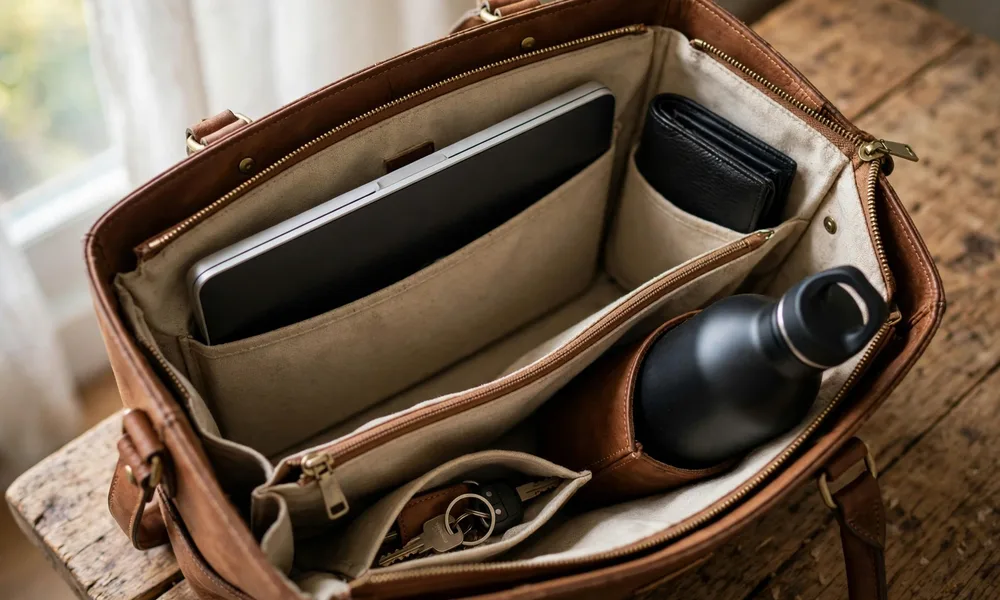
A good handbag fits your real daily load, not an imaginary one. Before you shop, lay out what you actually carry every day: phone, wallet, keys, water bottle, and, if you work away from home, a laptop or tablet and a charger. Measure your laptop, because a bag that claims to fit a laptop may only fit a slim thirteen-inch model, not a chunky fifteen-inch one. The laptop pocket should be padded and should sit against the back of the bag, closest to your body, which also helps the bag balance.
Organisation is what separates a bag you love from a bag you tolerate: a zipped pocket for valuables, an open pocket for your phone, a key leash, and a water bottle pocket that keeps the bottle upright. A light-coloured lining makes everything easier to find. A good tote bag can work just as well for daily carrying, but a structured handbag with pockets saves you the daily dig.
Structure: why a bag that stands up carries better
A structured bag holds its shape when you set it down, and that shape is doing work for you. The flat base keeps the weight spread evenly, the sides keep the contents from pooling at the bottom, and the bag stays close to your body instead of sagging away from it. A slouchy bag, by contrast, lets everything settle into a heavy lump at the bottom, which pulls away from your body and strains your shoulder with every step.
Structure also protects your things: a reinforced base and a proper frame around the opening keep the bag from collapsing onto your laptop, and a structured bag looks smarter in a meeting too.
Materials: leather, canvas and the weight question
Full-grain leather is the classic handbag material for good reasons: it is strong, it ages well, and it holds its shape. But leather is heavy, and a large leather bag can weigh a kilogram before you put anything in it. If comfort is your priority, look for a smaller leather bag, or a leather bag with a canvas body and leather trim, which gives you the look and the durability with less weight.
Choosing a handbag for your day
The right handbag depends on the day you actually have, not the day you wish you had. For a working day with a laptop, a structured tote or a wide-strap shoulder bag with a padded laptop pocket is the honest choice. For a day of errands and walking, a padded crossbody with just the essentials will leave you far more comfortable than a large bag carried out of habit. For an evening out, a compact bag that holds only a phone, cards and keys is all you need, and your shoulder will thank you.
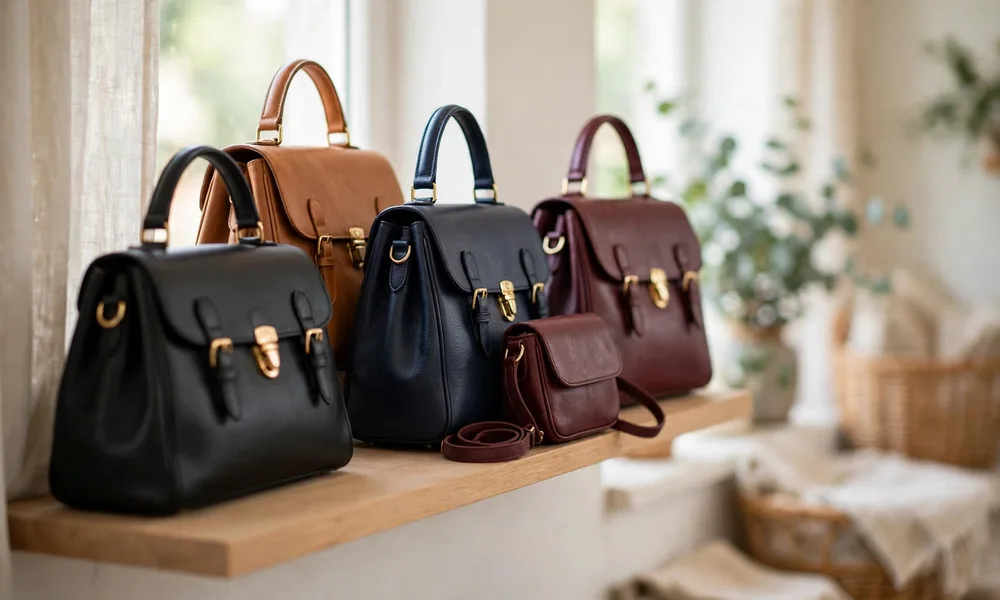
One bag rarely does everything well, but two cover most lives: a work bag with structure and a laptop pocket, and a light crossbody for everything else. A travel backpack designed for business women is worth considering for the heaviest days, and a dedicated laptop bag is the better call when you are carrying a full workstation.
Caring for your handbag
A handbag lasts longer when it is not overloaded. Overfilling stretches the straps, strains the stitching, and distorts the shape, which is why a bag that once stood upright starts to sag. Empty the bag once a week, wipe the lining, and store it stuffed with tissue or a soft cloth so it keeps its shape. Keep leather bags away from radiators and direct sun, which dry the leather out, and treat them with a leather conditioner a few times a year.
Before you buy: a quick checklist
- Check the strap: it should be wide, padded and adjustable, with hardware that does not slip.
- Check the empty weight: pick the bag up and judge it, because the contents will add a kilogram or more.
- Check the laptop fit: measure your laptop and confirm the pocket is padded and sits against your back.
- Check the pockets: a phone pocket, a zipped pocket and a key leash or key pocket save daily frustration.
- Check the structure: set the bag down and see if it stands upright on its own.
- Try it loaded: walk around the shop with your real daily items inside before you decide.
Frequently asked questions
What is the most comfortable way to carry a heavy handbag?
Carry it crossbody if you can, which spreads the weight across your torso and keeps the bag close to your body. If you prefer a shoulder bag, use a wide padded strap, keep the bag high on your hip, and switch shoulders regularly.
How heavy should a handbag be when full?
As a rough guide, no more than ten per cent of your body weight, and less is better: five to seven kilograms at most, including the bag itself.
Are crossbody bags better for your shoulder than shoulder bags?
Yes, for heavy loads: a crossbody strap distributes the weight across your torso and stops the bag swinging. A shoulder bag with a wide padded strap is the next best option.
What size handbag do I need for a laptop?
Measure your laptop first, then look for a bag with a padded laptop pocket that sits against the back of the bag. Most structured totes and wide-strap shoulder bags fit a laptop up to fourteen inches; a compact bag usually will not.
Does a structured bag really carry better than a slouchy one?
Yes. A structured bag with a flat base keeps the weight balanced and close to your body, while a slouchy bag lets everything pool at the bottom and pull away from you.
How do I stop my handbag strap slipping off my shoulder?
Look for a strap with a non-slip underside and a length you can adjust so the bag sits high on your hip. A crossbody strap solves the problem entirely, and switching shoulders regularly also helps.
The bottom line
The best handbags in 2026 are the ones that carry everything without hurting your shoulder, and that comes down to a wide padded strap, a structured shape, and an honest look at what you actually carry. Start with the strap, check the weight, and try the bag loaded before you buy it. A bag that feels good empty and still feels good full is the one worth keeping, and it will carry you through workdays, weekends and everything in between without the ache at the end of the day.