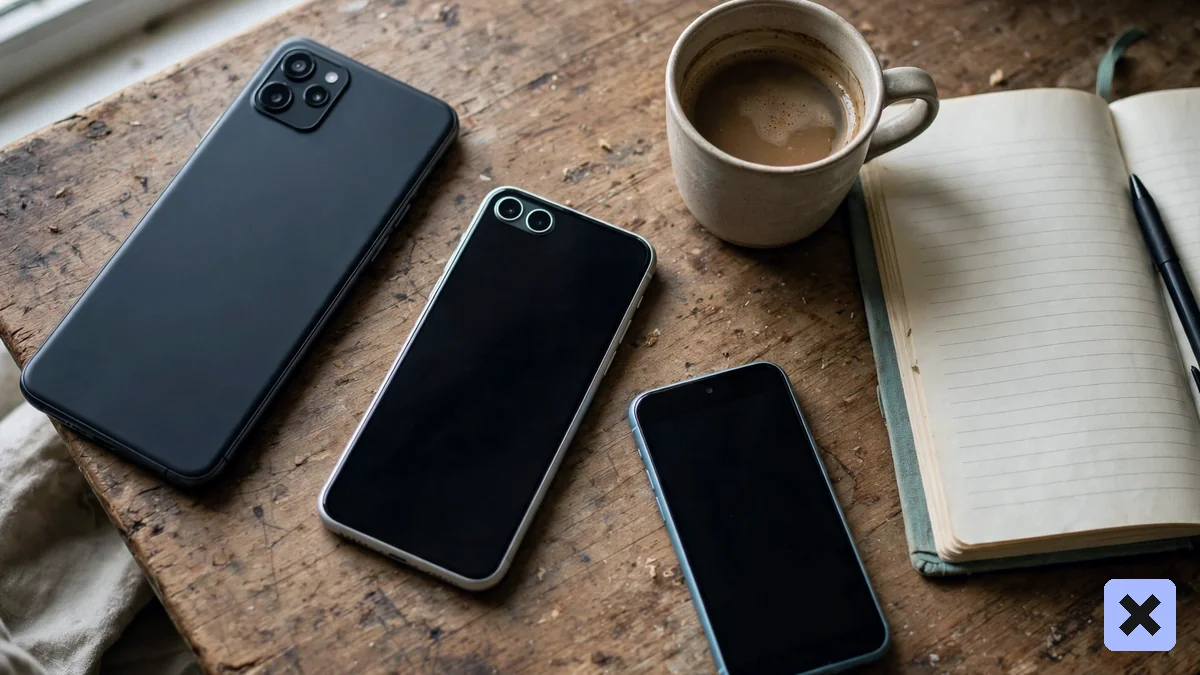
A speaker is the one piece of technology that changes the feel of a whole room. Press play on a good one and the evening settles: voices sound warm and close, music has weight, and a film feels bigger than the television it came from. Press play on a bad one and the same song turns thin and tiring, dialogue gets lost under the music, and within a week the speaker is sitting in a cupboard while you listen through your phone instead. The difference between the best and the worst speakers of 2026 is not subtle, and it is rarely about the price on the box. It is about the match between the speaker, the room, and the way you actually listen.
This comparison judges the whole speaker category, not one corner of it. Bookshelf, floorstanding, portable, smart, soundbar and computer speakers all appear here, judged the way you would actually live with them: how they sound at the volume you really use, whether they fit the room they are bought for, whether they keep working without fuss, and whether the price is honest. The smaller corners of the category already have their own deep dives. Our look at the best and worst Bluetooth speakers covers portable sound in detail, our comparison of the best and worst smart speakers goes deep on voice control and privacy, and our guide to the best and worst soundbars is the one to read if television sound is your only problem.
Key Takeaways
- Room size matters more than wattage: a well-tuned bookshelf pair usually beats a bigger, cheaper floorstander squeezed into a small room.
- Clarity at normal volume is the real test: a speaker that only sounds good turned up loud will tire your ears within an hour.
- Bass should have weight, not boom: uncontrolled low end muddies voices and makes films harder to follow, not more exciting.
- Portable speakers are judged outdoors at real volume, where battery claims and waterproof ratings are tested for the first time.
- The worst speakers fail in the same few ways every year: tiny drivers, weak power, harsh treble, and connections that drop when you need them.
How We Judged the Best and the Worst
A speaker earns its place on the best side by doing the basic job brilliantly: making music, voices and films sound natural in the room where it actually lives. A speaker lands on the worst side when it fails at that job, however good it looks in a product photo. We judged every type on the same six things. Sound quality comes first, because it is what your ears notice within seconds: clear voices, instruments that keep their character, and bass that supports the music instead of swallowing it. Room fit comes next, because a speaker that is too big for the space will boom and a speaker that is too small will vanish. Build covers the cabinet, the drivers and the finish, and whether the speaker still looks and sounds right after a year of daily use. Connection and ease of use cover Bluetooth stability, Wi-Fi, voice control and how much setup the speaker demands before it plays a note. Battery and toughness matter for anything portable, and value asks whether the sound justifies the price.
The Best Side: What Great Speakers Do Right
The best speakers of 2026 share one quality that no specification can capture: they disappear. You stop thinking about the speaker and start listening to the music, the film, or the person talking. Voices sound like people in the room rather than voices through a tube. A piano keeps its attack and its decay. A film’s quiet scenes stay intelligible without reaching for the remote, and its loud scenes have impact without making the windows rattle. This comes from balance, not brute force. Good speakers are tuned so that no part of the sound shouts over the rest, and they hold that balance at low volume as well as high.
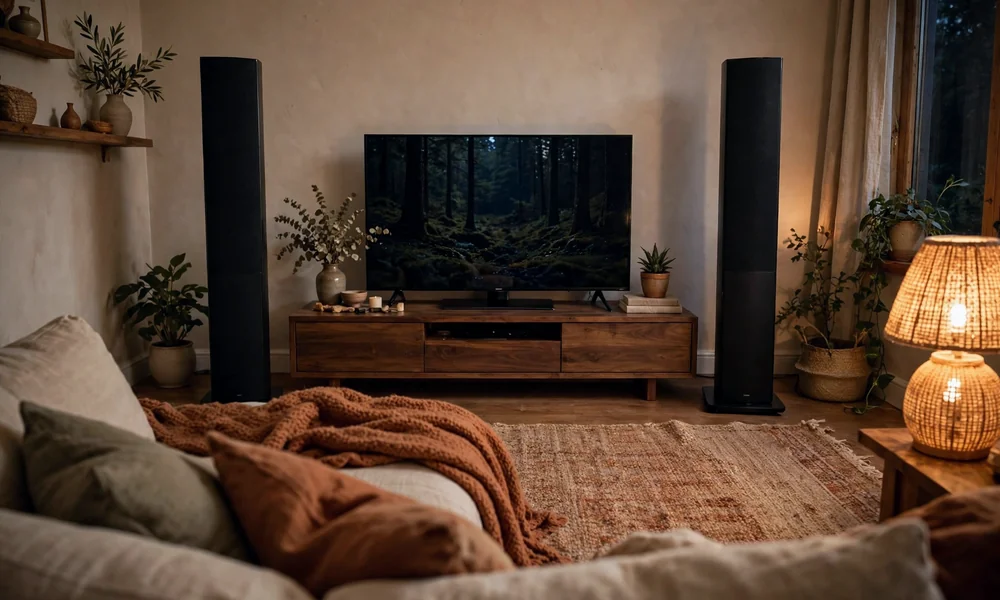
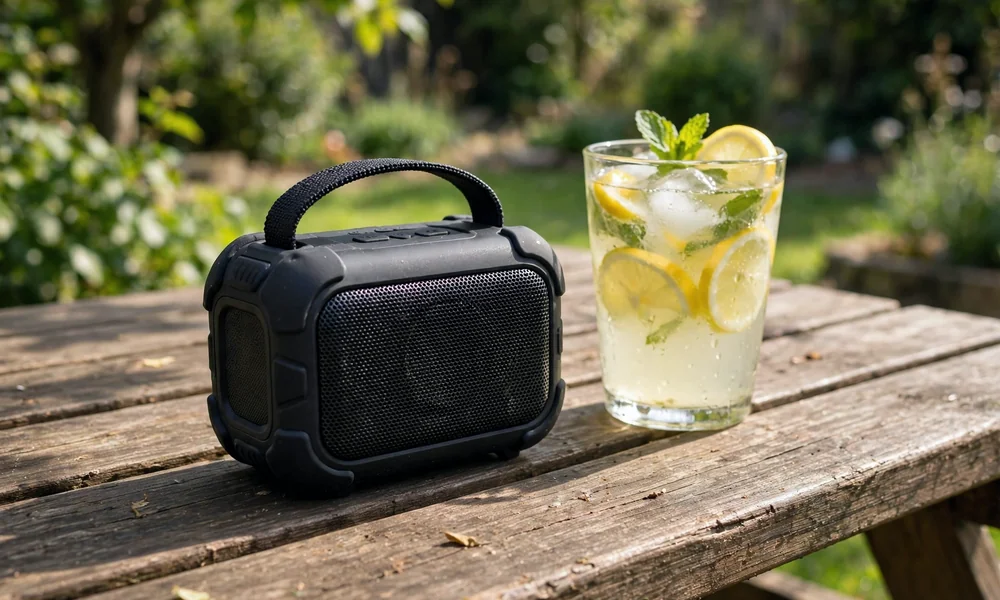
Great speakers also respect the room. A well-made bookshelf pair is designed to sit on a shelf or a stand a little away from the wall, and it sounds full without needing a subwoofer the size of a suitcase. A good floorstanding pair fills a large living room with ease, but it is built to be placed with space around it, and it does not punish you for sitting off to one side. The best portable speakers are honest about what they are: they will not replace a home system, but they sound full at garden volume, hold their connection across the lawn, and keep playing long after the battery claims of their rivals have run out. The best smart speakers hear you from across a noisy kitchen, answer quickly, and work with the lights and heating you already own instead of demanding a new ecosystem.
The Worst Side: Where Bad Speakers Go Wrong
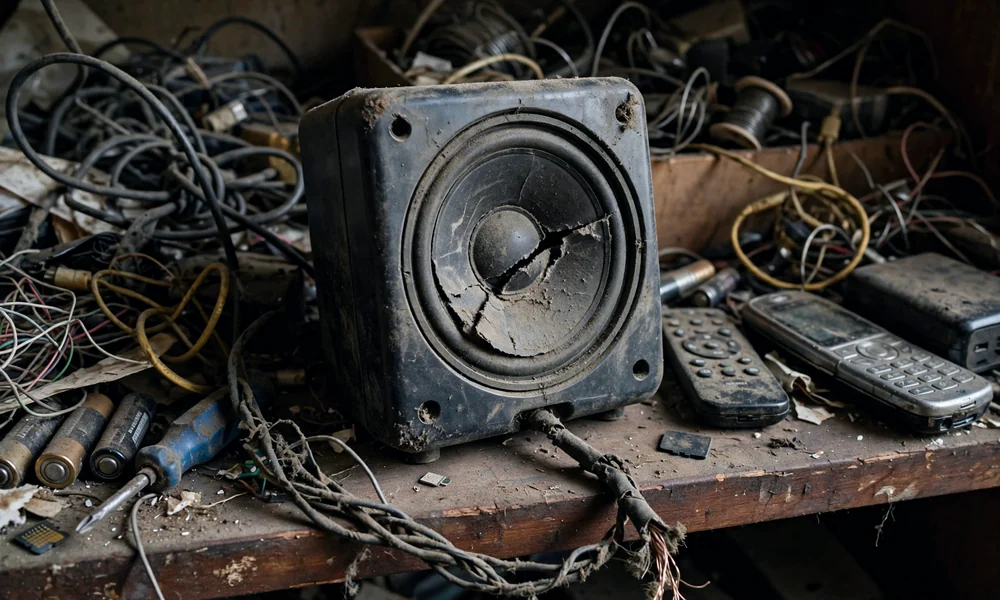
The worst speakers of 2026 fail in ways that are easy to spot once you know what to listen for, and almost impossible to spot in a shop. The most common failure is harsh treble. Cheap speakers boost the high frequencies because it makes them sound detailed in a thirty-second demonstration, but at home the same tuning turns cymbals into a hiss and voices into a sharp edge that tires your ears within minutes. The second failure is the opposite: bass that booms without control. A small driver in a thin plastic cabinet cannot move enough air for real low notes, so the speaker fakes it with a booming resonance that muddies everything else.
Then there is the failure of power. A speaker with a weak amplifier and a small power supply will sound acceptable at low volume and fall apart the moment you turn it up, distorting on every loud passage. Portable speakers add their own failures. Battery claims are measured in a quiet room at the lowest volume, so a speaker rated for twenty hours may manage six outdoors at the volume you actually use. Waterproof ratings hide sound that is thin and rattly, and a connection that drops every time you walk to the other side of the garden. Smart speakers fail differently: a bad microphone means voice commands only work when the room is silent, and a bad driver means the music sounds flat even when the assistant gets it right. The result in every case is the same. The speaker stops being used, the money is gone, and a replacement has to be bought anyway.
Best vs Worst Speakers at a Glance
Put the two sides next to each other and the pattern is simple. The best speakers sound balanced at the volume you actually listen at, fit the room they were bought for, and keep working without demanding attention. The worst speakers sound impressive for thirty seconds in a shop and tiring within an hour at home, fight the room they are placed in, and add chores: charging, reconnecting, re-pairing, and reaching for the remote to fix the volume. The best portable speaker holds its connection and its battery through an evening outdoors. The worst drops both. The best smart speaker hears you over the kettle and plays the song you asked for. The worst mishears you, plays the wrong track, and leaves you shouting at a small black cylinder. Price does not decide which side a speaker lands on. Some of the worst speakers of 2026 cost more than good ones, and some of the best are modest, plain-looking boxes that simply do the job well.
The Best Speakers by Type
Bookshelf speakers are the best choice for most rooms. A well-made pair on solid stands gives you real stereo, clear voices and enough bass for music and films, without taking over the living room. They reward a little care with placement: a few inches from the wall, at ear height, angled toward where you sit. Floorstanding speakers are the right pick for large rooms and serious film nights, where their bigger drivers and cabinets fill the space without strain. Portable speakers have closed the gap on sound quality, and the best ones now sound genuinely full outdoors, with real battery life and a build that survives rain, sand and a drop onto concrete. Smart speakers are worth it when the voice control works. Soundbars earn their place under the television when dialogue is the problem, and the best ones keep voices clear without turning every explosion into a thump. Computer speakers are the easiest desk upgrade there is, and a good powered pair transforms music, calls and films for less than a good pair of headphones.
The Worst Traps to Avoid
The first trap is the wattage number. A speaker rated at a hundred watts can sound worse than one rated at twenty, because the number says nothing about the driver, the cabinet or the tuning. Ignore it and listen instead. The second trap is the flashing light show. Speakers covered in coloured lights are usually spending their budget on the light show rather than the sound, and the lights become annoying within a week. The third trap is the tiny driver in a big box. A speaker that looks substantial but hides a two-inch driver behind a large grille will always sound thin, however impressive it looks on the shelf. The fourth trap is buying for a room you do not have. Floorstanders bought for a small flat, or a huge soundbar bought for a bedroom television, will fight the space every day. The fifth trap is the bargain that is too cheap to be true. A speaker that costs less than a takeaway dinner has had its budget cut somewhere, and the cut is almost always in the driver and the power supply, the two parts that decide how it sounds. Finally, test before you commit when you can: ten minutes of real listening at your normal volume tells you more than ten reviews.
Verdict: The Best Wins on Balance, Not Volume
The best speakers of 2026 win because they are balanced, honest and easy to live with. They sound good at the volume you actually use, fit the room they were bought for, and keep working without fuss. The worst speakers lose because they chase the wrong things: loudness over clarity, lights over sound, and big numbers over good engineering. Buy the speaker that suits your room and your listening, and you will still be glad you bought it in a year.
Who Each Side Is For
The best side is for anyone who listens every day and wants the sound to be a pleasure rather than a chore: music lovers with a favourite chair, families who watch films together, and anyone who works from home with music on. A good bookshelf pair suits most living rooms, a good portable speaker suits gardens and weekends away, and a good soundbar suits anyone whose television dialogue has become a daily frustration. The worst side is for nobody, which is the point. The speakers on that side are not bargains and they are not good enough for a spare room. They are money spent twice, once on the speaker and once on its replacement. If your budget is tight, buy the best small speaker you can afford rather than the biggest cheap one. Your ears, your room and your evenings will all be better for it.