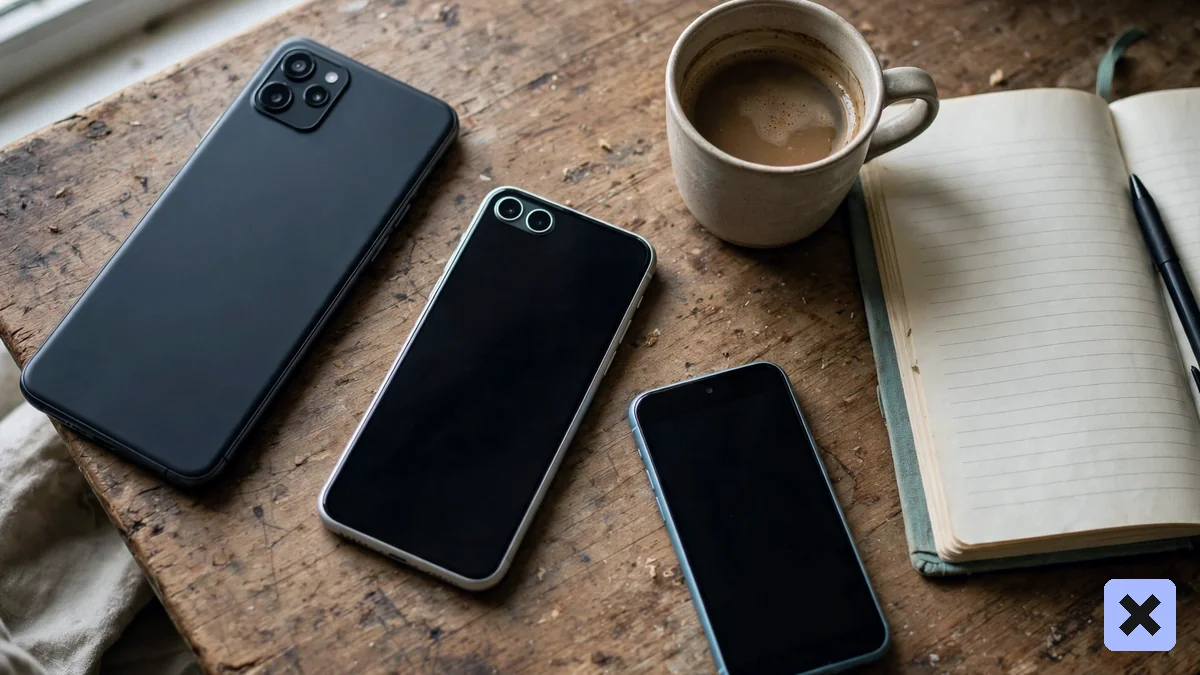
Your smartphone is the most used object you own and the most judged one you buy. It wakes you up, holds your photographs, your messages, your banking and your maps, and it is the first thing you reach for in the morning and the last thing you put down at night. Yet most people choose one in about ten minutes, guided by a bright screen in a shop and a number on a price tag, and then live with that choice for two or three years. The difference between the best and the worst is not usually the brand on the back. It is whether the phone was designed to be lived with or designed to be sold.
This comparison puts the best smartphones of 2026 head to head against the worst, judging them the way you will actually use them: how the screen looks in sunlight, how the battery holds up on a long day, how the camera handles a dim restaurant and a moving child, and whether the phone still feels fast and pleasant after a year of updates. If you want the same treatment for the things that plug into a phone, our guide to the best and worst earbuds of 2026 covers the sound that comes out of it, and the verdict below is the short version of what to buy and what to walk past.
Key Takeaways
- The screen is what you actually live with: a bright, sharp display that stays readable in sunlight matters far more day to day than a processor benchmark you will never feel.
- Battery life is a promise, not a number: the best phones end a long day with charge to spare, while the worst quote a big milliamp-hour figure and still die before dinner.
- Cameras are judged in bad light: every phone takes a good photograph in sunshine, and only the good ones take a usable one in a dim room or at dusk.
- Software support is part of the price: a phone with five years of updates is a far better buy than a slightly cheaper one abandoned after two.
- Storage and build decide the second year: too little storage and a fragile body turn a good first month into a miserable second year.
How Smartphones Actually Work
A smartphone is a small computer wrapped around a radio, and every part of it is a compromise about heat, size and battery. The processor does the thinking, the memory holds what you are doing right now, the storage holds everything else, and the battery feeds all of it. When a phone feels slow, the cause is rarely one weak part. It is usually a processor working too hard to keep up with bloated software, or memory so full that the phone is constantly shuffling apps in and out, or a battery so worn that the phone quietly slows itself down to survive the day.
The screen is the part you touch and look at more than any other, and it decides how the whole phone feels. A good display is bright enough to read outdoors, sharp enough that text looks printed rather than pixelated, and smooth enough that scrolling feels like sliding paper rather than flipping pages. A poor screen is dim in sunlight, washes out at an angle, and makes every photograph look slightly wrong, and no processor can fix that.
The camera is really a computer that happens to have a lens. The sensor captures the light, and then software decides what the photograph should look like, sharpening edges, brightening shadows and guessing at colours. A good phone camera takes a photograph that looks like the scene you remember. A bad one takes a photograph that looks processed, over-sharpened and slightly unreal, and no amount of megapixels will save it.
The Best Smartphones of 2026
The best smartphones of 2026 are the ones that disappear into your day. You pick them up and they are simply ready: the screen lights up bright and clear, the fingerprint reader works on the first try, the apps open without a pause, and the battery at bedtime still shows a comfortable margin. They are not the phones with the longest list of features on the box. They are the phones where everything ordinary works well, every time, without fuss or waiting.

The flagship phones that earn their price do so with the whole package rather than one headline feature. Their screens are bright and colour-accurate, their cameras are consistent across daylight, dusk and indoor light, their batteries comfortably last a full day of heavy use, and their software is clean, fast and supported for years.
The best mid-range phones of 2026 are the smartest buys of all, because they take most of what makes a flagship good and leave out the parts nobody misses. A good mid-range phone has a bright screen, a battery that lasts the day, a camera that is honest in daylight and acceptable in dim light, and enough storage that you are not deleting photographs by Christmas. It may charge a little slower and its night photographs may be a touch noisier, but in daily use the difference is small, and the price difference is not. For most people, this is where the best value in smartphones lives.
Battery life is where the best phones quietly win. A good phone is built around efficiency rather than a huge battery: a processor that sips power when idle, a screen that slows down when you are reading, and software that does not let apps run wild in the background. The result is a phone that ends a long day, with navigation, photographs and video calls, still holding a fifth of its charge.
The Worst Smartphones of 2026
The worst smartphones of 2026 are the ones that look impressive in the shop and fall apart in daily use. They have a glossy back, a big screen and a long list of features, and then the battery dies before dinner, the camera smears every indoor photograph, and the phone heats up doing nothing more demanding than navigation. The worst phones are built to be sold, not to be lived with, and the difference shows up within the first week.

The cheapest phones are the worst value of all, because they are cheap in the parts you cannot see. They have too little storage, so the phone fills up within months and starts refusing updates. They have too little memory, so every app reloads from scratch and switching between two things feels like starting over. Their screens are dim and washed out, their cameras are only good in perfect light, and their software is often abandoned after a single update, leaving you with a phone that is already out of date.
The worst cameras are easy to spot once you know what to look for. They are the phones whose photographs look wonderful on the phone’s own screen and terrible everywhere else, because the screen is oversaturated and hides the truth. In dim light they smear faces into wax, turn night scenes into muddy orange soup, and take so long to capture that a moving child becomes a blur. They often boast about megapixels, but megapixels only count the dots, not the quality of the light or the honesty of the processing, and a high number on the box is no promise at all.
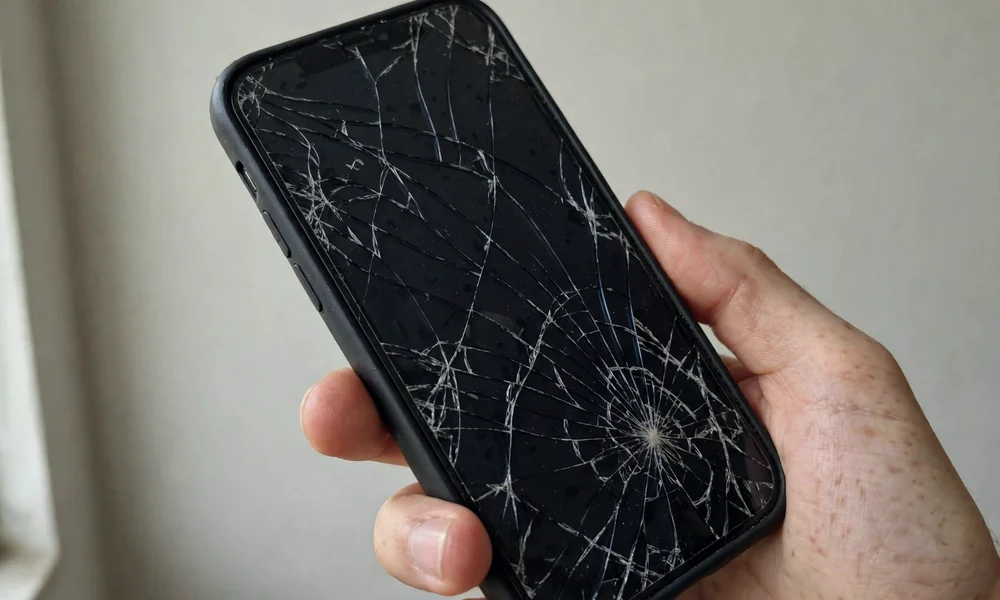
Fragility is the quiet cost of the worst phones. A phone with a thin glass back, a protruding camera that catches on every pocket, and no water resistance is a phone living on borrowed time. One drop onto concrete, one splash in the rain, and the repair bill is a large fraction of what the phone cost. The best phones are built with the expectation that they will be dropped, rained on and carried everywhere, and the worst are built as though they will live in a display case. Real life is not a display case, and a phone that cannot survive it is a bad buy at any price.
Best vs Worst Head to Head
Put the two side by side and the differences are plain in the first hour. The best phone feels cool and calm in the hand, opens apps instantly, and shows a screen that is bright and true. The worst feels warm after a few minutes, hesitates when you switch apps, and shows a screen that is dim and slightly blue. The best phone takes a photograph in a dim room that you are happy to keep. The worst takes one you delete on the spot. These are not small differences, and they are the differences you will notice every single day.
The price gap is smaller than the experience gap. A good mid-range phone costs little more than a bad budget phone, and it gives you a bright screen, a battery that lasts, a camera you can trust and software that will still be updated in three years. The worst phones look cheap and turn out expensive, because they need replacing sooner, cost more in repairs, and waste your time every day with slowness and frustration.
The habits around a phone matter as much as the phone itself. The best phone is one you can use without thinking about charging, storage or updates, and that leaves you free to enjoy the photographs, the messages and the maps. The worst phone makes you think about it constantly: checking the battery, deleting photographs, closing apps to free memory, and wondering why it is hot again. None of this needs special knowledge, only a little care at buying time: check the screen in sunlight, ask how long the battery really lasts, and look up how many years of updates the phone will get. If you want the same best-versus-worst treatment for the rest of your desk, the best and worst monitors of 2026 sorts the screens worth staring at all day from the ones worth avoiding, and our guide to the best and worst speakers of 2026 covers the sound your phone cannot make on its own.
The Verdict
The verdict is clear: buy the best mid-range phone you can afford from a maker with a long record of software updates, or a flagship if you want the best camera and the longest life. Look for a bright screen, a battery that truly lasts a full day, a camera that is honest in dim light, and at least five years of updates. Do not buy a phone on megapixels or a glossy back alone, and do not buy the cheapest phone on the shelf, because its low price is paid for in the parts you cannot see. A good phone disappears into your life, and that is exactly what you want it to do.
Who Each Is For
The best smartphone is for anyone who uses their phone all day and wants it to simply work: the commuter who navigates and listens and photographs, the parent who needs a camera that catches a moving child, and the worker who needs a battery that survives a long day without a charger. The worst smartphone, if it suits anyone at all, suits only someone who barely uses a phone and wants the cheapest possible way to make calls, and even then a good mid-range phone costs little more and gives a great deal more. Buy for the second year, not the first week, and enjoy a phone you never have to think about.


