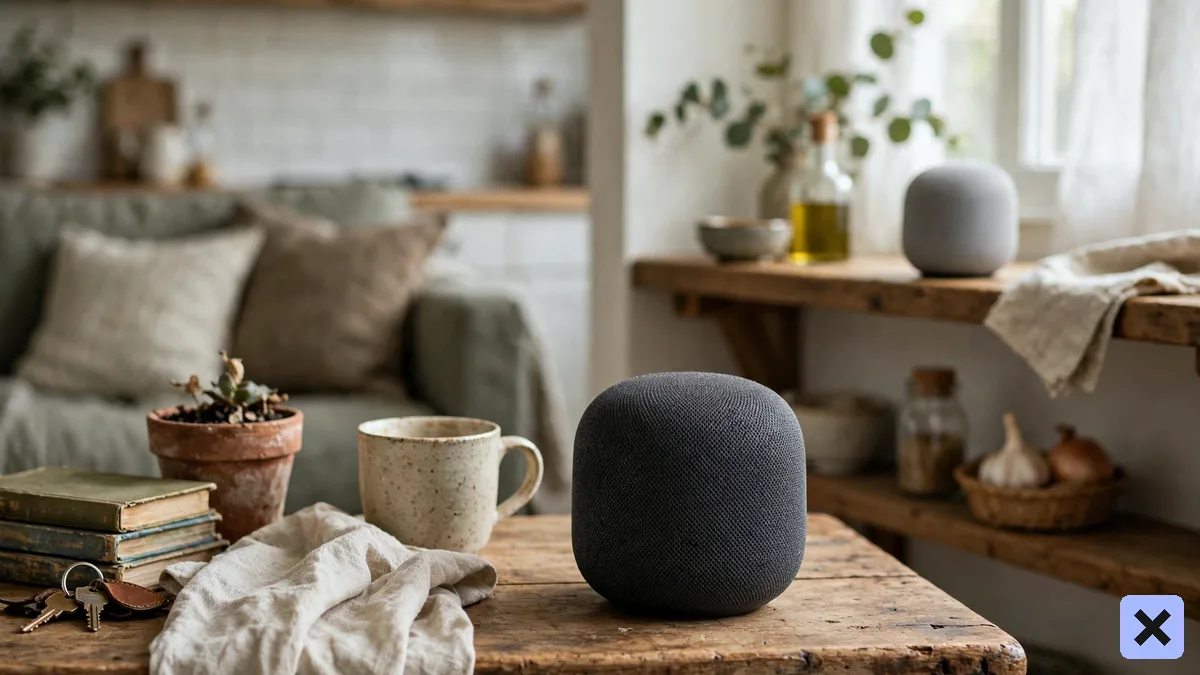
A smart speaker sits in the corner of the room and does nothing most of the day, and then, in one small moment, it either earns its place or reminds you why you should have left it in the shop. You ask it to play a song while you cook, and the best ones fill the kitchen with warm, clear sound before you have finished chopping the onion. You ask the worst ones the same thing, and they mishear you, play the wrong track at a volume that hurts, or sit there in silence while the little light on top spins and spins. The difference between the best and the worst smart speakers in 2026 is not a small gap in quality. It is the difference between a device that quietly makes a home easier to live in and a device that becomes an expensive ornament you stop talking to within a month.
This guide puts the two sides next to each other, honestly and in detail. On the best side are the speakers that sound genuinely good, hear you from across a noisy room, understand what you actually meant, and work with the lights, locks and thermostats you already own. On the worst side are the speakers that look fine in the box and fall apart in daily use: thin, rattling sound, microphones that only work when the room is silent, assistants that forget your routines, and apps that turn a simple request into a chore. We compare sound quality, voice recognition, smart home control, privacy, setup and value, and we finish with a verdict on who should buy what, and what to avoid entirely.
Key takeaways: the best smart speakers balance rich, room-filling sound with fast, accurate voice control and broad smart home support. Sound quality matters more than size, and a well-tuned compact speaker often beats a larger, cheaper one. Pick a speaker that works with the voice assistant and smart home system you already use, or you will pay for features you cannot enjoy. A physical microphone mute button should be a requirement, not a luxury. The worst speakers fail in the same ways every year: tiny drivers, weak microphones and software that was never finished.
What Separates the Best Smart Speakers From the Worst
The best smart speakers start with the part that matters most and gets forgotten first: they are speakers. A good one has a driver big enough for its cabinet, a power supply that can keep up when the music gets loud, and tuning that keeps voices natural instead of harsh. You can listen to a whole album on a good speaker without your ears getting tired, and you can hear the words of a podcast clearly even when the kettle is boiling. A bad speaker does the opposite. It boosts the treble so it sounds detailed in the shop, and at home that same boost becomes a hiss that makes cymbals painful and voices thin. It distorts at half volume, rattles on bass notes, and makes a favourite song sound like it is coming through a tin can.
Microphones are the second dividing line, and they matter just as much. A good smart speaker has several microphones arranged to pick your voice out of music, conversation and the noise of a washing machine. You can speak at a normal volume from the sofa and it hears you the first time. A bad speaker has one weak microphone that only works when the room is quiet and you are standing right next to it. You end up repeating yourself, then shouting, then walking over to press a button, which defeats the whole point of a voice-controlled device. If you have ever had to say the same command three times to a speaker that was playing music, you already know this failure well.
The Best Side: Speakers That Earn Their Place
Sound That Fills a Room Without Straining
A good smart speaker produces bass you can feel without it booming out of control, midrange that keeps voices warm and present, and treble that stays clean even at higher volumes. It adapts to the room it is in, softening the echo of a bare kitchen or warming up a carpeted bedroom. The best compact models manage this in a body no bigger than a mug, which is a genuine engineering achievement, and the best larger models can fill an open-plan living space without a separate subwoofer. Listen to the same track on a good speaker and a bad one, back to back, and the difference is obvious within ten seconds. The good one sounds like the musicians are in the room. The bad one sounds like a recording of a recording.
Voice Control That Understands the First Time
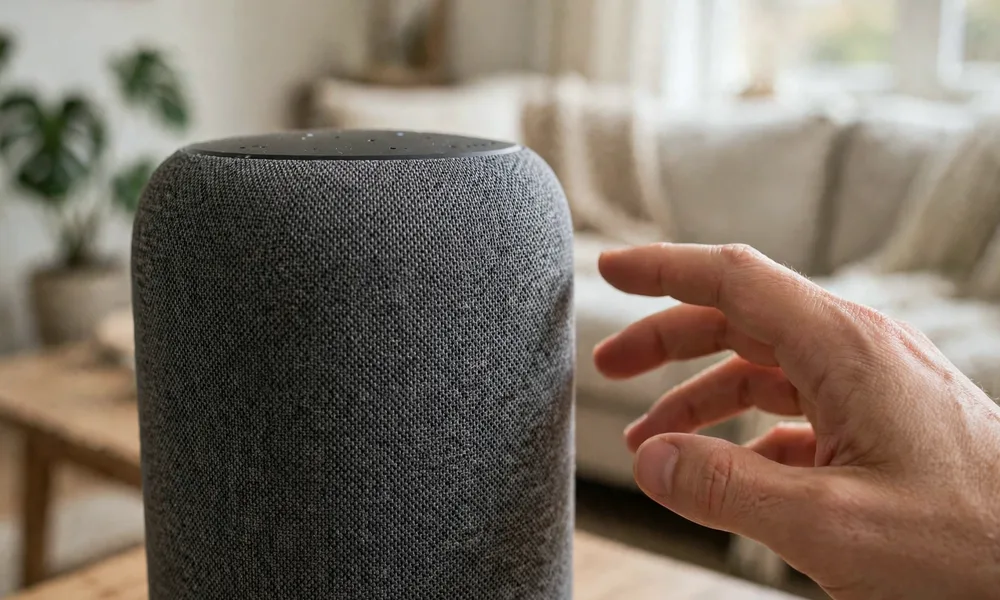
The best voice assistants understand natural speech, not just exact commands. You can say that you are cold and a good speaker will turn the heating up, while a bad one will tell you the weather in a place called Cold. The best ones remember context, so a follow-up question like what about tomorrow actually makes sense. They also handle more than one person in a home, telling voices apart and giving each person their own calendar, music and reminders. That matters in a family home, where a speaker that mixes up two people’s alarms causes real arguments. Speed matters too. The best speakers answer in under a second, which keeps a conversation feeling natural instead of like a series of failed phone calls.
Smart Home Control That Actually Works
A smart speaker earns its keep when it controls the rest of the home without fuss. The best ones work with the widest range of lights, plugs, locks, cameras and thermostats, and they support the Matter standard, which lets devices from rival brands share one home. You can say good night and watch the lights dim, the doors lock and the thermostat drop, all from one command. The best speakers also keep working when the internet drops out for a few minutes, running simple routines locally instead of going silent. If you are weighing two premium brands against each other, our head-to-head guide to Sonos vs Bose smart speakers compares the two systems that dominate this space, from multi-room sound to out-of-the-box simplicity.
The Worst Side: Speakers That Waste Your Money
Thin, Harsh Sound That Tires Your Ears
The most common failure in bad smart speakers is a driver that is too small for the cabinet, paired with a power supply that cannot keep up. The result is sound that distorts when you turn it up past halfway, bass that rattles instead of thumping, and treble so sharp that voices sound like they are coming through a broken radio. Manufacturers often hide this by boosting the bass and treble in the shop, which makes the speaker sound exciting for thirty seconds and exhausting for thirty minutes. A bad speaker also has no sense of the room it is in. It sounds the same in a tiled bathroom and a soft-furnished bedroom, which means it sounds wrong in both. If a speaker makes you reach for the volume control every few minutes, turning it up for quiet dialogue and down for loud music, it has failed at its most basic job.
Microphones and Assistants That Give Up
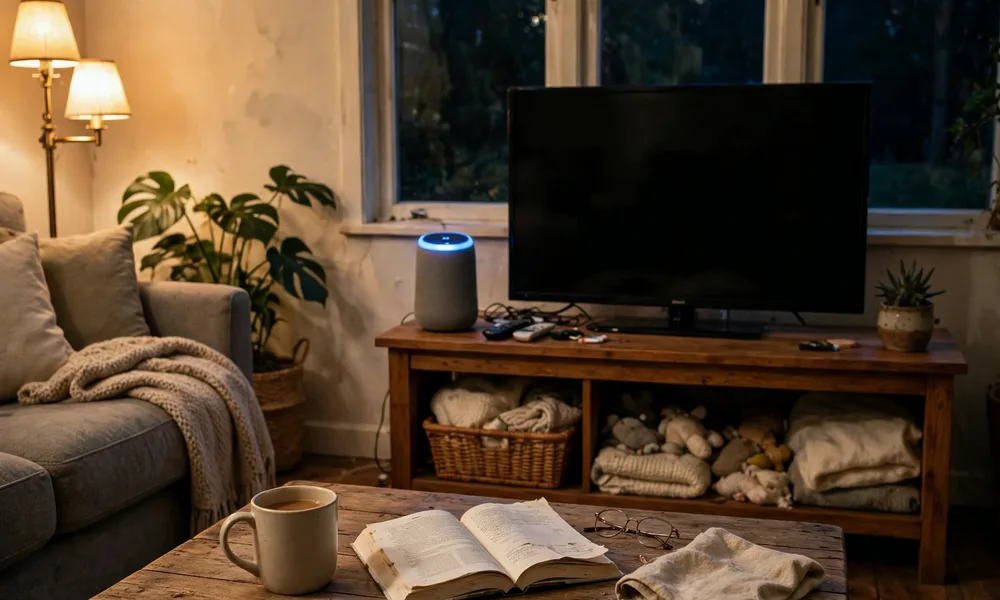
A smart speaker that cannot hear you is just a bad speaker with a light on top. The worst models have microphones that are drowned out by their own music, so you have to pause the song before you can ask for the next one. Their assistants mishear common words, confuse one family member for another, and answer questions with long, irrelevant speeches instead of the one fact you needed. Some of them need an internet connection for even the simplest tasks, so a brief broadband wobble leaves you unable to set a timer while your hands are covered in flour. Others lose their settings after every update, forgetting the names of your rooms and the routines you spent an evening building. A speaker that needs constant babysitting is not a smart device. It is a chore that talks back.
Best vs Worst Smart Speakers Head to Head
There is one area where the gap is smaller than people expect, and it is worth saying plainly. A cheap speaker from a good brand can be genuinely excellent for a bedroom or a kitchen, and an expensive speaker from a bad brand can be genuinely terrible in a large living room. Price is a clue, not a guarantee. The brand matters less than the record: does this company update its speakers, does it support the smart home standard that matters, and does it have a microphone you can physically switch off? If the answer to any of those is no, walk away, whatever the price tag says. The same judgement applies across the living room, and our guide to the best vs worst soundbars shows how the same traps appear when the speaker sits under a television instead of on a shelf.

The Verdict
The verdict is simple: buy the best smart speaker you can afford from a brand with a record of long software support, and buy it for the room you will actually use it in. For most homes, that means a well-tuned mid-range speaker with a good microphone, a physical mute button and broad smart home support, rather than the biggest flagship on the shelf. A stereo pair of good compact speakers will beat a single expensive one in most living rooms, and one good speaker in the kitchen will get more use than three mediocre ones scattered around the house. Spend your money on sound and microphones, not on gimmicks, and check before you buy that the speaker works with the assistant and the smart home system you already use.
Who Each Side Is For
The best smart speakers are for anyone who wants music, voice control and a smarter home without thinking about the technology. They suit families who share one home and need a speaker that tells voices apart, cooks who need timers and recipes with flour on their hands, and music lovers who want a stereo pair that makes a living room feel bigger. They also suit people who are building a smart home slowly, because a good speaker grows with the house, adding rooms and devices over the years. If you already have lights, a thermostat or a doorbell from one ecosystem, buy the speaker that belongs to that world. For the wider picture of how the speaker fits into the rest of the house, our guide to the best smart home hubs explains which system holds a whole home together.
The worst speakers, frankly, are for nobody, and that is the honest answer. They sometimes appeal to bargain hunters and to people buying a first smart speaker as a gift, because the box looks impressive and the price looks kind. But a gift that frustrates the person who receives it is not a kind gift, and a bargain that ends up in a drawer is not a bargain. If your budget is tight, buy a smaller speaker from a good brand, or buy one good speaker instead of two bad ones. Your ears, your patience and your home will all be better for it, and the speaker you buy will still be earning its place on the shelf years from now, instead of gathering dust next to the other gadgets that promised too much.