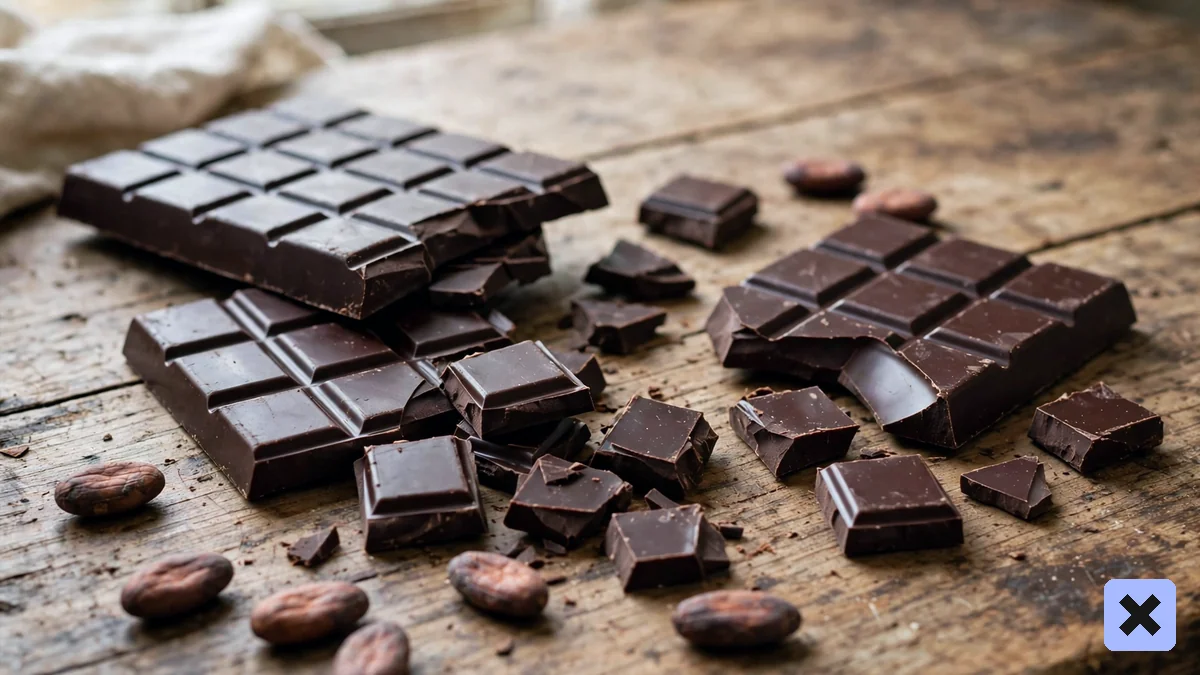
Chocolate is the easiest pleasure in the world to get wrong. A bar can look rich and glossy, smell wonderful when you open it, and still taste flat, waxy and dull. The difference is rarely the price. Cheap chocolate can be honest and good, and expensive chocolate can be a triumph of packaging over flavour. What matters is what is inside the bar, how it was made, and whether the maker cared more about cocoa or about the box it came in.
This comparison puts the best chocolate of 2026 head to head against the worst, judging it the way you would actually eat it: the snap of the bar, the way it melts on the tongue, the depth of flavour after the sweetness fades, and whether you want a second square or quietly put the bar back in the cupboard. If you want the full buying logic first, our guide to how to choose chocolate that is actually worth the price covers cocoa percentages, ingredients and bean-to-bar makers in detail, and the verdict below is the short version of what to buy and what to walk past.
Key Takeaways
- The snap tells the truth: a good dark bar breaks with a clean, sharp snap, while a soft, bendy bar usually means too much vegetable fat and too little cocoa butter.
- Cocoa percentage is a clue, not a verdict: a well-made 70 percent bar beats a harsh, bitter 90 percent bar almost every time, and milk chocolate can be superb when it is made with real cocoa butter.
- Read the ingredients before the price: cocoa mass, cocoa butter and sugar should lead the list, and a long tail of palm oil, whey powder and artificial flavour is a warning sign.
- Flavour should last: the best chocolate keeps changing as it melts, moving from fruit to nuts to spice, while the worst tastes sweet for five seconds and then of nothing at all.
- Store it cool and dry, never in the fridge, and taste it at room temperature, because cold chocolate hides its flavour and damp chocolate turns grey.
How Chocolate Actually Works
Chocolate begins as a cocoa bean, fermented, dried, roasted and ground, and everything after that is a series of choices about how much of the bean survives into the bar. The ground beans become cocoa mass, which is part cocoa solids and part cocoa butter, the natural fat that gives chocolate its melt. Good makers add sugar, sometimes milk, and very little else, then conche the mixture, a long slow stirring that smooths the texture and rounds off harsh flavours.
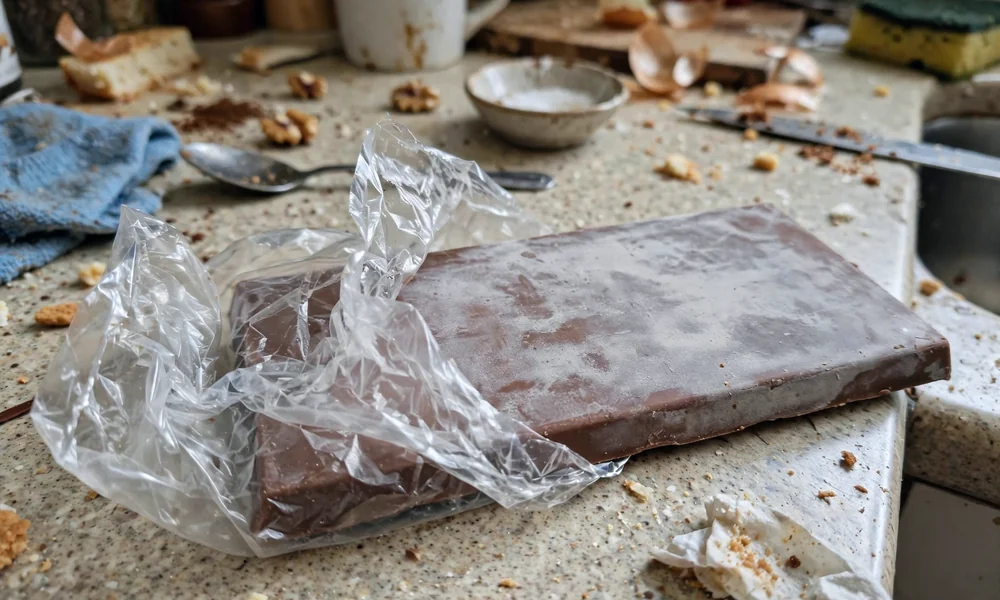
The melt is where good chocolate earns its keep. Cocoa butter melts just below body temperature, which is why a good square softens on the tongue and floods the mouth with flavour instead of sitting there like a sweet lump. Makers who replace cocoa butter with cheaper vegetable fats, usually palm or shea, save money and lose that melt: the bar feels waxy, coats the mouth, and leaves a greasy film after you swallow. Tempering matters too. A well-tempered bar is glossy, snaps cleanly, and keeps for months, while a badly tempered one turns dull and streaked, and blooms white on the surface when the temperature shifts.
Flavour is the third test, and it is the one that separates craft from commodity. A single-origin dark bar can taste of red berries, raisins, coffee or tobacco depending on where the beans grew and how they were fermented, and a good maker lets those notes speak instead of burying them under sugar. Milk chocolate is not automatically inferior: made with good milk and real cocoa butter, it can taste of cream, caramel and malt. The worst chocolate has no such story. It is sweet, then blank, and the only thing you remember is the wrapper.
The Best Chocolate of 2026
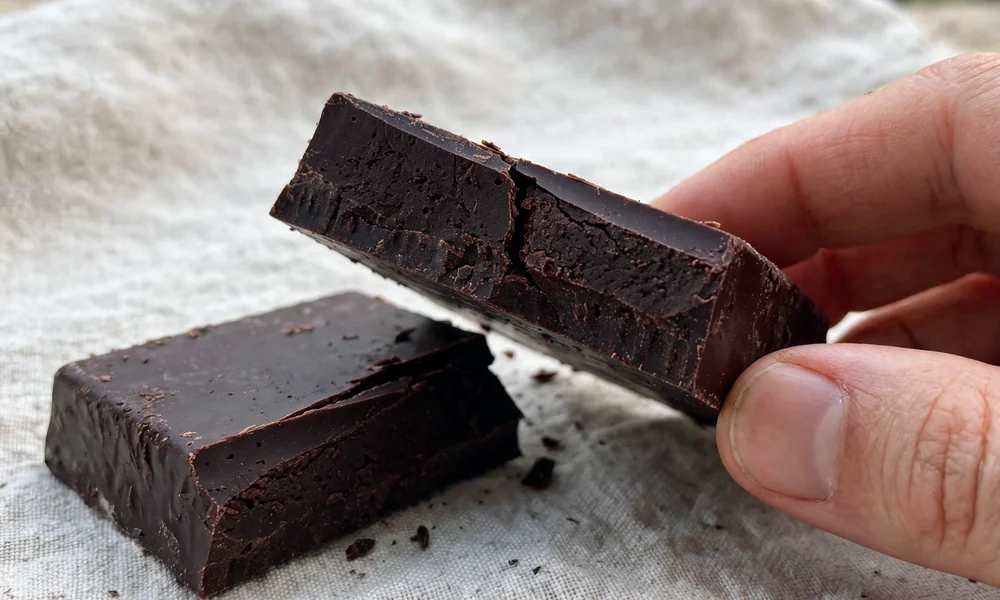
The best chocolate of 2026 shares three traits. It is made from real cocoa butter, it is conched long enough to feel silky, and its flavour lasts long after the sweetness fades. Here are the three kinds worth buying this year.
Best for everyday eating: a well-made 70 percent dark bar
For a square after dinner or a piece with coffee, the best everyday chocolate is a well-made dark bar at around 70 percent cocoa. At that level the bar has enough cocoa to taste complex without turning harsh, and a good maker can let the beans do the talking: dried cherry, toasted nuts, a little orange peel, a long finish that keeps changing. Look for a short ingredient list, cocoa mass, cocoa butter, sugar and perhaps vanilla, and a bar that snaps cleanly and melts slowly. One square satisfies in a way a whole cheap bar never does.
Best for gifts: a box of handmade truffles and pralines
When chocolate is a gift, the best choice is a box of handmade truffles and pralines from a maker who fills them the day they are sold. A good truffle has a thin shell and a soft centre, ganache, caramel, hazelnut praline or fruit, and the flavours should be distinct from one piece to the next, not a box of twenty pieces that all taste the same. Freshness matters more than the box: truffles are at their best within a week or two, so buy from a shop that turns its stock over quickly, and eat them at room temperature. A modest box from a good chocolatier beats a huge fancy box from a factory every time, because the recipient will remember the flavour, not the ribbon.
Best for cooking and drinking: a high-cocoa bar and pure cocoa powder
For the kitchen, the best chocolate is the plainest: a high-cocoa dark bar with no inclusions and a pure cocoa powder with nothing added. The bar melts cleanly into ganache, brownies and sauces because it is mostly cocoa mass and cocoa butter, and the powder makes hot chocolate that tastes of actual chocolate instead of sugar and milk powder. Keep the two separate in your mind: a bar made for eating is balanced for the tongue, while a cooking bar is built for flavour intensity, and using one for the other is how desserts turn out either too sweet or too bitter. Buy both, keep them cool and dry, and your baking will taste like the chocolate you meant to use.

The Worst Chocolate of 2026
The worst chocolate of 2026 is not hard to find. It fills the shelves at the till, arrives in glittering gift boxes, and promises luxury for very little money. Then you eat it, and the problems start. The patterns repeat every year, and once you know them, you can spot a poor bar before you pay.
Worst for flavour: compound chocolate made with vegetable fat
The most common failure in cheap chocolate is not the cocoa percentage, it is the fat. Compound chocolate replaces cocoa butter with palm or other vegetable fats, and the result is a bar that looks like chocolate and tastes like a sweet candle. It bends instead of snapping, it melts into a greasy film instead of a clean flood of flavour, and it leaves your mouth coated long after you swallow. The wrapper will not say compound chocolate in large letters, so read the ingredients: if vegetable fat appears before cocoa butter, or cocoa butter does not appear at all, put the bar back.
Worst for value: the glittering gift box with nothing inside
A chocolate gift box can be the worst value in the shop. The box is heavy, the ribbon is beautiful, and inside are a dozen pieces of mediocre chocolate padded out with cardboard and plastic, each one tasting of sugar and little else. These boxes are sold for the unboxing, not the eating, and they cost more per gram than a bar from a good maker. If you are buying a gift, ignore the box and ask about the maker, the freshness and the fillings. A small plain box from a chocolatier who made the contents this week is worth more than a huge glittering one from a factory that made them six months ago.
Worst for the palate: the sugar bomb with a chocolate name
Some chocolate is barely chocolate at all. The first ingredient is sugar, the cocoa is a token amount, and the flavour comes from artificial vanilla and flavourings rather than from beans. It is intensely sweet for a few seconds, then blank, and it leaves you wanting another piece not because it tasted good but because it never actually delivered any flavour. These bars are often aimed at children or sold as novelty shapes, and they train the palate to expect sweetness instead of chocolate. If the bar lists sugar first and cocoa last, it is a sweet, not a chocolate, whatever the wrapper claims.
Best vs Worst Head to Head
Put the two sides next to each other and the gap is not subtle. The best chocolate snaps cleanly, melts into a flood of flavour, and keeps changing as it sits on the tongue, moving from fruit to nuts to a long, gentle finish. The worst bends, coats the mouth with grease, and tastes sweet for five seconds before going blank. The best lists three or four ingredients you recognise; the worst lists a paragraph of fats, whey and flavourings. The best costs more per bar and less per pleasure; the worst is cheap per bar and dear per satisfaction.
The most important difference is honesty about what is inside. Good makers publish the cocoa percentage, the origin of the beans and the full ingredient list, because they have nothing to hide. Bad makers hide behind adjectives and glittering boxes. What you drink with it matters too, and our guide to the cocoa powders that make real hot chocolate covers the pure powders that turn a mug into something worth sitting down with. And if you want the same best-versus-worst treatment for another pantry staple, the best and worst coffee beans of 2026 apply the same tests to the beans in your cup.
The Verdict
The verdict is clear: buy a well-made 70 percent dark bar for everyday eating, a box of fresh handmade truffles when chocolate is a gift, and a plain high-cocoa bar and pure cocoa powder for the kitchen. Do not buy chocolate for its wrapper, its glittering box, or its suspiciously low price. Buy it for the snap, the melt and the ingredients list, because those are what you actually taste. A good bar costs a little more and gives a great deal more.
Who Each Is For
The best chocolate is for anyone who eats chocolate slowly and wants the flavour to be worth the pause: the after-dinner square, the gift that should be remembered, the baking that should taste of real cocoa. The worst chocolate, if it suits anyone at all, suits only a sweet tooth that wants sugar in a hurry and does not mind what it is called, and even then a good bar costs little more per square. Read the ingredients, break the bar, taste it at room temperature, and enjoy the difference every time you reach for a square.


