
A tennis racket can make the game feel easy or impossibly hard, and most casual players use one that quietly works against them. A racket that is too heavy tires your arm by the second set, one with too small a head punishes every ball struck off-centre, and one with the wrong grip size wrecks your forehand without you ever knowing why. The best tennis rackets of 2026 do the opposite: they forgive mishits, give you easy power, and feel comfortable from the first rally to the last.
The difference between the best and the worst is not mainly price or the name on the frame. The best are built around the player who will use them: a forgiving head, a sensible weight, and lively strings. The worst look almost identical in a photograph, yet they are heavy, stiff, or badly strung, and they turn a fun hour on court into sore elbows and balls flying long.
Key Takeaways
- A forgiving racket has a head of about 100 to 105 square inches, giving casual players a bigger sweet spot and easy power.
- Lighter rackets, around 260 to 285 grams unstrung, are easier to swing and kinder to the arm than heavy professional frames.
- An open 16×19 string pattern gives more spin and power; a dense 18×20 pattern gives more control.
- Grip size matters more than most players realise: the wrong grip strains the wrist and wrecks your forehand.
- A cracked frame, dead strings, or a peeling grip mean walk away, however cheap the racket looks.
What Makes a Racket Good or Bad
Head size and weight decide almost everything about how a racket plays. A larger head gives a bigger sweet spot, so more shots fly true even when your timing is slightly off. A lighter frame is easier to swing fast, easier at the net, and kinder to shoulders and elbows. The worst rackets get this backwards: a small, heavy head only a professional could control, sold to a casual player who spends the whole session fighting it.
Strings and grip are easy to overlook because they are less visible than the frame. Fresh strings at the right tension give easy lift over the net and a comfortable feel, while dead strings feel harsh and send the ball nowhere. A grip that fits lets you rotate the racket freely for spin; one that is too small lets it twist and strain your wrist. Hold the racket and slide the index finger of your other hand into the gap between your fingertips and palm: it should fit snugly.
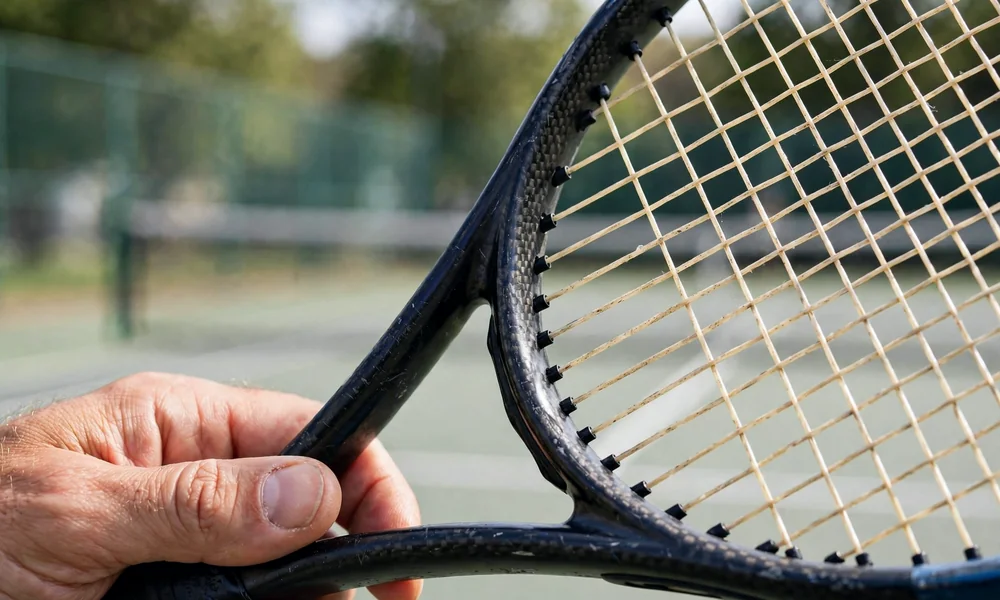
Frame quality decides whether a racket lasts a season or a decade. A good frame is graphite or a graphite composite, with clean joins, firm grommets, and a solid feel when tapped. A bad frame is cheap aluminium or plastic, with a hollow rattle, rough edges, and grommets that crack or fall out. Tap the head against your palm: a good racket feels solid and quiet, while a cheap one buzzes in a way that reaches your elbow on every shot.
The Best Tennis Rackets in 2026
The rackets below were chosen for forgiveness, comfort, and a frame that helps rather than hinders. Each pick leads in one area, so start with the job your game needs done. For a fuller look at the best models by level and style, our guide to the tennis rackets that make the game feel easier in 2026 ranks the leading choices in detail.
Best Overall: Lightweight Game-Improvement Racket
The lightweight game-improvement racket is the default recommendation for most casual players. With a head of 100 to 105 square inches and a weight of 260 to 280 grams, it gives easy power, a large sweet spot, and a swing that stays comfortable for a full session. It forgives off-centre hits, is kind to the arm, and suits rallies and net play alike. If you only buy one racket, buy this kind.
Best for Beginners: Oversize Forgiving Racket
A beginner needs a racket that gets the ball over the net with a short, compact swing, and an oversize frame does exactly that. With a head of 106 to 115 square inches, the sweet spot is so large that even a mishit stays in play, which keeps rallies going and practice enjoyable. These rackets are light and head-light, so a new player can focus on footwork and timing.
Best All-Rounder: Midplus Balanced Racket
Once you play regularly, a midplus all-rounder is the racket that grows with you. With a head of 98 to 100 square inches and a weight of 285 to 305 grams, it blends power and control for most adult players. It is stable against a fast serve, manoeuvrable at the net, and comfortable for long sessions: one frame for every part of the game.
Best for Comfort: Arm-Friendly Flexible Racket
Some players need a racket that is kind above all else, and a flexible, arm-friendly frame is the answer. A softer frame with a head-light balance absorbs more shock from each hit, which matters enormously if you have felt tennis elbow or a sore shoulder. Pair it with softer strings at a slightly lower tension, and the setup becomes noticeably gentler without giving up easy power.
Best Value Pick: Previous Season’s Model
Racket technology changes slowly, and last season’s model is usually the same frame with a different paint job, sold at a much lower price. Buying a previous year’s game-improvement racket is the smartest way to get a quality frame on a budget. Spend the saving on lessons or court time, which will improve your game far more than the newest paint job ever could.

The Worst Tennis Rackets to Avoid
The worst rackets fail in the same few ways, and each failure is easy to spot before you pay. The three faults below cover most of them.
Heavy Professional Frames Sold to Casual Players
The most common mistake is buying the racket a professional uses. A professional frame weighs 310 grams or more, has a small 95-square-inch head, and demands perfect timing on every shot. In casual hands it feels heavy and unforgiving: balls fly into the net or sail long, and the arm tires by the second set. Unless you train several times a week and strike the centre of the strings almost every time, leave it on the shelf.
Cheap Aluminium Rackets That Buzz and Twist
At the other end of the market sits the cheap aluminium racket, often sold as a starter set with balls and a cover. It is light in the wrong way: the frame is stiff, hollow, and badly balanced, so it twists in your hand on any hard-hit ball and buzzes on every shot. The strings are poor quality and badly tensioned, the grip peels within weeks, and the frame dents at the first knock against a post. A racket like this does not just play badly; it teaches bad habits.
Cracked, Dead, or Badly Strung Second-Hand Rackets
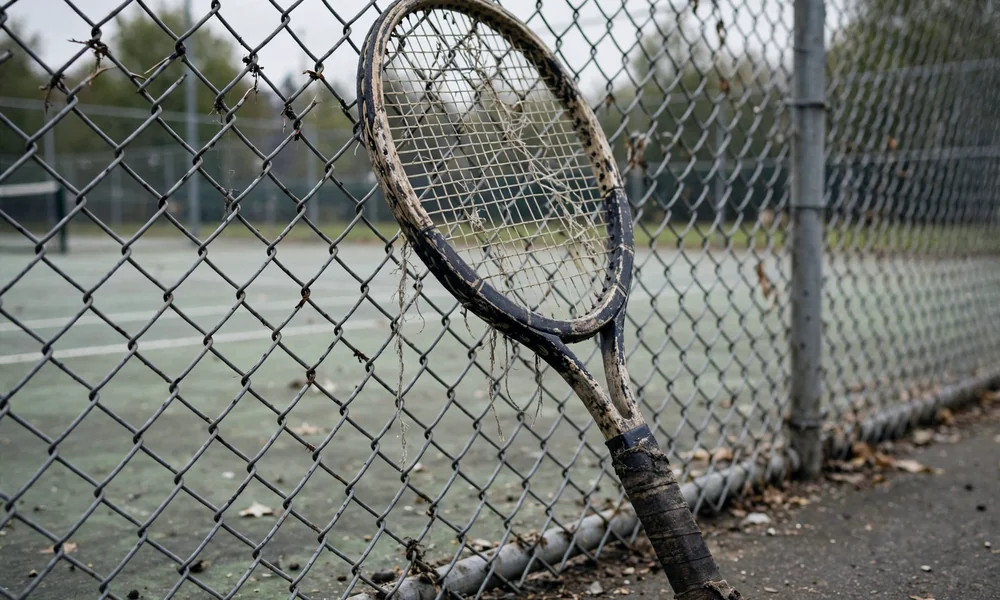
Second-hand rackets can be a bargain, but a bad one is money wasted. A hairline crack is easy to miss and makes the racket useless, so inspect the head in good light and tap the frame for a dull rattle. Strings that have lost tension feel dead and harsh, and a restring costs extra. A worn grip is a smaller problem, since a fresh overgrip is cheap, but combined with dead strings and a suspect frame it is a sign of neglect. Buy second-hand only from a reputable shop that checks the frame, and walk away from any racket with visibly frayed strings unless the price reflects a restring.
Best vs Worst at a Glance
Compare the main types at a glance. The best choice depends on your level, your arm, and how often you play.
| Racket type | Head size | Weight | Best for | Watch out for |
|---|---|---|---|---|
| Game improvement | 100-105 sq in | 260-280 g | Most casual players | Cheap copies |
| Oversize beginner | 106-115 sq in | 260-280 g | New players | Outgrowing it fast |
| Midplus all-rounder | 98-100 sq in | 285-305 g | Regular players | Too heavy if untried |
| Arm-friendly flexible | 100-102 sq in | 270-295 g | Sore arms | Less crisp feel |
| Professional frame | 95-98 sq in | 310 g and over | Advanced players only | Heavy and unforgiving |
How to Choose the Right Racket
The best way to choose is to hit with the racket, and most good shops and clubs offer demo programmes that let you borrow one for a few days. Take two or three that fit the specification above, play a normal session with each, and notice how your arm feels afterwards as much as how the ball flies. A racket that feels great for ten minutes but leaves your elbow aching is the wrong one. Note which one you reach for second: the racket you want to pick up again is usually the right one.
When you buy, consider the whole cost, not just the frame. A new racket usually needs a fresh overgrip, and you will need a bag, balls, and eventually a restring. Check grip size with the finger test, and choose the smaller size if you are between two, since an overgrip can add bulk but cannot shrink a grip that is too large. Your kit around the racket matters too: shoes built for lateral movement protect your ankles, and our guide to the best tennis shoes in 2026 explains what to look for in grip, support, and durability.
Care, Strings, and Restringing
A racket is low maintenance, not no maintenance, and a little care adds years to its life. Restring as many times a year as you play per week, because strings lose tension and feel even if they do not break. Keep the racket out of a hot car and away from damp sheds, since heat and moisture age the frame and strings. Replace the overgrip when it feels smooth, and keep the racket in its cover between sessions.
Shorts that move freely and breathe make long rallies far more comfortable, as our guide to the best athletic shorts in 2026 explains. Set a weekly court time and treat the racket as a tool to enjoy rather than a gadget to upgrade every season.
Frequently Asked Questions
What size tennis racket should a beginner use?
Most adult beginners should use a racket with a head of 102 to 105 square inches and a weight of 260 to 280 grams. That combination gives a large sweet spot, easy power, and a frame light enough to swing freely for a full session without tiring your arm.
How do I know my tennis racket grip size?
Hold the racket in your playing hand and slide the index finger of your other hand into the gap between your fingertips and your palm. It should fit snugly. If there is a large gap, the grip is too big; if your finger will not fit, it is too small.
Are expensive tennis rackets worth it?
Not for most casual players. A mid-priced racket with the right head size, weight, and grip will play better for you than an expensive professional model that is too heavy and unforgiving. Spend the difference on lessons.
The Bottom Line
The best tennis rackets in 2026 are built for the player you actually are: a forgiving head, a comfortable weight, a grip that fits, and strings that still feel lively. The worst fight you, whether a heavy professional frame, a cheap aluminium racket, or a cracked second-hand bargain. Demo a few, trust how your arm feels the next day, and choose the racket you want to pick up again.


