
The best athletic shorts in 2026 are the pairs you stop thinking about five minutes into a workout. They do not ride up on a run, chafe on a long session, restrict a deep squat, or soak through with sweat halfway through training. Anyone who has trained in a bad pair of shorts knows how quickly the wrong pair can ruin a good workout.
Athletic shorts look simple, but they are one of the hardest pieces of training kit to get right, because they have to do several jobs at once: move freely, breathe, manage sweat, stay in place, and carry your phone and keys without bouncing. The best athletic shorts of 2026 do all of that, and this guide explains how to tell them apart from the pairs that only look the part.
Below you will find the main types of athletic shorts, how inseam length and liners change the way a pair performs, what to look for in fabric and pockets, and a side-by-side comparison. Whether you run, lift, play sport or mix all three, the right pair is out there.
Key Takeaways
- Inseam length is the first decision: 5-inch inseams suit running, 7-inch inseams suit all-round training, and 9-inch inseams suit lifting and court sports.
- A built-in liner prevents chafing on runs and adds support, but a liner-free short with separate underwear is cooler for gym work.
- Look for lightweight, moisture-wicking fabric, usually a polyester or nylon blend, that dries fast and stays light when you sweat.
- Side splits and four-way stretch are what let you squat, lunge and sprint without the shorts pulling or riding up.
- Test the pockets with your phone and keys before you buy: they should hold everything securely without bouncing.
What Makes a Great Pair of Athletic Shorts
A great pair of athletic shorts starts with freedom of movement. The fabric should stretch in every direction, the cut should allow a full squat and a full sprint stride, and nothing should pull, pinch or ride up when you move. That freedom comes from a four-way stretch knit, a cut with enough room through the thigh, and side splits that let the legs move independently.
The second quality is sweat management. Athletic shorts sit close to the body during hard effort, and a fabric that absorbs sweat becomes heavy and uncomfortable within twenty minutes. The best shorts use a lightweight polyester or nylon blend that pulls moisture to the surface where it evaporates, so the shorts stay light and dry. Cotton is the enemy here: it soaks up sweat and stays wet.
The third quality is staying power. A good waistband holds the shorts exactly where you put them, through sprints, jumps and burpees, without needing constant adjustment. Look for a wide elastic waistband with a drawcord, which lets you dial in the fit, and a waistband that sits flat without rolling.
Running Shorts vs Training Shorts vs Gym Shorts
Running shorts, training shorts and gym shorts look similar on a hanger, but they are designed for different jobs, and buying the wrong type is the most common mistake shoppers make. Understanding the differences saves you from a pair that chafes on a long run or restricts a heavy squat.
Running Shorts
Running shorts are built for speed and lightness. They usually have a short inseam of three to five inches, a split hem that frees the stride, a built-in brief liner that prevents chafing, and a back zip pocket for a key. The fabric is the lightest of any athletic short, because every gram matters over ten kilometres. The trade-off is coverage: a short running short is not the best choice for a crowded gym.
Training Shorts
Training shorts are the all-rounders, built for the gym floor, HIIT classes and CrossFit. They usually have a seven-inch inseam, a four-way stretch fabric, a durable construction that survives barbell contact and floor work, and deep pockets that hold a phone through burpees. If you only buy one pair of athletic shorts, a seven-inch training short is the safest choice, because it handles almost every workout well. For the rest of your gym kit, the right footwear matters just as much, and our guide to the best gym shoes of 2026 covers the stable, flat soles that make training safer.
Gym and Lifting Shorts
Lifting shorts prioritise durability and coverage. They often have a longer inseam of eight or nine inches, a heavier fabric that resists abrasion from a barbell, and a roomy cut through the thigh. Stretch matters enormously here, because a tight short will pull and restrict a deep squat. Some lifters prefer a dedicated lifting shoe too, and our guide to the best weightlifting shoes of 2026 explains why a raised heel and a rigid sole make heavy squats more stable.
Inseam Length: How to Choose
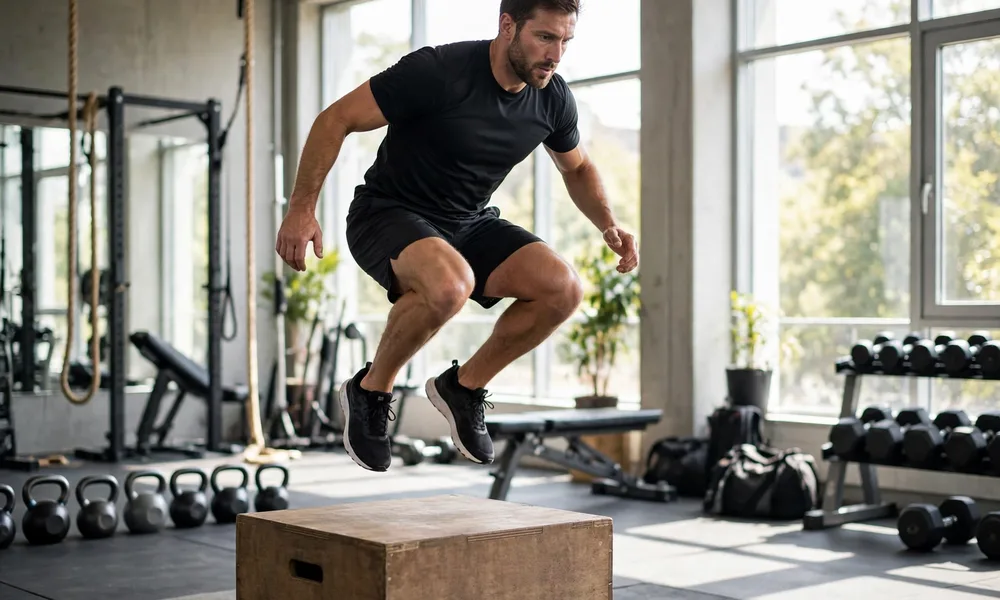
Inseam length is the single most useful way to narrow down your choice, because it determines how a pair feels and what it suits. A three to five inch inseam is a running length: light, free and fast, but with minimal coverage. A seven inch inseam is the versatile middle ground: enough coverage for the gym and enough freedom for a run. A nine inch inseam is a lifting and court-sports length: maximum coverage and durability, but heavier and warmer.
Height matters too. A seven-inch inseam sits differently on a six-foot frame than it does on a five-foot-six frame, so treat the numbers as a starting point and try the shorts on, or check the brand’s fit photos for a model close to your height.
Fabric, Liners and the Chafing Problem
Chafing is the problem that ruins more runs than any other kit failure, and it is almost entirely preventable. It happens when fabric rubs the same patch of skin thousands of times, and it is worst with heavy, rough or wet fabric.
Most quality athletic shorts use a polyester or nylon blend, sometimes with a small amount of elastane for stretch. Polyester is light, dries fast and resists shrinking, while nylon is slightly stronger and feels smoother against the skin. Both are far better than cotton for training. A built-in liner, usually a brief-style mesh or a compression liner, keeps everything in place and stops the outer fabric from rubbing, which is why most serious runners prefer lined shorts. If you dislike liners, choose a liner-free short and wear fitted, moisture-wicking underwear underneath, never cotton. For runners, the rest of the kit matters too, and our guide to the best running shoes for women in 2026 covers the footwear that pairs with a good running short.
Pockets, Waistbands and the Details That Matter
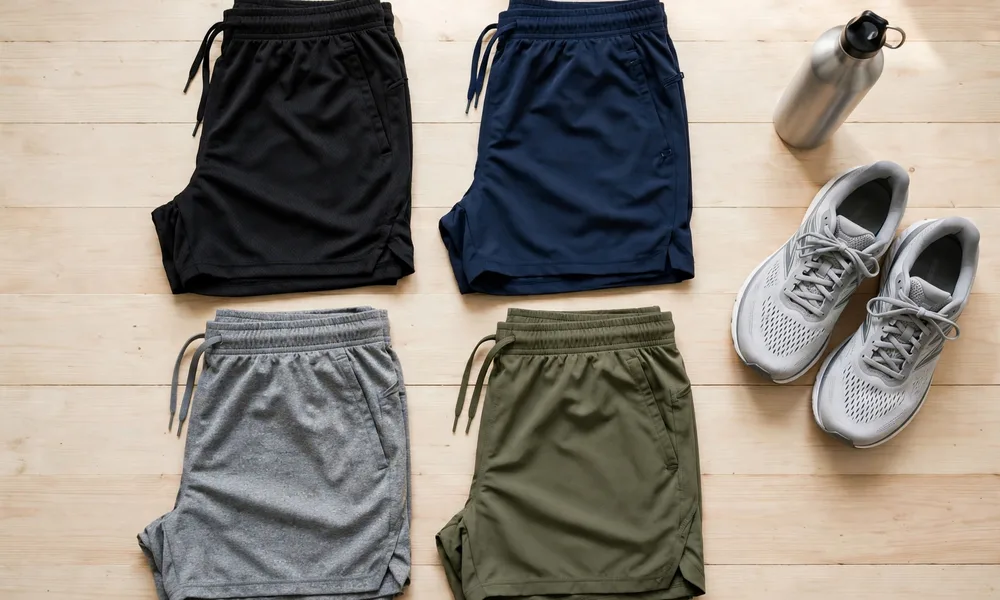
Pockets are where many athletic shorts fail, and they are worth testing carefully. A good pocket holds a phone securely through a run or a HIIT session without bouncing, and a zip pocket keeps keys and cards safe. Test them before you buy: put your phone in the pocket, jog on the spot, jump, and squat, and see whether the phone stays put or slides around. A pocket that lets your phone bounce is worse than no pocket at all, because it distracts you on every stride.
The waistband deserves the same attention. A wide, flat waistband with a working drawcord is the gold standard, because it distributes pressure evenly and lets you adjust the fit. Avoid waistbands that roll or dig in, and check that the drawcord is long enough to tie comfortably.
Athletic Shorts Compared
| Type | Best For | Inseam | Liner | Price Range |
|---|---|---|---|---|
| Running short | Running, racing, speed work | 3–5 inches | Brief liner | $35–$75 |
| Training short | Gym, HIIT, CrossFit | 7 inches | Optional | $40–$85 |
| Lifting short | Strength training, powerlifting | 8–9 inches | Usually none | $40–$90 |
| Two-in-one short | Running, long training sessions | 5–7 inches | Compression liner | $50–$100 |
| Court short | Basketball, tennis, squash | 7–9 inches | Usually none | $35–$80 |
| Trail running short | Trail running, hiking | 5–7 inches | Brief liner | $45–$95 |
Care, Durability and Making Shorts Last
A good pair of athletic shorts should last at least a year of regular training, and care makes the difference between a pair that lasts and a pair that dies in three months. Wash shorts cold on a gentle cycle, skip the fabric softener, which coats the technical fibres and kills their wicking, and air dry them instead of tumble drying.
Rotate at least two pairs if you train more than three times a week, because the fabric and the waistband need a day to recover between wears. Check the seams and the drawcord every month: fraying stitching or a drawcord that has slipped inside the waistband is a sign the pair is wearing out.

Athletic Shorts Shopping Checklist
- Choose the inseam first: 5 inches for running, 7 inches for all-round training, 9 inches for lifting and court sports.
- Check the fabric label for a polyester or nylon blend that wicks sweat and dries fast, and avoid cotton.
- Decide on a liner: a built-in liner prevents chafing on runs, while a liner-free short is cooler for gym work.
- Test the pockets with your phone and keys: jog, jump and squat, and make sure nothing bounces or slides.
- Look for a wide waistband with a working drawcord that holds the shorts in place without rolling.
- Wash cold, skip fabric softener, and air dry to protect the stretch and the wicking finish.
Frequently Asked Questions
What inseam length is best for athletic shorts?
It depends on your training. A 5-inch inseam suits running and speed work, because it frees the stride and keeps the shorts light. A 7-inch inseam is the versatile choice for gym training, HIIT and everyday workouts. A 9-inch inseam suits lifting and court sports, where coverage and durability matter more than weight.
Should athletic shorts have a liner?
A liner helps on runs, because it prevents chafing and keeps everything in place over thousands of strides. Most serious runners prefer lined shorts for that reason. For gym work and lifting, a liner is optional, and many lifters prefer a liner-free short with separate underwear, because it is cooler. Two-in-one shorts with a compression liner are a good middle ground for long sessions.
How do I stop athletic shorts from riding up?
Riding up is usually caused by a short that is too tight through the thigh, a fabric with no stretch, or a cut without side splits. Choose a four-way stretch fabric, a cut with enough room through the thigh, and side splits that let the legs move independently. A liner also helps, because it stops the outer fabric from bunching.
Can I wear running shorts for lifting?
You can, but they are not ideal. Running shorts are light and short, which is great for a run, but they offer little coverage on a crowded gym floor and their thin fabric can catch on a barbell. A seven-inch training short is a better choice for lifting, because it covers more and uses a heavier fabric.
How many pairs of athletic shorts do I need?
Two pairs are enough if you train three times a week, because rotating them gives the fabric and the waistband a day to recover. If you train five or six times a week, three pairs is more practical. Rotating pairs is one of the simplest ways to make good shorts last longer.
Why do my athletic shorts smell even after washing?
Smell builds up when sweat and bacteria get trapped in technical fabric, especially if shorts sit damp in a gym bag or are washed with fabric softener. Wash them cold, soon after training, skip the softener, and air dry them fully before putting them away.
The Bottom Line
The best athletic shorts in 2026 are the pairs that let you forget you are wearing them: light enough for a run, strong enough for a heavy squat, dry through a sweaty session, and still sitting exactly where they should be on the final rep. That performance comes from the right inseam for your training, a wicking polyester or nylon blend, a liner that prevents chafing, and a waistband and pockets that actually work.


