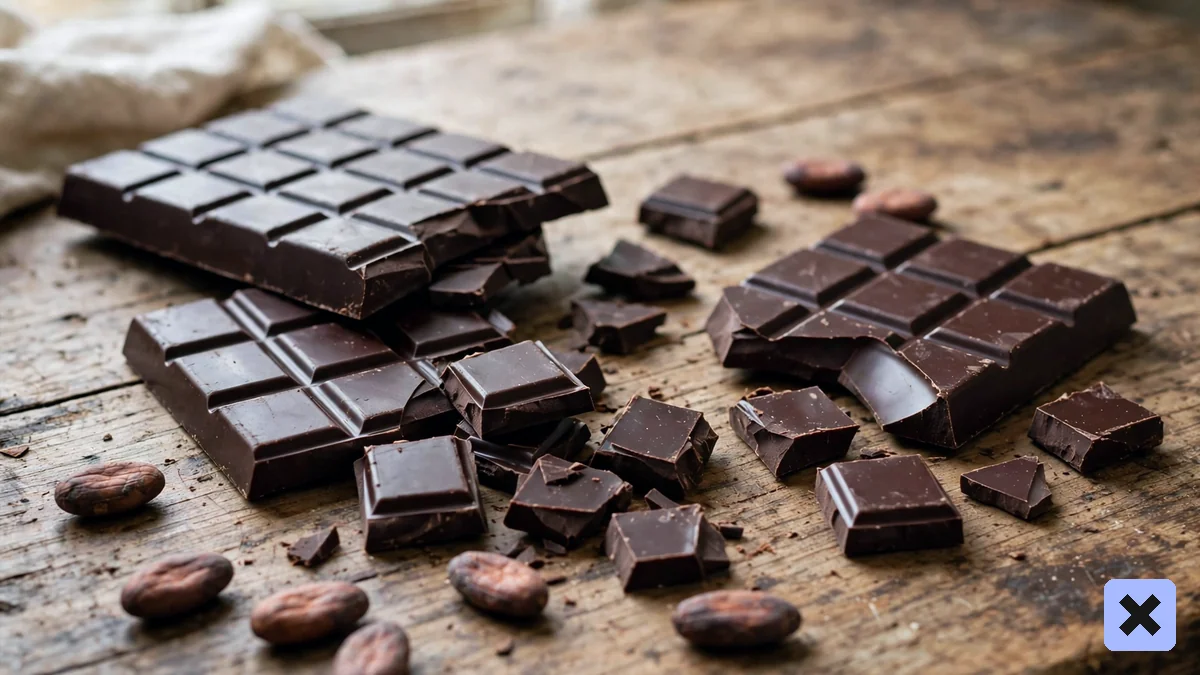
Chocolate is one of the easiest foods to overpay for and one of the hardest to judge before you taste it. A bar that costs three pounds can be superb, and a bar that costs fifteen pounds can be dull, waxy and forgettable. The price on the wrapper tells you almost nothing on its own. What matters is what is inside the bar, how it was made, and whether the maker spent money on cocoa or on packaging. This guide shows you how to choose chocolate that is actually worth the price in 2026, whether you are buying a single dark bar, a box for a gift, or a stash for the kitchen cupboard.
Key Takeaways
- Cocoa percentage tells you how much of the bar is cocoa, not how good it tastes: a well-made 70% bar beats a harsh 90% bar every time.
- Read the ingredients first: cocoa mass, cocoa butter and sugar should lead, and a long list of vegetable fats is a warning sign.
- Bean-to-bar makers control the whole process, which usually means better flavour and a fairer price for the farmers.
- Pay for taste, not packaging: a plain wrapper from a good maker beats a fancy box from a mediocre one.
- Store chocolate cool and dry, never in the fridge, and taste it at room temperature so the flavour can open up.
What the Percentage on the Bar Really Means
The number on the front of a dark chocolate bar is the percentage of the bar, by weight, that comes from the cocoa bean: cocoa mass plus cocoa butter. A 70% bar is 70% cocoa and 30% everything else, which is mostly sugar. A 90% bar is almost all cocoa, with very little sugar to soften it. That number is useful, but it is widely misunderstood. It says nothing about the quality of the beans, how they were fermented, or how carefully the bar was made.
For most people, the sweet spot sits between 65% and 75%. Bars in this range have real depth — dried fruit, nuts, a little acidity — without the bitterness that makes higher percentages hard to enjoy. Below 60%, you are mostly tasting sugar and milk. Above 85%, the bar can turn dry, sour and astringent unless the beans are excellent and the maker knows what they are doing.
Milk chocolate works differently. It needs far less cocoa, often around 25% to 35%, with milk solids and more sugar making up the rest. A good milk bar tastes of cream and caramel with cocoa in the background. White chocolate contains no cocoa solids at all, only cocoa butter, sugar and milk, so judge it on the quality of the butter and the creaminess rather than on any cocoa number.
Dark, Milk and White: What You Are Actually Paying For
Every chocolate starts with the cocoa bean, and the journey from bean to bar is where the money goes. Good beans cost more because they are grown slowly, fermented properly and dried carefully. Cheap chocolate starts with bulk beans that are fermented fast and roasted hard. The roasting hides the flaws, but it also flattens the flavour, which is why cheap bars taste of little more than sugar and cocoa powder.
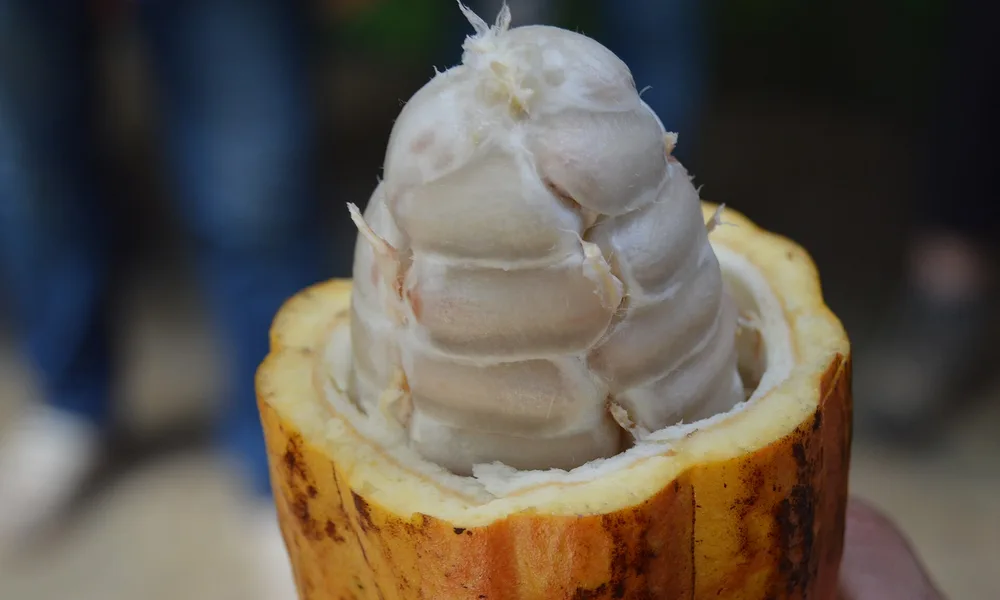
Bean-to-bar makers buy the beans themselves, roast them in small batches and make the chocolate in their own workshops. Because they control every step, they can coax real flavour out of the bean: the red fruit of a Madagascan bean, the nuttiness of an Ecuadorian one, the earthiness of a bar from Ghana. That control costs money, which is why a bean-to-bar bar costs more than a supermarket bar of the same size. The extra money usually shows up in the taste. A square of dark chocolate with a morning bowl of cereal is a small pleasure, and our guide to cereals worth eating in 2026 covers breakfasts that pair well with it.
How to Read a Chocolate Label Like a Buyer
The ingredient list is the most honest part of the wrapper. In a good dark bar it is short: cocoa mass, sugar, cocoa butter, and perhaps vanilla or lecithin. That is all a dark bar needs. If you see vegetable fat, palm oil or cocoa butter substitutes, the maker has replaced expensive cocoa butter with cheap fat, and the chocolate will feel greasy and melt oddly. Put it back.
Check the cocoa percentage, then look for the origin: the best makers name the country and often the farm or cooperative. Next, compare the price per hundred grams, not per bar, because bars come in many sizes. Finally, check the date — fresh stock tastes better, and a bar left in a warm shop window may have bloomed.
Certifications are worth a glance but not blind trust. Fairtrade and Rainforest Alliance marks say something real about how farmers were paid and how the crop was grown, though they do not guarantee great flavour. Organic certification tells you about farming methods, not taste. Use them as a tiebreaker between two bars you already like, not as the reason to buy. Keep the bar away from strongly scented foods in the cupboard, too — our guide to granola that is actually healthy in 2026 is worth a read if your breakfast cupboard shares space with your chocolate stash.
The 6 Types of Chocolate Worth Your Money in 2026
Not every style of chocolate is worth the same money. These six are the ones where spending a little more genuinely pays off, because the difference between cheap and good is something you can taste.
1. Single-Origin Dark Bar — Best for Learning Your Taste
A single-origin dark bar around 70% is the best place to start. It teaches you what real chocolate tastes like, and because the beans come from one place, the flavour is clear and memorable. Expect to pay more than a supermarket bar, and expect the flavour to change as the bar warms in your mouth.
2. Bean-to-Bar Milk Chocolate — Best Everyday Treat
Craft milk chocolate is a different food from the sweet bars of the supermarket aisle. Good makers use more cocoa, better milk and less sugar, so the bar tastes of cream, caramel and cocoa together rather than just sweetness. It is the best everyday treat on this list.
3. Filled Pralines and Truffles — Best for Gifting
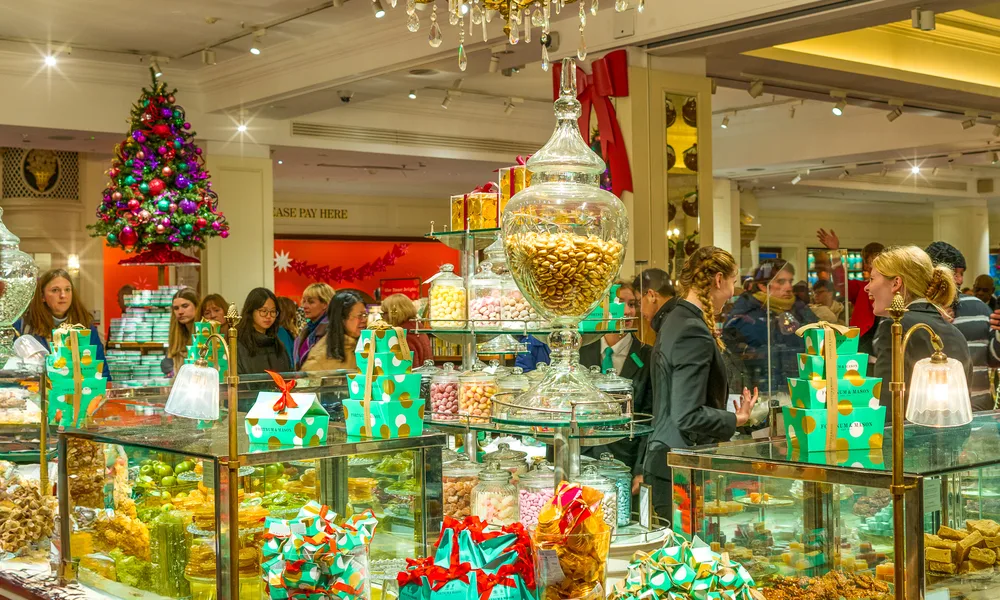
A box of pralines is where a chocolatier shows their skill, and it is also where poor quality hides most easily. Good pralines have thin shells, fresh fillings and flavours that taste of what they claim to be. Buy them from a shop that makes them fresh and sells through quickly, and eat them within a week or two.
4. Drinking Chocolate — Best for Cold Evenings
Real drinking chocolate is made from grated chocolate or high-cocoa powder, not the sugary instant mixes that are mostly sugar and starch. It is thicker, richer and far more satisfying. A mug of proper drinking chocolate is one of the cheapest luxuries in this guide, and it tastes even better served in a mug you love — our guide to why the right mug makes coffee taste better in 2026 applies just as well to hot chocolate.

5. Chocolate for Baking — Best for the Kitchen
Baking chocolate is judged by how it melts and how it behaves in a recipe, not by how it tastes from the wrapper. Couverture with a high cocoa butter content melts smoothly and sets with a good snap, which is why pastry chefs use it. You do not need the most expensive bar for brownies, but you do need real chocolate rather than compound coating made with vegetable fat.
6. White Chocolate Done Properly — Best Surprise
Most white chocolate is forgettable, but a good one made with real cocoa butter, fresh milk and a little vanilla is creamy, delicate and genuinely delicious. It pairs beautifully with tart fruit and nuts, and it is the most underrated chocolate on the shelf.
Chocolate Worth Your Money Compared
| Type | Best Cocoa Range | What to Look For | Worth Paying More? |
|---|---|---|---|
| Single-origin dark bar | 65–75% | Named origin, short ingredients | Yes — flavour is the point |
| Bean-to-bar milk | 35–50% | Real cocoa butter, no palm oil | Yes — huge step up |
| Pralines and truffles | Varies | Thin shells, fresh fillings | Yes — if bought fresh |
| Drinking chocolate | 70%+ cocoa | Grated chocolate, low sugar | Yes — cheap luxury |
| Baking chocolate | 55–70% | High cocoa butter, melts clean | Moderate — mid-range is fine |
| White chocolate | Cocoa butter 30%+ | Real cocoa butter, vanilla | Yes — for a good maker |
Where the Price Comes From
A premium chocolate bar is expensive for reasons you can trace. Cocoa prices have risen sharply in recent years as harvests in West Africa have fallen, and good beans now cost several times what bulk beans did a decade ago. Small makers buy in small quantities, so they pay more per kilo. They ferment and roast slowly, conche for longer, and taste every batch. All of that is labour, and labour costs money.
Chocolate Buying Checklist
- Read the ingredients: cocoa mass, cocoa butter and sugar should lead, with no vegetable fat or palm oil.
- Check the cocoa percentage and aim for 65–75% for dark chocolate unless you know you like it stronger.
- Look for a named origin or maker, not just words like premium, artisan or luxury.
- Compare price per 100 grams, not price per bar, because bar sizes vary widely.
- Check the surface: shiny, smooth and unbloomed, with a clean snap when you break it.
- Buy pralines fresh from a shop that sells through quickly, and eat them within a week or two.
Frequently Asked Questions
Is expensive chocolate actually better?
Often, up to a point. A five-pound bean-to-bar bar is usually much better than a two-pound supermarket bar. Beyond that, the gains get smaller, so spend in the middle of the range for the best value.
What cocoa percentage should I buy?
For most people, 65% to 75% dark chocolate is the sweet spot: real depth without harsh bitterness. If you are new to dark chocolate, start at 70%. Go higher only if you enjoy the intensity, and go lower if you prefer something sweeter and creamier.
Does single origin mean better chocolate?
Not automatically, but it is a good sign. Single-origin bars are traceable to one place, and the flavour is usually distinct. A bad single-origin bar can still be bad, and a good blend can be excellent. Treat origin as useful information, not a guarantee.
Why has my chocolate gone white?
The white coating is bloom, and it is harmless: sugar bloom comes from moisture, usually fridge storage, and fat bloom from heat. The chocolate is still safe to eat, though the texture suffers. Store it cool and dry to prevent it.
How long does chocolate keep?
Dark chocolate keeps for a year or more in a cool, dry cupboard. Milk and white chocolate keep for around six to nine months. Filled pralines and truffles are best within one to two weeks of being made.
Is white chocolate real chocolate?
Yes, when it is made properly. White chocolate contains cocoa butter from the cocoa bean, along with sugar and milk. It has no cocoa solids, so it does not taste of cocoa, but a good one is a genuine chocolate product. Avoid white coatings made with vegetable fat instead of cocoa butter.
The Bottom Line
Choosing chocolate that is actually worth the price in 2026 comes down to three habits: read the label, know your percentage, and taste before you commit to a favourite. Look for short ingredient lists, named origins and real cocoa butter, aim for 65% to 75% dark chocolate, and spend in the middle of the price range where quality rises fastest. The best chocolate is not the most expensive bar on the shelf — it is the one whose flavour justifies its price, and now you know how to find it.