
Canned chicken is the pantry shortcut most cooks either swear by or quietly avoid, and the truth sits in between. The best canned chicken for quick, easy meals in 2026 is a tin with chicken as the first ingredient, a modest amount of salt, and a texture that holds up in the dish you plan to make. Get those three things right and a cheap tin turns into sandwiches, salads, wraps, pasta, and soup in under ten minutes.
A bad tin announces itself the moment you open it: it smells faintly of the can, falls apart into grey shreds, or swims in cloudy liquid that tastes of nothing but salt. The difference is the cut inside, the liquid it was packed in, and a few minutes spent draining and seasoning. This guide explains how canned chicken is made, how breast and shredded styles differ, how to read a label, and what to cook with each kind.
Key Takeaways
- Chicken breast in water is the most versatile style: firm, mild, and easy to season, suiting sandwiches, salads, wraps, and pasta.
- Shredded chicken is fastest for tacos, quesadillas, and grain bowls, but dries out quickly, so add it at the end of cooking.
- Read the sodium before the price. A tin with under 350mg of sodium per serving tastes like chicken; one over 600mg will taste salty whatever you add.
- Chicken should be the first and nearly only ingredient, with water or a little salt. A long list of broths and flavourings usually means the chicken is being stretched.
- Once opened, canned chicken keeps for three to four days in the fridge in a sealed container. Never store it in the opened tin.
What Canned Chicken Actually Is
Canned chicken is cooked chicken, sealed in a tin or pouch with a little water or broth, and heated until shelf-stable. An unopened tin keeps for two to five years in a cool cupboard and needs no fridge until opened, and the chicken inside is already fully cooked.
Most canned chicken comes from chicken breast, although some tins use a mix of white and dark meat. Breast meat is leaner and milder and flakes into neat pieces; dark meat is richer and softer, and suits dishes with strong sauces. A tin labelled simply as chicken is usually a blend, and its texture is less predictable.
The canning process also explains why the chicken sometimes looks pale and tastes flat straight from the tin: it was cooked in liquid with almost no seasoning. That is not a fault. It is a blank canvas. A squeeze of lemon, a pinch of salt, a spoonful of mayonnaise, or a scattering of herbs wakes it up in seconds.
Chicken Breast vs Shredded: The Choice That Matters Most
The single most important choice is the form it comes in, because breast and shredded behave very differently. Neither is better in every situation; the right one matches the meal you are making tonight.
Chicken breast
Canned chicken breast arrives in solid pieces or large chunks that you can slice, cube, or flake by hand. It is the closest thing to chicken you cooked yourself, and the best choice when texture matters: chicken salad, where you want visible pieces; sandwiches, where a neat filling holds together; and pasta and grain bowls, where chunks sit properly among the other ingredients. It also takes seasoning well, so a little olive oil, lemon zest, and black pepper is enough. Warm it gently and briefly, or use it cold, because long heating dries it out.
Shredded chicken
Shredded canned chicken is already pulled into fine strands, and it is built for speed. It folds into tacos, quesadillas, wraps, and soups in seconds, and it soaks up sauce faster than chunks ever will. The trade-off is control: it cannot be sliced or cubed, and it turns mushy if you simmer it, so add it at the very end of cooking, just long enough to heat through. It also tends to be saltier than breast, because the smaller pieces absorb more of the packing liquid, so taste before you add any extra salt.
Reading the Label: Sodium, Liquid, and Ingredients
The label tells you almost everything you need to know, and it takes about twenty seconds to read. Start with the ingredients: the best tins list chicken, water, and salt, and not much else. A list running to modified starch, soy protein, and flavourings means the chicken is being bulked out.
Next, check the sodium. A serving with 250 to 350mg is a good everyday choice, and 350 to 500mg is workable if you rinse the chicken and skip extra salt elsewhere. Over 600mg will taste salty in almost any dish, so low-sodium tins are worth buying.
Then look at the packing liquid. Chicken packed in water tastes cleanest and is the most flexible, because you can drain it and season it yourself. Chicken packed in broth tastes richer straight from the tin, but the broth is usually salty. Whatever the liquid, drain the tin well before using the chicken: the liquid is mostly salt water, and keeping it makes sandwiches soggy and salads watery.
Finally, compare the drained weight, not the weight printed in large type on the front. Two tins can weigh the same on the shelf and hold very different amounts of chicken, because one is mostly liquid. A cheaper tin with a low drained weight is often the more expensive chicken.
Canned Chicken at a Glance
| Style | Best for | Texture | Watch out for |
|---|---|---|---|
| Chicken breast in water | Sandwiches, salads, pasta | Firm chunks | Dries out if overheated |
| Shredded chicken | Tacos, wraps, quesadillas | Fine soft strands | Turns mushy if simmered |
| White and dark meat blend | Soups, casseroles | Soft and mixed | Less predictable texture |
| Low-sodium breast | Everyday cooking | Firm chunks | Costs a little more |
| Chicken in broth | Quick soups | Soft and moist | Broth is usually salty |
Quick Meals From One Tin
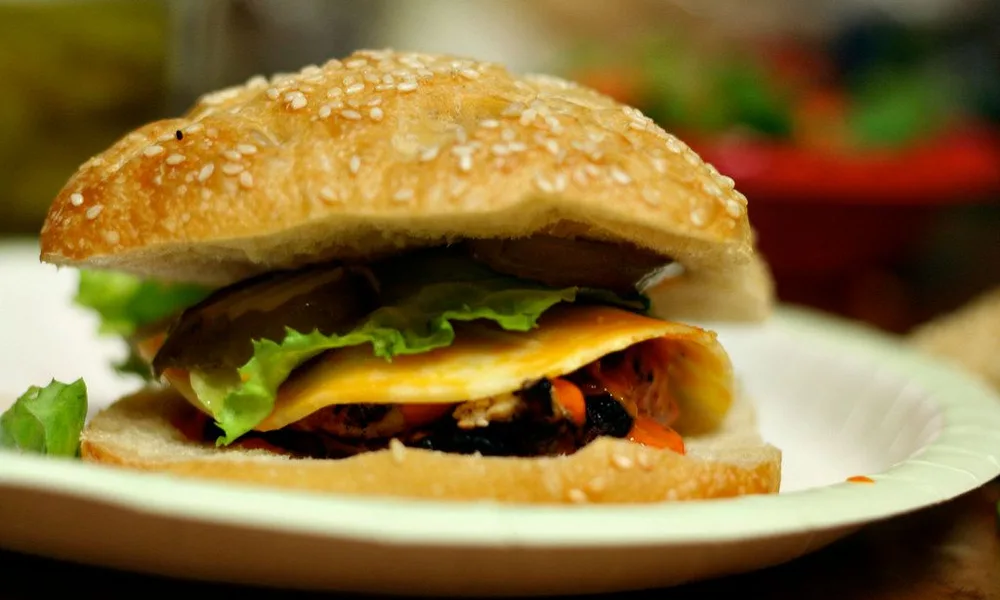
The best test of a tin of canned chicken is what it becomes in ten minutes. Start with the classic chicken salad sandwich: drain a tin of breast meat, flake it into a bowl, and mix it with mayonnaise, a spoonful of mustard, finely chopped celery, and a squeeze of lemon. Season with salt and pepper, pile it onto good bread with lettuce, and you have lunch that tastes like you made it from scratch.
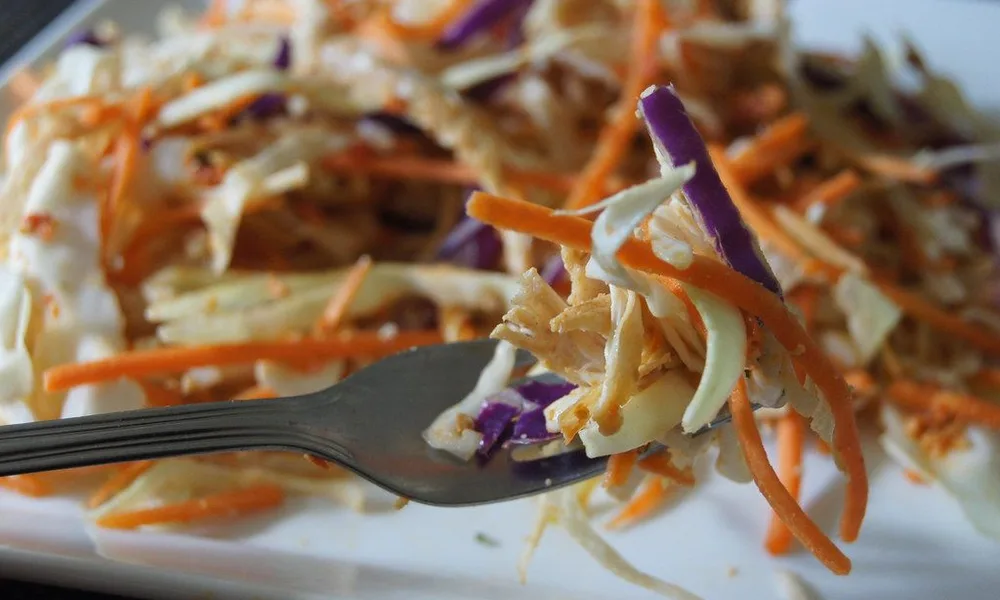
For dinner, a tin of chicken turns into pasta in the time the pasta takes to cook. While the pasta boils, warm olive oil and garlic in a pan, add the drained chicken, a tin of chopped tomatoes, and a pinch of chilli flakes, and simmer for five minutes. Toss with the pasta, a handful of spinach, and a grating of cheese. The same lift-a-tin thinking works for soup, and our guide to canned soups that taste homemade shows how to finish one well.
Storage, Safety, and Using the Whole Tin
An unopened tin belongs in a cool, dry cupboard, away from heat and damp. It needs no fridge and keeps for years, although the flavour is best within the first two. Check the tin before you open it: if it is swollen, badly dented along the seam, leaking, or rusted through, throw it away.
Once opened, the rules change completely. Tip the chicken into a clean container with a lid and put it in the fridge, where it will keep for three to four days. Never store it in the opened tin, because the metal reacts with the air and the food, and the flavour turns metallic within hours. If you cannot use the whole tin in four days, freeze the rest in a sealed bag and use it within three months.
Always use a clean fork or spoon to take chicken from the container, and never leave an opened tin sitting on the counter. Canned chicken is fully cooked, but it is still perishable once the seal is broken. When in doubt, trust your nose: fresh canned chicken smells mild and clean, and if it smells sour or off in any way, throw it out.
What to Skip and the Mistakes That Ruin It
The worst canned chicken is not a particular brand. It is a tin bought for the wrong job: shredded chicken in a salad falls apart into mush, and breast meat simmered for twenty minutes in a stew turns dry and stringy. Matching the style to the dish matters more than any brand loyalty.
The second mistake is skipping the drain. Tipping the whole tin, liquid and all, into a bowl makes sandwiches soggy and salads watery. Drain the chicken in a sieve, press it gently, and pat it dry. It takes thirty seconds and it changes everything.
The third mistake is under-seasoning. Canned chicken arrives almost unseasoned, and it needs salt, acid, and something fresh: a squeeze of lemon, a spoonful of vinegar, fresh herbs, or a grind of black pepper. Taste the chicken before you build the dish, and season it on its own. The gap between the best and worst tins is wide, and most people who dislike canned chicken have only tried the worst ones. The same lesson holds across the pantry, and the guide to choosing canned tuna that actually tastes good makes the same point about fish.
Shopping Checklist
- Chicken is the first ingredient, with water and a little salt, and little else on the list.
- Sodium is under 350mg per serving, or the tin is labelled low-sodium.
- The style matches the meal: breast for sandwiches and salads, shredded for tacos and wraps.
- The drained weight is printed on the label, and you compare tins by that number.
- The tin is undamaged, with no swelling, deep dents, leaks, or rust.
- You have a plan for the whole tin, because opened chicken keeps for only three to four days.
Frequently Asked Questions
Is canned chicken healthy?
Yes, in the main. Canned chicken is lean protein with no added sugar, and a tin of breast in water is close to plain cooked chicken breast. Watch the sodium: choose a low-sodium tin and drain it well.
Do I need to cook canned chicken before eating it?
No. Canned chicken is fully cooked during canning, so it is safe to eat straight from the tin. Most people warm or season it first, because it tastes much better that way.
Why does canned chicken sometimes taste metallic?
A metallic taste usually comes from the packing liquid, a damaged tin, or chicken stored in the opened tin. Drain it well and transfer leftovers to a clean container.
Can I use canned chicken in place of fresh chicken?
In most quick dishes, yes: sandwiches, salads, wraps, pasta, soup, and fried rice. It does not work as a roast or grilled breast, and it should not be cooked for long, because it is already cooked and will dry out.
How long does canned chicken last once opened?
Three to four days in the fridge, in a sealed container, never in the opened tin. Freeze it in a sealed bag for up to three months and thaw it in the fridge overnight.
Is canned chicken the same as canned tuna or salmon?
No, although the pantry logic is similar. Chicken is a mild white meat; tuna and salmon are fish with their own flavours. If you like tinned fish, our guide to why canned salmon deserves a spot in your pantry covers the other end of the same shelf.
The Bottom Line
The best canned chicken for quick, easy meals in 2026 is a tin of chicken breast in water, low in sodium, with chicken as the first ingredient. Keep one or two tins in the cupboard, drain them well, season the chicken before you build the dish, and match the style to the meal. Do that, and canned chicken stops being an emergency backup and becomes one of the most useful shortcuts in your kitchen.


