
Canned salmon deserves a spot in your pantry in 2026, and not just as an emergency tin at the back of the shelf. It is cheap, it keeps for years, it is rich in protein and omega-3 fats, and it tastes far better than its reputation suggests. The trick is buying the right tin and knowing what to do with it once it is open. A bad tin tastes grey and tired, falls apart into mush, or arrives swimming in cloudy liquid that smells of the tin.
Most of the salmon in the shops comes in two kinds, pink and sockeye, and the difference between them is bigger than most shoppers realise. Pink salmon is paler, milder, and cheaper, while sockeye is deeper in colour, firmer, and richer in flavour.

Key Takeaways
- Pink salmon is pale, mild, and cheap, and it suits sandwiches, salads, and fish cakes. Sockeye is deeper red, firmer, and richer, and it suits meals where the salmon is the star.
- Bones and skin are normal in traditional canned salmon. The soft bones are edible and rich in calcium, and the skin lifts off easily if you would rather not eat it.
- Look for salmon as the first and nearly only ingredient, with water or a little salt. A long list of broths and flavourings usually means the fish is being stretched.
- Drained weight is the honest number. Compare tins by the weight of the fish inside, not the weight of the tin.
- Once opened, canned salmon keeps for two days in the fridge in a sealed container. Never store it in the opened tin.
What Canned Salmon Actually Is
Canned salmon is cooked salmon, sealed in a tin with a little water or salt, and then heated until it is shelf-stable. That is why an unopened tin keeps for two to five years in a cool cupboard, and why it needs no fridge until it is opened.
Most canned salmon comes from wild Alaskan salmon, caught in the summer runs and canned close to where it is landed. The fish is usually packed in pieces rather than as a single fillet, which is why a tin looks less neat than a fresh fillet when you open it.
The canning process also explains the bones and the skin, which surprise first-time buyers. Traditional canned salmon is packed with the skin and the soft bones still in, because removing them by hand would be slow and expensive, and because the bones go soft during cooking.
Pink vs Sockeye: The Choice That Matters Most
The single most important choice when buying canned salmon is the species, because pink and sockeye are genuinely different fish in the tin.
Pink salmon
Pink salmon is the most common canned salmon, and the cheapest. It is pale pink, mild in flavour, and softer in texture than sockeye. That makes it the best choice for everyday meals where the salmon is mixed with other things: sandwiches, salads, fish cakes, and pasta. Buy pink salmon when you want a versatile, affordable tin for weeknight cooking.
Sockeye salmon
Sockeye salmon, often sold as red salmon, is the premium choice. It is a deep, rich red, firmer in texture, and stronger in flavour than pink salmon, with a more pronounced salmon taste. That makes it the best choice when the salmon is the main event: a salad where the fish sits on top, a simple plate with bread and lemon, or any dish where you want to taste the salmon itself.
The Best Canned Salmon of 2026
The strongest tins of 2026 fall into four clear groups. Start with the kind that matches the meal you actually plan to make.
Best overall: sockeye in water
Sockeye salmon packed in water is the best canned salmon for most people. The water keeps the flavour clean and the fish firm, and the sockeye gives you the deep colour and rich taste that make canned salmon feel like a proper meal rather than a stand-in.
Best for everyday cooking: pink salmon in water
Pink salmon in water is the best everyday tin. It is cheap, mild, and versatile, and it suits sandwiches, salads, and fish cakes without overpowering them.
Best for sandwiches: boneless and skinless salmon
Boneless and skinless canned salmon is the best choice for sandwiches and for anyone who does not want to deal with bones. The fish is cleaned before canning, so you can tip it straight from the tin onto bread with no picking and no fuss.
Best for flavour: salmon in olive oil
Salmon packed in olive oil is the best choice when you want the richest flavour. The oil adds a smooth, savoury note and keeps the fish moist, which suits salads and pasta dishes. Drain most of the oil before you use it, or keep a spoonful to dress the salad.
| Salmon type | Best for | Colour | Flavour | Price |
|---|---|---|---|---|
| Sockeye in water | Salads and simple plates | Deep red | Rich and firm | Higher |
| Pink in water | Everyday cooking | Pale pink | Mild and soft | Lower |
| Boneless and skinless | Sandwiches | Pale to mid pink | Mild, clean | Higher |
| Salmon in olive oil | Salads and pasta | Mid pink | Rich and smooth | Higher |
Best vs Worst: What Separates a Great Tin From a Bad One
The difference between the best and the worst canned salmon shows up the moment you open the tin. A great tin opens onto firm, pink flakes that hold their shape, smell cleanly of the sea, and taste of salmon. A bad tin opens onto grey, mushy fish that falls apart when you touch it, smells metallic, and tastes of the tin it came in.
Species is the first divide. The worst tins hide the species on the label, or use the cheapest fish they can find and hope you will not notice. A good tin names the species clearly, whether it is pink, sockeye, or coho, and the colour of the fish matches the name: sockeye should be deep red, pink salmon pale pink.
Packing liquid is the second divide. The best tins pack the salmon in water or olive oil, with a little salt and nothing else. The worst pack it in cloudy broth, flavourings, or cheap oil, and the liquid tells you why: the fish inside is being stretched or masked. The same judgement applies to the rest of the canned aisle, and the best canned tuna for 2026 follows the same rule: the fish should be the first ingredient, and the liquid should be clean.
Freshness and storage are the third divide. A good tin is in date, undented, and stored in a cool cupboard, and the fish inside is firm and bright. A dented tin, a tin past its date, or a tin that has sat in a hot cupboard will taste tired however good the fish was to begin with. A tin of salmon that has been looked after will taste like it has been looked after.
Bones, Skin, and What to Do With Them
Bones and skin are the part of canned salmon that puts people off, and they should not. The bones in a tin of traditional canned salmon are soft, because the heat of the canning process softens them completely. They crumble when you flake the fish, they are rich in calcium, and they are entirely safe to eat.
If you would rather not eat the bones, they are easy to remove. Tip the fish into a bowl, flake it gently with a fork, and lift out the soft spine and the larger bones, which come away in one or two pieces. The skin lifts off in the same way, in a single sheet if you are gentle. It takes less than a minute, and the fish underneath is exactly the same.
Do not throw the liquid away without thinking. The water in the tin carries flavour and a little of the fish’s nutrients, and a spoonful of it can loosen a fish cake mixture or a pasta sauce.
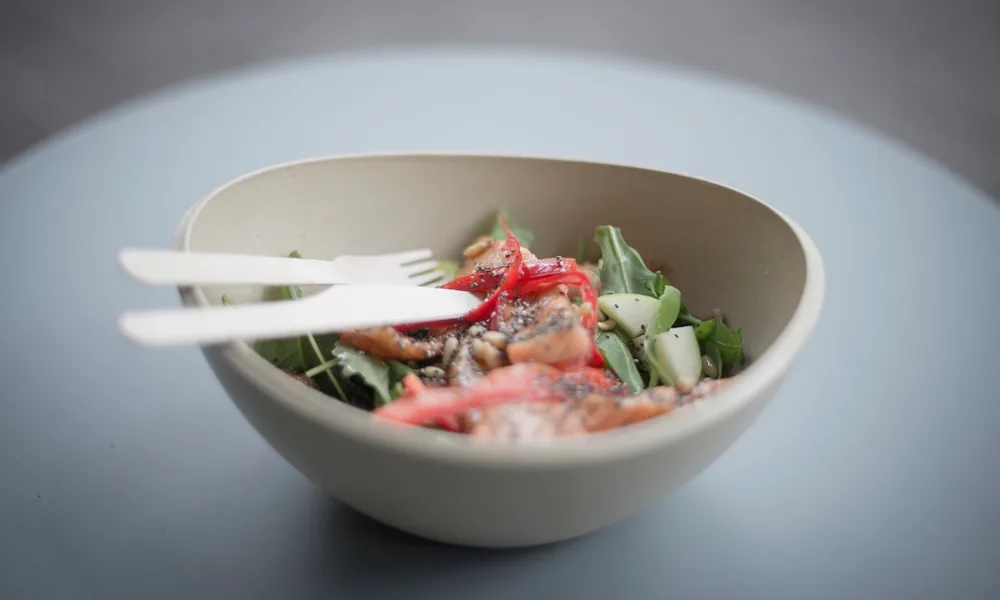
Once the tin is open, treat the salmon like fresh fish. Tip it into a clean container with a lid, keep it in the fridge, and use it within two days. Never store it in the opened tin, because the metal taints the flavour and the fish dries out.
Easy Ways to Use Canned Salmon
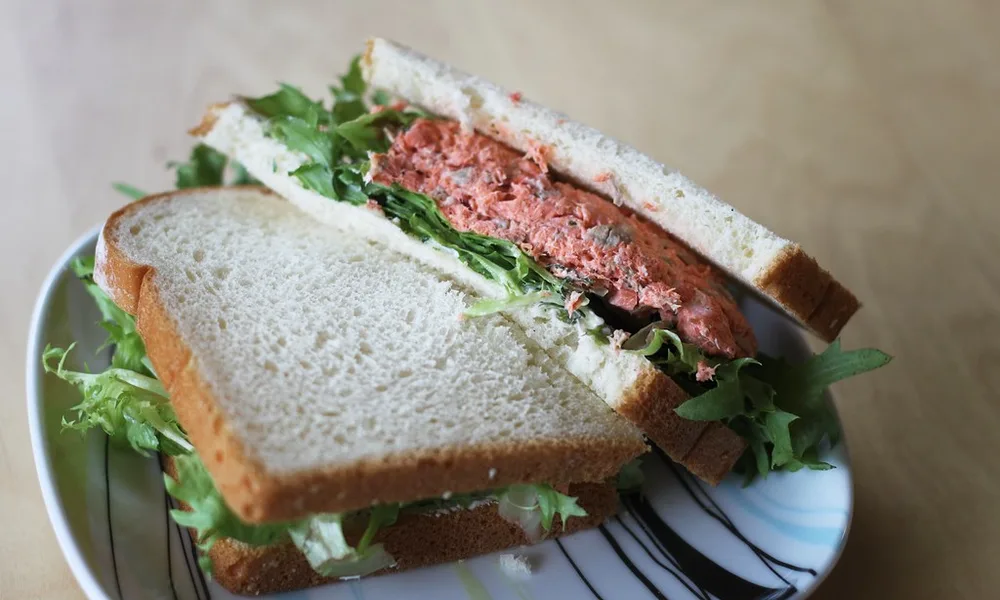
A sandwich is the classic: flaked salmon, a little mayonnaise or yoghurt, lemon juice, and black pepper on good bread, with lettuce or cucumber for crunch.
Fish cakes are the best way to use a whole tin, and they suit pink salmon perfectly. Mix the flaked fish with mashed potato, a beaten egg, spring onions, and a little lemon zest, shape into cakes, coat in breadcrumbs, and fry until golden.
The rest of the canned aisle deserves the same approach. A tin is only as good as the meal you make with it, and the best canned tomatoes for 2026 and the best canned soups for 2026 are the same kind of pantry workhorse: cheap, long-lasting, and far better than their reputation when you choose the right tin and cook with it properly.
How to Choose the Right Tin
Choosing well takes two minutes in the aisle and saves you from a disappointing lunch. Work through this checklist before you buy.
- Decide the meal first. Sockeye suits salads and simple plates, pink suits sandwiches, fish cakes, and pasta, and boneless suits anyone who wants no fuss.
- Read the label for the species. A tin that names pink, sockeye, or coho is telling you something; a tin that just says salmon is usually pink.
- Check the ingredients. Salmon should be first, with water or olive oil and a little salt, and no long list of broths or flavourings.
- Compare drained weight, not total weight. The honest number is the weight of the fish inside, and it is the only fair way to compare prices.
- Check the tin itself. Reject deep dents, bulging lids, and rust, and check the date before the tin goes in your basket.
- Buy the size you will use. A large tin is cheaper per gram, but only if you use it within two days of opening it.
Frequently Asked Questions
Is canned salmon as healthy as fresh salmon?
Very nearly. Canned salmon keeps its protein and its omega-3 fats, and the soft bones add calcium that fresh fillets do not have.
Can you eat the bones in canned salmon?
Yes. The heat of the canning process softens the bones completely, so they crumble when you flake the fish and are safe to eat.
What is the difference between pink and sockeye salmon?
Pink salmon is paler, milder, softer, and cheaper, and it suits sandwiches, salads, and fish cakes. Sockeye is deeper red, firmer, richer, and more expensive, and it suits meals where the salmon itself is the star.
How long does canned salmon last once opened?
Two days in the fridge, in a sealed container. An unopened tin keeps for two to five years in a cool, dry cupboard.
Should I drain canned salmon before using it?
Usually, yes. Drain the water or oil before you flake the fish, or the dish will be soggy.
Is canned salmon safe to eat straight from the tin?
Yes. Canned salmon is fully cooked during the canning process, so it is safe to eat cold, straight from the tin, in a sandwich or a salad.
The Bottom Line
Canned salmon deserves a spot in your pantry in 2026 because it is cheap, long-lasting, nutritious, and far tastier than its reputation. A good tin, a little lemon, and ten minutes are all it takes to turn a pantry staple into a proper meal.


