
What Makes a Great Pasta Sauce in 2026?
A great pasta sauce does not shout. It coats every strand, tastes of the ingredients on the label, and makes the pasta itself taste better rather than drowning it. The best pasta sauce in 2026 is easy to spot once you know what to look for: a short ingredient list, real tomatoes or real basil or real cream, and a texture that clings instead of sliding off into a puddle at the bottom of the bowl. This guide compares tomato, cream, and pesto-based sauces, explains how to match them to pasta shapes, and shows how to read a jar before you buy it.
Key Takeaways
- Tomato sauce should taste of tomatoes first: check that tomatoes lead the ingredient list and sugar sits near the end, if it appears at all.
- Cream sauces need real dairy and restraint — a short list with cream, butter, and cheese beats a long list of starches and flavourings.
- Pesto should be green, fragrant, and slightly coarse; a dull, smooth, dark jar has usually been cooked too hard or bulked out with cheap oil.
- Match the sauce to the shape: thin sauces suit long strands, chunky sauces need ridges and tubes, and smooth sauces love wide ribbons.
- A jar is a starting point, not a finished sauce: a splash of pasta water, a knob of butter, or fresh basil can lift even a budget jar.
Tomato Sauces: What Separates Good From Flat
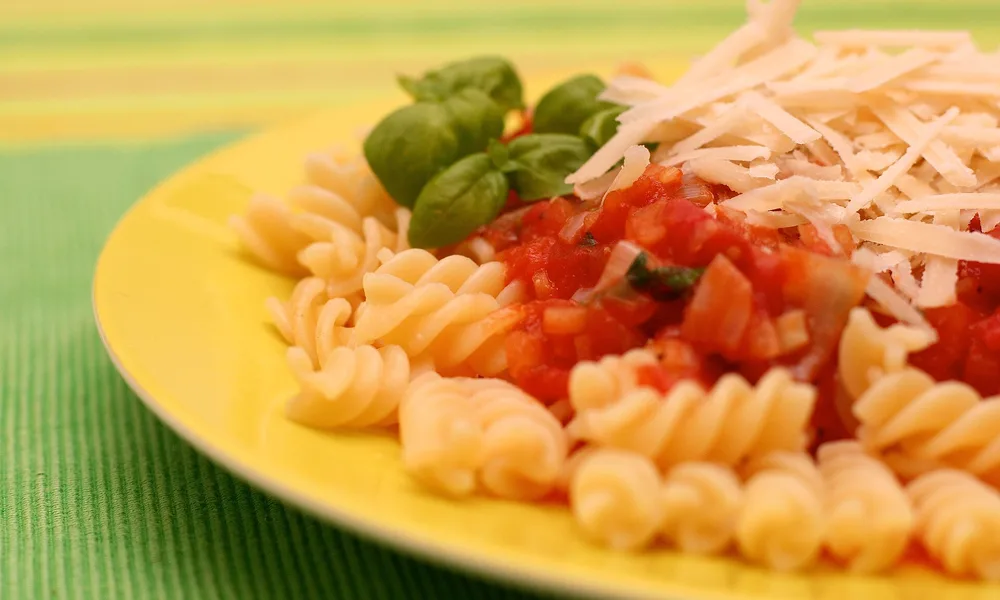
Tomato sauce is the jar most of us buy most often, and it is also the easiest to get wrong. A good tomato sauce tastes bright and a little sharp, with the sweetness coming from ripe tomatoes rather than added sugar. It should look red, not orange, and it should have some texture — flecks of tomato, a little onion, perhaps a leaf of basil — rather than the uniform smoothness of soup. When you open a jar, the first smell should be tomato and garlic, not vinegar or nothing at all.
Marinara, Arrabbiata, and Vodka Sauce
Marinara is the plainest of the three: tomatoes, garlic, olive oil, and herbs, simmered until they taste round rather than raw. It is the jar to judge a brand by, because there is nowhere for poor tomatoes to hide. Arrabbiata adds dried chilli to the same base, giving a warm heat that builds slowly; it suits penne and rigatoni, whose ridges catch the sauce. Vodka sauce is tomato sauce enriched with cream, which softens the acidity and gives a pink, silky result that clings beautifully to penne and shells.
The Sugar Problem
Many jarred tomato sauces are far sweeter than they need to be. Tomatoes are naturally sweet when ripe, so a sauce that lists sugar or corn syrup among its first few ingredients is usually covering for thin, underripe tomatoes. A little sugar is not a scandal — a pinch balances acidity — but it should sit near the end of the list. The better jars often list their tomato variety and origin, and that small detail is usually a sign the maker is proud of the fruit rather than the formula.
Cream Sauces Without the Glue
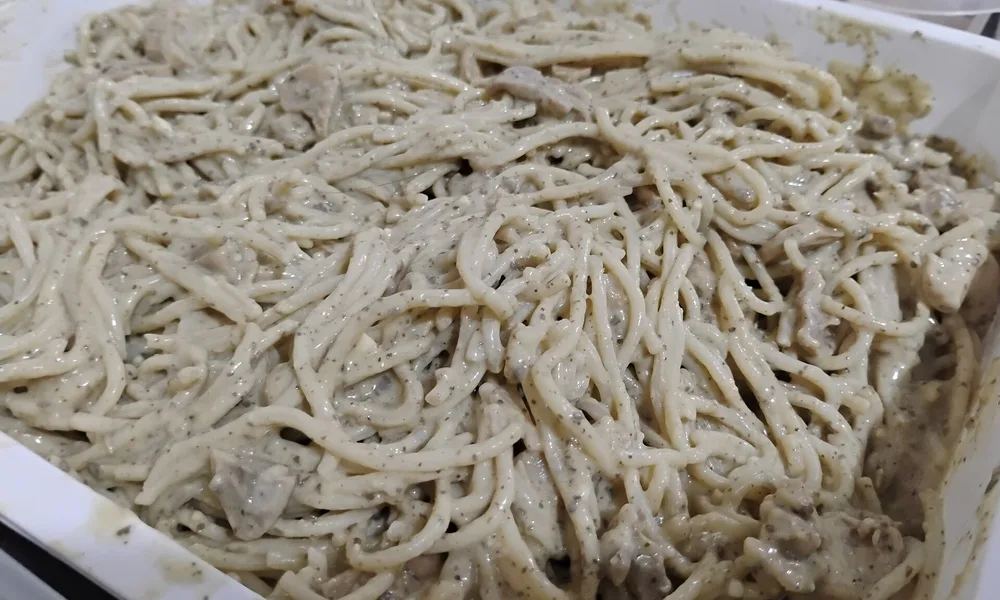
Cream sauces live or die on texture. A good alfredo is glossy and fluid, coating the pasta in a thin, even layer that stays put without turning stodgy as it cools. A bad one is thick, gluey, and faintly floury, the result of too much starch standing in for real cream and cheese. Read the label: cream, butter, parmesan, and a little garlic should do most of the work. If the list is long and full of modified starches, gums, and flavourings, the jar will taste like the list reads.
Cream sauces also need heat handled gently. Bring them to a simmer, never a hard boil, or the dairy can split and turn grainy. Toss the pasta in the sauce for a full minute over low heat so the strands absorb it, and loosen with a splash of the starchy pasta water if it tightens up. Cream sauce suits wide, flat shapes — fettuccine, tagliatelle, pappardelle — because the broad surface gives the sauce somewhere to sit. It also pairs well with chicken, mushrooms, and peas, which add substance without fighting the mild flavour.
Pesto-Based Jars: Green Means Go
Pesto is the most fragile of the jarred sauces, because basil loses its colour and aroma quickly once it is processed and stored. A good jarred pesto is still recognisably green, smells of basil and garlic when you open it, and has a slightly coarse texture with visible flecks of nut and cheese. A poor one is dark olive, smooth as paste, and tastes mostly of oil. The oil matters: olive oil should lead the list, and pine nuts or walnuts should appear before any cheaper filler. Parmesan or pecorino gives the salty depth that makes pesto taste finished rather than merely herby.
Using Pesto Properly
Pesto should never be boiled. Heat kills the fresh basil flavour that is the whole point of the sauce, so toss it through hot pasta off the heat, loosening with pasta water until it coats evenly. Jarred pesto also varies more by brand than any other sauce, so it is worth tasting two or three side by side once; the difference between a bright, nutty jar and a dull, oily one is obvious in a single spoonful, and you will never buy the dull one again.
Pairing Sauce With Pasta Shapes
The shape of the pasta is not decoration — it is part of how the sauce works. Long, thin strands like spaghetti and linguine suit smooth, clinging sauces: a simple tomato sauce, a light cream sauce, or pesto thinned with pasta water. The sauce wraps the strands rather than pooling, and a forkful lifts cleanly. Wide ribbons like fettuccine and pappardelle suit rich sauces, because their broad surface holds cream and ragù without slipping. Short tubes and ridged shapes — penne, rigatoni, fusilli — are built for chunky sauces: the ridges grip, the tubes trap, and the spirals hold pieces of tomato, sausage, or vegetable in every bite. Shells do the same job in miniature, scooping sauce into each cup.
| Pasta shape | Best sauce match | Why it works |
|---|---|---|
| Spaghetti, linguine | Smooth tomato, pesto, light cream | Thin sauce wraps the strands evenly |
| Fettuccine, tagliatelle | Cream, vodka sauce, ragù | Broad ribbons hold rich sauces |
| Penne, rigatoni | Arrabbiata, chunky tomato, vodka | Ridges grip; tubes trap sauce |
| Fusilli, shells | Chunky tomato, pesto, cheese sauce | Spirals and cups hold pieces |
| Orzo, ditalini | Light tomato, broth-style sauces | Small shapes suit soups and light coats |
Getting the pairing right is the cheapest upgrade in pasta cooking: the same jar tastes noticeably better on the right shape than on the wrong one.
Reading the Jar Before You Buy
The label tells you nearly everything, if you know where to look. Ingredients are listed by weight, so the first item should be the thing the sauce claims to be: tomatoes for tomato sauce, basil for pesto, cream for cream sauce. Olive oil should appear early in a pesto or a good marinara; sunflower or soybean oil first is a sign the maker saved money where you will taste it. Salt should be moderate — a sauce that needs no extra seasoning is rare, and one that tastes salty on its own will only get saltier as it reduces on the pasta.
Price is a rough guide but not a rule. The cheapest jars often cut corners on tomatoes and oil, and the most expensive are sometimes just the same sauce in a prettier jar. The middle of the shelf is usually where the value sits, and a brand that lists its tomato variety, its region, or its production method is usually worth the extra pound or two.

How to Lift Any Jarred Sauce
Even a good jar benefits from a little help, and the fixes are the same for almost every sauce. Cook the pasta in well-salted water and save a mug of the starchy water before draining; a splash loosens any sauce and helps it cling. Toss the pasta and sauce together in the pan for a minute rather than spooning sauce over a mound of plain pasta — the difference is night and day. Finish with something fresh: torn basil for tomato sauce, a knob of butter for cream sauce, a handful of grated parmesan for pesto, or a drizzle of good olive oil for all of them. These are thirty-second steps, and they are what separate a jar poured over pasta from a meal that tastes cooked.
Before You Buy: A Quick Checklist
- Tomatoes, basil, or cream should lead the ingredient list — not water, sugar, or cheap oil.
- Sugar should sit near the end of a tomato sauce label, if it appears at all.
- Pesto should look green and smell of basil, not dark, smooth, and oily.
- Match the sauce to the shape: thin sauces for strands, chunky for ridges and tubes, rich for wide ribbons.
- Keep pasta water back — a splash fixes almost any jar that is too thick or too thin.
- Buy one good marinara first, then add an arrabbiata and a pesto once you know your baseline.
Frequently Asked Questions
What is the healthiest jarred pasta sauce?
A simple marinara is usually the lightest choice: tomatoes, olive oil, garlic, and herbs, with no cream and little added sugar. Check the label for sugar and sodium, since those vary more between brands than the calories do.
How long does an opened jar of pasta sauce keep?
Most opened jars keep four to five days in the fridge with the lid on tight. Freeze anything you will not use within a few days — tomato sauce freezes well for up to three months.
Can I use pasta sauce straight from the jar without heating it?
You can, but it tastes better heated. Warming the sauce wakes up the garlic and herbs, thickens it slightly, and helps it cling to the pasta. Simmer gently for a few minutes rather than boiling hard, and never boil pesto — toss it through hot pasta off the heat instead.
Why does my sauce slide off the pasta?
Usually the pasta was rinsed, oiled, or over-drained. Never rinse pasta for a hot sauce, skip the oil in the cooking water, and toss the pasta with the sauce in the pan with a splash of starchy pasta water. The starch is what makes the sauce grip.
Is fresh sauce always better than jarred?
Fresh sauce made with ripe tomatoes and good oil is hard to beat, but a good jar beats a rushed fresh sauce made with pale supermarket tomatoes in winter.
What pasta sauce goes best with seafood pasta?
Light tomato sauce and olive-oil-based sauces suit seafood best, because they let the fish taste like itself. Cream sauce works with prawns and scallops, but keep it light. Avoid heavy cheese sauces with delicate fish — they overwhelm it.
The Bottom Line
A great pasta sauce is honest about what it is: tomatoes that taste of tomatoes, cream that tastes of cream, basil that is still green and fragrant. Read the label, match the sauce to the shape, and finish the jar with pasta water and something fresh. For the other half of the plate, see our guide to the best pasta brands, our look at pesto worth buying, and how to choose canned tomatoes that taste fresh.


