
The best relish is the small spoonful that makes a plain plate taste finished. It brings crunch, tang and a little sweetness at once, and it does work that salt alone cannot do. A hot dog, a burger, a plate of grilled fish or a cold sandwich all change when the relish is right, and they all fall flat when it is wrong. That is why choosing a jar deserves more attention than most people give it, even though it costs little and keeps for weeks.
Relish is not one flavour. Sweet pickle relish is soft and sugary, dill relish is sharp and green, chow-chow is chunky and spiced, and cranberry relish is tart and fruity. Each one suits different food, and the jar that is perfect on a hot dog can taste out of place on roast pork. This guide explains the styles, how to read a label, how to use each kind well, and how to store an open jar so it stays crisp instead of going soft and dull.
Key takeaways
- Match the relish to the dish: sweet for hot dogs and burgers, dill for fish and sandwiches, chow-chow for beans and grilled meat.
- Look for visible chopped vegetables, a clean vinegar smell and a short ingredient list you recognise.
- Crunch matters more than colour: a relish that looks bright but feels mushy will not lift a plate.
- Use a spoon, not a squeeze, so you control the amount and keep the rest of the jar clean.
- Keep an open jar refrigerated, sealed and used within a few weeks for the best flavour and texture.
What relish actually is
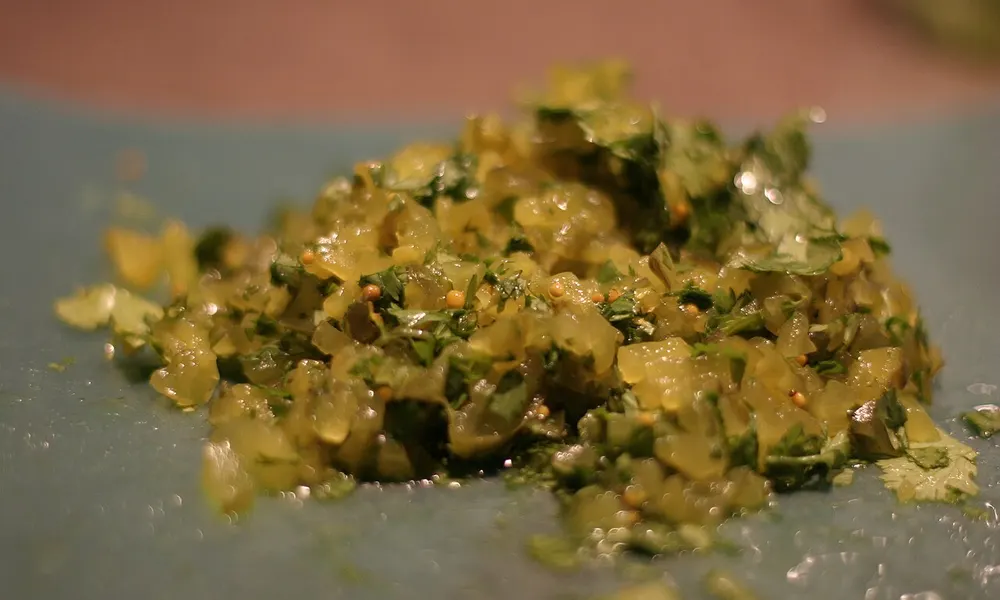
Relish is chopped vegetables or fruit preserved in vinegar, brine or sugar, usually with salt and spices. The best-known kind in the United States is pickle relish, made from chopped cucumber with onion, mustard seed and sometimes pepper. It is cooked briefly or packed raw in brine, then sealed so the vinegar keeps it safe and sharp. The result is a condiment that is eaten in spoonfuls rather than spread like a sauce, which is why texture matters as much as flavour.
Other countries have their own versions, and they are worth knowing because they show how wide the idea is. British piccalilli is a mustard-yellow mix of chopped vegetables in a spiced sauce. Indian pickles, or achar, are hotter and oilier, built on mango, lime or chilli. Southern chow-chow is a sweet and sour mix of cabbage, green tomato and pepper. Cranberry relish, often made fresh for holidays, is simply chopped cranberries with sugar and orange. All of them share the same job: a sharp, crunchy contrast to rich or plain food.
The main styles, compared
Choosing starts with knowing the styles. Sweet relish is the mildest and the most familiar, good for children and for anyone who wants a gentle lift. Dill relish is sharper, saltier and more herbal, and it suits fish, eggs and cold meats. Hot relish adds chilli heat and works best with grilled food and beans. Chow-chow is the chunkiest, with visible pieces of cabbage and pepper, and it is at home on pulled pork and sausages. Cranberry relish is the outlier: fruity, tart and best with roast turkey, pork and cheese.
| Style | Flavour | Texture | Best with |
|---|---|---|---|
| Sweet pickle relish | Sweet, mild, tangy | Fine, soft chop | Hot dogs, burgers, potato salad |
| Dill relish | Sharp, salty, herbal | Fine, firm chop | Fish, sandwiches, devilled eggs |
| Hot relish | Spicy, vinegary | Medium chop | Grilled meat, beans, tacos |
| Chow-chow | Sweet and sour, spiced | Chunky | Pulled pork, sausages, greens |
| Cranberry relish | Tart, fruity | Coarse, juicy | Roast turkey, pork, cheese |
How to pick a good jar
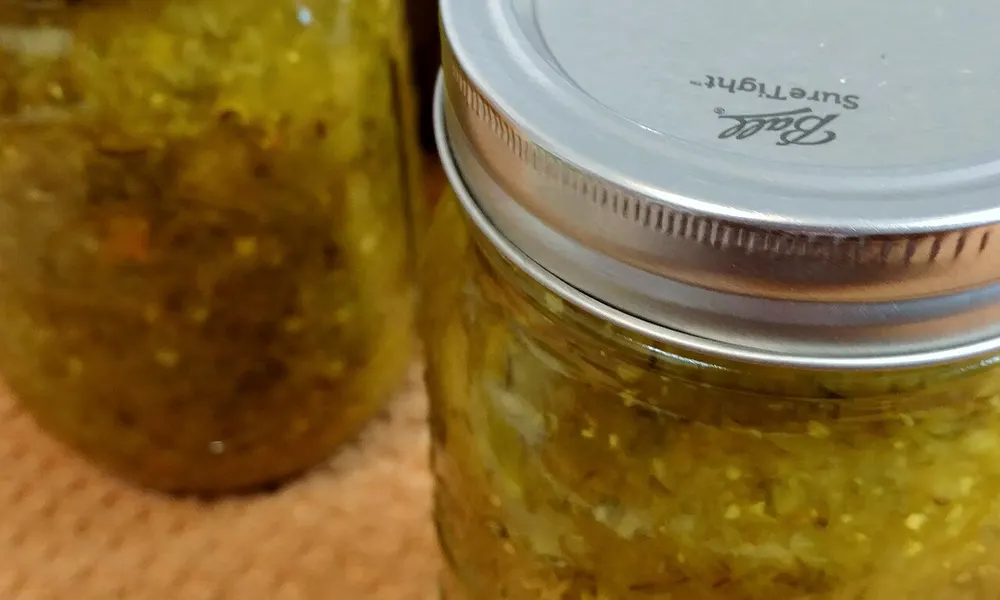
Start by looking through the glass. Good relish shows distinct pieces of vegetable rather than a uniform mush, and the liquid should be clear or lightly coloured, not cloudy or grey. The colour should look like the vegetables it came from: green for cucumber relish, red or orange for pepper relish, deep red for cranberry. A jar that looks dull or brown may still taste fine, but it is a sign that the relish is old or was overcooked.
Then read the label. The first ingredients should be vegetables, vinegar, water and salt, with sugar and spices further down. A long list of flavourings, colours and thickeners is a warning that the jar is built on additives rather than vegetables. Sugar is normal in sweet relish, but it should not be the first ingredient. If you want heat, look for chilli or pepper in the list rather than trusting a picture of a flame on the front.
Read the label before you buy
Check the date and the seal as well. A jar with a loose lid, a bulging lid or a broken seal should stay on the shelf, however good the label sounds. Smaller jars are often the better buy for a household that only uses relish once or twice a week, because an open jar loses its crunch over time. It is better to finish a small jar while it is still crisp than to throw away half of a large one that has gone soft.
Best ways to use relish
The classic use is on hot dogs and burgers, where a spoonful adds the crunch and acidity that rich meat needs. Spread it under the sausage rather than on top so it does not slide off, and use less than you think: a tablespoon is usually enough for one serving. The same spoonful works in tuna salad, egg salad and potato salad, where it replaces some of the salt and adds texture that plain mayonnaise cannot give. Stir it in at the end so the pieces stay distinct instead of dissolving into the dressing.
Relish also earns its place beyond the barbecue. Dill relish brightens tartar sauce and fish sandwiches, and a spoonful in a grilled cheese adds a sharp note that cuts through melted cheese. Chow-chow belongs on beans, greens and pulled pork, where its sweetness balances smoke and salt. Cranberry relish is not only for holidays: it works with a cheese board, a turkey sandwich or a pork chop all year. The rule is simple and worth remembering alongside the rest of your condiment shelf, where a good ketchup plays a similar supporting role without doing the same job.
For everyday cooking, keep one sweet jar and one dill jar in the fridge and you will cover most meals. Sweet relish goes into potato salad and onto burgers, dill relish goes into tuna salad and onto fish, and either one can rescue a plain sandwich on a busy evening. Taste a small spoonful on its own first, so you know how sweet, salty or hot it is before it meets the food. That one habit stops most disappointments, because a relish that tastes balanced alone will almost always taste balanced on the plate.
Mistakes that waste a good jar
The most common mistake is using too much. Relish is a contrast, not a main ingredient, and a thick layer overwhelms the food underneath. The second mistake is mixing styles without thinking: sweet relish on delicate white fish, or hot relish on a mild cheese sandwich, fights the dish instead of lifting it. The third is serving it straight from a warm cupboard. Relish tastes best cold, straight from the fridge, because the chill keeps the vinegar sharp and the pieces firm.
A fourth mistake is buying on price alone. The cheapest jar is often the sweetest and the softest, with more sugar and water than vegetables, and it saves pennies while wasting the meal it was meant to improve. A fifth is forgetting the rest of the plate: relish cannot rescue overcooked meat or stale bread, and it works best when the food underneath is already good. Treat it as a finishing touch, taste the dish first, and add a small spoonful before reaching for a second.
How to store relish
Keep unopened jars in a cool, dark cupboard and they will last for months, but check the date on the lid. Once opened, refrigerate the jar, keep the lid tight, and always use a clean spoon. A dirty knife or a finger dipped in the jar introduces bacteria that will shorten its life and dull its flavour. Most open jars stay at their best for three to four weeks, and they should be thrown away if the smell turns musty, the colour darkens sharply or the surface looks slimy.
Checklist: buying relish in 2026
- Pick the style for the dish you actually cook most, not the one with the brightest label.
- Check that you can see distinct pieces of vegetable through the glass.
- Read the label: vegetables and vinegar first, sugar and additives further down.
- Choose a jar size you can finish within a few weeks of opening it.
- Check the seal and the date before you pay, and skip any jar with a loose or bulging lid.
- Store it cold once open, use a clean spoon every time, and trust your nose if it smells off.
Frequently asked questions
What is the difference between relish and pickle?
A pickle is usually a whole or sliced vegetable preserved in brine or vinegar, while relish is chopped finely and eaten by the spoonful. They share ingredients and flavour, but relish is a condiment you add to a dish, and a pickle is often eaten on its own or as a side.
Is sweet relish or dill relish better?
Neither is better in general; they suit different food. Sweet relish is milder and works on hot dogs, burgers and potato salad. Dill relish is sharper and saltier, and it suits fish, eggs and sandwiches. Buy the one that matches the meals you cook most often.
How long does open relish last in the fridge?
Most open jars stay good for three to four weeks if they are kept sealed, cold and clean. Always use a clean spoon, keep the lid tight, and discard the jar if it smells musty, looks slimy or has changed colour sharply.
Can I use relish in cooking, not just as a topping?
Yes. Stir it into tuna or potato salad, mix it into tartar sauce, add it to a meatloaf mix, or use it as a glaze base for grilled pork. Add it near the end of cooking so the pieces keep some bite instead of turning to mush.
What goes well with relish besides hot dogs?
It pairs well with burgers, grilled fish, cold meats, cheese boards and bean dishes. Dill relish suits fish and eggs, chow-chow suits pulled pork and greens, and cranberry relish suits roast turkey and pork. It also sits happily next to olives on a sharing board, where the two briny flavours balance each other.
Is relish healthy?
Relish is low in calories and adds flavour without much fat, but it is usually high in salt and sweet relish adds sugar. Used by the spoonful it fits easily into most diets. If salt is a concern, look for a low-sodium jar and use a smaller spoonful.
Bottom line
Buy the style that fits the food you actually cook, check the jar for visible crunch and a short honest label, and keep it cold and clean once it is open. Do that, and a spoonful of relish will keep doing the quiet work it does best: making plain food taste finished. A jar that earns its place this way is also a good companion for a simple pasta sauce night, where one sharp spoonful can lift a whole plate without changing the recipe.


