Pestos That Taste Like They Came From a Garden in 2026
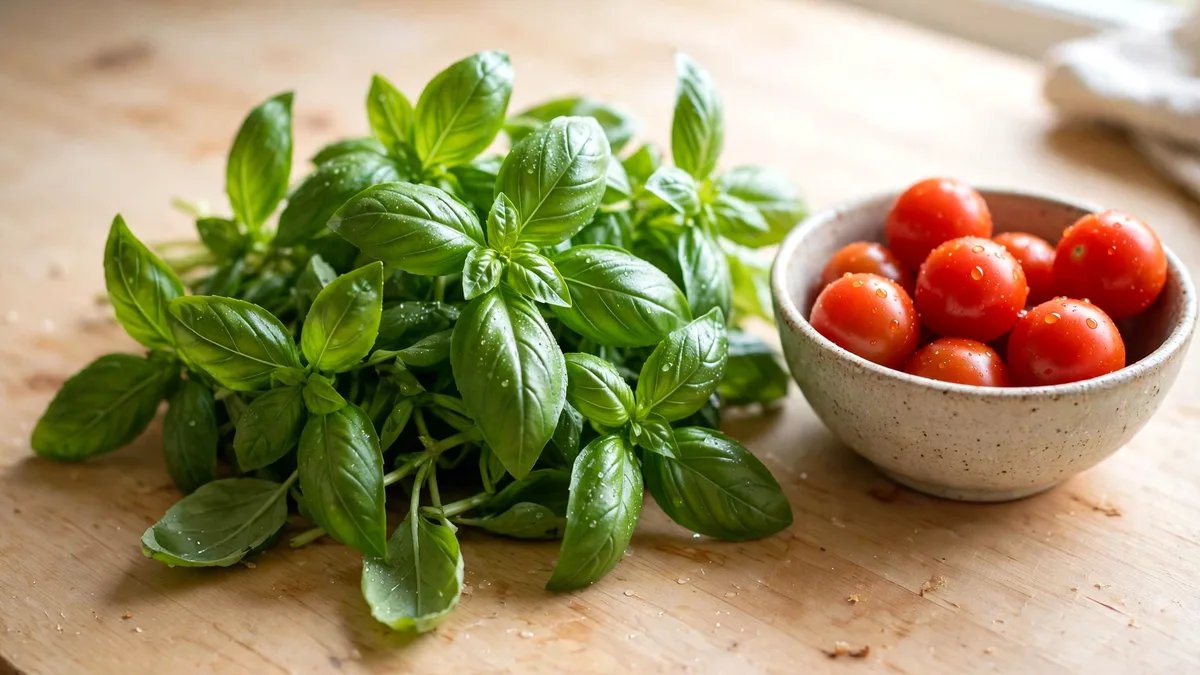
The best pesto in 2026 tastes like it came from a garden, not a factory: bright green, fragrant with basil, nutty from real cheese and pine nuts, and glossy with good olive oil. A spoonful should smell like summer before it ever reaches your mouth, and the flavour should be fresh and a little peppery, never flat, oily or brown at the edges. That is the whole test, and it takes about five seconds.
Most jars fail it. Pesto is one of the simplest sauces in the world — basil, garlic, nuts, cheese, oil and salt — yet the gap between a good jar and a poor one is enormous. The difference comes down to the quality of the basil, how the sauce was made, and how long it has been sitting around. Once you know what to look for, you can spot the good jars before you buy them, and you can make the decent ones taste far better at home.
Key takeaways
- Good pesto is bright green and smells strongly of fresh basil; dull, brown or grey pesto has oxidised and will taste flat.
- The ingredient list should read like a recipe — basil, olive oil, cheese, nuts, garlic, salt — with no long list of fillers or flavourings.
- Classic Genovese pesto uses pine nuts and Parmigiano, but walnut, pistachio and cashew versions can be excellent when they are made with the same care.
- Refrigerated pesto usually beats shelf-stable jars, and a jar that has been open for more than a week loses its brightness fast.
- A spoonful of good pesto goes further than a jar of poor pesto: use less, add it off the heat, and let the basil do the talking.
What good pesto actually tastes like
Good pesto has a flavour you can take apart in your mouth. First comes the basil — fresh, green, slightly sweet and a touch peppery, the way a torn leaf smells when you crush it between your fingers. Then the nuttiness, warm and buttery from pine nuts or walnuts, followed by the salty, savoury depth of a hard aged cheese. The olive oil ties it together with a fruity richness, and the garlic sits quietly in the background, warming the whole thing without taking over.
Why so much shop-bought pesto disappoints
The first problem is the basil itself. Basil is delicate, and its flavour fades quickly once the leaves are cut. A jar made from basil picked days earlier, shipped cold and processed gently can still taste fresh. A jar made from basil that was bruised, heated or stored too long tastes tired before it is even sealed. Many cheap jars solve this by using less basil and more oil, spinach or other green fillers, which is why so many taste green without tasting of basil.
The third problem is heat. Pesto is a raw sauce, and heat is its enemy: it turns the basil brown, dulls the garlic and flattens the oil. Jars that are pasteurised for a long shelf life pay for that shelf life in flavour. Refrigerated pesto, made and kept cold, almost always tastes brighter for exactly this reason. It costs more and lasts a shorter time, but the gap in the bowl is worth it. If you want to understand why the oil matters so much in a sauce this simple, our guide to olive oil explains what separates a fruity, fresh bottle from a flat one.
Pesto types compared
| Type | Main ingredients | Flavour | Best for |
|---|---|---|---|
| Genovese (classic basil) | Basil, pine nuts, Parmigiano, garlic, olive oil | Bright, herbal, nutty and savoury | Pasta, gnocchi, sandwiches, soups |
| Walnut pesto | Basil or mixed leaves, walnuts, cheese, oil | Earthier, deeper, slightly bitter | Hearty pasta, roasted vegetables, cheese boards |
| Pistachio pesto | Pistachios, basil, cheese, oil | Rich, buttery, faintly sweet | Pasta, fish, burrata, crostini |
| Sun-dried tomato pesto | Tomatoes, nuts, cheese, basil, oil | Sweet, tangy, intensely savoury | Pasta, grilled chicken, pizza, dips |
| Vegan pesto | Basil, nuts, nutritional yeast or no cheese, oil | Lighter, nuttier, less salty | Pasta, salads, grain bowls, toast |
| Wild garlic pesto | Wild garlic leaves, nuts, cheese, oil | Garlicky, green, punchy | Spring pasta, eggs, roast potatoes |
Reading the jar before you buy
Start with the colour. Hold the jar up to the light: good pesto is a vivid, living green, sometimes with a darker green at the surface where the oil sits. Brown, grey or olive-drab pesto has oxidised, and no amount of seasoning will bring the basil back. A little oil separation is normal and even good — it means the sauce was not glued together with stabilisers — but the sauce underneath should still look green when you stir it.
Then read the ingredients in order. Basil should come first, or very close to it, followed by oil, cheese and nuts. If the first ingredient is sunflower oil, or the list opens with water, starch, potato flakes or flavourings, put the jar back. Sunflower oil is the classic cheap filler: it is neutral, so it lets a maker use less olive oil, but it also strips the sauce of the fruity depth that olive oil gives. A short list is a good sign; a list that reads like a chemistry exam is not.
The taste test: what to check in the first spoonful
Taste pesto on its own first, on the tip of a spoon, before it meets pasta. Good pesto should taste bright and a little sharp at first, then round out into nuttiness and salt. If it tastes sour, the jar is old or the balance is wrong. If it tastes bitter, the basil was probably over-processed or the garlic is raw and harsh. If it tastes of nothing much, there is not enough basil or cheese in it, and pasta will only dilute it further.

How to use a good jar well
The golden rule is to keep pesto away from high heat. It is a raw sauce, and cooking it dulls the basil and turns the cheese grainy. Toss it through pasta off the heat, or over pasta that has cooled for a minute, and let the residual warmth do the work. Add a spoonful of the starchy pasta water and toss until the sauce turns glossy and clings. That gloss is the sign you have done it right.
Use less than you think. A good pesto is concentrated, and two generous spoonfuls will dress a full portion of pasta. Drowning the pasta hides the pasta as well as the pesto, and it wastes a good jar. If the jar tastes a little strong straight from the fridge, that is a good sign — it will mellow as it warms and loosens, and you can always add more. The pasta itself matters as well — our guide to pasta brands explains which dried pastas hold a sauce like pesto properly, because a rough, bronze-cut shape grips far more sauce than a smooth, pale one.
Making pesto at home: the quick version
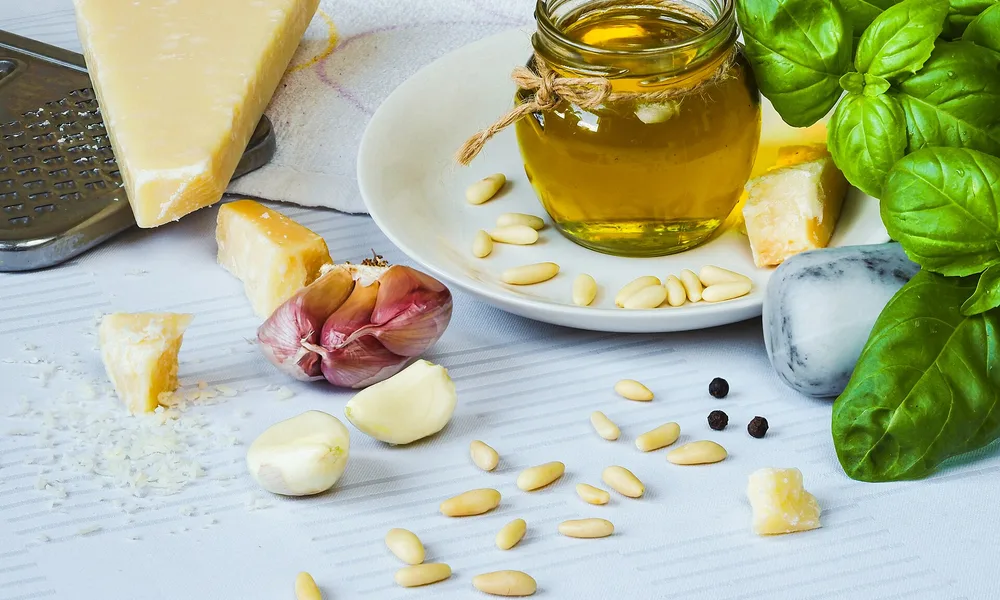
Homemade pesto is the benchmark every jar is judged against, and it takes about ten minutes. The classic method is a pestle and mortar, which bruises the basil gently and gives a loose, uneven texture that a machine never quite matches. A food processor works too, as long as you pulse rather than blend: you want a coarse, spoonable paste, not a smooth green puree. Our guide to food processors covers the bowl size and blade speed that keep pesto coarse instead of turning it into soup. Over-processing heats the basil and turns the sauce dull, which is the most common homemade mistake.
Storing pesto so it stays bright
Once a jar is open, the clock starts. Oxygen is the enemy: it turns the basil brown and flattens the flavour within days. Press a thin layer of olive oil over the surface before you put the lid back on, keep the jar in the coldest part of the fridge, and use a clean spoon every time. A jar used within three or four days will still taste bright; after a week it will be noticeably duller, and after two weeks it is usually past its best even if it is still safe to eat.

Mistakes that ruin good pesto
The most common mistake is cooking it. Pesto tossed into a pan and fried with the pasta loses its brightness in seconds, and the cheese separates into grainy clumps. Always add it off the heat. The second mistake is using too much: a jar is concentrated, and a heavy hand makes the dish oily and overpowering rather than generous. Start with less, taste, and add more if you need it.
Checklist: choosing your pesto
- Colour first: bright, living green in the jar, not brown, grey or olive-drab.
- Basil leads the ingredient list, followed by olive oil, cheese and nuts — no fillers up front.
- Short ingredient list that reads like a recipe, not a chemistry exam.
- Refrigerated over shelf-stable when you have the choice, and a small jar over a large one.
- Taste it on a spoon before it meets pasta: bright and nutty first, no sour or metallic edge.
- Once open, oil on the surface, clean spoon, coldest shelf, used within a few days.
Frequently asked questions
Why has my pesto gone brown on top?
The basil has oxidised where it meets the air, which is normal and mostly cosmetic if it has only been a day or two. Stir the brown layer in — if the pesto underneath is still bright green and smells fresh, it is fine. To stop it happening, press a thin layer of olive oil over the surface before you seal the jar, and keep it cold.
Is refrigerated pesto really better than shelf-stable pesto?
Almost always, yes. Refrigerated pesto is usually made and kept cold, so the basil stays bright and the flavour stays fresh. Shelf-stable jars are heat-treated for a long life, and that heat dulls the basil. There are good shelf-stable jars, but they are the exception, and they rarely match a good chilled one.
Can I freeze pesto?
Yes, and it freezes very well. Spoon it into an ice-cube tray, freeze until solid, then move the cubes to a sealed bag. They keep for about three months. Drop a cube or two into hot pasta or soup straight from frozen — there is no need to thaw it first.
Why does my homemade pesto taste bitter?
Usually the basil was over-processed, which heats and bruises the leaves, or the garlic was too strong. Pulse the processor in short bursts, add the garlic a little at a time, and taste before you add more. Older basil leaves and too much cheese can also add bitterness — use young, tender leaves and season at the end.
How long does an open jar of pesto last?
In the fridge, with an oil layer on top and a clean spoon, about five to seven days at its best, though it is usually safe for a little longer. After a week the flavour fades noticeably, and any mould, sour smell or fizzy taste means it should go straight in the bin.
Should pesto be refrigerated after opening?
Yes, always. Keep the jar in the fridge with a thin layer of olive oil on the surface and use it within a week. Unopened shelf-stable jars can stay in a cool cupboard until their date.
The bottom line
The best pesto in 2026 is the one that tastes like a garden: bright green, fragrant with basil, nutty, salty and glossy with good oil. Read the jar before you buy it, taste it on a spoon before it meets pasta, keep it off the heat, and use it quickly once it is open. Do that, and even a shop-bought jar can taste like something you made yourself — and once you have tasted the difference, the dull jars will never fool you again.