A banjo is one of the most joyful instruments a person can pick up, and one of the easiest to buy badly. A good banjo rings bright and clear, it answers the lightest touch with a lively snap, and it makes even a simple tune sound full of energy. A bad banjo does the opposite. It sounds dull and boxy, it fights the player at every fret, and it goes out of tune so often that practice feels like a chore instead of a pleasure. The best banjos of 2026 are not the most expensive ones, and they are not the ones with the shiniest hardware. They are the banjos that sound good, play easily, and keep working year after year without fuss.
What Makes a Banjo Good
The first thing to judge is the tone. A good banjo has a bright, clear voice with a quick attack and a clean decay, so each note stands out instead of blurring into the next. The drum-like head gives the banjo its famous snap, and a well-made rim and tension hoop let that sound ring out without buzzing or rattling. If the tone sounds muffled or thin, no amount of practice will fix it, because the problem is in the instrument itself. Listen for a voice that is lively but not harsh, and that stays pleasant even when played softly.
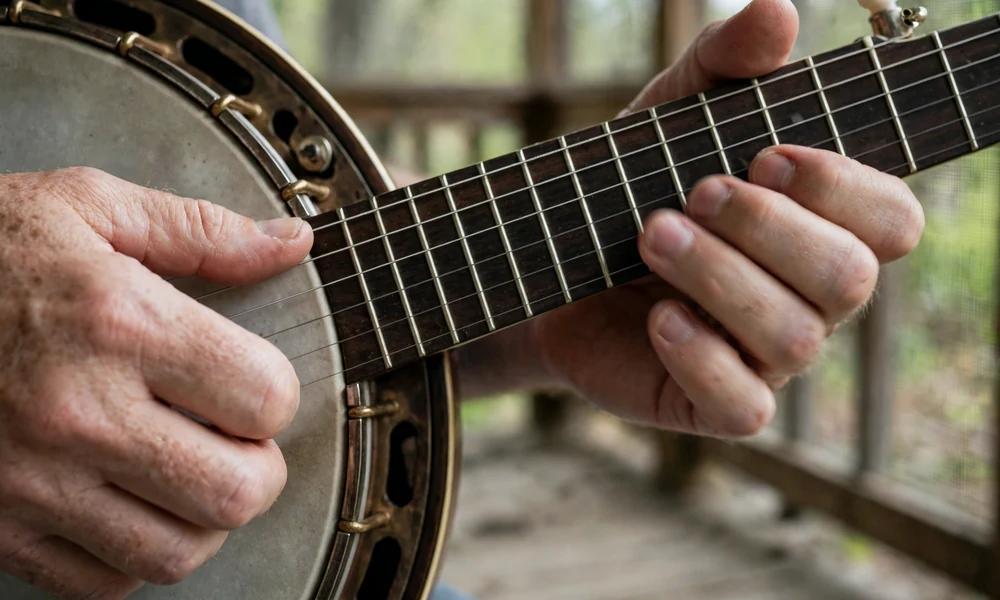
The second thing is how the neck feels in the hand. A good banjo neck is straight, smooth and comfortable, with frets that sit level and strings that sit close enough to the fretboard to press easily without buzzing. The action, the height of the strings above the frets, matters more than most beginners realise. Strings set too high tire the hand and make clean notes hard to reach, while strings set too low buzz against the frets. A well-set-up banjo feels easy from the first minute, and that ease is what keeps a new player coming back.
Tuning stability is the third test, and it is the one that separates a real instrument from a toy. A banjo has five strings, including a short fifth string that starts halfway up the neck, and every one of them needs to hold its pitch through a whole song. Good tuning pegs turn smoothly and stay put, and a good nut and bridge hold the strings steady. If a banjo slips out of tune every few minutes, practice becomes frustrating and the player starts to blame their own ear. A banjo that stays in tune builds confidence, and confidence is what turns a beginner into a player.
The Main Types of Banjo
The five-string banjo is the classic choice, and it is the banjo most people picture when they think of bluegrass and folk music. It has four long strings and one short drone string, and it is played with fingerpicks in the bluegrass style or with the fingers in the clawhammer style. The five-string banjo is bright, rhythmic and full of character, and it suits anyone who wants to play folk, country, bluegrass or old-time music. For most buyers, and for almost every beginner, a five-string banjo is the right place to start.
The tenor banjo has four strings and a shorter neck, and it is tuned like a viola or a mandola rather than a guitar. It was once the banjo of jazz bands and dance halls, and it still suits players who want a bright, punchy rhythm instrument for jazz, Irish music or folk. Tenor banjos are often lighter and easier to hold than five-string models, and their four-string layout feels familiar to anyone who has played a mandolin. They are less common than five-string banjos, but for the right player they are a delight.
The open-back banjo has no resonator on the back of the pot, so the sound is softer, warmer and more mellow than a resonator banjo. It is the traditional choice for clawhammer and old-time playing, where a gentle, woody tone matters more than sheer volume. Open-back banjos are usually lighter and cheaper than resonator models, which makes them a smart first banjo for many players. They also suit quiet practice at home, because they do not project as loudly as a resonator banjo.
The resonator banjo has a wooden bowl on the back of the pot that projects the sound forward, giving it a louder, brighter and more cutting tone. It is the standard banjo for bluegrass, where the instrument has to be heard over fiddles, mandolins and guitars. A resonator banjo costs more and weighs more than an open-back model, but it gives the player the volume and sparkle that bluegrass demands. If the goal is to play in a band, a resonator banjo is usually the better tool.
How to Choose Your First Banjo
Start by deciding how you want to play. A player who dreams of bluegrass should look at a resonator five-string banjo, while a player drawn to old-time tunes and gentle clawhammer playing will be happier with an open-back five-string. A jazz or Irish music player should look at a tenor banjo instead. The style of music decides the type of banjo far more than the price does, and choosing the wrong type is the most common reason a new banjo ends up gathering dust. Pick the banjo that matches the music you actually want to make.
The Best Banjos of 2026
The best five-string resonator banjo of 2026 is a mid-priced model built for the player who wants to join a bluegrass jam. It has a bright, projecting tone that cuts through a band without sounding harsh, and a smooth neck that makes fast runs feel easy. The tuning pegs hold pitch well, the frets are level, and the set-up out of the box is good enough to play straight away. It is the banjo for the player who practises most days, who wants to be heard in a group, and who is ready for an instrument that will last for years.
The best open-back banjo of 2026 is a light, warm-sounding model made for clawhammer and old-time playing. It has a mellow, woody voice that suits gentle tunes and singing, and it is comfortable to hold for long sessions on the porch or in the living room. The neck is slim and easy, the tone is sweet rather than sharp, and the whole instrument feels friendly rather than demanding. It is the banjo for the player who values warmth and tradition over volume, and who plays mostly for pleasure.
The best beginner banjo is a complete five-string set, with the banjo, a gig bag, a tuner, picks and a strap in the box. It costs less than a single month of many hobbies, and it removes every excuse not to start. The banjo itself is forgiving and easy to play, the set-up takes minutes, and the player can be picking out a recognisable tune on the first afternoon. It is not the banjo for a professional stage, but it is the banjo that turns a curious beginner into a regular player, and that is worth more than any trophy.
The best banjo for a young player is a light, short-scale five-string model with a slim neck and a gentle action. It is small enough to hold comfortably, light enough to carry to lessons, and sturdy enough to survive being knocked about. The tone is bright and cheerful, and the low string tension makes it easy on small fingers. An adult should help with tuning at first, and a strap makes holding it far easier. A good youth banjo makes music feel easy and fun from the very first tune, and that first impression decides whether a child comes back.

What Else You Need
A banjo on its own is only half the kit. A clip-on tuner is essential, because a banjo that is out of tune sounds wrong no matter how well it is played, and a tuner makes tuning quick and painless. Fingerpicks help bluegrass players get a clear, bright attack, while a flat pick suits tenor players and strummers. A strap takes the weight off the arms and keeps the banjo steady, and a case or gig bag protects it on the way to lessons and jams. A spare set of strings is cheap insurance, because a broken string at a jam ends the evening.
Common Mistakes to Avoid
The biggest mistake is buying the cheapest banjo on the shelf. A very cheap banjo often has a warped neck, rough frets and tuners that slip, and those faults make learning far harder than it needs to be. The second mistake is choosing the wrong type, such as a loud resonator banjo for quiet clawhammer playing, or a tenor banjo when the player really wants bluegrass. The third is skipping the set-up: a banjo that has never been properly set up will buzz, slip out of tune and feel stiff, even if it is a good instrument underneath.
Another common mistake is neglecting the banjo head. The head is a thin membrane stretched over the pot, and it needs the right tension to sound its best. A head that is too loose sounds dull and thuddy, while a head that is too tight sounds thin and harsh. Learning to check the head tension, and to keep the banjo out of damp rooms and hot cars, will keep the tone sweet for years. A little care goes a long way: a well-kept banjo will sound good for decades, while a neglected one loses its spark in a single season.
How the Banjo Fits a Musical Home
The banjo sits naturally beside other stringed instruments, and many players find that learning one helps with the next. The fretting hand learns the same shapes and stretches that a guitar asks for, and the picking hand learns the rhythm and control that every stringed instrument needs. Readers who enjoy that kind of hands-on music will find plenty to like in the best guitars guide, which covers the same idea from a different angle: the right instrument, matched to the player, makes the whole hobby more fun.
The banjo also pairs well with the violin family, because both instruments shine in folk and traditional music, and both reward a good ear and a steady hand. A player who can pick a tune on the banjo will often find the fiddle less daunting than expected, and the two instruments sound wonderful together at a jam. Readers curious about that side of folk music can explore the best violins and the best trumpets guides, which show how different instruments bring their own voice to the same shared tunes.
The Verdict
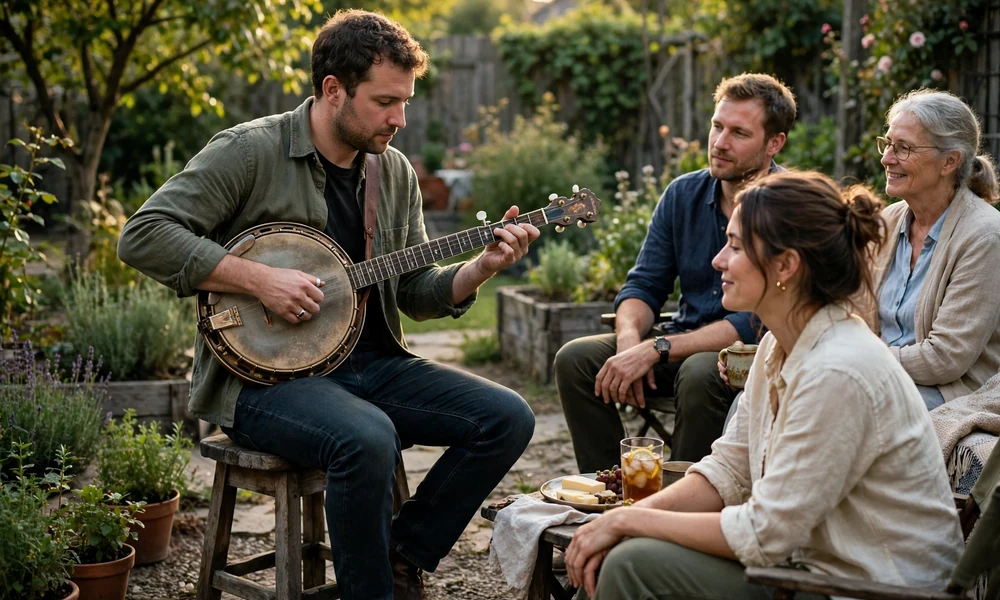
The best banjo of 2026 is the one that fits the player holding it. For most people that means a mid-priced five-string banjo: bright, easy to play and able to grow with its owner. For the bluegrass player, a resonator model is the better tool, while the old-time player will be happier with a warm open-back banjo. For the jazz or Irish player, a tenor banjo is the right choice. Whatever the choice, start with a real instrument, match it to the music you love, keep it in tune and look after the head. A banjo chosen this way will not just sound good on the first day; it will still be ringing bright years from now, and every good tune will feel like it was earned.