
A good BBQ rub is the difference between meat that tastes of smoke and meat that tastes of itself. It is the dry blend of salt, sugar, paprika, pepper and other ground spices rubbed onto brisket, ribs, pork shoulder or chicken hours before the meat meets the smoker, and it does far more than add flavour. As the meat cooks low and slow, the rub dries, darkens and bonds with the surface to form the bark: the dark, crisp crust pitmasters judge first. The best BBQ rub in 2026 is not the hottest or sweetest on the shelf, but the one whose salt, sugar and spice are in balance and whose flavour suits the meat and the smoke.
This guide explains what a BBQ rub is, how bark forms, which ingredients matter, how the regional styles differ, and how to apply a rub so it builds crust.
Key Takeaways
- A BBQ rub is a dry spice blend applied before cooking; it builds bark, while sauce is a wet finish applied at the end.
- Salt is the most important ingredient: it seasons the meat deeply and helps the surface dry out so bark can form.
- Sugar helps bark brown and adds sweetness, but too much burns over long cooks, so sweet rubs suit shorter cooks.
- Apply the rub at least an hour before cooking, and overnight for large cuts such as brisket and pork shoulder.
- Match the rub to the meat and the wood: bold, peppery rubs suit beef, sweeter rubs suit pork, and lighter rubs suit chicken.
What a BBQ Rub Actually Is
A BBQ rub is a dry mixture of ground spices, salt and usually sugar, rubbed directly onto raw meat before cooking. It contains no liquid, and that is the point. A marinade soaks in and a sauce coats at the end, but a rub sits on the surface, draws out a little moisture, then dries again in the smoker’s heat to form a seasoned crust. The classic base is salt, black pepper, paprika and garlic powder, with brown sugar for sweetness and colour, chili powder for warmth, and mustard powder, onion powder, cumin or cayenne in support.
Rub it in by hand rather than sprinkling it from a height: the spices need contact with the meat to work. A thin, even layer beats a thick one, which falls off in the smoker, clumps in the fat and tastes gritty.
How the Bark Actually Forms
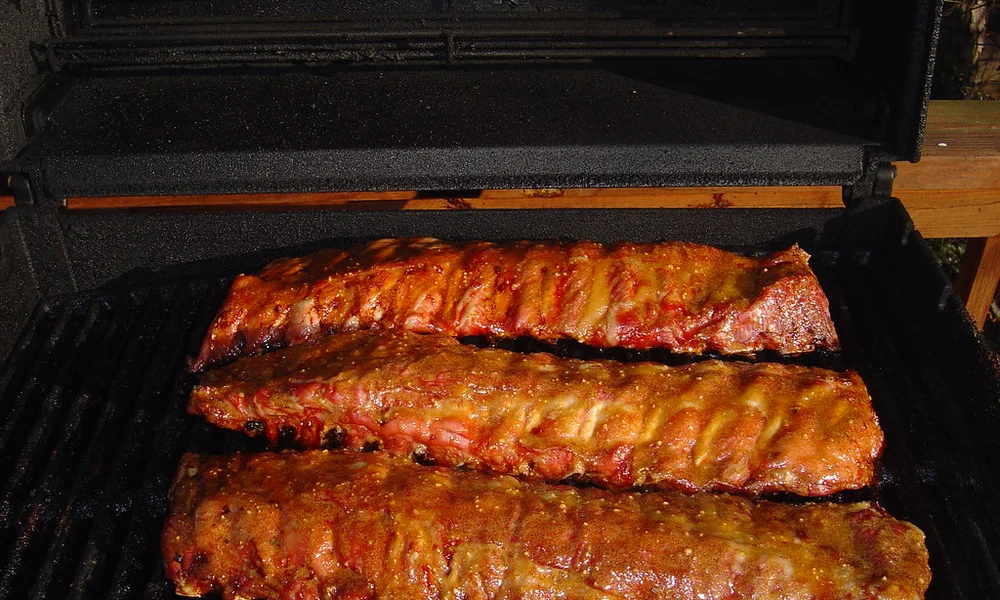
Bark is not burnt spice. Over a long, slow cook, salt draws moisture to the surface, the surface dries in the smoker’s warm air, and the dry spice layer browns like toast or roast meat. Smoke sticks to the tacky surface and darkens it further, while rendering fat keeps the crust from drying into dust. The result is a dark crust, crisp at the edges, chewy in the middle, and packed with flavour.
Three things decide whether bark forms well. The first is time: bark needs hours, which is why it belongs to low-and-slow cooking rather than fast grilling. The second is airflow: meat in still, humid air stays wet and the rub never sets, while meat in moving, dry air forms crust. The third is patience with wrapping: foil stops bark forming and softens what has already formed, so wait until the bark is set before wrapping.
The Core Ingredients, and What Each One Does
Every ingredient earns its place, and knowing the roles helps you fix a rub that tastes off. Salt seasons the meat all the way through over hours, and it is the only ingredient that does so; without enough salt, the meat tastes flat no matter how many spices sit on top. Black pepper brings heat and the coarse texture that catches smoke, and it is the backbone of Texas-style rubs. Paprika brings colour and a mild, sweet pepper flavour, and smoked paprika adds a smoky note that suits meat cooked without a real smoker. Brown sugar helps the crust brown and balances salt and heat, while garlic and onion powder add savoury depth. Chili and cayenne bring warmth, and mustard powder adds a sharp edge that lifts pork.
Regional Styles Compared
American barbecue has four broad rub traditions, differing mainly in sweetness, heat and pepper. Texas rubs are the simplest and boldest: salt and coarse black pepper, sometimes with a little garlic, letting beef and smoke do the talking. Kansas City rubs are the sweetest, heavy on brown sugar and paprika, built for ribs and the sweet sauce that follows. Memphis rubs sit in the middle, with paprika, garlic and a little sugar, served without sauce so the rub carries the flavour. Carolina rubs lean on mustard, chili and black pepper, with less sugar, to match the region’s sharp vinegar sauces.
| Style | Lead flavours | Sweetness | Best for |
|---|---|---|---|
| Texas | Salt and coarse black pepper | None | Brisket and beef ribs |
| Kansas City | Brown sugar and paprika | High | Pork ribs and chicken |
| Memphis | Paprika, garlic and chili | Moderate | Pork shoulder and ribs |
| Carolina | Mustard, chili and pepper | Low | Pulled pork |
Shop-Bought Rubs Versus Homemade Blends
Shop-bought rubs are convenient and consistent, and a good one saves measuring six jars of spice. The best jars list salt, sugar, paprika and pepper first, with a short, readable ingredient list. The drawbacks are salt and sugar: many commercial rubs are very salty, and because the salt is mixed in, you cannot add more rub without adding more salt. Some are also surprisingly sweet, which is fine on ribs but can burn on a long brisket cook.
A homemade rub takes five minutes and gives you full control. Start with equal parts salt, paprika and brown sugar, half as much black pepper, and smaller amounts of garlic, onion, chili and mustard powder, then adjust to taste. Leave sugar out for beef, add more for pork, and keep cayenne separate so one batch serves mild and hot eaters alike. Keep a jar of your own blend for regular cooks and a shop-bought jar for busy days.

How to Apply a Rub Properly
Start with dry meat: pat the surface with paper towels so the rub sticks instead of sliding off on a film of water. Score a thick fat cap lightly so the rub reaches the meat, and trim loose flaps that would burn. Sprinkle the rub evenly from a few inches above the meat, then press it in with your hands, covering every side including the edges. A binder helps on smooth cuts: a thin smear of mustard, oil or hot sauce gives the rub grip, and it cooks away without leaving a mustard taste.
Timing matters as much as technique. An hour is the minimum for the salt to start working, and overnight in the fridge is better for large cuts: the salt seasons the meat deeply, the surface dries in the fridge air, and a dry surface forms bark faster in the smoker. Leave the meat uncovered in the fridge overnight, and let it sit out for half an hour before cooking. Do not add a second heavy coat just before cooking; one good early coat beats two.
Matching the Rub to the Meat
Beef wants a simple rub: brisket and beef ribs have strong flavour of their own, and salt, pepper and a little garlic let the beef and smoke carry the meal. Pork takes sweeter, more complex rubs: brown sugar, paprika and a little chili suit ribs and shoulder, and pork fat keeps the crust moist over a long cook. Chicken needs a lighter hand: paprika, garlic and a little sugar work well, but a heavy salty coat overwhelms it and traps moisture against the skin, which turns rubbery. For the rest of the setup, our guide to smokers covers the cooker that gives backyard barbecue its real flavour, and our guide to BBQ sauce explains the wet finish that belongs on the meat at the end, not the start.
Mistakes That Ruin a Good Rub
The most common mistake is saucing too early: sauce is mostly sugar, and sugar burns over a long cook, so meat sauced at the start comes out black and bitter instead of crusted. Sauce belongs in the last half hour, or at the table. The second is stale spices: a rub made from three-year-old paprika tastes like dust, so replace ground spices at least once a year. The third is cooking too hot: a hot grill burns the rub before the inside is cooked.
Storage and Shelf Life
A shop-bought rub keeps for a year or more unopened, and about six months once opened, lid tight, jar cool and dark. A homemade blend is best within three months, because ground spices lose their edge quickly once mixed. Store rubs away from the stove, and never shake one over a steaming pot: steam gets into the jar and clumps the batch. If a rub smells faint on opening, mix a fresh batch before an important cook. For more on what can go wrong around the pit, our guide to the worst backyard BBQ mistakes covers the errors that undo even a good rub.
Checklist: Choosing and Using a BBQ Rub
- Salt and pepper lead the ingredient list, and the blend smells warm and savoury rather than mostly sweet.
- The sweetness matches the cook: low sugar for long brisket cooks, more sugar for shorter rib and chicken cooks.
- The grind is fine enough to cling to the meat, with coarse pepper kept for texture rather than grit.
- You pat the meat dry, rub the blend in by hand, and give it at least an hour, ideally overnight.
- You leave sauce until the last half hour, so sugar never burns over the long cook.
- The spices are fresh, stored cool and dark, and the blend is replaced at least once a year.

Frequently Asked Questions
What is the difference between a BBQ rub and BBQ sauce?
A rub is a dry spice blend applied before cooking that builds flavour and bark. A sauce is a wet, usually sweet and tangy finish applied near the end or at the table. They work as a pair, but swapping one for the other is the most common barbecue mistake.
How long before cooking should I apply a rub?
At least an hour; overnight is better for brisket, pork shoulder and ribs. The extra time lets salt season the meat deeply and the surface dry, so bark forms faster in the smoker.
Do I need a binder under a rub?
Not always, but it helps on smooth cuts: a thin smear of mustard, oil or hot sauce gives the rub grip and cooks away without leaving flavour. On rougher cuts such as pork shoulder, the meat’s own moisture is usually enough.
Can I use a BBQ rub on chicken?
Yes, with a lighter hand: paprika, garlic and a little sugar, a thinner coat than on pork, and moderate heat so the skin crisps instead of turning rubbery. Sweet rubs suit chicken because the cook is shorter.
Why did my rub burn instead of forming bark?
Usually too much sugar, too much heat, or sauce applied too early. Cut sugar for long cooks, keep the smoker low and steady, and save sauce for the last half hour: a rub that is mostly sugar blackens long before the meat is done.
How do I store a homemade rub?
In a sealed jar in a cool, dark cupboard, away from the stove, best within three months. If it smells faint, mix a fresh batch, and never shake it over steam, which clumps the jar.
The Bottom Line
A BBQ rub is a small thing that decides the whole cook: a balanced dry blend of salt, pepper, paprika and sugar, rubbed in early and given time to work, that turns into the dark, flavour-packed bark people remember. Keep salt in charge, match sweetness to the cook, save sauce for the end, and use fresh spices.


