
What Is BBQ Sauce — and Which Style Suits You in 2026?
BBQ sauce is the finishing touch that turns good grilled food into food people remember. It is a thick, spoonable sauce built around tomato, vinegar, sugar and spice, brushed onto meat near the end of cooking or served on the side for dipping. The best BBQ sauce in 2026 is not a single recipe: it is a family of regional styles, from sweet and smoky Kansas City to sharp, peppery Carolina vinegar, and the right one depends on what you are cooking, how you like your food, and how much sweetness you can stand.
Walk down any supermarket aisle and you will see dozens of bottles promising the same thing, yet they taste nothing alike. Some are syrupy and sweet, some are thin and tangy, and a few are pale, creamy and completely unexpected. This guide explains what BBQ sauce actually is, how the main styles differ, and how to pick the bottle — or the homemade batch — that suits your table.
Key takeaways
- BBQ sauce is a finishing sauce, not a marinade: it belongs on meat late in cooking or at the table, because its sugar burns easily over high heat.
- Kansas City style is the sweet, thick, tomato-based sauce most people picture when they hear the words BBQ sauce.
- Carolina vinegar sauce is thin, sharp and peppery, and it suits pulled pork better than any thick sauce does.
- Texas style is thinner and more savoury, built for beef, while Alabama white sauce is a creamy, tangy mayonnaise-based sauce for chicken.
- Taste before you buy into a brand: check sugar on the label, look for real smoke or spice, and skip bottles that taste only of sweetness.
What BBQ sauce actually is
At its simplest, BBQ sauce is a condiment designed to add moisture, sweetness, acidity and spice to cooked meat. The classic American version starts with a tomato base — ketchup, tomato paste or tomato sauce — and adds vinegar for tang, brown sugar or molasses for sweetness, and a spice blend that usually includes paprika, garlic, onion, black pepper and chilli. Liquid smoke is common in bottled versions, though pitmasters get their smoke from real wood.
The sauce does two jobs at once. The sugar and tomato give it body and a glossy coat that clings to ribs and chicken, while the vinegar cuts through fat and keeps rich meat from feeling heavy.
BBQ sauce is not the same as a marinade or a dry rub, and confusing the three is the most common mistake home cooks make. A rub seasons raw meat before cooking, a marinade soaks it, and sauce finishes it. The worst backyard BBQ mistakes almost always start with sauce applied too early, and the fix costs nothing: wait until the last stretch of cooking.
The big regional styles, compared
American barbecue is regional, and each region invented a sauce to match its meat. Kansas City made the thick, sweet sauce that conquered supermarket shelves. Texas kept things thinner and more savoury for beef. The Carolinas split between vinegar and mustard. Memphis sits somewhere in between, and Alabama went its own way entirely with a white sauce.
| Style | Base | Flavour | Best with |
|---|---|---|---|
| Kansas City | Tomato and molasses | Sweet, thick, smoky | Ribs, chicken, burgers |
| Texas | Tomato, thinner | Savoury, peppery, less sweet | Brisket, beef ribs |
| Eastern Carolina | Vinegar and pepper | Sharp, thin, hot | Pulled pork |
| South Carolina | Mustard | Tangy, golden, sharp | Pulled pork, chicken |
| Memphis | Tomato and vinegar | Tangy-sweet, thinner than KC | Ribs, pulled pork |
| Alabama white | Mayonnaise and vinegar | Creamy, tangy, peppery | Smoked chicken |
Kansas City: the crowd-pleaser
Kansas City sauce is the default. It is thick enough to coat a spoon, sweet from brown sugar and molasses, smoky from paprika and liquid smoke, and tomato-rich. If you are buying one bottle for a mixed crowd, this is the safe choice.
Texas: built for beef
Texas sauce is thinner, darker and far less sweet. It leans on tomato, vinegar, Worcestershire-style savouriness, black pepper and chilli heat, and it is meant to complement beef rather than cover it. Brisket, which is rich and smoky on its own, needs a sauce that adds tang and spice without piling on sugar.
The Carolinas: vinegar and mustard
Carolina sauces are the sharpest of the family. Eastern North Carolina sauce is little more than vinegar, crushed red pepper, salt and a little sugar: thin as water, fiery, and perfect for cutting through fatty pulled pork. Western North Carolina adds tomato to the same base. South Carolina goes golden with mustard, giving a tangy, almost piquant sauce that works on pork and chicken alike.
Alabama white: the surprise
Alabama white sauce looks wrong until you taste it. It is mayonnaise thinned with vinegar, sharpened with lemon, horseradish and black pepper, and it is served with smoked chicken, often applied as a dunk right off the pit. It is creamy, tangy and cooling, and it does for smoked chicken what a good dressing does for a salad.
How to read a bottle before you buy it
The front of the bottle tells you the story the maker wants you to hear. The back tells you the truth. Sugar is usually the first thing to check: in a good sauce it appears as brown sugar, molasses or honey partway down the list, not as high-fructose corn syrup in first place. Tomato should be near the top too.
Heat is the second thing to check, and labels are unreliable here. Mild usually means no noticeable heat, medium means a warm background note, and hot means the sauce will dominate whatever you put it on.
Price is a poor guide to quality. The honest test is a spoonful on plain grilled chicken: if the sauce tastes balanced on its own, with sweetness, tang and smoke all present, it is a good bottle.
Matching sauce to meat
Pulled pork is fatty and rich, so vinegar-based Carolina sauce cuts through it and keeps each bite from feeling heavy. Chicken is lean, so a sweet Kansas City glaze or a creamy Alabama white sauce adds the richness the meat lacks. Beef brisket is already smoky and intense, so a thin, peppery Texas sauce adds contrast without competing.
Burgers deserve a mention of their own, because a thick sweet sauce can rescue a dry burger or ruin a good one. A spoonful of Kansas City sauce on a well-made burger adds gloss and sweetness, but too much turns the bun soggy. The best and worst burgers of 2026 show the same lesson again and again: sauce is a supporting player, and the best burgers use just enough of it.
Seafood and vegetables are the edge cases. A thin vinegar sauce can work on grilled prawns, and a mustard-based sauce suits grilled cabbage or cauliflower steaks, but heavy tomato sauces tend to overwhelm both.
When to sauce: the timing that matters most
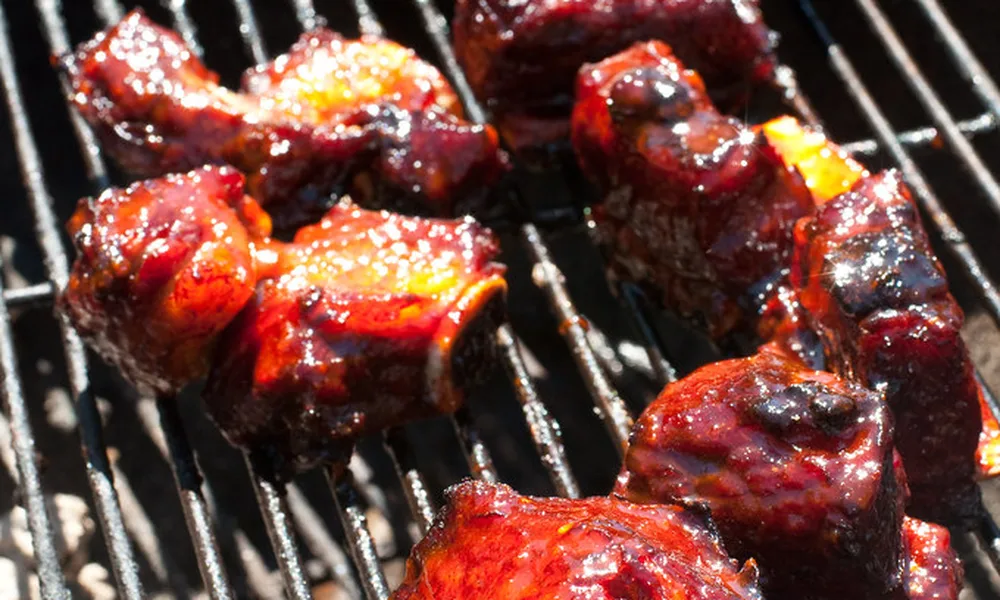
Sugar burns at grilling temperatures, so sauce applied at the start of a long cook will blacken, turn bitter and stick to the grate. The right moment is the last ten to fifteen minutes, when the meat is nearly done: brush on a thin layer, let it set and caramelise, then add a second thin layer if you want more gloss.
For slow-cooked meat like pulled pork, the sauce often never touches the grill at all. The pork is cooked plain, shredded, and tossed with a thin vinegar sauce just before serving.
Store-bought or homemade?
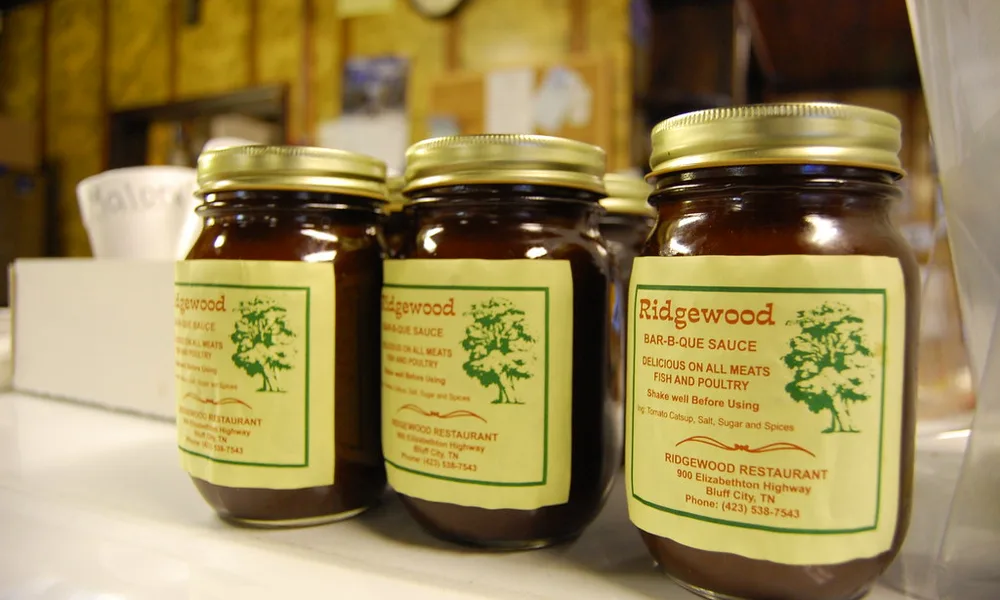
A good bottled sauce is a perfectly respectable choice, and for most weeknight grilling it is the right one. The worst are one-note sweet, and you can spot them by the ingredient list before you buy.
Homemade sauce is worth it when you want a flavour no bottle offers, or when you cook for someone who avoids sugar. A Carolina vinegar sauce takes five minutes and no cooking at all: vinegar, red pepper flakes, salt, a pinch of sugar and a little hot sauce, shaken in a jar.
The honest answer is that most cooks should do both: keep a bottle you trust for busy nights, and make a batch when you have the time.
How to store and serve BBQ sauce
Opened bottled sauce belongs in the fridge, where it keeps for three to four months. Homemade tomato-based sauce keeps for about two weeks, and vinegar-based sauces keep longer because the acid preserves them. Alabama white sauce is the exception: because it is mayonnaise-based, use it within a week and keep it cold.
Serving is simple but worth doing well. Warm the sauce gently before brushing it on — cold sauce cools the meat and slides off. Serve table sauce in a small bowl with a spoon rather than passing the bottle, which keeps the meal looking cared for and stops the bottle from going back and forth.
Your BBQ sauce checklist
- Pick the style first: sweet Kansas City for ribs and chicken, vinegar Carolina for pulled pork, thin Texas for beef, white sauce for smoked chicken.
- Read the label: sugar and tomato near the top, a short ingredient list, no high-fructose corn syrup in first place.
- Sauce late, never early: brush it on in the last ten to fifteen minutes so the sugar caramelises instead of burning.
- Keep two bottles in the fridge: one sweet and thick, one sharp and thin, so every meal has a match.
- Serve sauce on the side as well as on the meat, so guests can add more without drowning the food.
- Store opened sauce in the fridge, use white sauce within a week, and throw away any sauce that smells off or will not mix back together.
Frequently asked questions
What is BBQ sauce made of?
Most BBQ sauce starts with tomato, vinegar, sugar and spices. Kansas City style adds molasses and smoke flavour, Carolina styles lean on vinegar or mustard, Texas style is thinner and more savoury, and Alabama white sauce is based on mayonnaise and vinegar instead of tomato.
Is BBQ sauce the same as a marinade?
No. A marinade soaks raw meat before cooking, while BBQ sauce finishes cooked meat. Sauce contains sugar that burns over long cooking, so it goes on near the end or at the table, never at the start of a slow cook.
Which BBQ sauce is best for ribs?
A thick, sweet Kansas City style is the classic choice for ribs, applied as a glaze in the last fifteen minutes of cooking.
Can you use BBQ sauce on chicken?
Yes. Sweet Kansas City sauce and creamy Alabama white sauce both suit chicken well. Brush it on late in cooking and serve extra on the side.
How long does opened BBQ sauce last?
An opened bottle keeps for three to four months in the fridge. Homemade tomato-based sauce lasts about two weeks, vinegar-based sauces last longer, and mayonnaise-based white sauce should be used within a week.
What is the healthiest BBQ sauce?
Vinegar-based Carolina sauces are usually the lightest choice, because they contain little or no sugar. Buy the lowest-sugar bottle you enjoy, or make your own with half the sugar.
The bottom line
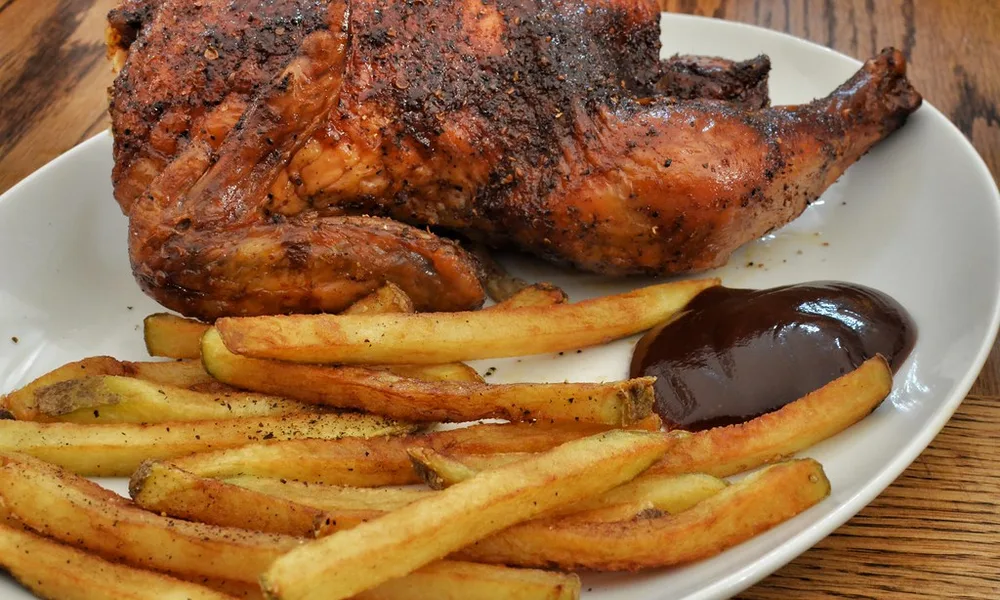
BBQ sauce is a small thing that makes a big difference, and the secret is matching the style to the meat. Sweet and thick for ribs and chicken, sharp and thin for pulled pork, savoury and restrained for beef, creamy and tangy for smoked chicken. Taste before you buy, sauce late, and keep a sharper second bottle handy. The best grills for backyard cooking in 2026 will do the cooking — the right sauce will make people remember it.


