What Is a Bidet and Is It Worth Installing in 2026
A bidet is a bathroom fixture that cleans you with a stream of water after using the toilet, instead of relying on toilet paper alone. Most people who try one find it cleaner, gentler on skin, and surprisingly easy to live with. In 2026, simple attachments cost less than a weekly shop, and electric seats add warm water, a dryer, and a heated seat.
The short answer is that a bidet is worth installing for most homes. It uses far less toilet paper, cleans more thoroughly than paper, and is kinder to sensitive skin. The right type depends on your bathroom: a rented flat with no socket near the toilet needs a different bidet from a family bathroom being refitted from scratch.
Key takeaways
- A bidet washes with water after using the toilet, and it cleans more thoroughly than toilet paper alone.
- A non-electric bidet attachment is the cheapest way to try one, and it usually fits in under an hour.
- Electric bidet seats add warm water, adjustable pressure, a dryer, and a heated seat, but need a power socket nearby.
- A standalone bidet is a separate basin beside the toilet and suits a full bathroom refit, not a quick retrofit.
- Check your water pressure, toilet shape, and the space around the bowl before you buy.
What a bidet actually does
A bidet sprays a focused stream of clean water to wash after using the toilet. You sit as normal, the nozzle aims the water where it is needed, and you pat dry with a small amount of paper. The water comes from the same cold supply that feeds your toilet cistern, and on electric models a heater warms it first. The controls are simple: a dial or a button sets the pressure, and on better models the nozzle position and water temperature too.
A bidet replaces most of your toilet paper, though not all of it. You still need a little paper to dry off, unless your model has a warm-air dryer, but most households cut their paper use by well over half. That saves money and means fewer blocked drains. For anyone with sensitive skin or piles, the gentler clean is often the main reason they keep using one.
The main types of bidet
There is no single bidet. The four types below cover almost everything on sale in 2026, and they differ far more in cost and installation than in the wash itself.
Bidet attachments
A bidet attachment is a slim unit that fits under your existing toilet seat and connects to the cistern supply with a T-shaped valve. Its nozzles swing out when you turn a dial and retract when you finish. This is the cheapest way into bidets: most people fit one with a spanner in under an hour, and you can take it with you when you move. The water is cold, with no heater, and a dial gives you pressure and not much else. Check the fit first, because some short or square bowls leave the nozzle in the wrong place.
Electric bidet seats
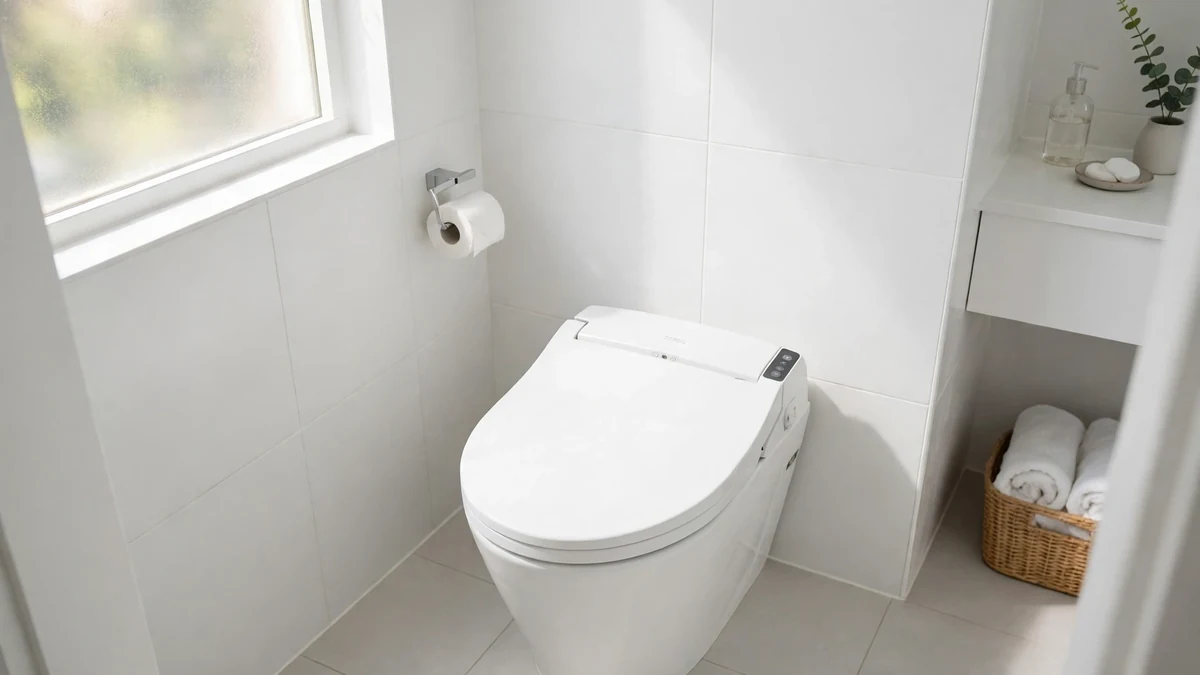
An electric bidet seat replaces your whole toilet seat with one that has a built-in spray, heater, and controls. A side panel or remote sets the water temperature, pressure, nozzle position, and spray pattern, and many models add a heated seat, a warm-air dryer, and a deodoriser. The catch is power: it needs a socket near the toilet, and most older bathrooms do not have one. Fitting a socket is a job for a qualified electrician, and it can cost as much as the seat. Electric seats are also bulkier than a normal seat, so a small cloakroom can feel cramped.
Standalone bidets
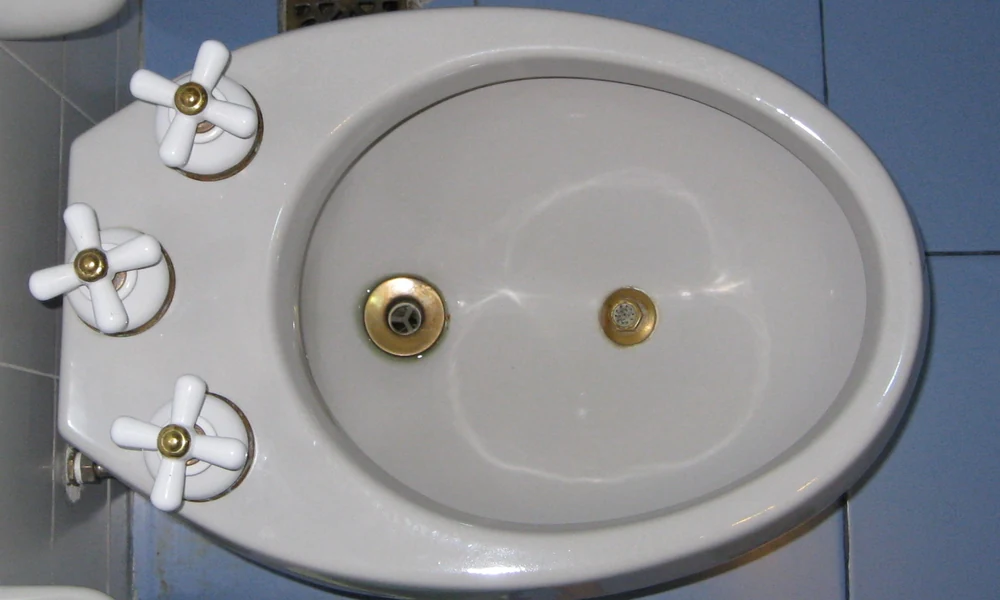
A standalone bidet is a separate low basin beside the toilet, like a small sink at seat height. You finish on the toilet, move across, and wash with a tap or a spray. This is the classic European bidet, and it gives the most room and control, because you can use your hands and adjust the water exactly. It also needs the most space and plumbing: a second waste pipe, hot and cold supplies, and floor space beside the toilet. That makes it a choice for a full bathroom refit or a large bathroom, not a retrofit.
Handheld bidet sprayers
A handheld bidet sprayer, sometimes called a shattaf, is a small shower head on a hose that mounts beside the toilet and connects to the cistern supply. You hold it, aim it, and squeeze a trigger to spray. The spray is cold water, and the pressure depends on your mains, so it can be stronger than expected on the first try. Buy one with a proper shut-off valve and turn it off when not in use, because a hose left under pressure is the main cause of leaks.

Electric or non-electric: which is right for you
The choice comes down to three questions: do you have a socket near the toilet, do you want warm water, and how much do you want to spend. A non-electric attachment or sprayer costs little, fits quickly, and needs no wiring. The water is cold, which is fine in summer and bracing in winter. An electric seat costs several times more and needs an electrician if there is no socket, but it gives warm water, adjustable spray, a heated seat, and a dryer. For a main family bathroom used daily, the electric seat earns its price; for a cloakroom or a first try, the attachment is the sensible start.
Warm water matters more than people expect. Cold water is tolerable for a quick wash, but a warm spray is what turns a bidet from a novelty into a habit, especially in winter. Some seats heat water on demand, so the spray is warm from the first second, while cheaper ones store it in a small tank that runs cool after a minute. Check whether the heater is instant or tank-based before you buy.
Water pressure, temperature, and comfort
Good water pressure is what makes a bidet feel effective rather than feeble. Most attachments and sprayers run straight off the mains through the cistern supply, so if your cold tap runs strongly, your bidet will too. Around one bar is enough for most models. Run the cold tap first: a thin trickle means pick a model that works at low pressure, or fix the pressure first. Low pressure usually affects the whole bathroom, so if your shower is weak too, our guide to shower heads explains what to check before you blame the bidet.
Comfort is mostly about adjustability. A nozzle that moves forward and back suits different bodies, and a pressure control that goes from gentle to firm lets each person find their setting. The best seats offer a front wash and a rear wash, plus a pulsing spray. On a basic attachment you get one nozzle and one dial, so try the lowest setting first.
Installing a bidet: what is actually involved
Fitting a non-electric attachment is straightforward for most people. Turn off the water to the toilet, disconnect the supply hose from the cistern, fit the T-valve in between, connect the attachment hose, and place the unit under the seat. The job usually takes thirty to sixty minutes with little more than an adjustable spanner and a towel for drips. Do not overtighten plastic fittings: tighten by hand, then a quarter turn with a spanner. Turn the water back on slowly and watch every joint for leaks.
An electric seat adds two steps: you need a power socket, and you need to be sure the seat fits your bowl. Measure the distance between the fixing holes and from the holes to the front of the bowl, and compare it with the seat’s measurements before ordering. Round and elongated bowls need different seats, and a seat that overhangs the front will rock. If you are choosing a new seat anyway, our guide to toilet seats explains how to measure your bowl. A standalone bidet is a plumber’s job, so budget for the plumbing, not just the fixture.
Cleaning and looking after a bidet
A bidet needs cleaning just like any bathroom fixture, but it is not hard work. Wipe the seat and nozzle area weekly with a mild bathroom cleaner, and run the nozzle cleaning cycle if your electric seat has one. Most nozzles rinse themselves before and after each use. In a hard-water area, wipe the nozzle with a little white vinegar once a month, and check the hose and T-valve for drips. Never use harsh bleach or abrasive pads on the nozzle.
Comparison table
| Bidet type | Typical cost | Needs power | Warm water | Best for |
|---|---|---|---|---|
| Bidet attachment | Low | No | No | Renters and first-time users |
| Electric bidet seat | High | Yes | Yes | Main family bathrooms |
| Standalone bidet | High, plus plumbing | No | Yes | Full bathroom refits |
| Handheld sprayer | Very low | No | No | Small bathrooms and budgets |
Who a bidet suits, and who should skip one
A bidet suits almost any home, but it helps some people more than others. Families with young children find the spray makes toilet training easier. Older people and anyone with arthritis or limited reach find a bidet far easier than twisting with paper. People with piles or skin conditions often find water far gentler than dry paper. It also cuts waste: less paper and fewer blocked drains.
Some homes are a poor fit. A very small cloakroom may not have room for an electric seat or a sprayer hose. Very low water pressure gives a weak spray, and a home with no socket near the toilet faces an electrician’s bill first. If your bathroom already struggles with damp, make sure your bathroom fans are clearing steam properly before adding another water fixture.
Checklist: choosing a bidet worth installing in 2026
- Measure your toilet bowl: round or elongated, and the distance from the fixing holes to the front.
- Check your water pressure at the bathroom cold tap before you order.
- Decide electric or non-electric: a socket near the toilet is essential for a heated seat.
- Start cheap if you are unsure: an attachment shows whether you like a bidet before you spend more.
- Pick adjustable pressure and a moving nozzle if several people will share the bidet.
- Plan cleaning from day one: a self-cleaning nozzle and a quick weekly wipe keep it hygienic.
Frequently asked questions
Is a bidet hygienic?
Yes. It washes with clean mains water, and the nozzle rinses itself before and after use on most models. Wipe it weekly.
Does a bidet replace toilet paper completely?
Not quite. You still need a little paper to dry off, unless your model has a dryer. Most households cut paper use by more than half.
Can I fit a bidet in a rented home?
Yes. An attachment or sprayer fits without permanent plumbing changes, and you can remove it when you move. Ask your landlord first.
Do bidets use a lot of water?
No. A typical wash uses about half a litre of water, far less than the water used to make the paper it replaces.
Are bidets cold in winter?
A non-electric bidet sprays cold water, which feels sharp on a cold morning. An electric seat with an instant heater gives warm water from the first second.
Will a bidet fit my toilet?
Most fit standard round and elongated bowls, but measure first: check the fixing-hole spacing and the distance to the front of the bowl.
The bottom line
A bidet is worth installing in 2026 for most homes: it cleans better than paper, costs little to run, and makes the bathroom easier for everyone. Start with a cheap attachment if you are unsure, and move to an electric seat if you have a socket nearby. Measure your bowl, check your pressure, and buy the type your bathroom can take.


