
Body Lotions That Keep Skin Soft All Day in 2026
The best body lotions that keep skin soft all day in 2026 do one thing the rest cannot: they make the softness you feel at breakfast still be there at bedtime. Most lotions feel lovely for ten minutes and then quietly give up, leaving shins tight and elbows rough by the afternoon. The lotions that last trap the water already in your skin, repair the barrier that lets moisture escape, and sink in properly instead of sitting on the surface. This guide explains how to spot them and which textures suit which skin.
Key Takeaways
- Judge a body lotion by how your skin feels at bedtime, not by how soft it feels in the first five minutes after you apply it.
- Apply lotion within a few minutes of showering, while skin is still slightly damp, so it has moisture to trap.
- Look for at least two of the three ingredient groups: humectants, emollients and occlusives.
- Texture is a clue, not a promise: a rich cream suits dry skin, while a light lotion suits normal and oily skin.
- Fragrance is the most common cause of irritation, so sensitive skin should start with a plain, fragrance-free formula.
Body Lotion Is Not Body Wash
A body wash cleans. It lifts dirt, sweat and oil from the skin in the shower, and then it rinses away down the drain, taking its ingredients with it. A body lotion moisturises after washing. It stays on the skin, sealing in the water left behind by the shower and giving the outer layer the fats it needs to repair itself. That is the whole difference: the wash cleans and leaves, while the lotion stays and protects for hours. Our guide to the best body washes for every skin type covers the cleaning half of the routine; this guide covers the half that decides whether your skin still feels soft at the end of the day. Use the two together, wash first and lotion second, and each one does a better job than it could alone.
The order matters more than most people realise. Skin loses water to the air all day, and the outer layer, the barrier, is what slows that loss. A lotion applied to skin that is still slightly damp has water to trap; applied to dry skin hours after a shower, it has almost nothing to seal in. That is why the few minutes after a shower matter more than the brand on the bottle.
How All-Day Softness Actually Works
Lasting softness is not one ingredient doing one job. It is three groups of ingredients working together, and the best lotions combine at least two of them. Humectants, such as glycerin and hyaluronic acid, draw water into the outer layer of the skin and hold it there. Emollients, such as shea butter and squalane, smooth the surface and fill the tiny gaps between skin cells. Occlusives, such as petrolatum and dimethicone, form a thin seal that slows water escaping into the air. A lotion with only a humectant can feel soft in a damp bathroom and then dry out in a heated room. A lotion with only an occlusive can feel greasy without ever making the skin itself softer underneath. The lotions that last pair a humectant with an occlusive, or an emollient with an occlusive, so moisture is drawn in, smoothed over and sealed down.
There is also a difference between softness that comes from the lotion and softness that comes from the skin itself. A heavy, oily film can make skin feel smooth while the skin underneath is still dry. The test is simple: apply a lotion in the morning and notice how your shins feel at bedtime. If they are still comfortable, the lotion is doing its job.
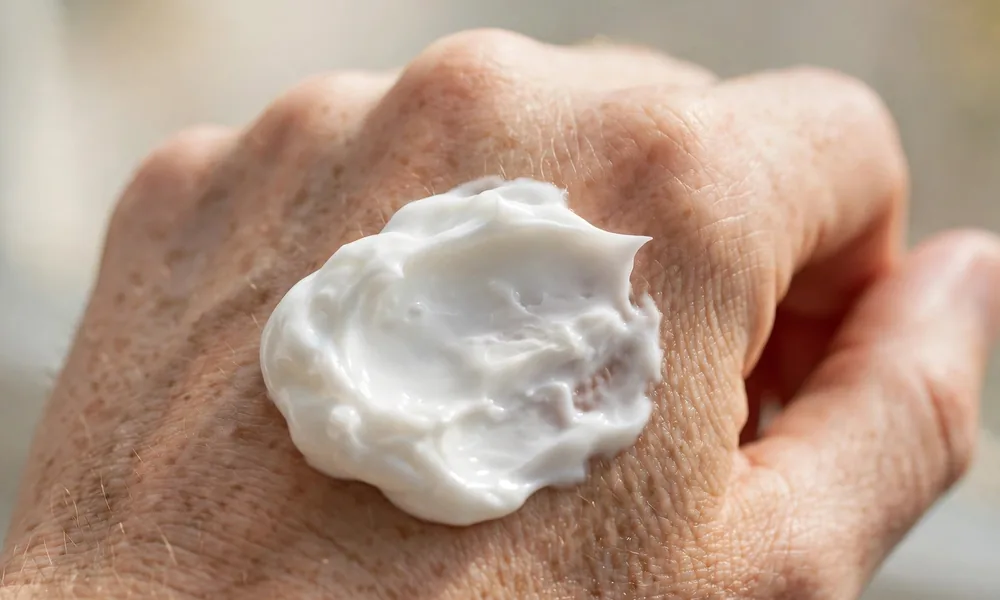
Body Lotions at a Glance
| Texture | Feels like | Best for | Watch out for |
|---|---|---|---|
| Light lotion | Thin, fluid, sinks in fast | Normal and oily skin, warm weather | May fade by afternoon on very dry skin |
| Rich cream | Thick, cushioned, slow to sink in | Dry skin, winter, shins and elbows | Can feel heavy under tight clothes |
| Body butter | Dense, almost solid, very rich | Very dry patches, heels, hands at night | Too heavy for large areas in summer |
| Gel lotion | Cool, watery, weightless | Oily skin, humid climates | Often the first to fade on dry skin |
| Fragrance-free lotion | Plain, neutral, no scent | Sensitive skin, eczema-prone skin | Can feel boring, which is the point |
| Lotion with urea | Smooth, slightly clinical | Rough or flaky skin, mature skin | May sting on cracked skin at first |
Two lotions in the same category can behave very differently, because one may be mostly water with a little glycerin while the other pairs glycerin with an occlusive. Read the first five ingredients on the label. Glycerin, ceramides, shea butter, squalane, urea and petrolatum near the top are good signs.
Matching the Lotion to Your Skin
Dry skin needs the richest help. It has the least oil of its own to spare, so it benefits from a cream with ceramides, shea butter or urea, applied twice a day in winter and always within minutes of showering. Shins and forearms are usually the first places to complain, because they have fewer oil glands and spend the day under clothes that rub moisture away. Normal skin has the easiest job: a light or medium lotion with glycerin and a little shea butter is usually enough. Oily skin still needs moisturising, because skin that feels stripped can overproduce oil, so a gel lotion or a light, fast-absorbing formula suits it best.
Sensitive skin needs the shortest label you can find. Fragrance is the most common irritant in body lotion, and the gentlest formulas are usually the plainest smelling ones. Start with a fragrance-free lotion and patch test it on the inside of your forearm for a day. If a lotion stings on dry or cracked skin, believe the first tingle and stop using it. Mature skin tends to be drier and thinner, so it does well with creams that include ceramides, urea or squalane.
How to Apply Lotion So It Lasts All Day
Technique decides how much of a good formula actually reaches your skin. Start with one or two pumps per body section, an arm, a leg, your torso, and spread it in long strokes rather than scrubbing it in circles. Give it a minute to sink in before you dress, especially with richer creams. The places people forget are the ones that go dry first: the backs of the hands, the shins, the elbows and the feet. Hands are washed many times a day, so they lose lotion faster than anywhere else, which is why a hand cream at the sink is worth keeping beside the soap. Our guide to why hand cream matters more than you think explains how a small tube by the sink does more than a large bottle used once a day.
Reapplication is not a failure of the first application. Even the best lotion wears down on the parts of the body that move, rub and wash the most. A second, lighter layer on shins and elbows in the late afternoon carries most people through to bedtime in winter, and it takes less than a minute.
What Makes a Lotion Fade by Lunchtime
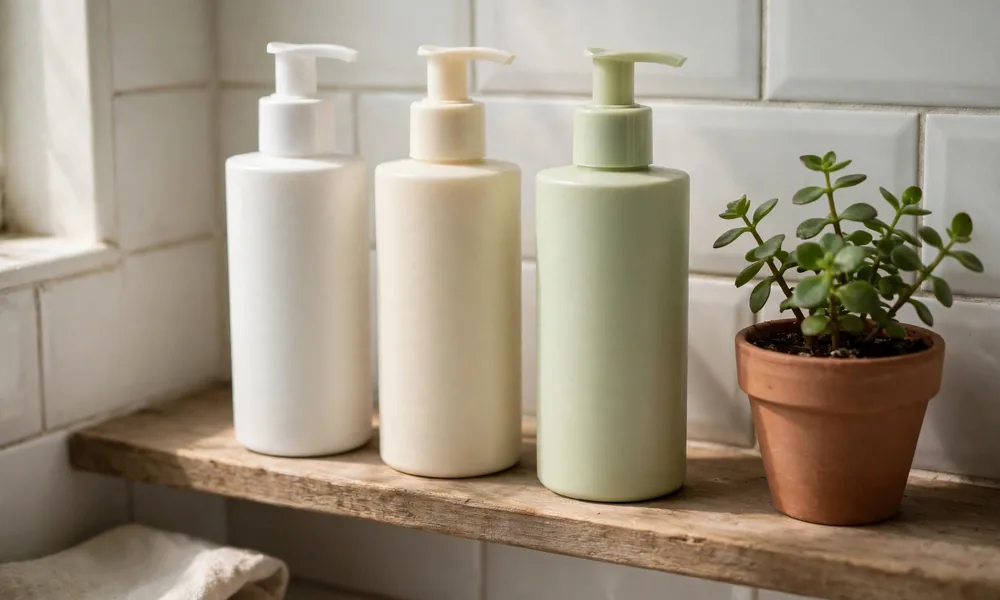
A lotion that vanishes within the hour usually fails in a familiar way: it is mostly water and fragrance, with no occlusive to hold the moisture in place. It feels wonderful on application and then evaporates, leaving the skin exactly as dry as before. Other causes are applying lotion to fully dry skin long after a shower, using too little, and taking very hot showers that strip the skin barrier.
Lotion, Cream, Butter and Oil Are Not the Same Thing
The words on the bottle describe texture, and texture tells you a lot about how a product will behave through the day. A lotion is light and watery, spreads easily over a large area and absorbs quickly, which makes it the easiest choice for daily, whole-body use. A cream is thicker, richer and slower to sink in, and it suits dry skin and cold weather. A body butter is denser still, almost solid in the jar, and it is best saved for very dry patches. A body oil is different again: it is pure oil with no water in it, so it seals moisture in beautifully but cannot add water of its own, which means it works best layered over damp skin or over a lotion rather than instead of one. Face moisturiser follows the same logic in miniature, and our guide to why the right moisturizer changes everything is a useful companion.
Price is a poor guide to lasting softness. Some of the lotions that last longest are plain, inexpensive creams with short ingredient lists and no scent. A mid-priced lotion used every day after a shower will beat an expensive one used twice a week, every time.
Your All-Day Softness Checklist
- Apply lotion within a few minutes of showering, while skin is still slightly damp.
- Use one or two pumps per body section, and spread it in long, even strokes.
- Check the label for at least two of the three groups: humectants, emollients and occlusives.
- Give richer creams a minute to sink in before you dress.
- Reapply a lighter layer to shins, elbows and hands in the late afternoon in winter.
- Switch to a fragrance-free formula and patch test first if your skin is sensitive.

Frequently Asked Questions
How long should a good body lotion keep skin soft?
A good body lotion should keep skin comfortable from morning until bedtime, around twelve hours, on normal skin in mild weather. Very dry skin and cold, heated rooms shorten that, so judge it at bedtime rather than in the first hour.
Should I apply body lotion to wet or dry skin?
Apply it to skin that is still slightly damp, a few minutes after showering, after patting off the worst of the water with a towel. Damp skin gives the lotion moisture to trap, while fully dry skin leaves it with almost nothing to seal in.
Is body lotion the same as body wash?
No. A body wash cleans in the shower and then rinses away, while a body lotion stays on the skin after washing and moisturises for hours. You need both, in that order: wash first, then lotion while skin is still damp.
How much body lotion should I use?
One or two pumps per body section is usually enough: an arm, a leg, your torso. More product does not help if the formula is wrong for your skin, and too much of a rich cream will sit on the surface and mark your clothes.
Can I use body lotion on my face?
You can in an emergency, but it is not a good daily habit. Facial skin is thinner and more reactive, and body lotions are often richer or more fragranced than face skin tolerates. Use a dedicated face moisturiser for your face and keep the body lotion for the body.
Why does my skin still feel dry even though I use lotion every day?
Usually one of four reasons: the formula has no occlusive to hold moisture in, you are applying it to fully dry skin hours after showering, you are using too little, or very hot showers are stripping your skin faster than the lotion can repair it. Change one thing at a time, starting with applying it to damp skin.
The Bottom Line
Body lotions that keep skin soft all day are not mysterious and they are not expensive. They combine ingredients that draw water in with ingredients that seal it down, they are applied to damp skin within minutes of showering, and they are judged at bedtime rather than in the first five minutes. Match the texture to your skin and your season, and reapply to the places that work hardest.


